
Author: admin

  • “Sopa para Todos” / “Soup for Everyone”: a meal waiting for those who can’t afford it

    “Sopa para Todos” / “Soup for Everyone”: a meal waiting for those who can’t afford it

    Ricardo Rodrigues, researcher at INESC-ID, is part of the group of 8 volunteers from the solidarity movement “Sopa Para Todos”, which intends to help the necessary families and, at the same time, support the restoration. It was from your hands that the website was created where the adherent requirements can be consulted in an interactive map.


    ….


    [PT]

    Ricardo Rodrigues, investigador do InescID, integra o grupo de 8 voluntários do movimento solidário “Sopa Para Todos”, que pretende ajudar as famílias necessitadas e, ao mesmo tempo, apoiar a restauração. Foi das suas mãos que nasceu o website onde podem ser consultados os estabelecimentos aderentes num mapa interativo.


    Nascido há cerca de dois meses, o movimento solidário “Sopa para Todos” pretende ajudar as famílias necessitadas e, ao mesmo tempo, apoiar a restauração. O processo tem tanto de simples como de nobre: quem quiser ajudar, basta deixar uma sopa paga num estabelecimento aderente, pessoalmente ou por MBWAY, para quem não tem possibilidade de a comprar. Apesar de recente, a iniciativa solidária tem captado atenções, ajudado muitas pessoas, e o número de restaurantes aderentes cresce de dia para dia. A equipa por detrás desta iniciativa conta apenas com 8 voluntários, um deles é o aluno de doutoramento do Técnico e investigador do INESC-ID, Ricardo Rodrigues.

    A ideia de criar o “Sopa para Todos” parte de uma amiga do investigador do INESC-ID, Ana Baião, depois de observar a alegria nos olhos de um homem a quem tinha sido oferecida uma sopa. Imediatamente, a fundadora do movimento procurou por aplicações ou projetos nacionais que lhe permitissem deixar uma sopa paga para quem precisasse. Na falta de alternativas, e ao perceber que havia muitas pessoas interessadas em ingressar num movimento com estes moldes, decidiu criar um grupo de Facebook com o objetivo de ajudar a reerguer a restauração e simultaneamente ajudar famílias com um simples ato de deixar uma sopa paga. O grupo, criado a 2 de fevereiro deste ano, já tem mais de 20 mil membros, e deu origem ao movimento que hoje faz a diferença em tantas vidas.

    Ricardo Rodrigues lembra que o seu envolvimento neste projeto surge “por sorte” e como resultado da amizade que tem com a fundadora: “ao partilhar novidades sobre o movimento, comentou comigo a falta de uma boa plataforma onde se pudesse visualizar todos os estabelecimentos aderentes”. O investigador do INESC-ID percebeu de imediato que poderia usar o seu conhecimento em informática e computação em prol desta iniciativa. Hoje é um dos voluntários do “Sopa para Todos”, e foi das suas mãos que nasceu o website onde podem ser consultados os estabelecimentos aderentes num mapa interativo. Além de Ricardo Rodrigues, há também uma alumna do Técnico que faz parte projeto e que integra a equipa do website, a engenheira Rute Lemos, e todos os interessados são bem-vindos para reforçar o grupo de trabalho.

    Ao abrir o site é reconfortante ver que o movimento solidário já se estendeu a todo o país, existindo mais de 100 restaurantes aderentes espalhados por Portugal Continental.  Ainda que a maior incidência seja em Lisboa e arredores, a iniciativa já chegou a mais de 10 distritos. Há inclusive estabelecimentos a oferecerem refeições completas, que são deixadas pagas. “Ainda temos, no entanto, muitas zonas do continente sem qualquer restaurante aderente, nomeadamente o interior do país, o norte alentejano e a zona de Trás-os-Montes. Nos Açores e Madeira já recebemos pedidos de ajuda e pessoas interessadas em ajudar, mas ainda não temos estabelecimentos aderentes. Esperamos que, com uma maior divulgação do movimento, mais restaurantes comecem a aderir e possamos ajudar mais pessoas”, refere Ricardo Rodrigues.

    Se quiser aderir à rede de estabelecimentos aderentes apenas têm que manifestar esse interesse para o e-mail  com o assunto “Registo de estabelecimento”, e rapidamente será contactado com um pedido de mais informações para que a adesão seja oficializada. Ricardo Rodrigues sugere que “o estabelecimento adira ao grupo do facebook do “Sopa para Todos” para que possa ir partilhando o seu trabalho, as suas necessidades e as suas conquistas”.

    Um movimento que não tem parado de crescer e de ajudar quem mais precisa

    A adesão ao movimento tem surpreendido a equipa “desde o primeiro dia”. “Em menos de 24h tínhamos mais de mil pessoas no grupo de Facebook e o movimento só acelerou. Nenhum membro da equipa, eu incluído, tinha experiência com uma gestão de um projeto desta escala e levou algum tempo até a equipa se adaptar”, recorda o aluno do Técnico.  “Atualmente temos 8 voluntários na administração do movimento e temos de escalar bem o esforço para que tudo funcione bem de forma a equilibrar com todo o tempo das nossas vidas familiares e profissionais”, aponta ainda.

    Ainda assim, a vontade de fazer a diferença e de ajudar, e todo o feedback recebido superam tudo isto. “Tivemos restaurantes a dizer-nos que sem o movimento já tinham fechado portas. Pessoas a agradecer porque conseguem comer”, relata Ricardo Rodrigues.  “A verdade é que o movimento só é possível porque há pessoas e estabelecimentos que querem ajudar e oferecer comida aqueles que precisam, nós apenas fazemos a ponte que permite ligar todas estas pessoas”, vinca o aluno do Técnico.

    A equipa do “Sopa para Todos” é regularmente confrontada com uma questão que tantas vezes assombra a solidariedade: “como fazem a filtragem para que apenas os que precisam recebam a ajuda?”. A resposta vem com um tom de honestidade, próprio de quem tem como foco principal ajudar: “deixamos que essa gestão e seleção seja feita pelo bom senso e pelo conhecimento das necessidades da comunidade local, bem como pelas redes de suporte dos estabelecimentos aderentes”. “A verdade vem sempre ao de cima, por isso vamos focar-nos na verdade de quem mais precisa e nas conquistas feitas neste sentido”, sublinha Ricardo Rodrigues.

    E a realidade é que há cada vez mais pessoas a precisar, e o foco deste movimento é chegar a todas elas, “principalmente aos que entraram em situações mais precárias recentemente e que ainda têm muita vergonha em pedir ajuda”, salienta Ricardo Rodrigues. “Para quebrar estas barreiras, os estabelecimentos aderentes precisam da ajuda da comunidade para sinalizar com a devida privacidade e descrição estas situações para que seja ajudado realmente quem precisa”, declara o aluno de doutoramento. “Uma coisa que, neste momento, podemos garantir, e, aí podemos dar certezas, é que já estamos a chegar a famílias que estavam realmente a precisar e saber que fazemos a diferença nesse sentido já faz tudo valer a pena”, colmata o investigador.


    Visite: https://sopaparatodos.pt/ 


    Fonte: Técnico


  • Inês Lynce is one of the scientists honored in the book “Women in Science”

    Inês Lynce is one of the scientists honored in the book “Women in Science”

    Ciência Viva launched today, March 8, International Women’s Day, the book Women in Science (“Mulheres na Ciência”) where pays tribute to Portuguese women scientists.

    The third edition of this book brought together 101 new faces and testimonies of women who work in research in our country, photos captured by Clara Azevedo, José Carlos Carvalho, Luís Filipe Catarino and Rita Carmo.

    The first edition was launched in 2016 and the second in 2019. In each edition, more than a hundred women are honored, whose work has been fundamental to Science and Technology’s progress in Portugal in recent decades.

    Inês Lynce, President of INESC-ID, is one of the ten women in Engineering who are presented in this 2021 edition.

    “It is a great honor for me to be selected to be part of this initiative, which, on the one hand, extols the importance of science and technological development and, on the other hand, lives up to the role of women in this area where they are underrepresented. I am happy to be an example that can inspire young Portuguese girls to follow their path in this area. I am a woman and I am a computer engineer” said Inês Lynce about her participation in this book.

    On the page dedicated to Inês Lynce in the book we can read:

    ” Solving problems is a fascinating challenge for me. I found in Computer Engineering a powerful and automatic approach to solving problems. Artificial intelligence added a creative and scientific way of putting a machine to work rationally. Research gave me the opportunity to come up with seas never sailed before. Teaching and mentoring students brought me the unique possibility of enhancing the ability and talent of the youngest. ” (Mulheres na Ciência, Ciência Viva, 2021)

    [pt] “Resolver problemas é para mim um desafio fascinante. Encontrei na Engenharia Informática uma abordagem poderosa e automática para resolver problemas. A inteligência artificial acrescentou uma forma criativa e científica de colocar uma máquina a atuar racionalmente. A investigação deu-me a oportunidade de chegar a mares nunca de antes navegados. O ensino e orientação de alunos trouxeram-me a possibilidade única de potenciar a capacidade e o talento dos mais jovens.” (Mulheres na Ciência, Ciência Viva, 2021)

    Fotografia: Luís Filipe Catarino


    See all the participants at https://www.cienciaviva.pt/mulheresnaciencia/terceira-edicao

  • EPEEC Partners BSC and INESC-ID Improve Multi-Device Performance of OmpSs2@OpenACC

    EPEEC Partners BSC and INESC-ID Improve Multi-Device Performance of OmpSs2@OpenACC

    In the context of the EPEEC project, a research team from the Barcelona Supercomputer Center (BSC) has developed in close collaboration with a team from INESC-ID a new programming tool that significantly eases the development of programs running on multi-GPU (Graphics Processing Unit) systems. By simply adding OpenACC directives, tasks are dynamically assigned to different GPUs by the BSC’s runtime system, while minimizing data transfers between devices.


    More info at the project website: https://epeec-project.eu/media/news/epeec-partners-bsc-and-inesc-id-improve-multi-device-performance-ompss2openacc

  • INESC-ID renews the FCT Associate Laboratory Statute

    INESC-ID renews the FCT Associate Laboratory Statute

    INESC-ID renews its Associate Laboratory Status for a period of 10 years. A recognition of the quality of the work developed and the rigor and excellence of the institution.

    On February 24th 2021, the Foundation for Science and Technology (Fundação para a Ciência e Tecnologia – FCT) presented the provisional results of the Contest for the Attribution of Associated Laboratory Status (LA), in which 40 institutions or consortia of institutions were approved for attribution of the Associated Laboratory Status.

    This assignment aims to encourage the aggregation and organization of human and material resources with the quality and dimension necessary to meet the specific objectives of national scientific and technological policy in R&D institutions or consortia of R&D institutions.

    “With the renewal of the FCT Associate Laboratory Statute, INESC-ID sees its work recognized and the possibility of a path that we want to be of ever greater quality, prestige and excellence, not only at the national level, but also at European and world level”, says Inês Lynce, President of INESC-ID.

    INESC-ID has the status of “Laboratório Associado” from FCT since December 2004.

    LA are structural components of the National Scientific and Technological System and consist of research and development (R&D) institutions or consortia of R&D institutions that make explicit institutional commitments to pursue national scientific and technological policy objectives. To this end, these laboratories must have a dimension of human resources and scientific infrastructure that allows them to sustainably promote scientific and technical careers for doctorates.

    By major scientific areas, LA are distributed as follows: Life and Health Sciences: 6; Exact and Engineering Sciences: 18; Natural and Environmental Sciences: 12, Social Sciences and Humanities: 4.

    FCT points out that of the 40 LA coordinators, 13 are women (33%) and we can proudly say that INESC-ID is one of them.

    The results of the evaluation can be consulted at: https://www.fct.pt/apoios/unidades/laboratoriosassociados.phtml.pt

  • INESC-ID Awards 2020

    INESC-ID Awards 2020

    The INESC-ID Awards 2020 symbolic ceremony  took place on February 23, during the 20th Scientific Council Plenary Meeting, an entirely online event.

    Miguel Pupo Correia, Rui Henriques and Miguel Terra Neves were the big winners, who saw their work recognized.

    Winners 2020

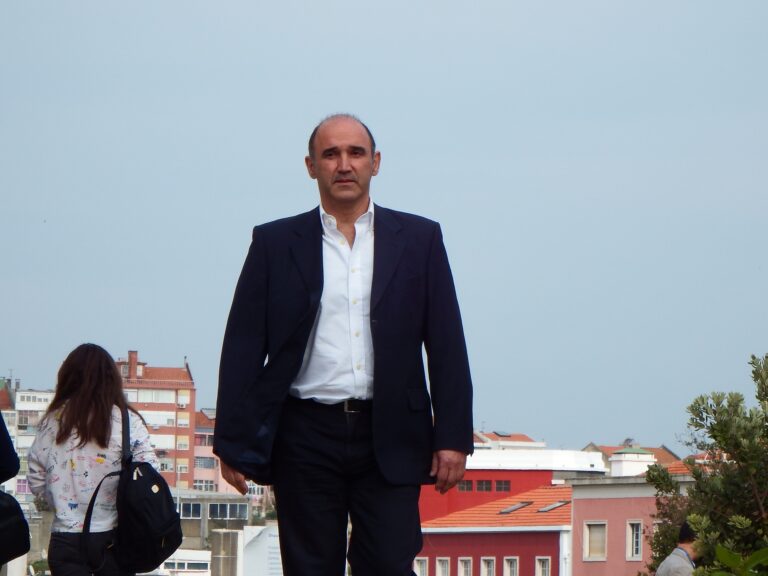
    - Researcher: Miguel Nuno Dias Alves Pupo Correia

    - Young Researcher:  Rui Miguel Carrasqueiro Henriques

    - PhD student: Miguel Ângelo da Terra Neves


    The nominees for 2020 awards were:

    Researcher: Joaquim Armando Pires Jorge
    Luís Eduardo Teixeira Rodrigues
    Miguel Nuno Dias Alves Pupo Correia
    Young Researcher: Rui Miguel Carrasqueiro Henriques
    Shady Alaaeldin Mohamed AbdelKader Rabie Issa
    PhD Student: Filipa Isabel Nogueira Correia
    Miguel Ângelo Terra Neves

    About the INESC-ID Awards

    The INESC-ID Awards were created in 2009. These awards are annually given, usually at the annual general institutional kick-off meeting. The juri is composed by the Advisory Board members, an independent committee made of world class experts.

    The existence of awards for the best researchers has a high importance and value for the institution. It is a contribution to strengthen the scientific prestige and social intervention of INESC-ID in its scientific environment.

    The established categories are:
    - Researcher

    - Young Researcher

    -PhD student


    See all the nominees and winners at https://inesc-id.pt/news-events/awards/

  • Professor Moisés Piedade is honored by INESC-ID with the title of Emeritus Researcher

    Professor Moisés Piedade is honored by INESC-ID with the title of Emeritus Researcher

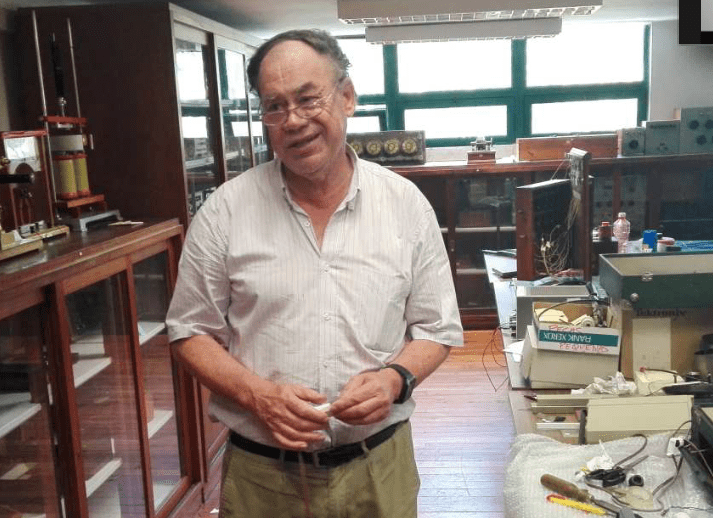
    Today, February 23th, INESC-ID, within the scope of its 20th Scientific Council Plenary Meeting, awarded the title of Emeritus Researcher to Professor Moisés Piedade.


    A recognition and tribute for his work and the dedication of a lifetime to Teaching, Researching and his contribution to Electrical Engineering


    As mentioned by Leonel Sousa during the tribute “We need teachers with the ability of Professor Moisés Piedade to do and to teach how to do. Even today, as always, it is much easier to find him in the laboratory than in his office. He spends most of his time restoring and repairing electronic equipment in the Faraday Museum. It’s not a hobby, it’s a lifetime passion for experimention and implemention.”

  • Project to detect COVID-19 from coughs and speech

    Project to detect COVID-19 from coughs and speech

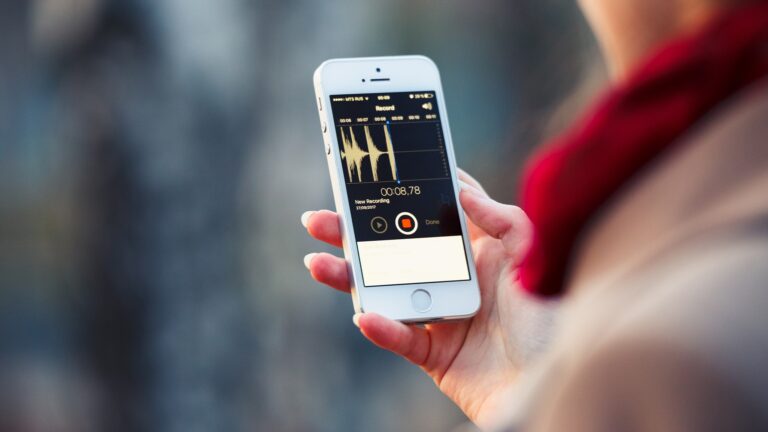
    What if it was possible to detect whether someone has COVID-19 or not, just from the sounds of their coughing or talking? It sounds like science fiction, but it may soon come true. This is the goal of the project “Detecção de COVID-19 a partir de tosse e fala” (“COVID-19 detection from coughs and speech”), developed by a team of researchers from Instituto Superior Técnico and INESC-ID.

    Using Artificial Intelligence (AI) technologies, the project aims to develop a robust system that helps to identify who is infected with the SARS-CoV-2 virus, through recorded voice and cough. “The main purpose of this project is to be one more clue that can indicate the disease or even be combined with other biomarkers”, highlights the project coordinator, professor Isabel Trancoso, who is also Técnico professor (Department of Electrical and Computer Engineering – DEEC) and INESC-ID researcher.

    Although not yet conclusive, the research carried out around this topic is already getting some exciting answers. Several articles published on the subject suggest the hypothesis that even asymptomatic patients reveal changes in their voice, due to the impact of the virus on the lungs and vocal cords, showing slight differences when compared with a healthy person. Although this difference is not decipherable to the human ear, an AI model may be able to detect it.

    RT-PCR testing is the mainstay in diagnosing COVID-19, and more recently, antigen tests. There are several disadvantages associated with this testing protocol, namely delayed results, due to the increased workload in laboratories and the huge demand. Consequently, there is a growing interest in developing a cheap, immediate and easy to use system that allows to optimize the testing process. This project was created to follow this need and to take advantage of the solid knowledge that already exists about the potential of speech as a biomarker for health, strongly based on AI methods.


    Analyzing speech patterns can help diagnose diseases

    Speaking requires the coordination of numerous anatomical structures and systems. The lungs send air through the vocal cords, which produce sounds that are shaped by the tongue, lips and nasal cavities, among other structures. The brain, along with other parts of the nervous system, helps to regulate all these processes and determine the words someone is saying. A disease that affects any one of these systems might leave diagnostic clues in a patient’s speech.

    The Técnico professor explains “the potential of speech as a biomarker for health has already been identified for diseases that affect respiratory organs, such as simple cold, or sleep apnea; for mental disorders, such as depression, bipolar disorder, autism spectrum; and for neurodegenerative diseases such as Parkinson’s disease, Alzheimer’s disease, Huntington’s disease; or amyotrophic lateral sclerosis, among many other diseases”. Over the past decade, scientists have used machine learning systems to identify potential vocal biomarkers for a wide variety of these clinical conditions.

    The idea for this project comes up right at the beginning of the first lockdown. “Our experience with these diseases clearly pointed to the need to make a great effort to collect an extensive sound data related with COVID-19”, says professor Isabel Trancoso.

    A similar project, carried out by a team of researchers at the University of Cambridge, explored the use of traditional acoustic clues (cepstral coefficients, energy, fundamental frequency, etc.) and clues obtained through transfer learning techniques using neural networks, along with different classifiers for COVID-19 detection. The developed models for COVID-19 detection show that the performance is close 80%, even in users who tested negative for COVID-19, but who also had cough due to cold or asthma.

    According to the INESC-ID researcher, “the results of the various research works on this topic are very promising, but there are still many areas left unexplored”.


    The importance of the community in this project

    The first phase of the project is to collect an extensive dataset with representative examples of speech and simulated coughs and snores from both COVID-19 positive (symptomatic and asymptomatic) and negative individuals (ideally including also participants with respiratory conditions other than COVID-19, such as flu, cold, asthma, etc.).

    These data will be crucial for the development and success of the project, and for this reason the participation of community is essential and warmly appreciated. The challenge of participating in this study extends to the whole society.

    To participate, just follow this link (where you can find the informed consent form), or use the QR code available here.

    The participants will have to supply an audio recording of their cough and snoring, as well as speech – sustained vowel, reading a short text, free description of an image. In addition, participants just need to provide some personal data, namely demographic data – age, sex, mother tongue; health data – date and result of the COVID test (for those who were already tested), symptoms in the last 15 days, chronic diseases or chronic medical conditions, voice disorders. All necessary measures will be taken to ensure the security and anonymity of the data collected.

    After the necessary data is collected, the research team will use signal processing and machine learning techniques to assess the presence of biomarkers indicative of COVID-19 in coughs and speech, and to develop robust systems for the detection of COVID-19. Once properly tested, these systems can be easily deployed as a web tool and/or a mobile application.


    An important screening tool

    The research team do not intend to develop a clinical diagnostic test, but rather a complementary and low-cost test – a simple screening tool – using non-intrusive techniques and whose use does not depend on health professionals. In the future, the effective implementation of this screening tool may be essential to curb the spread of COVID-19 pandemic if, for example, it is used at the entrance of schools or companies/institutions.

    The data collected in this study will also allow to continue studying other diseases that affect the respiratory system. “It is extremely important to have a volume of data that allows us to carry out this study”, stresses professor Isabel Trancoso.

    “My vision is that collecting speech samples will become as common as a blood test”, says the INESC-ID researcher. “It is a ubiquitous signal and can be collected in a non-invasive way, both in person and by teleconsultations”, she stresses.


    Source: Instituto Superior Técnico


  • Alberto Rodrigues da Silva was nominated Senior Member of the ACM

    Alberto Rodrigues da Silva was nominated Senior Member of the ACM

    The INESC-ID Researcher Alberto Rodrigues da Silva was nominated Senior Member of the ACM – Association for Computing Machinery.

    “This nomination as “ACM Senior Member” is an important recognition mainly from the analysis of my professional career and achievements conducted throughout the last years. This is still more relevant due to the fact ACM is the major international professional association in the area of computer science and informatics engineering, with thousands of members worldwide, and an increasing number of activities and journals. With this nomination, I also join the network of ACM Senior Members and I am challenging to contribute to our professional community!”, mentioned Alberto Silva on his nomination.

    Alberto Rodrigues da Silva is an Integrated Researcher, Coordinator of the Information and Decision Support Systems (IDSS) Scientific Area of our Institute. His research interests are mainly focused on the following topics: information systems, software engineering, model-driven engineering, requirements engineering, project management, document automation, and their application in multiple domains.

    In this scope, the researcher has coordinated and participated in several R&D projects, including EU, FCT, PRIME, CYTED, or bilateral projects, with particular domains of citizenship and digital government, engineering, education, health, or even smart cities.

    As mentioned by the Senior Member Committee “we are delighted that you will be among the inductees honored with this designation and wish to congratulate you on this well-deserved recognition”.

    About the ACM Organization

    ACM brings together computing educators, researchers, and professionals to inspire dialogue, share resources, and address the field’s challenges. As the world’s largest computing society, ACM strengthens the profession’s collective voice through strong leadership, promotion of the highest standards, and recognition of technical excellence. ACM supports the professional growth of its members by providing opportunities for life‐long learning, career development, and professional networking.

    Founded at the dawn of the computer age, ACM’s reach extends to every part of the globe, with more than half of its nearly 100,000 members residing outside the U.S.  Its growing membership has led to Councils in Europe, India, and China, fostering networking opportunities that strengthen ties within and across countries and technical communities.  Their actions enhance ACM’s ability to raise awareness of computing’s important technical, educational, and social issues around the world.

  • Artificial Intelligence for COVID-19 chest X-ray diagnosis

    Artificial Intelligence for COVID-19 chest X-ray diagnosis

    The DeepPathCOVIDx project will allow to develop of a solution that will assist healthcare professionals in the analysis of chest X-ray images.

    A team of researchers from Técnico and INESC-ID, in collaboration with Hospital da Luz Learning Health, is developing a solution consisting of AI models for the analysis of chest radiography of patients suspected of having COVID-19, in an emergency context.

    Besides causing cough, fever and fatigue, the SARS-CoV-2 virus can cause acute upper tract infection. Identifying these clinical cases and prevent worsening clinical conditions is crucial to reduce pandemic deaths. Conventional chest radiography allows the assessment of infection and, consequently, the strategy of monitoring and treating the patient. Chest X-rays can also be used as a complementary diagnostic method, although they are not part of the official protocol.

    Thus, the creation of AI models to identify radiological characteristics of COVID-19 in chest X-ray images allows, together with other clinical information, to help in the decision-making for suspected cases of COVID-19, being an important and useful tool to support the work of healthcare professionals. “The main purpose of this tool is to be able to detect, autonomously, and with a high degree of certainty, COVID-19 on chest X-rays and how severe the disease is”, explains Arlindo Oliveira, Técnico professor and Principal Investigator of the project.

    This tool aims to optimize the work of radiologists, identifying and prioritizing the x-rays of suspected COVID-19 patients in the work list, to assist doctors in an emergency context when radiologists are not available, with a tool for analyzing radiographs, and to increase efficiency in an emergency context, facilitating professionals’ decision making.

    The system is currently being tested “with data from Hospital da Luz and Hospital Beatriz Ângelo”, shares by professor Arlindo Oliveira. “The data provided by our partners will allow us to test the accuracy of the model. If we succeed, it will be included in hospital admissions”, explains professor Arlindo Oliveira.

    The project’s feasibility study should be completed in a few months. The next phase will go through the implementation of the tool in a hospital. Although this phase no longer relies on the research team, professor Arlindo Oliveira believes that “it may be operational a few months after the demonstration is finished”.

    The multidisciplinary team consists of Técnico/INESC-ID researchers in the fields of machine learning and artificial intelligence, radiologists, ER doctors at Hospital da Luz Lisboa and Hospital Beatriz Ângelo, human factors and ergonomics experts, information systems experts and managers. DeepPathCOVIDx was one of the projects funded bythe Portugal 2020 programme. The results will be announced in the first half of this year.

    According to professor Arlindo Oliveira “the collaboration between engineering and medicine is always very fruitful and will play an essential role in medical advances”.


    Source: Técnico

  • New Book by the INESC-ID researcher Andreas Wichert and his PhD student Luís Sá-Couto

    New Book by the INESC-ID researcher Andreas Wichert and his PhD student Luís Sá-Couto

    World Scientific just published the work “Machine Learning — A Journey to Deep Learning”, written by INESC-ID researcher Andreas Wichert and  his PhD student Luís Sá-Couto.

    This unique compendium discusses some core ideas for the development and implementation of machine learning from three different perspectives — the statistical perspective, the artificial neural network perspective and the deep learning methodology.

    The useful reference text represents a solid foundation in machine learning and should prepare readers to apply and understand machine learning algorithms as well as to invent new machine learning methods. It tells a story outgoing from a perceptron to deep learning highlighted with concrete examples, including exercises and answers for the students.

    The book is available here.


    About the authors:

    Andreas Wichert studied computer science at the University of Saarland, where he graduated in 1993. Afterwards, he became a PhD student at the Department of Neural Information Processing, University of Ulm. Since 2006 he is Assistant Professor at Department of Computer Science and Engineering, University of Lisbon where he is as well lecturing about machine learning and quantum computation. His research focuses on neuronal networks, cognitive systems and quantum computation.

    Luis Sa-Couto studied computer science at the Department of Computer Science and Engineering, University of Lisbon, where he graduated in 2018. Since then he is a PhD student under the supervision of Prof Andreas Wichert with the topic Extending Deep Learning Applicability Through Attention-inspired Networks for Object Recognition. He lectured practical classes in AI and machine learning.