Category: News

  • Rubén Solera-Ureña recognised as Outstanding PC Member for ECAI 2025
    Rubén Solera-Ureña recognised as Outstanding PC Member for ECAI 2025

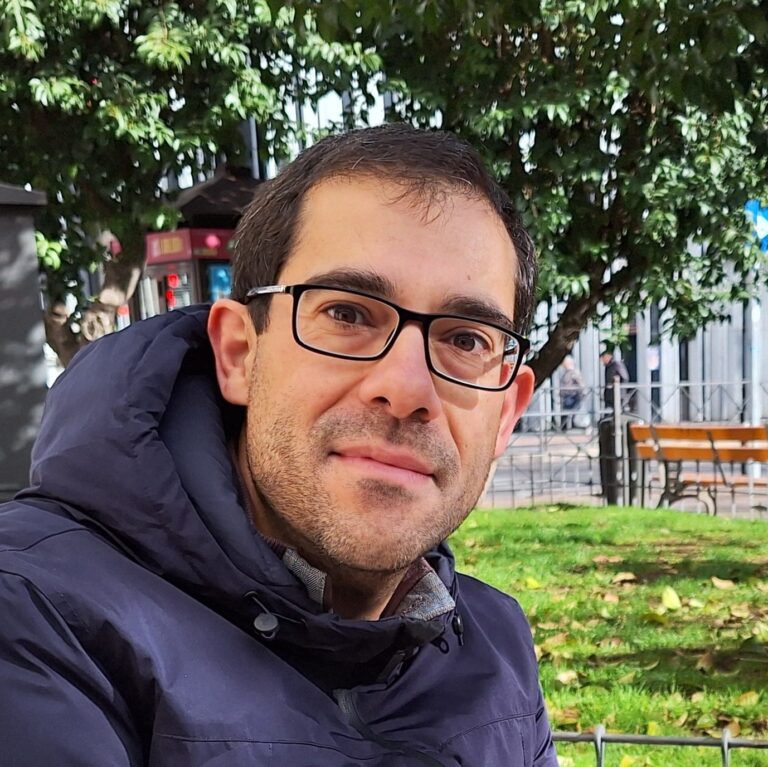
    INESC-ID researcher, Rubén Solera-Ureña, from the Human Language Technologies scientific area, has recently been elected Outstanding Program Committee (PC) Member for the European Conference on Artificial Intelligence (ECAI) 2025.

    This election recognises his vital contributions to the reviewing process, contributing to the research community and ensuring the quality and integrity of the conference program.

    ECAI is a leading conference in the field of Artificial Intelligence in Europe, and this year took place in Bologna from October 25 to 30.

    More about ECAI 2025 here

  • Instituto Superior Técnico’s PhD Open Days brings research and the community together at TIC

    Instituto Superior Técnico’s PhD Open Days brings research and the community together at TIC

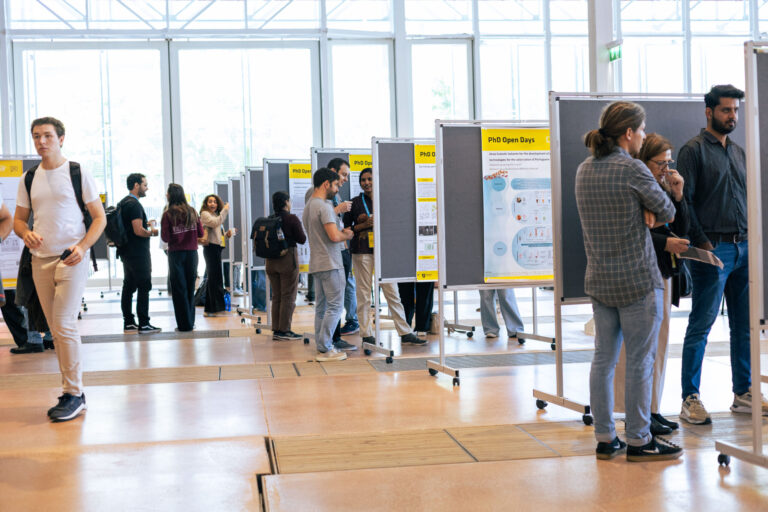
    The Técnico Innovation Centre powered by Fidelidade (TIC) hosted over 100 students who attended the 11th edition of Instituto Superior Técnico’s (IST) PhD Open Days. During October 27 and 28, the main stage was occupied by sessions and debates, and the halls filled with the voices of students who came to share their research.

    This gathering, organised by the Técnico Doctoral School, brought together students from all areas of IST to connect with each other and with the many invited experts. Whether during talks or within the posters exhibited along the open space of TIC, INESC-ID’s presence did not go unnoticed.

    Among the several posters, all developed by PhD students from different IST areas, our very own students Luís Crespo, Miguel Graça, André Augusto, Carolina Carreira, João Guerreiro, Pedro P. Santos, and Vaibhav Arora had the opportunity to showcase their research and exchange ideas with fellow participants. On the second day the spotlight was on the ones who braved into the stage to present, in a short amount of time, the story of their research and the work completed so far. Miguel Graça, PhD student from the High-Performance Computer Architectures and Systems scientific area, presented his current research “Endeavor: Efficient GPU-Based PairHMM for Detection of DNA Variants” as well as a previous work “Distributed Transformer Neural Network for High Order Epistasis Detection”.

    One of the Invited Talks, focused on “PhDs in Society”, featured the Coordinator of the Técnico Doctoral School and INESC-ID researcher Leonel Sousa who participated and moderated the interventions of Leonor Beleza, President of the Champalimaud Foundation, and Maria Mota, CEO of the Gulbenkian Institute for Molecular Medicine (GIMM). Further along the afternoon, our Sustainable Power Systems scientific coordinator, Pedro Carvalho participated in the debate “Clean Energies and Sustainability”.

    Images | © 2025 Instituto Superior Técnico

  • The BIG ERA Chair Closing Ceremony

    The BIG ERA Chair Closing Ceremony

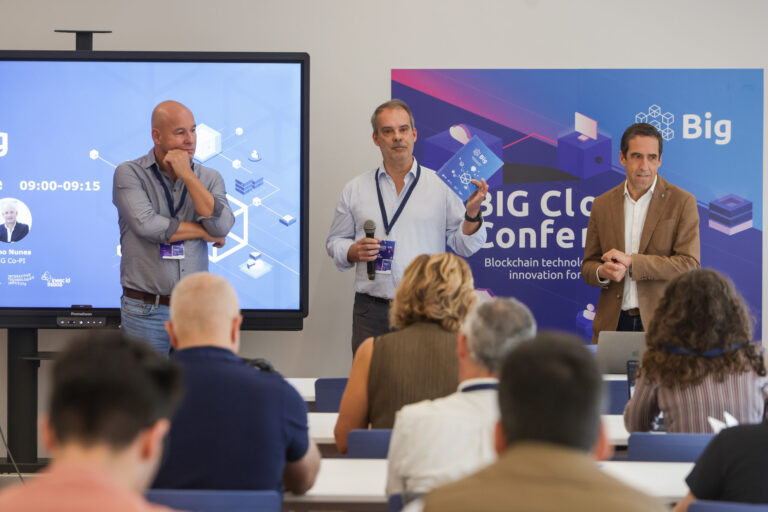
    The BIG ERA Chair came to a successful finale, with its Closing Ceremony taking place last week, on October 27. In the IA room of Instituto Superior Técnico, more than 50 participants, from students to industry leaders, gathered to watch the project’s main achievements over the years and reflected how digital ledger technology can drive trust, transparency and social good

    The conference featured keynote speakers, Diogo Mónica and Manuel Costa, who went over Tokenization and Confidential Computing respectively. In addition to the keynotes, there was a presentation of the BIG Lab’s research highlights, an Industry and Society Panel and several interventions by INESC-ID researchers, including Luís Caires, Miguel Pupo Correia, Rodrigo Rodrigues, Paolo Romano, Miguel Matos, Miguel Pardal, David R. Matos, Nuno Lopes and Christof Torres. Overall, the ceremony served as a platform for all stakeholders in Blockchain and related areas to present and discuss studies and challenges.

    The BIG Closing Conference really was a unique moment to witness the impact of BIG as an extremely successful multi-institutional and interdisciplinary initiative, leveraging the quite unique characteristics of the ERA program.” – Stated Luís Caires, Chair Holder for the BIG ERA Chair and researcher of the INESC-ID Information and Decision Support Systems Scientific Area. “And this is just the start of a new phase of the BIG Lab community, looking forward to the future challenges of decentralized, participatory, and trustworthy computing for all.

    The BIG ERA Chair Closing Conference was organised in the scope of the BIG ERA Chair Project (GA 952226), a project funded by the European Commission involving INESC-ID, IST and ITI-LARSyS.

    Know more on the BIG ERA Chair website

    Images | © 2025 BIG ERA Chair Project

  • Science on Stage Portugal brings Innovation for Science in the Classroom to Técnico Oeiras

    Science on Stage Portugal brings Innovation for Science in the Classroom to Técnico Oeiras

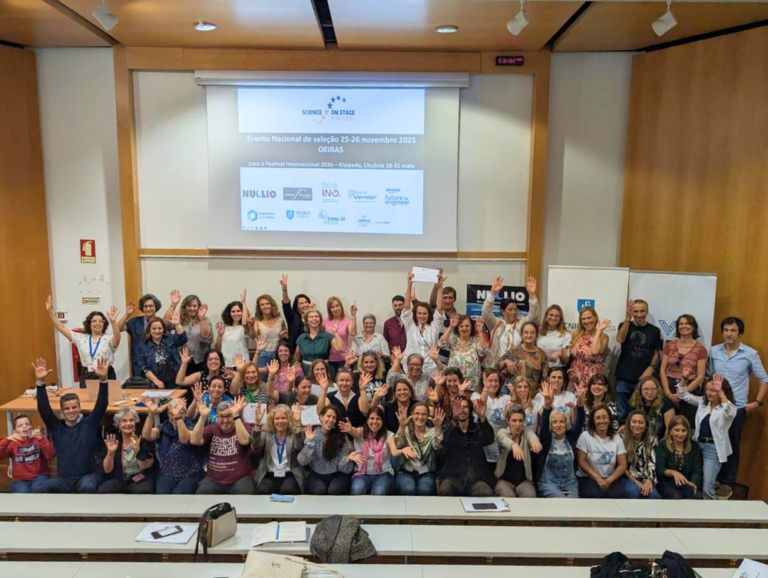
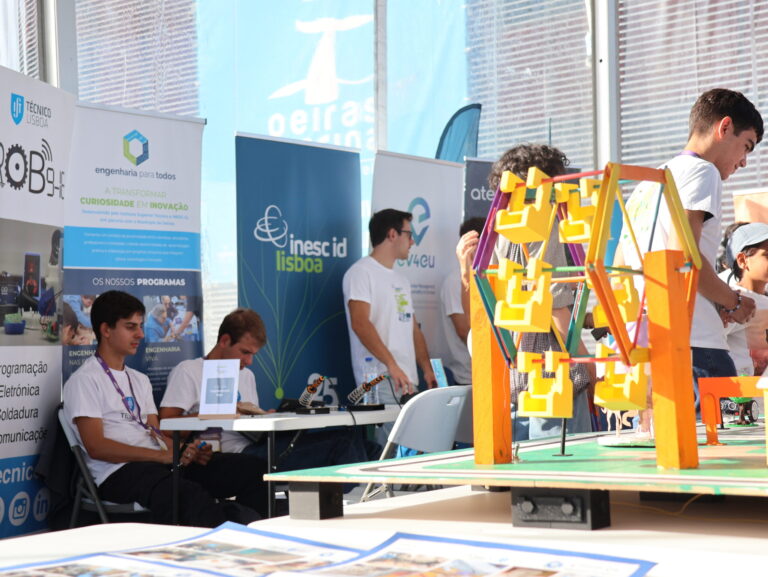
    A hundred teachers from all around the country gathered on the ground floor of Técnico Oeiras last weekend, October 25-26, as the Science on Stage National Festival 2025 took place! 

     The event was organised by NUCLIO – Núcleo Interativo de Astronomia e Inovação em Educação, with the support of Engenharia para Todos project, a collaboration between INESC-ID and Instituto Superior Técnico (IST), and the Oeiras Municipality. 

    The teachers, from pre-school to high school education and various STEM subjects, shared innovative practices in teaching and science, promoted new ideas, and also networked with other participants, with the prospect of future collaborations. Of the total 26 projects presented, 7 were selected to represent Portugal at the European Science on Stage Festival 2026, which will take place in Lithuania, in May 2026.  

    Besides presentations, there were also plenty of hands-on workshops for all families and participants attending the festival. Engenharia para Todos, had a display of its own, through a promotional video showing activities and projects developed in schools and within the community. Its work highlights, once more, how a creative, experimental and inclusive approach can bring engineering and technology closer to all audiences. 

    Among the participants, were the Oeiras City Councillor Pedro Patacho; the Director of the Department of Education, Maria Paula Rodrigues; and Maria José Amandio from the Science and Innovation Office of Oeiras Municipality.

  • INESC‑ID Annual Meeting 2025: Year in review, showcasing excellence and a Town Hall

    INESC‑ID Annual Meeting 2025: Year in review, showcasing excellence and a Town Hall

    After a two‑year hiatus, in which the annual meeting was held jointly with INOV and INESC MN under the INESC Lisboa initiative, INESC-ID returned to hosting its own dedicated gathering. 

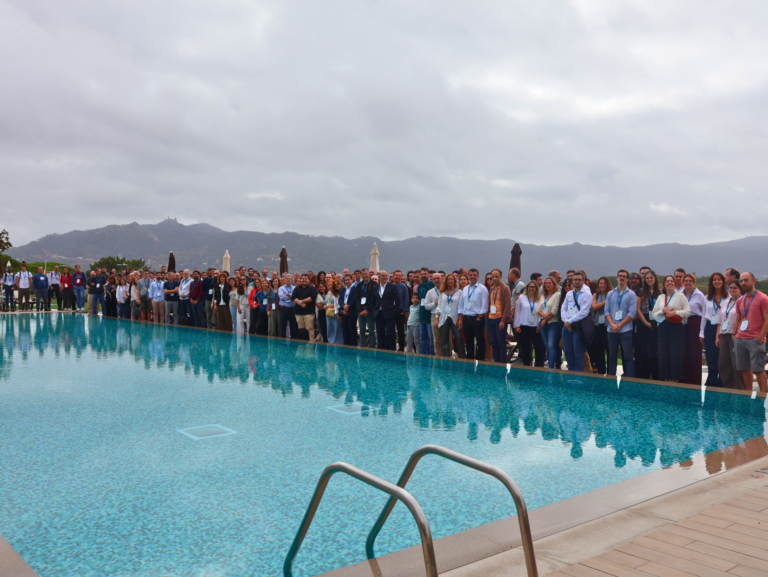
    This year’s venue was Vila Galé Sintra, on an autumn day shrouded in the region’s characteristic fog, which gradually revealed  Palácio da Pena atop the hill and the historical town of Sintra below. With a record participation of nearly 200 members, the meeting took place on October 23 in this symbolic setting, associated for centuries with moments of retreat and reflection. 

    “I enjoyed seeing all of INESC-ID at the same venue , which is a rare sight and a first time for me. It gave me a more complete perspective of how many research projects there are.” PhD student

    Institutional overview, support teams in the spotlight, and a thought-provoking talk 

    Inês Lynce, President of the Board of Directors, opened the first session of the day, stepping in for Executive Committee Director Miguel Pupo Correia, who was away on professional duties in the U.S. She was joined by Executive Director João Paulo Carvalho, who presented a profile of the INESC-ID community, including upcoming infrastructure plans and challenges. He was followed by fellow Executive Director Nuno Roma, who offered a detailed account of the institute’s current financial situation. 

    Next came a session dedicated to INESC-ID’s support offices, with brief presentations from the teams who, often behind the scenes, play a vital role in the institute’s daily life. Executive Director Helena Galhardas spoke for Administrative Support and Technological Infrastructures, followed by Elisabete Rodrigues and Sandra Sá (Board Support), Vanda Fidalgo (Human Resources), Sílvia Castro (Innovation Management), Sandra Aresta (Knowledge Transfer), and Rodrigo Abril de Abreu (Communications and Outreach).

    The morning concluded with an inspiring talk by guest speaker João Rocha, Full Professor of Chemistry at the University of Aveiro and current Coordinator of the Council of Associated Laboratories. He reflected on the functional model of CICECO – Aveiro Institute of Materials, which he led from 2002 to 2021, the role of fundamental research in national development, and the challenges of large-scale scientific coordination. The session ended on a lively note with an open exchange of questions from the audience. 

    European projects, research on the walls, and a new format for dialogue 

    The afternoon began with a presentation by researcher Hugo Morais, from the Sustainable Power Systems scientific area, on his extensive experience with European projects. Together with his team (Rita Nunes, Mariana Carmo, and Cindy Gusman), he shared the structure they have developed over the years, with a strong track record in securing European funding, offering practical advice, strategies, and lessons learned for those looking to follow a similar path. The session aimed to inspire other researchers to join this European research ecosystem. 

    Mid-afternoon, alongside a coffee break dedicated to conversation, reconnection and networking, came the PhD Students’ Poster Session. Transforming the event walls into a showcase, the exhibition featured one poster selected by each Scientific Area coordinator, highlighting the diversity and quality of research underway at INESC-ID. This session also marked the second part of the 2nd Annual Meeting of INESC-ID PhD Students, whose first segment took place in September, and reinforced the active role of students in the institute’s life. 

    The closing session, led by Luís Oliveira e Silva, introduced a new format: the Town Hall an open conversation between the Board of Directors and the INESC-ID community, held in a Q&A format. The directors addressed questions posed primarily by PhD students, who represented around one-third of participants this year, on topics ranging from the institute’s visibility and student recruitment strategies, to support during and after the PhD journey. This final moment promoted transparency, feedback, and collective reflection on the future of the institute. 

    © 2025 INESC-ID
    Images: © 2025 INESC-ID

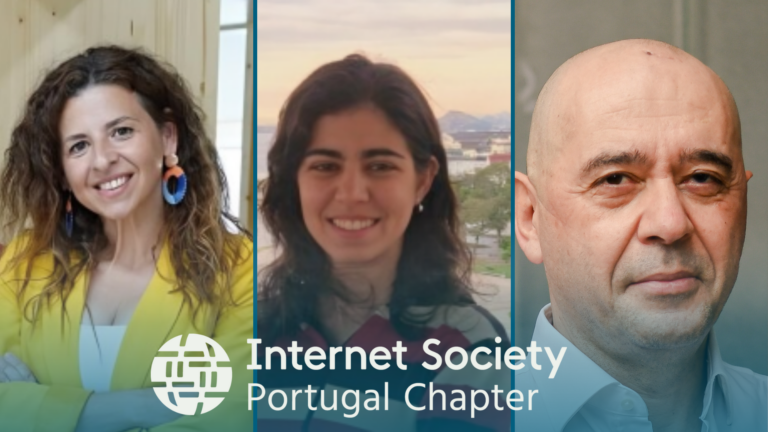
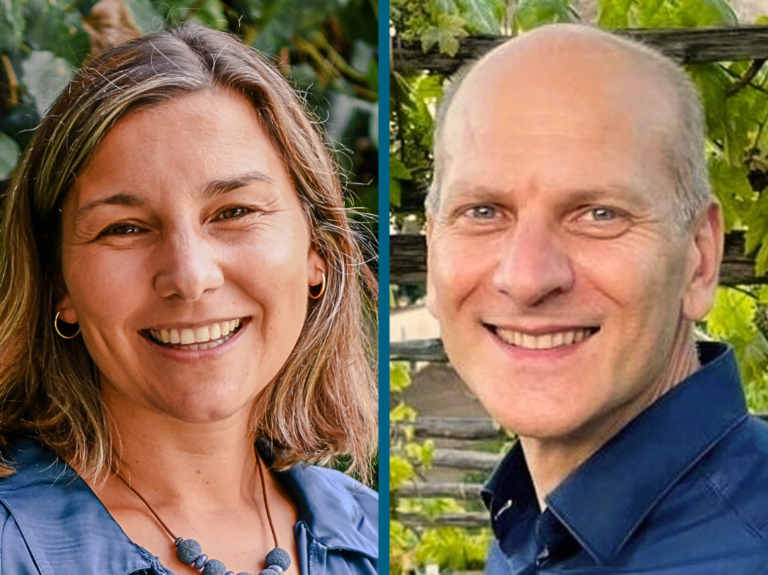
  • Paula Carvalho, Danielle Caled and Mário Silva win “Best Portuguese Internet Research” Award 2025 by the Internet Society

    Paula Carvalho, Danielle Caled and Mário Silva win “Best Portuguese Internet Research” Award 2025 by the Internet Society

    The paper “The Thin Line Between Conspiracy Theories and Opinion: Why Humans and AI Struggle to Differentiate Them”, developed by INESC-ID, has recently won the “Best Portuguese Internet Research” Award of the Internet Society. The paper is authored by Paula Carvalho, now at Universidade de Aveiro, Danielle Caled, who completed her PhD at INESC-ID, and Mário Silva, researcher in INESC-ID’s Information and Decision Support Systems scientific area.

    The study gathered articles from the Portuguese blogosphere and analysed them by both humans and automated systems. It aimed to highlight the difficulty of telling conspiracy from opinion pieces and to deepen the understanding of credibility perception. Furthermore, it provides valuable insights for developing tools to distinguish the two categories and critically assess conspiracy theories.

    The “Best Portuguese Internet Research” of the Internet Society 2025 Award is an initiative of the Portugal Chapter of the Internet Society (isoc.pt). It aims to promote and reward the best results of research, carried out in Portugal, with relevance and potential future impact on the evolution of the Internet, in line with the goals of the Internet Society.

  • In the Media: Inês Lynce’s role at record-breaking ECAI 2025 featured in Il Mattino

    In the Media: Inês Lynce’s role at record-breaking ECAI 2025 featured in Il Mattino

    According to Il Mattino, one of the main Italian newspapers, this year’s European Conference on Artificial Intelligence (ECAI 2025),  one of the most prestigious international AI conferences, being held in Bologna from October 25 to 30, has set attendance and submission records. 

    The article highlights the scientific leadership of Aniello Murano, Professor of Computer Science at the University of Naples, and Inês Lynce, INESC-ID researcher, President of the Board of Directors, and Professor at Instituto Superior Técnico, who together are co-chairing the conference’s Program Committee. Selected through a rigorous international process, their leadership is credited with making this 28th edition the largest in ECAI’s history. 

    According to the piece, ECAI 2025 has seen a 20% increase in paper submissions (now double the number from 2023), 2500 participants, and over 2500 expert reviewers, nominated under Lynce and Murano’s coordination. 

    The program is described as a “map of the future of Artificial Intelligence,” featuring over 700 papers, 60 workshops, and 20 tutorials on topics ranging from machine learning and robotics to natural language processing and multi-agent systems. 

    Read more in Il Mattino’s full article on ECAI 2025 here. 

  • INESC-ID Researchers among Stanford Elsevier’s World’s Top 2% Most Influential Scientists in 2024

    INESC-ID Researchers among Stanford Elsevier’s World’s Top 2% Most Influential Scientists in 2024

    Stanford has released the Stanford/Elsevier Top 2% Scientists List 2025, which feature 20 INESC-ID researchers, among the most cited scientists in the world.

    This annual recognition comprises two lists naming top scientists, doctors, engineers, and mathematicians, among 200 thousand people, one referring to the 2024 most influential scientists and the other focusing on a career-long impact. The lists are compiled by Stanford University (USA) and published by Elsevier. Eligible individuals are classified in 22 scientific fields and 174 subfields, based on data from Scopus.

    INESC-ID’s most influential scientists in 2024 (12):

    INESC-ID scientists included in the career-long database (16):

    More about last year INESC ID awardees list.

  • Rain or shine, INESC-ID brought science to the European Researchers’ Night

    Rain or shine, INESC-ID brought science to the European Researchers’ Night

    Not even the threat of tropical cyclone Gabrielle discouraged the hundreds of families and curious visitors who filled the Marina of Oeiras for another edition of the European Researchers’ Night (NEI). And last Friday, September 26, brought its reward: the announced storm turned into a perfect autumn afternoon and evening. Once again, the marina became a stage for live science, with more than 35 institutions, interactive experiments, games, conversations, and performances for all ages. 

    For the second year in a row, INESC-ID took part in the event with a sea-view booth – part of a series of science outreach efforts coordinated by the Communications and Outreach Office. We were in great company, alongside colleagues from CERENA (also part of the Instituto Superior Técnico associated institutes community) and several other institutions.  

    Exploring Electric Mobility 

    Starting the first shift of the day, our booth featured the EV4EU and Aliança para a Transição Energética (ATE) projects, the latter being a key pillar of Portugal’s Recovery and Resilience Plan (PRR). Students Guilherme Pereira and Marcelo Braço Forte, from the Sustainable Power Systems scientific area, led the activity with an interactive quiz, challenging visitors and offering the chance to win a mini electric vehicle kit. 

     Serious Games for Psoriatic Arthritis Rehabilitation 

    As the sun went down, the baton was passed to returning volunteers Bárbara Ramalho from Graphics and Interaction (HUMAN Lab) and Samuel Gomes from GAIPS, joined by newcomers Rodolfo Costa and Filipa Magalhães. Together, they showcased the latest version of the game iPROLEPSIS, inviting the public to play and respond to questionnaires while explaining how the tasks were designed to train movements often affected by psoriatic arthritis. 

     Engineering for Everyone 

    Our booth’s second table was dedicated to the Engenharia para Todos project – a joint initiative by INESC-ID and Instituto Superior Técnico, with support from the Oeiras Municipality. This project embodies the spirit of this year’s edition by actively engaging children, public schools, and local communities in hands-on science and technology. Presented by coordinator Maria João Verdasca, and scholarship students Afonso Gonçalves and Martim Jesus, dozens of children had the chance to learn how to solder electronic components to build mini rockets. 

    Right in front, students from the C4 Science Club at Agrupamento de Escolas de Carnaxide — who developed their Smart City project throughout the year with support from Engenharia para Todos — proudly presented their city, built from 3D modelling and printing to Arduino programming. 

    At the end of the night, with all booths already packed away, only one small future scientist remained, determined and focused, finishing the last soldering points on her rocket. We waited patiently, watching her with quiet satisfaction. Only then, in a moment of silent complicity, did we unplug the soldering iron and close our participation.

    Held every year on the last Friday of September, the European Researchers’ Night brings science to the streets with hundreds of free events across Europe. This year’s edition in Oeiras, part of the EU-EMBRACES project, was coordinated by ITQB NOVA in partnership with the Oeiras Municipality.


    Published by the INESC-ID Communications and Outreach Office
    © 2025 INESC-ID. Credit INESC-ID, with a link to the original source, when sharing or adapting this article.

    Images | © 2025 INESC-ID

  • On the Road to a Connected Community: INESC-ID PhD Students have their #2 Annual Meeting

    On the Road to a Connected Community: INESC-ID PhD Students have their #2 Annual Meeting

    After a very successful first edition in 2024, the INESC-ID PhD Student Community dedicated the morning of September 24 to their second Annual Meeting, in a room packed with almost fifty people and many activities prompting discussion of relevant themes and mingling between the students.

    Bright and early, students began arriving before nine o’clock for registration, where they received a goodie bag and a number for random seating at the tables. While more and more people arrived, coffee was available for anyone who needed some extra energy for the busy morning ahead.

    The first session was an institutional presentation by board member, Helena Galhardas, with an overview of INESC-ID. It was followed by the Head of Communications and Outreach Office (COO), Rodrigo Abril de Abreu presenting the office and PhD volunteer, Carolina Carreira, who introduced the Volunteer Team, the growing community of PhD students and the initiatives carried out so far. To close the Introduction, PhD volunteer Daniel Gonçalves presented the Onboarding Guide, which has been developed over the last months and will be available to every newcomer.

    “Who here loves 9 am meetings?” “Who has read a book this year?”, these were just two of the many questions asked during the ice breaker, moderated by PhD Volunteer Inês Conceição. Organised as a bingo game, students were divided into eight groups and given cards with various affirmations regarding both their personal and professional life, each to be crossed out if, at least, one person in the group related to it. This encouraged conversation among the students, and the two winning teams were awarded a thematic prize in the end.

    After being acquainted with each other, and similar to the previous year, Daniel Gonçalves gathered students to discuss and come up with questions to fit into four categories, Academia, Industry, Entrepreneurship and General/Doctoral Path. After writing and voting on the most burning question of every topic, these were posed to 5 guest speakers, Rui Henriques, Guilherme Paim, Zita Marinho, Luís Fiolhais and Diogo Rato, in a panel moderated by Carolina Carreira. In a light-hearted fashion and with some nostalgic recollections, the speakers candidly shared their own experience as PhD students, what they would’ve done differently, whether nothing at all or all of it, and provided valuable advice for their successors.

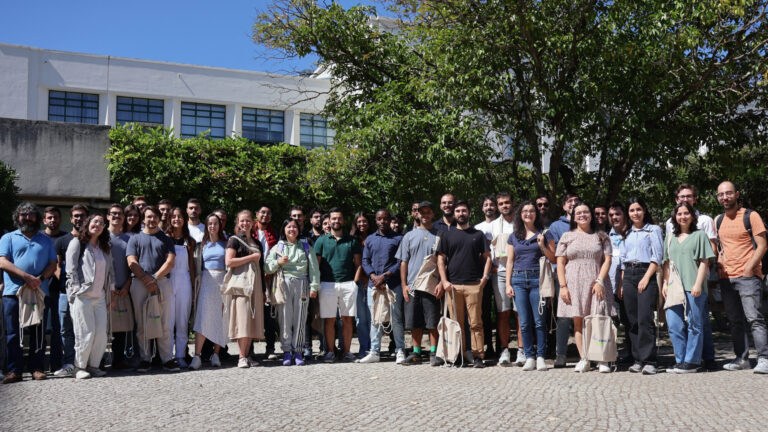
    By the end of the panel, the attendees made their way outside for a group picture and, finally, lunch, during which many took the chance to further talk with the speakers and to get to know each other better.

    This meeting marks a significant milestone in the journey to build a supportive community and promote collaboration among students. Besides allowing current students to connect with each other, the date, strategically set in September, also allowed the meeting to serve as a welcome moment for newcomers. It complements the INESC-ID PhD Students Meetups, informal gatherings designed to support and connect our doctoral researchers. Created by the INESC-ID Communications and Outreach Office, the series offers space for community building, peer exchange, personal and professional growth, and insight into the wider opportunities of the PhD journey.


    Images | © 2025 INESC-ID