Category: Research Highlights

  • CIMPLE: Countering Creative Information Manipulation with Explainable AI

    CIMPLE: Countering Creative Information Manipulation with Explainable AI

    What’s the role that Artificial Intelligence can play in fighting misinformation?

    CIMPLE project aims to research and develop innovative social and knowledge driven creative AI
    explanations, and testing it in the domain of detection and tracking of manipulated information, while
    taking into account social, psychological, and technical explainability needs and requirements.

    “Our domain is the manipulation of information that we see on social media, in the news… it is about
    the dissemination of information or news that is factually wrong because it does not tell the truth or it has been manipulated, misleading the public”, mentioned  Sofia Pinto, the INESC-ID Researcher involved in the project.

    The CIMPLE project is all about Explainable Artificial Intelligence (XAI) requirements related to AI-driven misinformation detection, XAI by design using Knowledge Graphs and XAI models for detecting
    information manipulation. The Researchers involved aim to be able to generate creative and engaging
    explainability visualisations and personalize XAI to end-users skills and topic affinity.


    “INESC-ID’s role is to look for ways to explain the manipulation of information, in a way that the interlocutor has the ability to listen and to question himself. It is more than just presenting facts, as it is very difficult to convince someone else who believes something otherwise. And this is where creativity comes in. We are going to work on this explanation of manipulation using computational creativity to attract people’s attention, so that they can visualize where there was manipulation and so that they can reach to their own conclusions”, adds the researcher.


    Explainability is of significant importance in the move towards trusted, responsible and ethical AI, yet
    remains in its infancy. Most relevant efforts focus on the increased transparency of AI model design and
    training data, and on statistics-based interpretations of resulting decisions (interpretability).
    Explainability considers how AI can be understood by human users. The understandability of such
    explanations and their suitability to particular users and application domains received very little
    attention so far. Hence there is a need for an interdisciplinary and drastic evolution in XAI methods.

    CIMPLE will draw on models of human creativity, both in manipulating and understanding information,
    to design more understandable, reconfigurable and personalisable explanations. Human factors are key
    determinants of the success of relevant AI models. In some contexts, such as misinformation detection,
    existing XAI technical explainability methods do not suffice as the complexity of the domain and the
    variety of relevant social and psychological factors can heavily influence users’ trust in derived
    explanations.

    Past research has shown that presenting users with true / false credibility decisions is inadequate and
    ineffective, particularly when a black-box algorithm is used. Knowledge Graphs offer significant potential to better structure the core of AI models, using semantic representations when producing explanations for their decisions. By capturing the context and application domain in a granular manner, such graphs offer a much needed semantic layer that is currently missing from typical brute-force machine learning approaches.

    To this end, CIMPLE aims to experiment with innovative social and knowledge driven AI explanations,
    and to use computational creativity techniques to generate powerful, engaging, and easily and quickly
    understandable explanations of rather complex AI decisions and behavior. These explanations will be tested in the domain of detection and tracking of manipulated information, taking into account social,
    psychological and technical explainability needs and requirements.


    The Project is a Partnership between INESC-ID, EUROCOM (Paris, France), The Open University (UK),
    University of Economics and Business (Prague, Czech Republic) and WebLyzard technology, WLT
    (Vienna, Austria).

    CIMPLE was one of the CHIST-ERA projects approved under the 2019 call “Explainable Machine
    Learning-based Artificial Intelligence”.

    CHIST-ERA is a network of funding organisations in Europe and beyond supporting long term research on digital technologies with a high potential impact. It selects every year two new topics of emerging
    importance and launches a call for transnational research projects on these topics.

  • INESC-ID researchers are among the best scientists in the world in the field of Computer Science

    INESC-ID researchers are among the best scientists in the world in the field of Computer Science

    5 INESC-ID researchers are among the world’s top computer scientists, according to the 7th edition of Top Scientists Ranking for Computer Science & Electronics, released by Guide2Research. Once again, the highest number of Portuguese scientists is affiliated with Instituto Superior Técnico.

    Among the 24 Portuguese computer scientists affiliated with national institutions are 5 INESC-ID reseachers: Ana Paiva, Joaquim Jorge, Luís Rodrigues, Francisco C. Santos and Leonel Sousa. In the list we found another 6 Portuguese scientists affiliated with Instituto Superior Técnico: José Bioucas Dias (IT), Mário Figueiredo (IT), António Pascoal (ISR-Lisboa), José Santos- Victor (ISR-Lisboa),  Fernando Pereira (IT), José Rui Figueira (CEG-IST),

    The list also includes four Técnico alumni: professors Manuela Veloso (Carnegie Mellon University- CMU), José MFMoura (CMU), Pedro Domingos (University of Washington) and João Marques-Silva (Institut Recherche en Informatique de Toulouse).

    The first position of this year’s edition is held by professor Anil K. Jain (Michigan State University). Professors Yoshua Bengio (Université de Montréal) and Herbet Simon (CMU), hold the second and third position respectively.

    Position in the ranking is based on each scientist’s influential contributions based on their h-index from Google Scholar. The h-index threshold for accepting a scientist to be examined is set to 40 provided that most of their publications are in the area of computer science and indexed in DBLP.

    Guide2Research is one of the leading portals for computer science research providing trusted data on scientific contributions since 2015.

    The list aims to highlight the major contributions on Computer Science and Electronics and to inspire researchers, entrepreneurs and decision-makers around the world.

    Source: Adapted from Instituto Superior Técnico

  • SparCity: the new collaborative project to create a supercomputing framework

    SparCity: the new collaborative project to create a supercomputing framework

    SparCity, a new EuroHPC Joint Undertaking project, was launched.

    The project aims to build a sustainable exascale ecosystem and increasing Europe’s competitiveness.

    The project involves six player organisations in the area of high-performance computing from Portugal, Germany, Norway and Turkey.

    Recently funded by the European High Performance Computing Joint Undertaking (EuroHPC JU), the highly ranked SparCity just launched. With three years of duration and a total budget of 2.6M€, this collaborative project between 6 partners in 4 countries aims to build a sustainable exascale ecosystem and increase Europe’s competitiveness.

    The main goal of SparCity is to create a supercomputing framework that will provide efficient algorithms and coherent tools specifically designed for maximising the performance and energy efficiency of sparse computations on emerging High Performance Computing systems, while also opening up new usage areas for sparse computations in data analytics and deep learning.

    “When talking about sparse computations, people think of scientific applications, finite element methods, mesh computation, etc. However, this project will also open up new usage areas for sparse computation, including data analytics and deep learning. That is why it is a very impactful project.” says Dr Didem Unat, the coordinator of SparCity at Koç University.

    To demonstrate the effectiveness, societal impact, and usability of the framework, the SparCity project will enhance the computing scale and energy efficiency of four challenging real-life applications that come from drastically different domains, namely, computational cardiology, social networks, bioinformatics and autonomous driving. By targeting this collection of challenging applications, SparCity will develop world-class, extreme-scale and energy-efficient HPC technologies.

    SparCity involves partnerships with Sabanci Universitesi (Turkey), Simula Research Laboratory (Norway), INESC-ID (Portugal), Ludwig-Maximilians-Universitaet Muenchen (Germany) and Graphcore (Norway), with the coordination of Koç University (Turkey).

    “For INESC-ID, SparCity will leverage the efforts on the European low power processing technologies (in particular the European Processor Initiative) and contribute to the realisation of future exascale system architectures based on such technologies” says Prof. Leonel Sousa, Full Professor of the Electrical and Computer Engineering Department of Instituto Superior Técnico, University of Lisbon, and Senior Researcher of the High-Performance Computer Architectures and Systems Research Group.

    “It is thus a great opportunity for researchers at Simula to collaborate with internationally leading experts, through these EuroHPC projects, to bring innovative use of HPC to real-world applications.” says Professor Xing Cai, head of the High Performance Computing department at Simula.

    This is an excellent chance for my team at Sabancı University to share our expertise on HPC and work with great researchers on a challenging project which will hopefully change the way we handle extreme-scale problems using sparse data.” says Dr. Kamer Kaya, from Sabancı University.

    Graphcore is committed to enabling next-generation techniques in AI compute, including innovative approaches to sparsity. Putting new hardware and software tools into the hands of researchers through the SparCity initiative will drive a virtuous cycle of discovery and deployment throughout Europe.” says says Ola Tørudbakken, GM & SVP Systems at Graphcore.

    Read more about SparCity here: http://sparcity.eu/

  • INESC-ID researcher Luis M. Correia honored with the 2021 EurAAP Propagation Award

    INESC-ID researcher Luis M. Correia honored with the 2021 EurAAP Propagation Award

    The EurAAP (European Association on Antennas and Propagation) recognised Luis M. Correia with the 2021 EurAAP Propagation Award “for leadership in the field of propagation for wireless and mobile communications”

    Luis M. Correia specific area of work involves the development of models for the propagation of signals so that one can properly estimate coverage and interference, and in addition to that, the researcher ended up leading the development of projects, conferences and other activities.  One of the key areas has been the leadership in a number of international projects and working groups that resulted in models and recommendations taken by international standardisation bodies and others.

    Luis M. Correia mentioned  “It’s always a pleasure and an honour for anyone to receive a professional award, namely when it’s given by your peers, since it means recognition at the highest level.  I’ve been working in the area of mobile and wireless communications since I graduated with the Ph.D., being involved in many initiatives worldwide, namely at the European level, so receiving this international award is really a very rewarding achievement”.

    “I’ve been involved in international activities for 30 years, taking the lead in a number of projects and other initiatives, so this award means that colleagues worldwide recognised my contributions and leadership in research and development in my area of work.  From my viewpoint, leadership is about planning work in advance, listening to your colleagues and collaborators, and then taking decisions based on sound and rational arguments that are explained to all of those that are involved, so I take it that this award means that I’ve the right perspective” the researcher said.

    Luis M. Correia also emphasizes “Such an award is never a “one man show”, so I have to share it with the many colleagues, collaborators and students that have worked with me along all these years”.

    About EurAAP

    EurAAP is an international technical/scientific/educational association, with activities involving antennas and propagation applied to all areas of telecommunications.  It is one of the largest associations of its kind at the international level, having EuCAP (European Conference on Antennas and Propagation) as one of its key initiatives, with around 1 500 people attending the conference annually.  Its membership includes people from all communities working in the area, from academia to industry, encompassing students at all levels and many other engineers and technicians.

    EurAAP, the European Association on Antennas and Propagation, was created in the frame of the European Network of Excellence “ACE – Antenna Centre of Excellence”, as the point of reference of the European Antenna and Propagation scientific community.

  • EPEEC Partners BSC and INESC-ID Improve Multi-Device Performance of OmpSs2@OpenACC

    EPEEC Partners BSC and INESC-ID Improve Multi-Device Performance of OmpSs2@OpenACC

    In the context of the EPEEC project, a research team from the Barcelona Supercomputer Center (BSC) has developed in close collaboration with a team from INESC-ID a new programming tool that significantly eases the development of programs running on multi-GPU (Graphics Processing Unit) systems. By simply adding OpenACC directives, tasks are dynamically assigned to different GPUs by the BSC’s runtime system, while minimizing data transfers between devices.


    More info at the project website: https://epeec-project.eu/media/news/epeec-partners-bsc-and-inesc-id-improve-multi-device-performance-ompss2openacc

  • Project to detect COVID-19 from coughs and speech

    Project to detect COVID-19 from coughs and speech

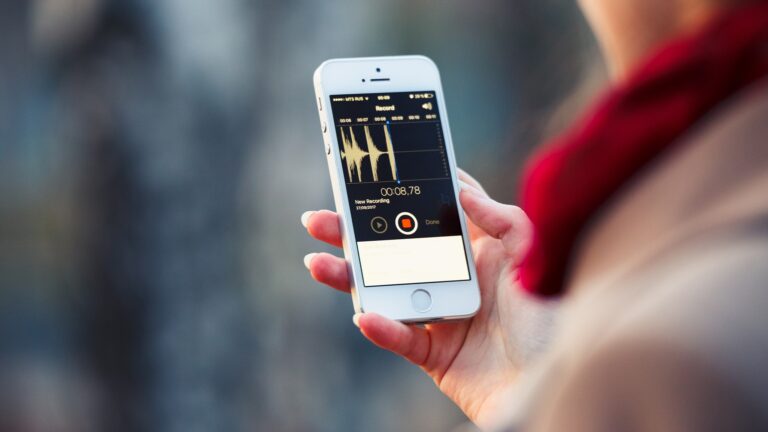
    What if it was possible to detect whether someone has COVID-19 or not, just from the sounds of their coughing or talking? It sounds like science fiction, but it may soon come true. This is the goal of the project “Detecção de COVID-19 a partir de tosse e fala” (“COVID-19 detection from coughs and speech”), developed by a team of researchers from Instituto Superior Técnico and INESC-ID.

    Using Artificial Intelligence (AI) technologies, the project aims to develop a robust system that helps to identify who is infected with the SARS-CoV-2 virus, through recorded voice and cough. “The main purpose of this project is to be one more clue that can indicate the disease or even be combined with other biomarkers”, highlights the project coordinator, professor Isabel Trancoso, who is also Técnico professor (Department of Electrical and Computer Engineering – DEEC) and INESC-ID researcher.

    Although not yet conclusive, the research carried out around this topic is already getting some exciting answers. Several articles published on the subject suggest the hypothesis that even asymptomatic patients reveal changes in their voice, due to the impact of the virus on the lungs and vocal cords, showing slight differences when compared with a healthy person. Although this difference is not decipherable to the human ear, an AI model may be able to detect it.

    RT-PCR testing is the mainstay in diagnosing COVID-19, and more recently, antigen tests. There are several disadvantages associated with this testing protocol, namely delayed results, due to the increased workload in laboratories and the huge demand. Consequently, there is a growing interest in developing a cheap, immediate and easy to use system that allows to optimize the testing process. This project was created to follow this need and to take advantage of the solid knowledge that already exists about the potential of speech as a biomarker for health, strongly based on AI methods.


    Analyzing speech patterns can help diagnose diseases

    Speaking requires the coordination of numerous anatomical structures and systems. The lungs send air through the vocal cords, which produce sounds that are shaped by the tongue, lips and nasal cavities, among other structures. The brain, along with other parts of the nervous system, helps to regulate all these processes and determine the words someone is saying. A disease that affects any one of these systems might leave diagnostic clues in a patient’s speech.

    The Técnico professor explains “the potential of speech as a biomarker for health has already been identified for diseases that affect respiratory organs, such as simple cold, or sleep apnea; for mental disorders, such as depression, bipolar disorder, autism spectrum; and for neurodegenerative diseases such as Parkinson’s disease, Alzheimer’s disease, Huntington’s disease; or amyotrophic lateral sclerosis, among many other diseases”. Over the past decade, scientists have used machine learning systems to identify potential vocal biomarkers for a wide variety of these clinical conditions.

    The idea for this project comes up right at the beginning of the first lockdown. “Our experience with these diseases clearly pointed to the need to make a great effort to collect an extensive sound data related with COVID-19”, says professor Isabel Trancoso.

    A similar project, carried out by a team of researchers at the University of Cambridge, explored the use of traditional acoustic clues (cepstral coefficients, energy, fundamental frequency, etc.) and clues obtained through transfer learning techniques using neural networks, along with different classifiers for COVID-19 detection. The developed models for COVID-19 detection show that the performance is close 80%, even in users who tested negative for COVID-19, but who also had cough due to cold or asthma.

    According to the INESC-ID researcher, “the results of the various research works on this topic are very promising, but there are still many areas left unexplored”.


    The importance of the community in this project

    The first phase of the project is to collect an extensive dataset with representative examples of speech and simulated coughs and snores from both COVID-19 positive (symptomatic and asymptomatic) and negative individuals (ideally including also participants with respiratory conditions other than COVID-19, such as flu, cold, asthma, etc.).

    These data will be crucial for the development and success of the project, and for this reason the participation of community is essential and warmly appreciated. The challenge of participating in this study extends to the whole society.

    To participate, just follow this link (where you can find the informed consent form), or use the QR code available here.

    The participants will have to supply an audio recording of their cough and snoring, as well as speech – sustained vowel, reading a short text, free description of an image. In addition, participants just need to provide some personal data, namely demographic data – age, sex, mother tongue; health data – date and result of the COVID test (for those who were already tested), symptoms in the last 15 days, chronic diseases or chronic medical conditions, voice disorders. All necessary measures will be taken to ensure the security and anonymity of the data collected.

    After the necessary data is collected, the research team will use signal processing and machine learning techniques to assess the presence of biomarkers indicative of COVID-19 in coughs and speech, and to develop robust systems for the detection of COVID-19. Once properly tested, these systems can be easily deployed as a web tool and/or a mobile application.


    An important screening tool

    The research team do not intend to develop a clinical diagnostic test, but rather a complementary and low-cost test – a simple screening tool – using non-intrusive techniques and whose use does not depend on health professionals. In the future, the effective implementation of this screening tool may be essential to curb the spread of COVID-19 pandemic if, for example, it is used at the entrance of schools or companies/institutions.

    The data collected in this study will also allow to continue studying other diseases that affect the respiratory system. “It is extremely important to have a volume of data that allows us to carry out this study”, stresses professor Isabel Trancoso.

    “My vision is that collecting speech samples will become as common as a blood test”, says the INESC-ID researcher. “It is a ubiquitous signal and can be collected in a non-invasive way, both in person and by teleconsultations”, she stresses.


    Source: Instituto Superior Técnico


  • Artificial Intelligence for COVID-19 chest X-ray diagnosis

    Artificial Intelligence for COVID-19 chest X-ray diagnosis

    The DeepPathCOVIDx project will allow to develop of a solution that will assist healthcare professionals in the analysis of chest X-ray images.

    A team of researchers from Técnico and INESC-ID, in collaboration with Hospital da Luz Learning Health, is developing a solution consisting of AI models for the analysis of chest radiography of patients suspected of having COVID-19, in an emergency context.

    Besides causing cough, fever and fatigue, the SARS-CoV-2 virus can cause acute upper tract infection. Identifying these clinical cases and prevent worsening clinical conditions is crucial to reduce pandemic deaths. Conventional chest radiography allows the assessment of infection and, consequently, the strategy of monitoring and treating the patient. Chest X-rays can also be used as a complementary diagnostic method, although they are not part of the official protocol.

    Thus, the creation of AI models to identify radiological characteristics of COVID-19 in chest X-ray images allows, together with other clinical information, to help in the decision-making for suspected cases of COVID-19, being an important and useful tool to support the work of healthcare professionals. “The main purpose of this tool is to be able to detect, autonomously, and with a high degree of certainty, COVID-19 on chest X-rays and how severe the disease is”, explains Arlindo Oliveira, Técnico professor and Principal Investigator of the project.

    This tool aims to optimize the work of radiologists, identifying and prioritizing the x-rays of suspected COVID-19 patients in the work list, to assist doctors in an emergency context when radiologists are not available, with a tool for analyzing radiographs, and to increase efficiency in an emergency context, facilitating professionals’ decision making.

    The system is currently being tested “with data from Hospital da Luz and Hospital Beatriz Ângelo”, shares by professor Arlindo Oliveira. “The data provided by our partners will allow us to test the accuracy of the model. If we succeed, it will be included in hospital admissions”, explains professor Arlindo Oliveira.

    The project’s feasibility study should be completed in a few months. The next phase will go through the implementation of the tool in a hospital. Although this phase no longer relies on the research team, professor Arlindo Oliveira believes that “it may be operational a few months after the demonstration is finished”.

    The multidisciplinary team consists of Técnico/INESC-ID researchers in the fields of machine learning and artificial intelligence, radiologists, ER doctors at Hospital da Luz Lisboa and Hospital Beatriz Ângelo, human factors and ergonomics experts, information systems experts and managers. DeepPathCOVIDx was one of the projects funded bythe Portugal 2020 programme. The results will be announced in the first half of this year.

    According to professor Arlindo Oliveira “the collaboration between engineering and medicine is always very fruitful and will play an essential role in medical advances”.


    Source: Técnico

  • Nine INESC-ID researchers are among the most cited top scientists in the world

    Nine INESC-ID researchers are among the most cited top scientists in the world

    Nine INESC-ID researchers are among the most cited top scientists at the top 2% of their respective areas.

    Portugal is represented in this list compiled by Stanford University with 385 scientists affiliated to several national institutions.

    The rankings are based upon a researcher’s citations for both a single year (2019) and cumulative across their careers. Titled “Updated science-wide author databases of standardized citation indicators,” the list uses algorithms that quantify and systematically rank individuals into consistent scientific fields.

    The scores are provided both with and without self-citations to lessen the impact of researchers employing extreme self-citations or the use of citation farms (small clusters of researchers massively citing each other’s work).

    Ranked within the careerlong citation impact list are these INESC-ID researchers:

    The article and list of leading scientists can be consulted at: https://journals.plos.org/plosbiology/article?id=10.1371/journal.pbio.3000918

  • INESC-ID President Inês Lynce is also the new National Co-Director of CMU Portugal Program

    INESC-ID President Inês Lynce is also the new National Co-Director of CMU Portugal Program

    Inês Lynce was appointed on January 27th as co-director of the CMU Portugal Program by Fundação para a Ciência e Tecnologia (FCT). The Associate Professor with habilitation at Instituto Superior Técnico and Presidente of INESC-ID assumes the national co-direction of the international partnership alongside Nuno Nunes, replacing Rodrigo Rodrigues who has been in office since the renewal of the Program in 2018.

    According to the newly appointed co-director, “It is with great pleasure and some expectation that I assume this position. I have been connected to the CMU Portugal Program for several years as a researcher, having already belonged to the team of several projects supported under the Program. Now the commitment will be entirely different and focused on helping the partnership to achieve its strategic goals by 2023 ”. “Personally, I am honored to have been appointed to this position and join such a prestigious and dynamic team with remarkable results achieved in recent years,” she says.

    Inês Lynce, who will be the first woman to lead the CMU Portugal Program, is highly recognized for her work in the field of Artificial Intelligence, namely in the area of ​​problem solving with restrictions and optimization. Her main contributions refer to the development of algorithms and computational tools and their application to solve practical problems as diverse as developing timetables in universities, software package upgradability, the functioning of biological networks and the automatic creation of programming code from examples.

    Since 2021, she has been a member of the Editorial Board of the prestigious scientific magazine “Journal of Artificial Intelligence Research” and is a recurring member of international conferences committees on Artificial Intelligence. This year she will be also part of the “Women in Science” initiative, promoted by Ciência Viva, the National Agency for Scientific and Technological Culture.

    Inês Lynce is also the President of INESC ID, the Portuguese research center for combined Computer Science/Engineering (CSE) and Electrical and Computer Engineering (ECE), a role she assumed last year and where she already was a senior researcher.

  • HeartGenetics: A new big step

    HeartGenetics: A new big step

    INESC-ID’s startup HeartGenetics – Genetics and Biotechnology, S.A. was recently acquired by ImpactLab, the largest genetic laboratory provider in Italy in oncology and pre-/post-natal genetic testing. By being part of ImpactLab group, HeartGenetics will be able to continue its expansion in the B2B business model and broaden the online business in Spain, Italy and South America.
    Our researcher Ana Teresa Freitas, CEO and co-founder of HeartGenetics, will continue to serve as CEO of the company and will support the development of the Company and its integration with the ImpactLab group.
     
    HeartGenetics will keep its own brand and will continue to serve its clients in Portugal, Brazil, Netherlands and Spain. The company will also have the opportunity to start sales in Italy.
    “In 2013, we had the vision of creating a company that could use genetic data and computational tools to improve health for everybody. The acquisition of HeartGenetics by ImpactLab is an amazing and unique opportunity to build upon that vision, enhance our digital and bioinformatics capabilities, and deepen our roots in the personalized medicine field. For a startup in the diagnosis field, this acquisition represents a major achievement for the healthcare Portuguese startup ecosystem” stated Ana Teresa Freitas.