Blog

  • From theory to practice, the experience of the first Lisbon Blockchain Winter School

    From theory to practice, the experience of the first Lisbon Blockchain Winter School

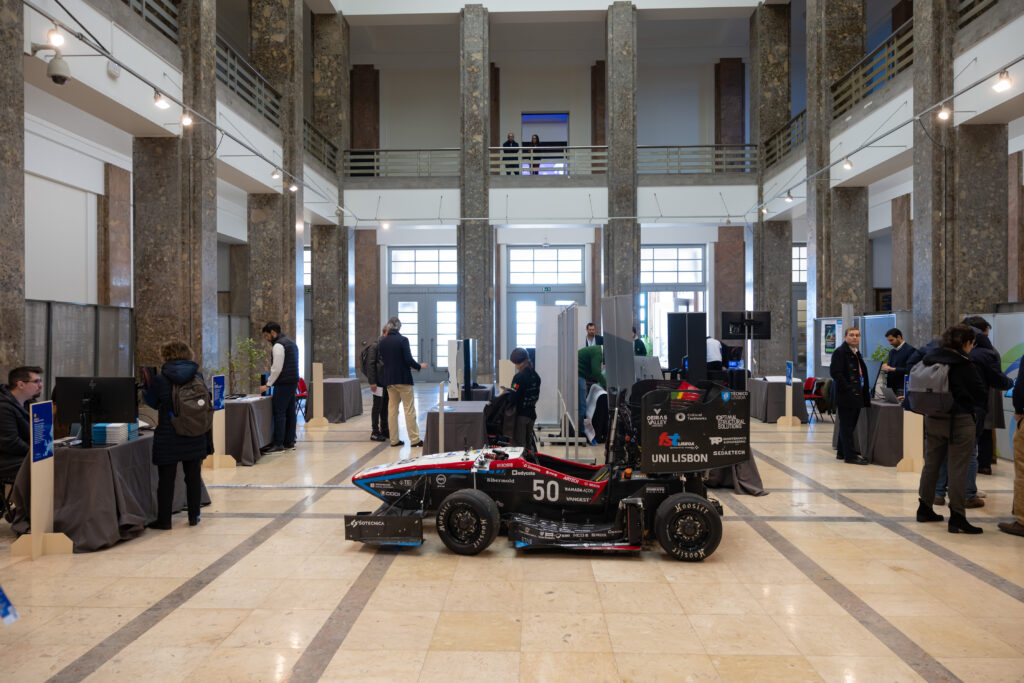
    Experts, professors, and students—some just beginning their journey into blockchain—came together in an environment where distinctions quickly blurred. The first edition of the Lisbon Blockchain Winter School (LxBWS), organized by the BIG ERA Chair project, provided a comprehensive training experience on blockchain technology through lectures, hands-on workshops, and keynotes by leading experts. The event also promoted networking, encouraging collaboration across different levels of expertise.

    “Since the sessions were designed to accommodate varying levels of knowledge—with introductory lectures alongside cutting-edge keynotes—participation was high across the board,” noted David R. Matos, an INESC-ID researcher and coordinator of the event’s organizing team. “For instance, even university professors actively engaged in the blockchain labs, despite their introductory nature”, says David, who is part of the BIG ERA Chair team, which is dedicated to unlocking the full potential of interdisciplinary blockchain research.

    One of the most engaging lab exercises involved creating a cryptocurrency from scratch. The session proved so captivating that even Seth Goldstein, a Carnegie Mellon University professor and renowned expert, enthusiastically took part—despite also delivering a surprising keynote on the future of money.

    “The first Lisbon Blockchain Winter School stands out among the many initiatives of the BIG ERA Chair Laboratory on Blockchain Innovation for Social Good. This lab fosters cutting-edge research, advanced education, and collaborative innovation within an international academic and industrial network,” emphasized INESC-ID researcher, Luís Caires, BIG ERA Chair coordinator and professor at Instituto Superior Técnico, which hosted the event from February 10 to 14.

    Blockchain, well beyond DeFi

    On the industry panel, participants had the opportunity to hear from entrepreneurs representing four exciting tech companies—Unlockit, Anchorage, SenseFinity, and Void—who shared insights into the triumphs and challenges of launching a company in today’s rapidly evolving technological landscape.

    INESC-ID researchers also played a key role in the event, that gathered 50 participants. Miguel Correia, President of INESC-ID’s Executive Committee, delivered a talk on Blockchain Applications and Digital Identity, while Miguel Pardal, coordinator of the Blockchain PRR-funded project, presented a lecture on Food Traceability with Blockchain.

    “While blockchain is often narrowly associated with decentralized finance (DeFi), its potential as a trustworthy, transparent, and consensus-based technology extends far beyond that. Sectors such as healthcare, public governance, and business are beginning to see its transformative impact,” noted Luís Caires.

    Participants’ feedback was very positive, with many describing the experience as “extremely enriching.” They praised the quality of speakers and presentations, the variety of sessions (which included both advanced and introductory content), and the event’s overall organization. Many even suggested that the initiative should be repeated next year. And while it wasn’t explicitly mentioned, it’s fair to assume that Lisbon’s winter sunshine may have also played a role in the event’s success.

    Images | © 2025 INESC-ID

  • Teaching science by the sea: Municipality of Oeiras and “Engenharia para Todos” empower teachers and students of Príncipe Island

    Teaching science by the sea: Municipality of Oeiras and “Engenharia para Todos” empower teachers and students of Príncipe Island

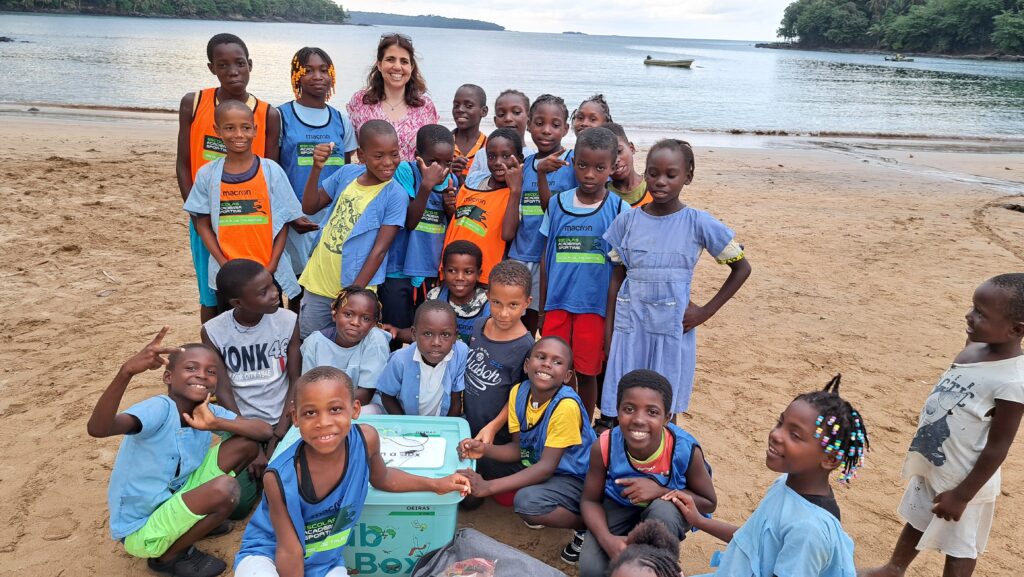
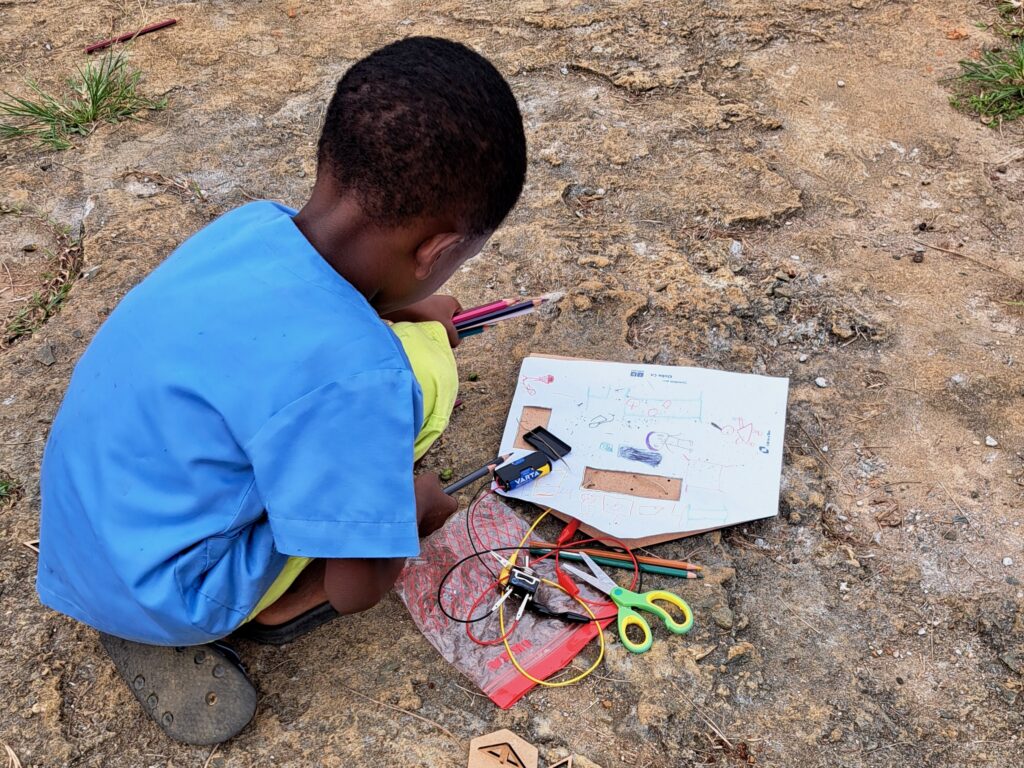
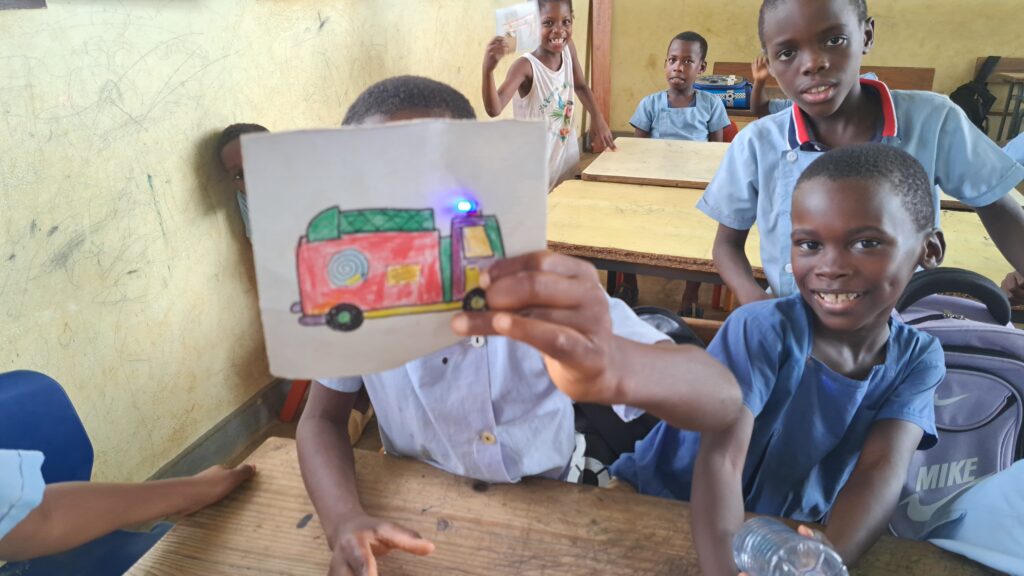
    It was still early morning when a group of dedicated educators and excited students gathered on the small piscatorial sandy beach in front of Abade Elementary School. Surrounded by the lush northeastern forests of Príncipe Island, each student’s eyes sparkled as they opened a big ocean-blue box filled with a treasure trove of fun scientific experiments. They were there for the “Engenharia para Todos” (“Engineering for All”) training sessions, a project aimed at transforming education through hands-on science.

    At the end of January, a delegation from the Department of Education of the Municipality of Oeiras (Município de Oeiras), organised an educational mission to the equatorial São Tomé e Príncipe archipelago to provide in-person training to 40 local teachers. The delegation included the Education Councilor of the Municipality of Oeiras, Pedro Patacho, and five trainers in the areas of Portuguese, Mathematics, Sciences, Arts, and Project Work, who promoted innovative methodologies to improve the quality of education in the region.

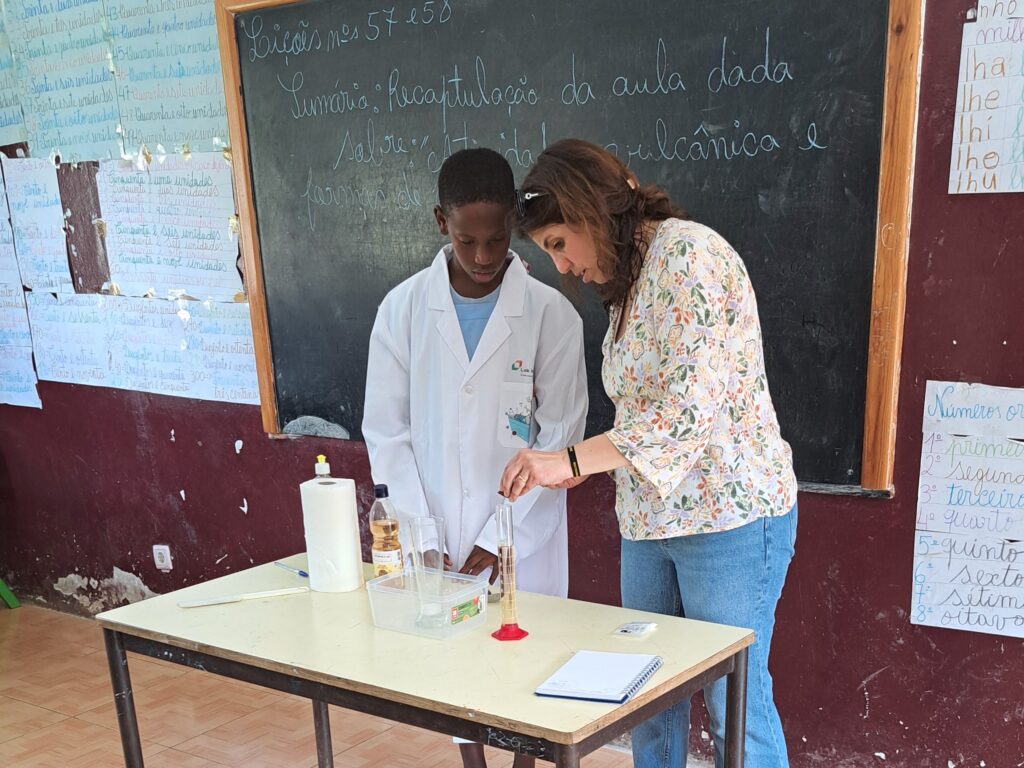
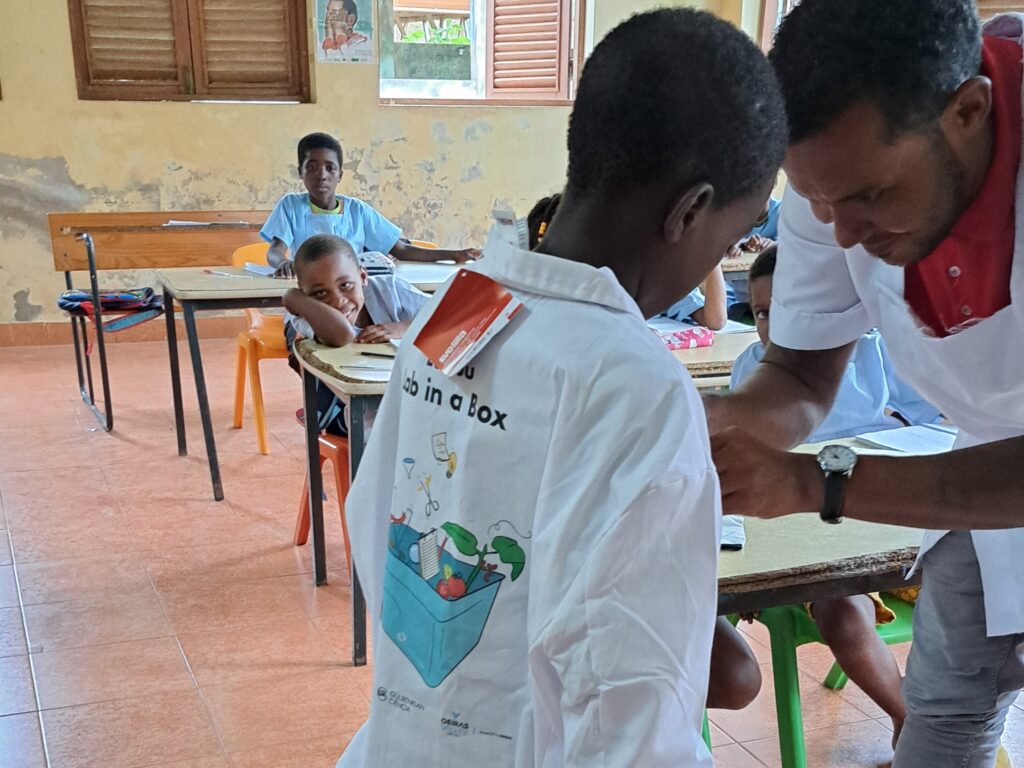
    In the field of Sciences, the mission was headed by INESC-ID’s Maria João Verdasca, manager of “Engenharia para Todos” – a project by Instituto Superior Técnico and INESC-ID, in partnership with the Municipality of Oeiras – who introduced the former Instituto Gulbenkian de Ciência’s Lab in a Box kit, now relaunched and driven by the project.

    “The transformative power of education was evident in every child’s smile and in the teachers’ dedication to embracing new ways of teaching,” proudly comments Maria João Verdasca.

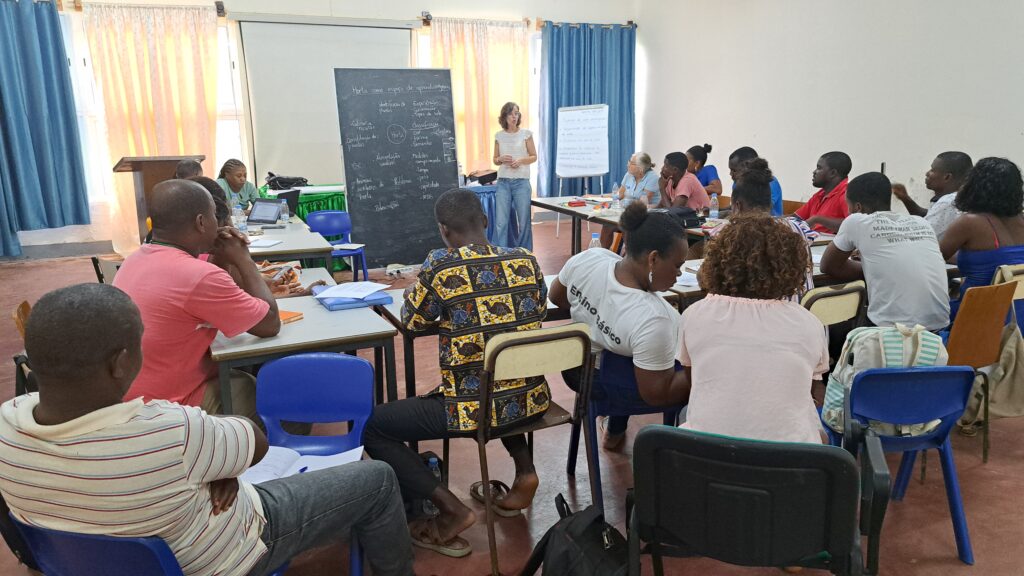
    During two intense weeks, each of the five trainers worked daily with two classes in the morning, covering a total of nearly 1500 children. In the afternoons, they held training sessions with the teachers, discussing new pedagogical strategies and sharing good educational practices.

    Beyond the classroom, the delegation led by Pedro Patacho was received by the President of the Regional Government of Príncipe, Filipe Nascimento, and met with the Regional Secretary of Education, Fátima Cassandra, to discuss the island’s educational needs and future collaborations. The vibrant local culture and the island’s natural beauty provided the perfect backdrop and inspiration for these important exchanges of ideas.

    At the end of the training, the teachers received their diplomas from the hands of the President of the Regional Government himself, in a joyful celebration that brought together teachers, trainers, and students, with the aroma of traditional snacks filling the air. 

    According to Maria João, “the impact of the training was noticeable in small but significant changes in pedagogical practices, such as better organisation of the school space and more dynamic and participatory classes”, and very soon, 10 out of the 40 trained teachers will come to Portugal to spend a week in Oeiras, observing the local teachers in their teaching dynamics.

    This initiative highlights our commitment to innovate in education, promote inclusion, and support sustainable development through knowledge.

    Text by Rodrigo Abril de Abreu, Head of Communications and Outreach Office, INESC-ID | © 2025 INESC-ID

    Images | © 2025 Engenharia para Todos 

  • In the Media: INESC-ID researcher featured in RTP, on Project DISCRETION, Advancing Quantum-Secure Communications

    In the Media: INESC-ID researcher featured in RTP, on Project DISCRETION, Advancing Quantum-Secure Communications

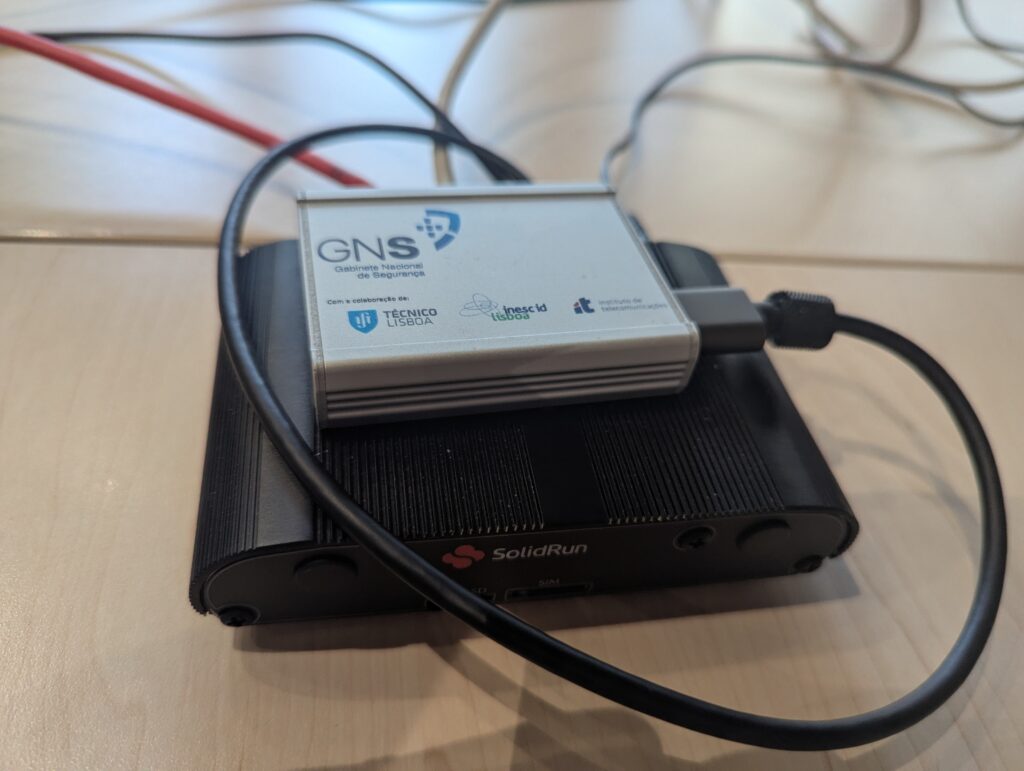
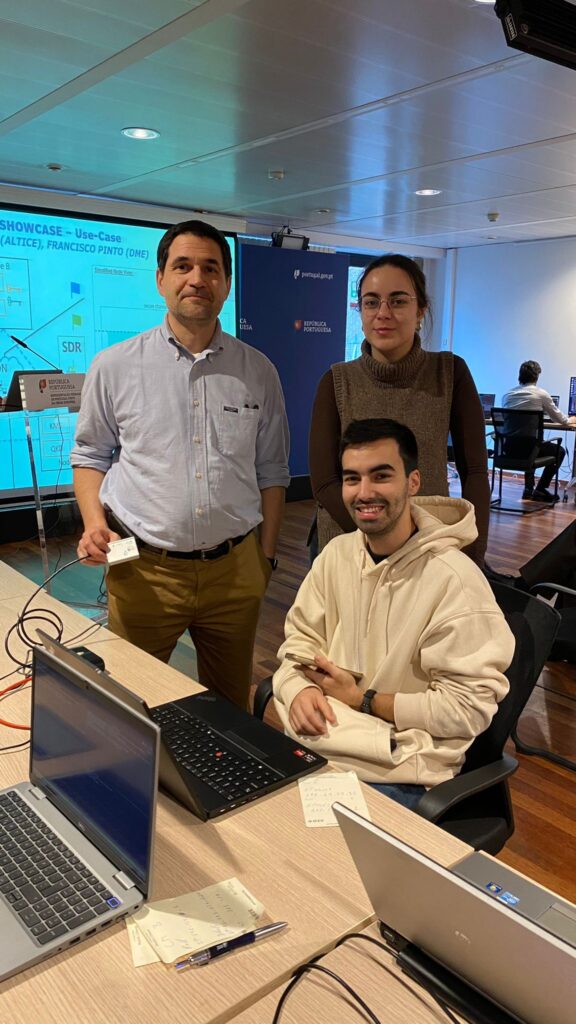
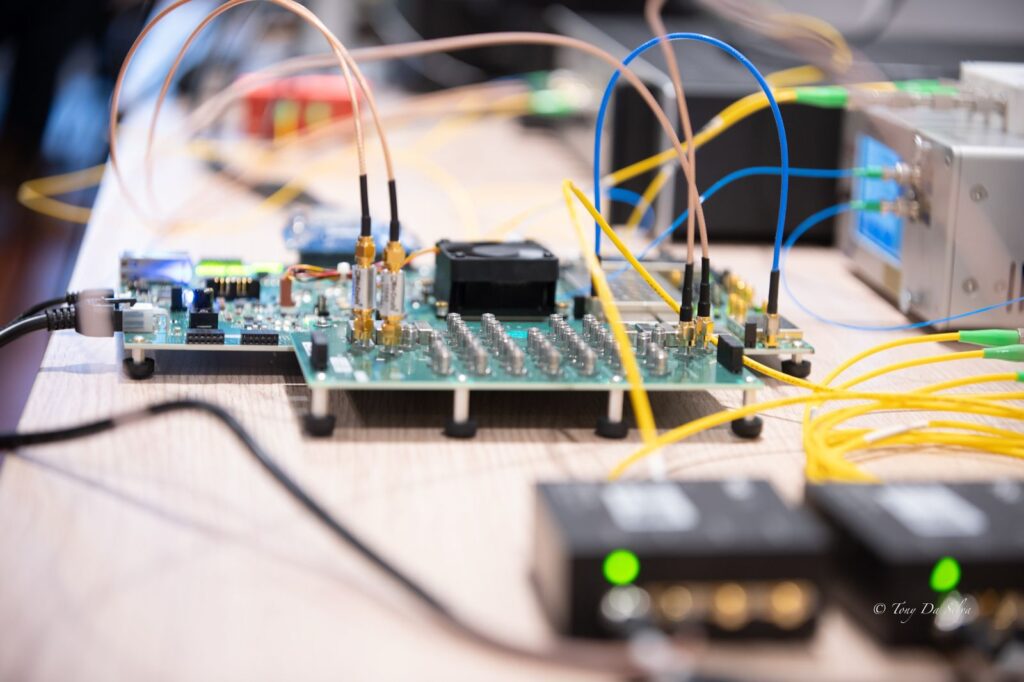
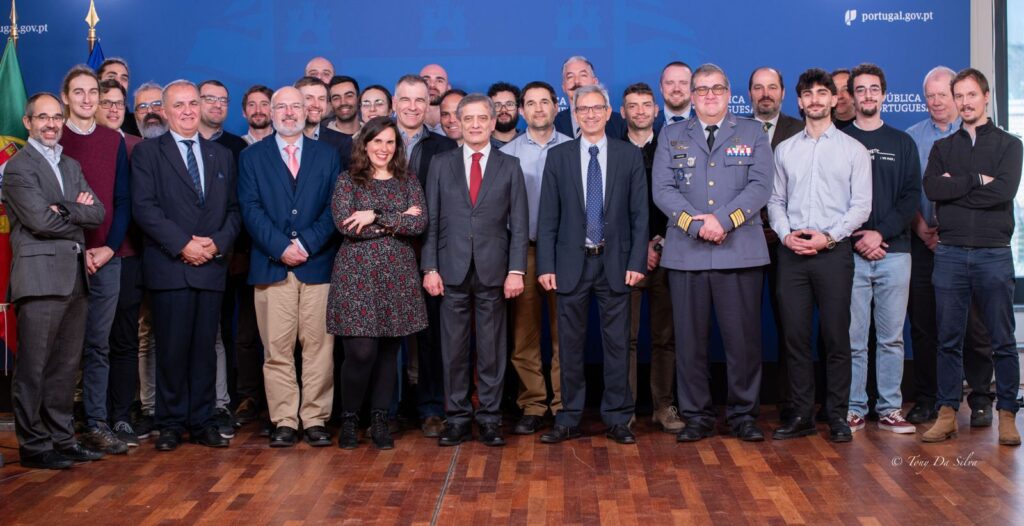
    The quantum era is not here yet, but some are already thinking about the post-quantum world and its impact on privacy and cybersecurity. One such person is INESC-ID researcher Ricardo Chaves, who participated in a demonstration of cutting-edge secure communication technologies developed under the DISCRETION project. The event, held on January 29 at the Portuguese Embassy (REPER headquarters) in Brussels, showcased technological advancements aimed at strengthening European defense infrastructure. In addition to Ricardo, INESC-ID researchers Nuno Neves, Joana Afonso, Pedro Martins, Pedro Matias and Tiago Dias were also present (all in the main picture ).

    The DISCRETION project recently gained public attention through a feature report by RTP, Portugal’s national broadcaster. The report highlighted the project’s groundbreaking advancements in secure military communications and its crucial role in enhancing European cybersecurity. Through interviews with key researchers, including Ricardo Chaves, the segment detailed the cryptographic technologies that are ate the core of DISCRETION’s security framework.
    Portugal’s Secretary of Defense Álvaro Castelo Branco and Portuguese Ambassador to the European Union Pedro Costa Pereira, alongside representatives from European institutions and member states, attended the event, emphasizing its significance for European security.

    DISCRETION is a €6 million initiative, supported by the European Commission under the European Defence Agency’s European Defence Industrial Development Programme and the Portuguese Government. By integrating a Software-Defined Network with Quantum Key Distribution (QKD) technologies, DISCRETION seeks to enhance the security of military networks against emerging threats, particularly in the post-quantum era.

    The RTP feature underlined the project’s capabilities in providing secure communication solutions, highlighting the ability to ensure reliable, encrypted messaging in challenging environments, protect sensitive military communications, and enable secure, cross-domain communication. These advancements underline the system’s versatility and strength in enhancing security for a range of applications.

    Collaborative European Leadership The DISCRETION project, short for “Disruptive SDN Secure Communications for European Defence,” is an initiative aimed at developing an optical Software-Defined Network (SDN) solution to ensure secure, robust, and resilient communications for European defense applications. It is led by Deimos Engenharia (Portugal) and brings together a consortium including Portugal (Altice Labs, Adyta, Instituto de Telecomunicações, Instituto Superior Técnico), Spain (Telefónica ID, Polytechnic University of Madrid), Austria (Austrian Institute of Technology), and Italy (NEXTWORKS).

  • “Blockchain and Digital Identity: DIDs, VCs, and EBSI” – Keynote speech by Miguel Pupo Correia at the Madeira Blockchain Conference

    “Blockchain and Digital Identity: DIDs, VCs, and EBSI” – Keynote speech by Miguel Pupo Correia at the Madeira Blockchain Conference

    “If you pick a grain of sand, what is the probability that two of us pick the same one?” With this example, Miguel Pupo Correia, President of the INESC-ID Executive Committee, illustrates the probabilistic uniqueness of DIDs (Decentralised Identifiers), during his keynote “Blockchain and Digital Identity: DIDs, VCs, and EBSI”. This intervention took place during the Madeira Blockchain Conference 2024, which happened in Funchal at the end of the last year. 

    When asked about his participation, Miguel Pupo Correia adds: “This yearly conference brings together experts from all Web 3 areas — startup founders, academics, legal experts, etc. — both national and international, showcasing the state of the ecosystem and bringing inspiration for people interested in the topic.”

    The video is now available on the conference’s Youtube Channel. If you are curious to know more about blockchain, digital identity and related use cases, we encourage you to follow the link and watch the full presentation.

  • In the Media: Inês Lynce on PRR Reprogramming in Público Newspaper

    In the Media: Inês Lynce on PRR Reprogramming in Público Newspaper

    Recently, Inês Lynce has participated in an article published in national newspaper, Público, along with João Rocha, Teresa Ferreira, Tiago Santos Pereira and Claudio Sunkel. In the piece, they discuss the change of direction of the Recovery and Resilience Plan (PRR) funds in Portugal. 

    The Sistema Nacional de Ciência e Tecnologia (SNCT) faces significant challenges. Although  investment in Science and Technology has been recognised as a key strategy for national development, the means to achieve this have not been amply provided. Some of the main obstacles include the unpredictability of funding for research facilities, delayed evaluations to define future funding, and inadequate equipment acquisition. The Conselho dos Laboratórios Associados (CLA) cites, as a main concern, the vulnerability of jobs, scientific careers, and management of science and technology, which, in turn, compromise national progress, as researchers are motivated to leave the country for better conditions.

    Previously, and contrary to other countries, Portugal did not direct PRR funding to significantly reinforce the SNCT, namely regarding facilities, spaces, labs and equipment. However, on January 21, during a regimental hearing at the National Assembly, the Minister for Territorial Cohesion affirmed that a reprogramming of the PRR has been designed and will pose an opportunity to reinforce equipment in the areas of health, science, innovation, research and technology.

    The CLA considers an application process directed to research units, which will allow the identification of equipment essential to the modernisation of the SNCT, especially in light of the urgency posed by the PRR calendar. 

    Read the full article (in Portuguese) here.

  • Innovation, memories, and future challenges at INESC-ID’ 25th anniversary celebration

    Innovation, memories, and future challenges at INESC-ID’ 25th anniversary celebration

    There was chit-chat, an in-house photoshow, a trip down memory lane, and a big birthday cake. INESC-ID is officially a young adult, and January 28 was the day we chose to gather our community—past and present—along with friends from academia to celebrate 25 years of defining technology.
    At the Salão Nobre of Instituto Superior Técnico, we spent the afternoon reflecting on the work accomplished so far, as outlined by Inês Lynce, President of the Board of Directors, and looking ahead to the future, as addressed by Miguel Pupo Correia, President of the Executive Committee.
    In a conversation with INESC-ID’s first Directors back in the year 2000—Luís Borges de Almeida, Helena Sarmento, and Arlindo Oliveira—moderated by INESC-ID Science Writer Sara Sá, we heard about the main challenges of launching a research institute, the innovative management solutions implemented, and the memorable incidents that shaped this adventure.
    Rogério Colaço, President of Técnico, and Luís Castro, Vice-Rector of Universidade de Lisboa and a Professor at Técnico, honoured us with their presence on stage, sharing a few words in recognition of the research work conducted at INESC-ID.
    And, of course, no birthday celebration would be complete without cake and candles. The afternoon concluded with a chocolate cake decorated in INESC-ID colours and more than one hundred participants singing “Happy Birthday” to INESC-ID.

    Images | © 2025 INESC-ID
  • Arlindo Oliveira and the Future of AI: From Generative Intelligence to National Strategy

    Arlindo Oliveira and the Future of AI: From Generative Intelligence to National Strategy

    It is definitely the topic of the moment and there is still a lot that can be said about it. After having previously authored an essay on the topic, between 2017 and 2018, and following an invitation from Fundação Francisco Manuel dos Santos, Arlindo Oliveira, INESC-ID researcher and Professor at the Department of Computer Science and Engineering (DEI), wrote the book Generative Artificial Intelligence (A Inteligência Artificial Generativa).

    “The goal was to present artificial intelligence in a way that is accessible to the general public. After writing that earlier essay, I realized that public perception of the subject had changed radically. Artificial intelligence, which was once a topic of interest confined to specialists, has become a common subject of discussion among the general public, especially after the emergence of technologies like ChatGPT,” Arlindo explains—or rather, the interactive chatbot of generative artificial intelligence created from the book’s content answers.

    “I believe it is important to contextualize artificial intelligence within the broader evolution of natural intelligence, which can be appealing from a scientific, philosophical, and humanistic perspective,” the bot continues, echoing Arlindo’s words as expressed in the newly released book.

    A debate about the book’s theme will take place on February, 12, at El Corte Inglés, Lisboa, with the presence of Ana Paiva, the Secretary of State of Science and INESC-ID researcher, and Paulo Dimas, from the company Unbabel. Generative Artificial Intelligence: Risks or benefits for the society of the future?

    Earlier this month, Arlindo was appointed to chair the Specialized Monitoring Committee for the National Artificial Intelligence Agenda. This committee will play a crucial role in shaping strategies for the development of a robust and innovative AI ecosystem in Portugal. The National Artificial Intelligence Agenda, part of the National Digital Strategy approved by the Government on December 12, 2024, will be presented at the end of the first quarter of 2025.

    Joining Arlindo Oliveira on the committee are Goreti Marreiros, President of the Portuguese Association for Artificial Intelligence (APPIA) and Principal Coordinator Professor at the Instituto Superior de Engenharia do Porto; Daniela Braga, representing the Accelerat.ai consortium, a key initiative under the Recovery and Resilience Plan (PRR); and Paulo Dimas, representing the Center for Responsible AI consortium, also part of the PRR – both of these projects, of which INESC-ID is a part.

  • Organ-on-a chip? Yes, it is possible. And INESC-ID will give a hand to it

    Organ-on-a chip? Yes, it is possible. And INESC-ID will give a hand to it

    Tiago Moita walks across the wooden floor in what appear to be ordinary rubber-soled shoes. However, there’s a twist: a low electrical resistance shoe sole prevents static electricity from damaging the microchips developed and tested at the Silicongate workbench. This company, incubated and partly owned by INESC-ID, designs and tests circuits for power management systems, such as those used in mobile phones. Strongly committed to research and innovation, Silicongate also participates in research projects like the EU-funded UNLOOC initiative, aimed at transforming the drug development process by reducing reliance on animal testing.

    Traditional animal testing in drug development faces significant challenges due to methodological limitations and ethical concerns, often failing to predict human reactions to drugs. It is estimated that adverse drug reactions (ADRs) cause 197,000 deaths annually in the EU, with a societal cost of €79 billion. The EU-funded UNLOOC project—Unlocking Data Content of Organ-on-Chip—aims to address this by developing organ-on-chip systems. These innovative devices simulate human organ responses, offering safer and more reliable testing alternatives.

    “We are working in two areas: the replacement of animal testing and the development of personalized medicine,” says INESC-ID researcher Fábio Passos, who is actively involved in the project.

    By advancing tools based on engineered cell systems (ECS), artificial intelligence, and high-throughput testing, UNLOOC seeks to transform preclinical testing, reduce ADRs, and lower drug development costs by up to €700 million per new drug.

    The project integrates ECS-based hardware and software, enabling precise environmental control (e.g., temperature, pH, oxygen) and parallelized testing across multiple channels. Jorge Fernandes, INESC-ID project coordinator notes that “microelectronics is a key enabling technology for these systems, to process, simultaneously in a small footprint, signals from large sensor arrays.” One key innovation is an application-specific integrated circuit (ASIC) developed by Silicongate. This ASIC interfaces with sensors to measure environmental parameters across up to 1,024 channels in a single digital system.

    “To enable the development of cell structures similar to skin, liver, lungs, and other tissues, very specific conditions are required. These can only be achieved through the measurement and control of environmental variables like temperature, oxygen, pH, and conductivity,” explains Marcelino Santos, Silicongate co-founder and CTO.

    Personalized medicine and disease research

    INESC-ID is responsible for the sensor that monitors changes in the culture where lab-grown skin is placed. This skin, composed of chemicals and real cells, is immersed in a liquid containing electrical circuits. “The electronic component is what makes everything possible—without it, it would be impossible to monitor the activity of the artificial organ,” stresses Fábio Passos. The measurements are instantaneous, with the ability to perform thousands per millisecond. “One of its key advantages is its capacity for simultaneous readings, enabling hundreds of measurements at the same time,” Fábio adds. All this in a sensor that is a microchip measuring just 1mm x 1mm.

    INESC MN is also part of the project and according to Diogo Caetano, the project coordinator at the institution, “the unique synergy between nanoelectronics circuits and sensors within the three PT partners will allow us to achieve precise and continuous monitoring in OOC systems.”

    UNLOOC will validate its tools in five use cases across 10 European countries, benefiting academia, the pharmaceutical industry, and cosmetics production. The project aims to promote personalized medicine and advance disease research.

    All this technology is possible because the “artificial” organs generate a set of biomedical signals with given voltages and currents that can be interpreted by the electronic circuitry. However, several challenges must be overcomed in order to meet the necessary resolution to interpret such signals. “In our case”, Marcelino explains, ”the resolution required to read the sensors necessitated the development of a new analog-to-digital converter (ADC). Previously, our sigma-delta ADCs were primarily used for temperature measurements, where a 12-bit resolution was sufficient. For the UNLOOC project, we are developing a 14-bit sigma-delta ADC with significantly higher energy efficiency than previous designs.”

    The modular system, with a flexible number of analog channels monitored through a single serial digital interface (SPI), was specifically designed for this project. The SPI interface, typically used for reading and writing in a register bank, will use a prefix in the addresses to uniquely identify each ASIC. “There is great potential for healthcare applications, gaining traction with advancements in electronics,” notes Fábio Passos.

    The applications developed and validated by UNLOOC will drive drug development, enable cosmetics production without animal testing, foster personalized medicine, and provide new insights into disease. Given the growing organ-on-chip (OOC) market, these solutions have significant economic potential. On average, they could reduce the cost of bringing a new drug to market by €170 million to €700 million. This approach positions Europe at the forefront of this burgeoning field, contributing to ethical, economic, and technological advancements in healthcare and drug development.


    Text by Sara Sá, Science Writer | Communications and Outreach Office, INESC-ID
    © 2025 INESC-ID. Credit INESC-ID and the author, and link to the original source when sharing or adapting this article.

  • Focus on collaborators and scientific excellence will mark the mandate of the new Board of Directors

    Focus on collaborators and scientific excellence will mark the mandate of the new Board of Directors

    With the inaugural meeting of the newly elected Board of Directors of INESC-ID starts a new chapter in the institute’s history. This meeting, held January 20, set the stage for the vision and strategic goals that will guide INESC-ID’s path in the coming years.

    Inês Lynce, President of the Board of Directors, highlighted the mission of the new leadership team. “The mission of the Board of Directors of INESC-ID is to reinforce its strategic role as a leader in cutting-edge research that drives innovation and addresses global challenges. Central to this vision is the recognition of our researchers and collaborators as the institute’s greatest asset,” she stated. The board aims to prioritize excellence in scientific research, foster interdisciplinary collaboration, and establish strong partnerships with industry and academia, both on a national and international scale.

    Miguel Pupo Correia, President of the Executive Committee, emphasized the significance of this leadership transition. “This is the first board elected under the new statutes of INESC-ID, and one of its primary objectives is to implement the newly established management structure, which includes an executive committee and non-executive directors. This structure will facilitate strategic reflection on INESC-ID’s goals, particularly as the institution celebrates its 25th anniversary and reaches a stage of maturity,” Miguel notes. The board remains steadfast in its commitment to scientific excellence, internationalization, and societal impact, with a strong focus on the professional growth and development of its researchers and collaborators.

    The meeting was also an opportunity for the Board to address key issues slated for 2025. Among these were the evaluation of INESC-ID’s status as an associated laboratory, the development of the strategic plan for 2026-2030, and the implementation of enhanced budget control mechanisms.

    The remaining members of the Board of Directors are Luís Oliveira e Silva, Fernando Moreira, Helena Galhardas, Nuno Roma and João Paulo Carvalho.


    Images | © 2025 INESC-ID
     

  • The Chicken-and-Egg Dilemma of Electric Mobility: Reflections from the EV4EU Conference

    The Chicken-and-Egg Dilemma of Electric Mobility: Reflections from the EV4EU Conference

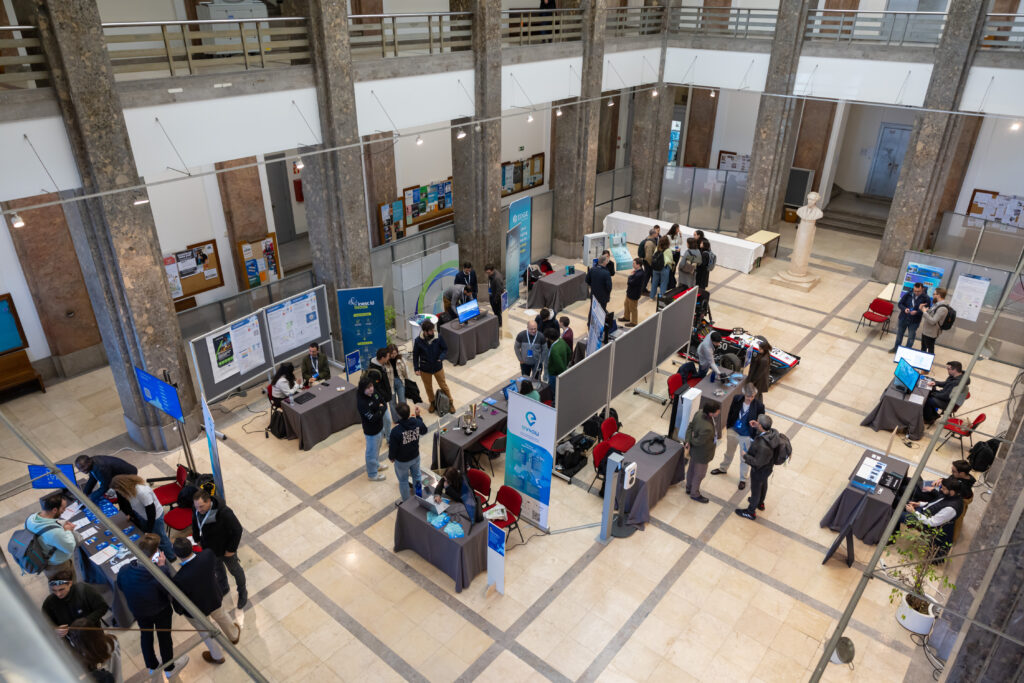
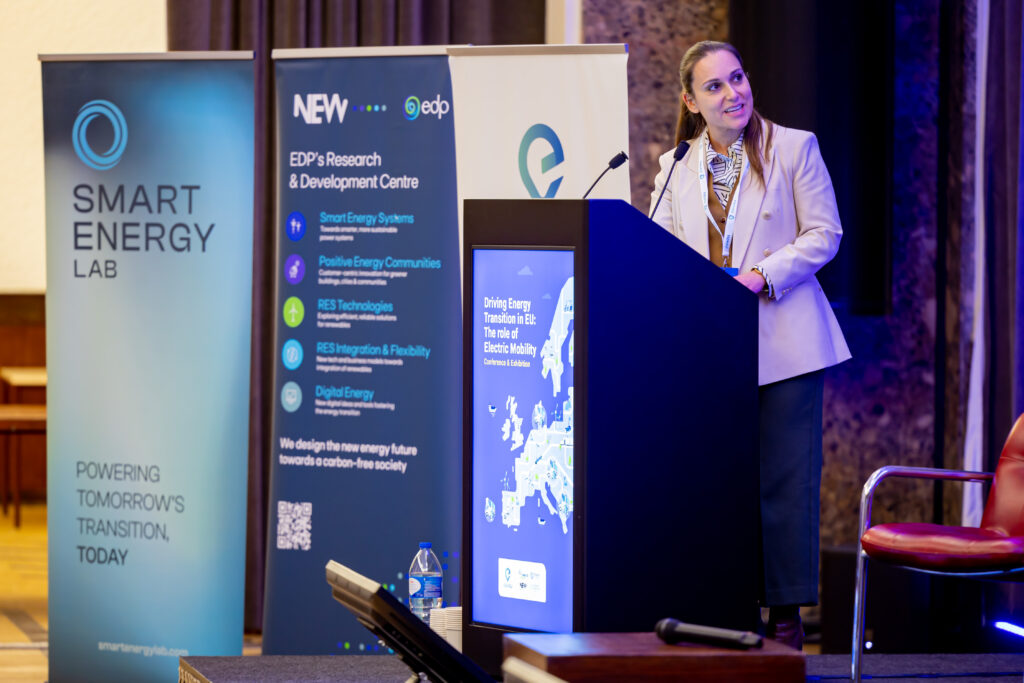
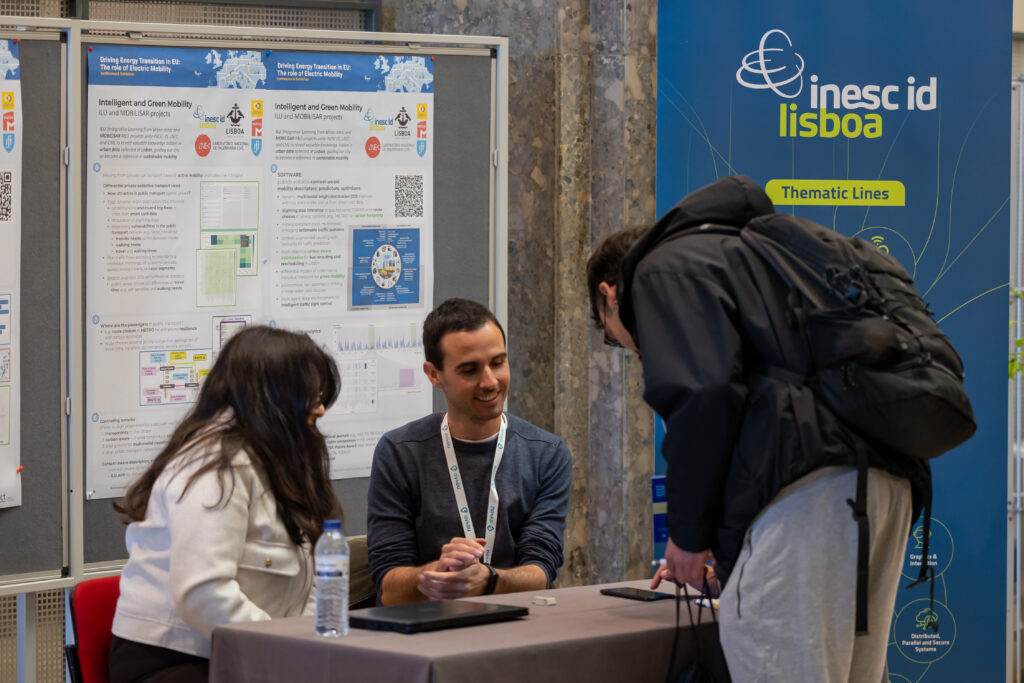
    It was a cold winter morning, blessed with sunshine that lured people to the main entrance of Instituto Superior Técnico, in Lisbon, enjoying the warm rays while chatting about … energy. Their badges revealed a shared purpose, the conference Driving Energy Transition in EU: The Role of Electric Mobility, promoted by the INESC-ID project EV4EU.

    The event gathered on January 15 specialists from around the world, coming both from research institutes and companies, to discuss electric mobility and the energy transition in Europe. An issue that INESC-ID project coordinator and Conference Chair, Hugo Morais, described as the “chicken-and-egg” dilemma of EV adoption: “no cars without infrastructure, and no infrastructure without cars.”

    Some of the projects in focus are intended to solve the riddle, such as the Scale Project – a user-centric approach, involving seven countries, to address the complexities of scaling EV infrastructure; DRIVE2X, with demos in Maia, Portugal, and Amsterdam, the Netherlands, highlighting real-world applications of EV technology, the project aims to accelerate the uptake of vehicle electrification through new bi-directional smart charging technologies; FLOW Project, that tackles the increase in energy efficiency through energy exchange with buildings, vehicles and the grid and XL-Connect, in which the main goal is to optimize the entire charging process, from the energy generation until the end user, by developing a digital twin of the entire system and developing optimal smart charging technologies.

    At the opening session, Inês Lynce, President of the Board of Directors, aptly remarked that we are living in the best time in history to discuss such a relevant topic. “We are in the right place, at the right time,” she said, emphasizing the importance of attracting young people to contribute to this transformative journey. Rogério Colaço, President of Instituto Superior Técnico, added that the shift to electric vehicles (EVs) represents “one of the greatest challenges of our time”, but one that is critical. He noted that EVs are inherently “more efficient than internal combustion engine vehicles”, a fact that underpins their central role in the energy transition.

    Voices from Portugal and Beyond

    Admitting the problem is more than ten years old, Jorge Martins from REN, presented the new Fast charging using transmission network Speed-E, with the belief that “this time, the market will take off”. “Electric trucks, though fewer in number, hold immense relevance due to the extensive kilometres they cover.

    “The issue is not energy availability but power capacity, especially during peak demand”, stressed Hugo Morais, while Rui Gonçalves, from E-Redes, emphasized the need for significant grid upgrades, with planned investments increasing by 50% between 2026 and 2030. “Flexibility”, he argued, is key to address the challenges of energy transition for grids.

    Portugal was celebrated as a case study in electric mobility. Débora Melo Fernandes, lawyer and Partner at Pérez-Llorca, specialized in energy, highlighted the country’s pioneering 2010 regulatory framework, which fostered a user-centric and competitive ecosystem. Débora outlined challenges such as fragmented regulations and lengthy permitting processes but emphasized the opportunities offered by aggregators and mechanisms like E-credits mandated by the latest Renewable Energy Directive, RED III, set for implementation by 2025.

    Bruno Vieira, from EDA, brought the unique challenges of the Azores into focus. With nine islands and no capacity to export energy, the region faces distinct hurdles in adopting EVs and enhancing infrastructure. Meanwhile, Luís Prazeres, from Brisa, underscored the importance of education and training to boost performance and efficiency in the mobility sector.

    Key Takeaways

    With a large experience in the energy sector, the independent consultant António Vidigal sustained that electric vehicles have a significant role to play in the electrical systems of the future. And regulation can help. “Portugal is already recognized as a leading example in the adoption of renewable energy. It should also be a model for regulation that supports the energy transition”, he defended. The concept of “vehicles as batteries on wheels” offers immense potential for grid support, but current legislation limits V2G (vehicle-to-grid) applications, the specialist noted.

    As Gonçalo Castelo Branco, from EDP Comercial, aptly put it, “whatever there is to come, we are still at the very beginning of what is going to be.” And as highlighted by INESC-ID’s President, Miguel Pupo Correia, the institute’s thematic lines and scientific areas underscore the societal importance of these efforts. Miguel noted that on a context of war, like the war in Ukraine, the energy systems are a target, including for cyberattacks.

    And for great endeavours, collaboration is always the key, underlined Hugo Morais. “The future of electric mobility depends on interdisciplinary collaboration—regulators, consumers, and developers working hand in hand.”

    Text by Sara Sá, Science Writer | Communications and Outreach Office, INESC-ID / © 2025 INESC-ID

    Images | © EV4EU