INESC-ID researcher and coordinator of INESC-ID’s Life and Health Technology Thematic Line, Ana Teresa Freitas, recently talked on RTP’s TV programme “Portugal em Direto”, about the creation of a new database with the genome of 1 million Europeans.
The goal is to gather individual genetic and health data to build risk models that will ease the development of more effective and personalised medicines, and allow more robust responses to future pandemics by understanding health risk factors within different populations. For example, a study back in 2021 determined that the Portuguese population is more vulnerable to a lack of vitamin D.
The project will end in 2026, and it will be one of the largest databases of the European population, with Portugal contributing with the data of 16000 people. The data acquired will not leave its respective countries, respecting security and privacy laws.
Watch the interview (in Portuguese here (11:22 – 14:14)
INESC-ID recently had two exploratory research projects (ERPs) approved in the Call for Exploratory Projects in All Scientific Domains 2023 by Fundação para a Ciência e a Tecnologia (FCT).
In the field of “Computer and Information Sciences and Informatics”, the selected project was FLORA, coordinated by Vasco Manquinho. The project will develop new techniques, focused on Answer Set Programming (ASP), to debug logic programs, which is usually a challenging process since the programmer does not control the flow of execution nor is able to check the intermediate state of the program or localise a fault. FLORA will not only provide new techniques to mitigate these challenges, but also new annotated datasets of ASP programs and new tools to support the generation of new ones. All these will be available in a GitLab-based open-source framework in order to provide personalised feedback to novice ASP programmers.
In the area of “Electrical and Electronic Engineering”, project OSiRIS coordinated by Rui Duarte, was the winning candidate. OSiRIS aims to explore AI algorithms to improve the generation of images by Synthetic Aperture Radar (SAR), while also replacing current computational units with smaller and faster ones. This will provide a new generation of on-board SAR processors to be further developed and industrialised, enhancing monitoring systems, on aircrafts and spacecrafts, and contributing to more accurate information on pollution, harvesting of natural resources and reaction to natural catastrophes.
The projects will each receive around 50K € of funding.
The goal of this call is to support exploratory research projects in all scientific domains, by promoting and strengthening the skills of scientific and technological institutions through the participation of their teams in projects of particular relevance. Proposals must be for individual projects, submitted by a single beneficiary, with a maximum duration of 18 months. Each project has a maximum funding of 50K, through the FCT budget.
The 2024 call opened on December 19, and will close on February 25, 2025.
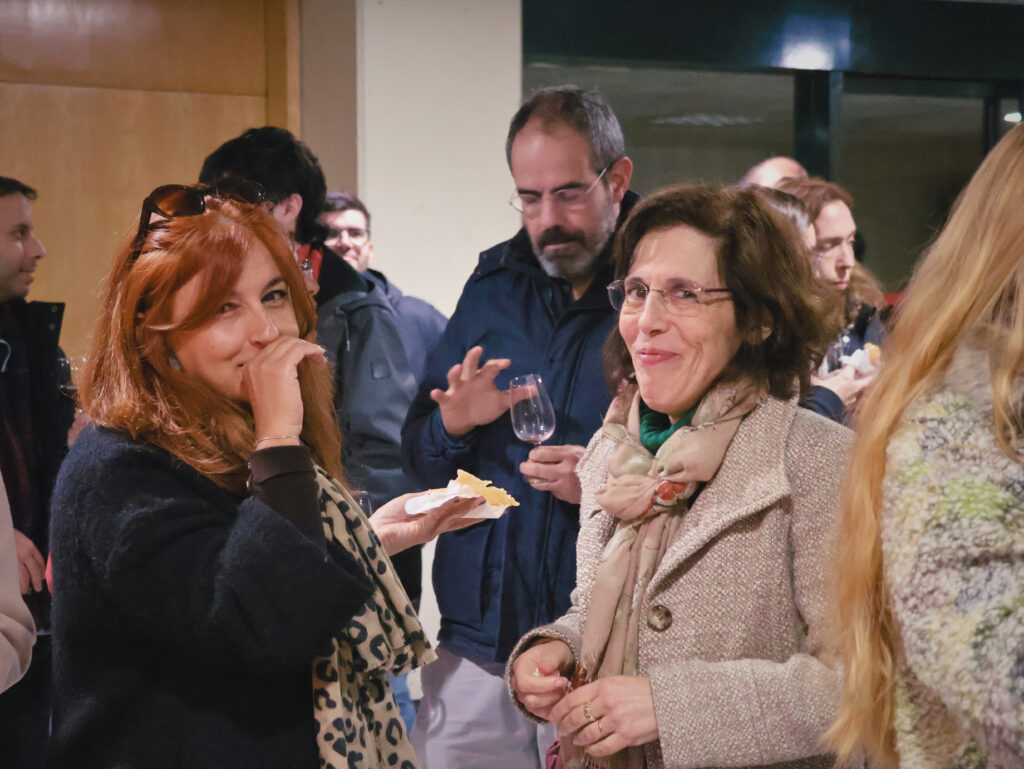
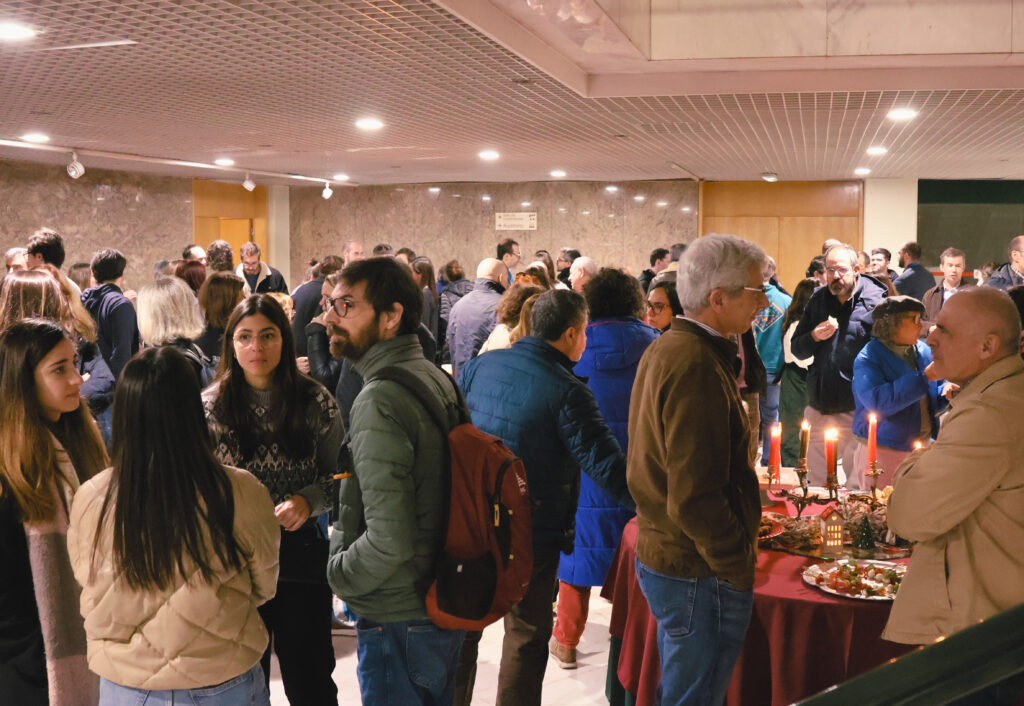
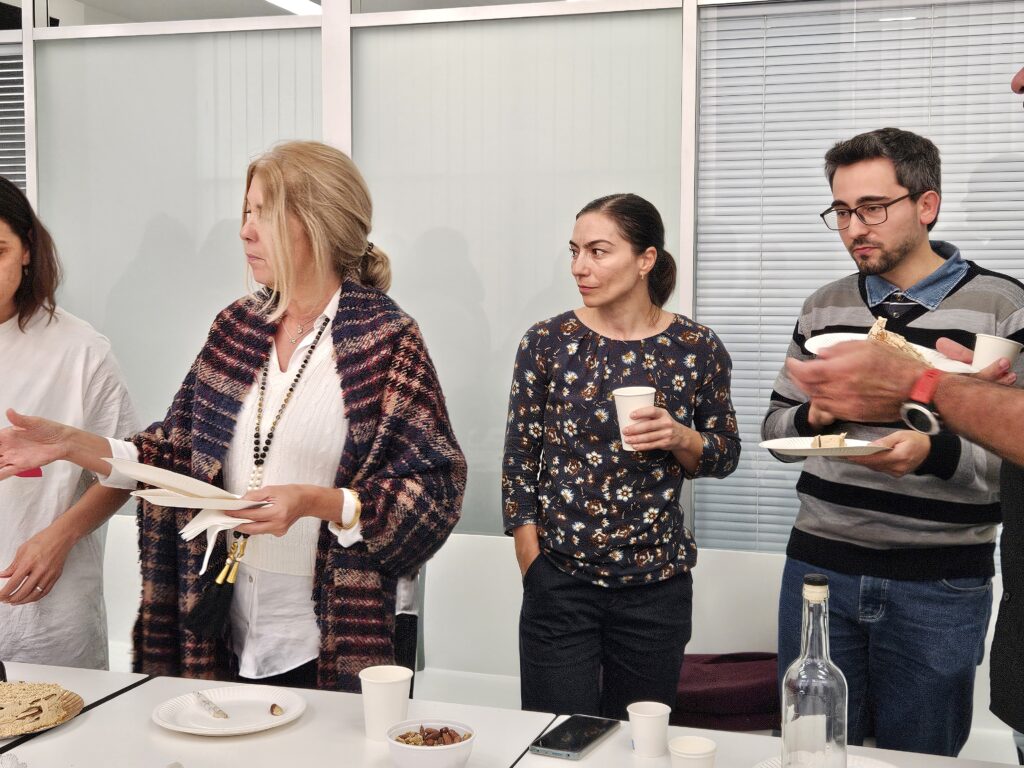
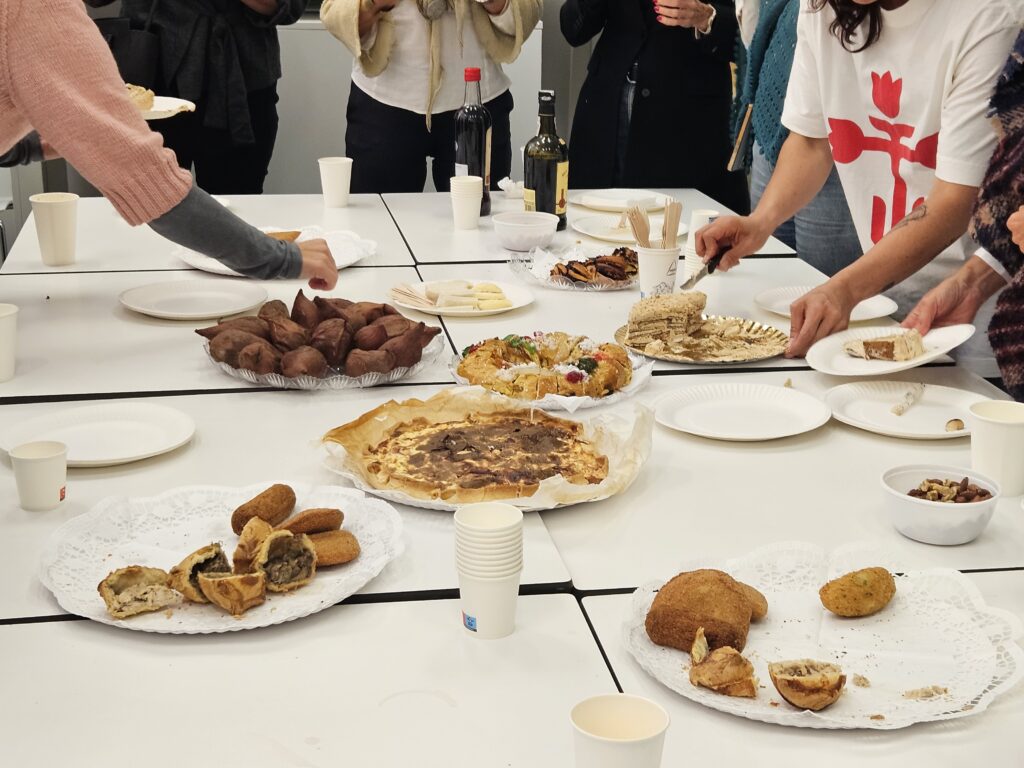
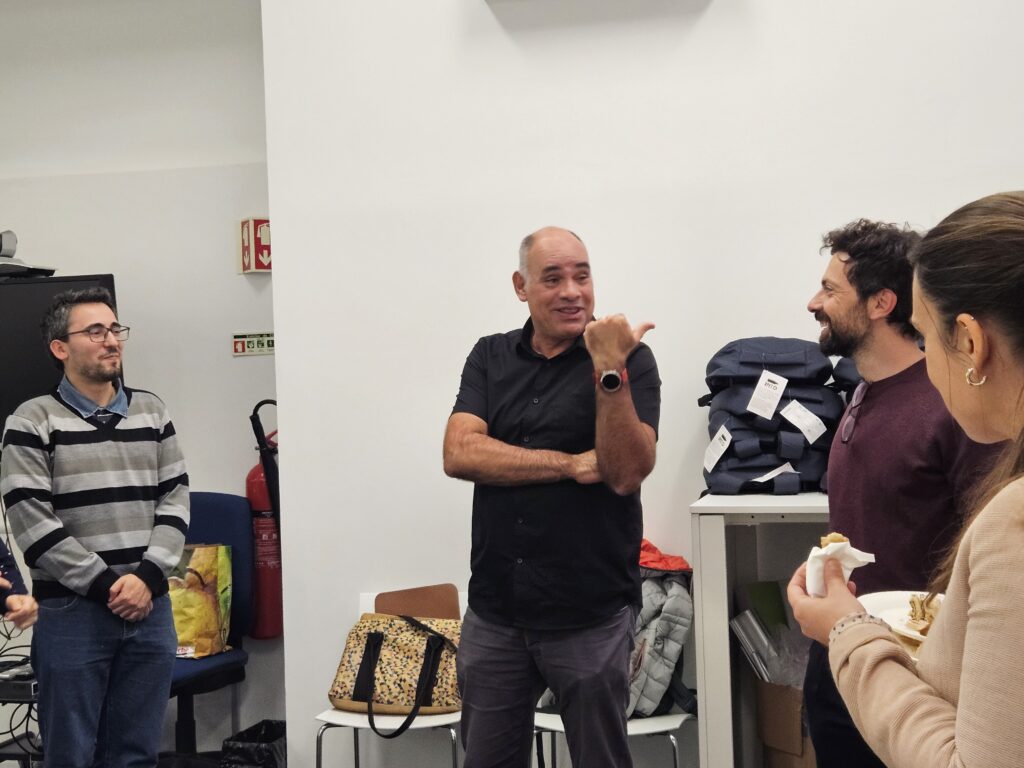
INESC-ID, INOV and INESC-MN came together on December 11 for a festive gathering complemented by Christmas traditional snacks and jolly tunes!
Following its 2nd annual meeting, back in October, the INESC Lisboa’s institutes gathered once more to celebrate Christmas and meet one last time before the end of the year. As INESC Lisbon president, Leonel Sousa, stated in a short but meaningful speech, these kinds of occasions allow participants to meet and socialise, improving relations between the different institutes and helping to build a stronger community.
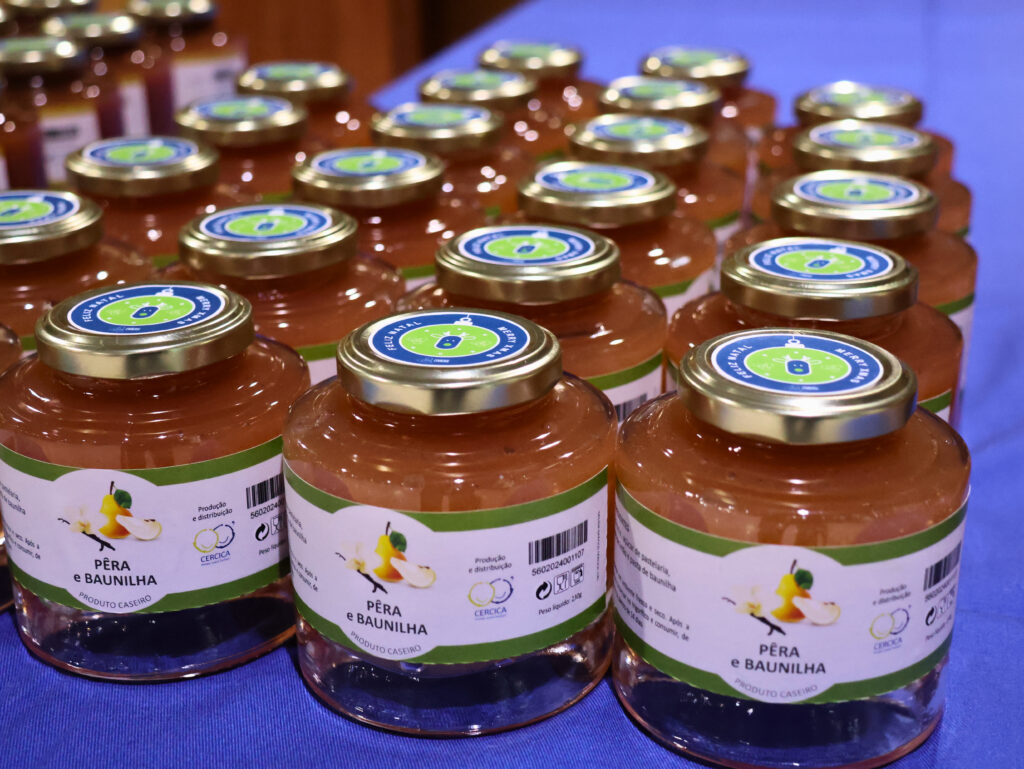
Though there was no Christmas tree to gather around, there were gifts for those who wanted to take a memento home, made at CERCICA, a cooperative for education, rehabilitation and training of disabled citizens, based in Cascais.
We wish everyone a Merry Christmas and Happy Holiday season!
A research paper titled “Flow Correlation Attacks on Tor Onion Service Sessions with Sliding Subset Sum”, authored by INESC-ID, CMU Portugal and Instituto Superior Técnico PhD student, Daniela Lopes, won the 2024 “Best Portuguese Internet Research” by the Portuguese Chapter of the Internet Society (ISOC). The work was co-authored by her advisors, INESC-ID researcher Nuno Santos’ and Nicolas Cristin from Carnegie Mellon University.
The paper was published in the proceedings of the 2024 edition of the “Network and Distributed System Security (NDSS) Symposium” and resulted from the CMU Portugal Exploratory Research Project “DAnon – Supervised Deanonymization of Dark Web Traffic for Cybercrime Investigation,”. It announces a vulnerability in the Tor network, which is intended to provide users with private and anonymous Internet access, eliminating any possibility of tracing the origin of traffic. Malicious users can, however, take advantage of this and get around the surveillance imposed in some countries by censorship agencies or authorities, undermining the network’s purpose.
The identification of this issue was disclosed to the Tor network development team, contributing to increase its robustness. The jury highlighted the contribution of this paper to the protection of citizens’ rights online and against abusive surveillance and censorship on political or racial grounds, both goals of the Internet Society.
The award ceremony took place yesterday, December 11, at Instituto Superior Técnico, following a panel discussion on “Cryptography: the need and the dilemma”, featuring Miguel Pupo Correia, INESC-ID board member and researcher, Maria Manuel Leitão Marques, European Parliament Member and former Minister for the Presidency, and Robin Wilton, director of the “Internet Trust – Internet Society”.
Joaquim Jorge, INESC-ID researcher in the area of Graphics and Interaction and professor at Instituto Superior Técnico, has been distinguished as an IEEE (Institute of Electrical and Electronics Engineers) Fellow 2025.
The IEEE Fellow is one of the highest distinctions given by IEEE, and it is attributed annually, to a small number of members, to honour the impact of their contributions to the areas of engineering, science and technology, bringing the realisation of significant value to society at large. Professor Joaquim Jorge’s work on sketch-based interfaces, modelling and virtual reality earned him this distinction, making him the only Portuguese researcher to become a Fellow this year.
The IEEE is the world’s largest technical professional organization dedicated to advancing technology for the benefit of humanity. Its members work in various fields of engineering, computing, and technology,
In Greek legend, Achilles was a hero with a single vulnerability—his heel. Similarly, the “Achilles’ heels” of modern AI systems are trust and efficiency. The recently launched ACHILLES Horizon Europe Project (“Human-Centred Machine Learning: Lighter, Clearer, Safer”) aims to address these critical weaknesses.
Bringing together 16 organizations from 10 countries, ACHILLES has significant Portuguese involvement. Led by Fraunhofer Portugal Research (FhAICOS) as the coordinating partner, INESC-ID plays a key role with six researchers leading the Work Package (WP) on AI sustainability and contributing to the WP on Privacy-Preserving Machine Learning and Model Monitoring. Paolo Romano, from Distributed Parallel and Secure Systems, coordinates INESC-ID’s participation, which has a budget of nearly one million euros.
The ACHILLES team seeks to drive responsible AI innovation in line with European values and regulations. Moving away from the traditional “Faster, Higher, Stronger” approach—borrowed from the Olympics, another iconic Greek reference—ACHILLES champions a new framework: “Lighter, Clearer, Safer,” reflecting the evolving demands of modern AI.
“At the heart of ACHILLES is an iterative development cycle inspired by clinical trials,” explained André Carreiro, Senior Scientist and ACHILLES Project Coordinator.
A standout innovation within the project is the ACHILLES Integrated Development Environment (IDE), a machine-learning-driven platform empowering developers to build AI solutions that are not only more effective and efficient but also responsible and ethically compliant. The project will validate its approaches through real-world applications in healthcare, identity verification, content creation, and pharmaceuticals, demonstrating its transformative potential across diverse sectors.
Funded with over €8 million under the Horizon Europe Framework Program, on the cluster of digital, industry and space, ACHILLES is set to redefine the way we approach AI, ensuring it aligns with the values and expectations of modern society.
Most of us are familiar with the synthetic voice that the famous physicist Stephen Hawking used to communicate. Suffering for many decades from the debilitating disease amyotrophic lateral sclerosis (ALS), Hawking continued working, unravelling the mysteries of black holes and sharing his insights in books and public appearances. Despite the misfortune of living with such a severe condition, he had access to cutting-edge technology that allowed him to remain professionally and socially active. Unfortunately, not all patients share this opportunity.
Under the PRR-funded project Center for Responsible AI, in which INESC-ID is a key participant, Unbabel has developed Halo—a ground-breaking technology designed to restore the ability to communicate for patients living with ALS and similar conditions. This innovative device won the Prémio Inovação – Pedro Oliveira, awarded by Exame Informática during the “Os Melhores & As Maiores do Portugal Tecnológico 2024” ceremony.
As described, “the solution consists of a muscle signal reader—essentially a band that can be worn on the head, which uses electromyography to detect fine muscle contractions—and Artificial Intelligence software that incorporates information about the user, such as personality, preferences, or their surrounding environment. Based on this system, which is continuously ‘fed’ with data from both the user and those around them, a persona is created. This persona generates response suggestions to questions posed to the user, which are then presented in audio form. The user selects the most appropriate response by moving their forehead muscles. Since the system converts text to speech for a more natural interaction, it is possible to use the patient’s own voice—either pre-recorded before the progression of the disease or retrieved from older audio recordings.” So that more patients may continue to have a voice.
Every year, Exame Informática honors the best advancements in Portugal’s scientific and technological fields. As senior AI researcher at Unbabel Labs Catarina Farinha remarked, “with more recognition comes more responsibility to keep pushing and doing better.”
On November 19, INESC-ID PhD student André Duarte was honoured with the SPARK Award for the best PhD student project, during the Center for Responsible AI Forum 2024 (CRAI 2024), in Porto.
André’s work focuses on the detection of copyrighted content during the training process of a language model and was one of the 44 academic projects to be submitted. The SPARK Awards, hosted by CRAI, were the first Responsible AI Student Awards and recognised projects on topics ranging from machine learning to computer vision.
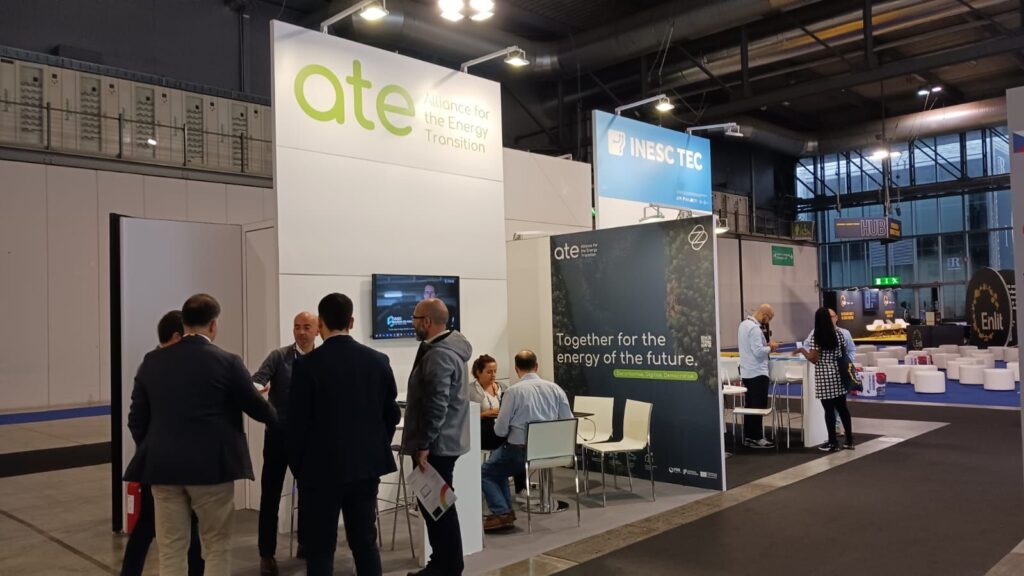
Undoubtedly, the biggest challenge facing humankind today is the energy transition. It is urgent that this ever-present topic moves from intentions to real action. This is precisely the aim of the PRR-funded project, Alliance for Energy Transition (ATE), with strong involvement from INESC-ID.
This collaborative initiative was designed to enhance the competitiveness and resilience of Portugal’s energy sector, positioning the country as a leader in sustainable and digital energy solutions. “It emphasizes how prioritized this area is and the strategic positioning of the country, as it touches on many strategic areas both nationally and internationally—from mobility to consumer services, electrical grids, offshore energy, solar power, and hydrogen,” notes Hugo Morais, a researcher in Sustainable Power Systems and Professor at Técnico.
Led by Efacec, with a consortium of 80 entities, 13 strategic partners, and a €274 million investment (€157M from PRR), ATE encompasses 16 work packages (WPs), each advancing key areas from smart grids to sustainable mobility and renewable energy integration. “It’s gigantic!” says Hugo.
This project is so large in scale that a dedicated association was created—Associação Aliança para a Transição Energética—to manage its 60 companies, 14 R&D institutes, six universities, 11 associations, clusters, public entities, and two laboratories. “ATE arises from the need to strengthen the competitiveness and resilience of companies in Portugal’s energy sector, with the clear goal of leading decarbonization and driving an effective energy transition. Thus, it becomes essential to create innovative, sustainable products, processes, and services with export potential, covering the entire value chain,” summarizes Rui Lameiras, Head of Product Management at Efacec, in an interview with Jornal Sol.
INESC-ID in four work packages
There are six areas of intervention: decarbonization of the energy system, reindustrialization and circular resource use, digitalization of the energy sector, decentralization and democratization of energy, sustainable mobility and industry, and business acceleration in the new economy. INESC-ID plays an essential role in four of the WPs, contributing innovative solutions and technologies aimed at driving both the energy transition and digital transformation of the sector.
“When we talk about the virtualization of functions, we’re referring to a completely new philosophy in substation development. A substation costs around ten million euros, and what we’re discussing is a complete shift in design philosophy—something that will have an impact five or ten years from now.” – Hugo Morais
To improve protections within electric grids, INESC-ID is developing solutions for intermittent fault detection, renewable-based systems, and virtualized protection functions—a shift from traditional Intelligent Electronic Devices (IEDs) to virtualized systems that allow for centralized management and reduced installation costs. “When we talk about the virtualization of functions, we’re referring to a completely new philosophy in substation development. A substation costs around ten million euros, and what we’re discussing is a complete shift in design philosophy—something that will have an impact five or ten years from now,” explains Hugo Morais. “This is to show that we have tangible results ready for the near future—a new station, a new concept for mobility management. We’re already entering the commercialization phase of prototype one and two, with the goal of reaching the market within three years,” Hugo adds.
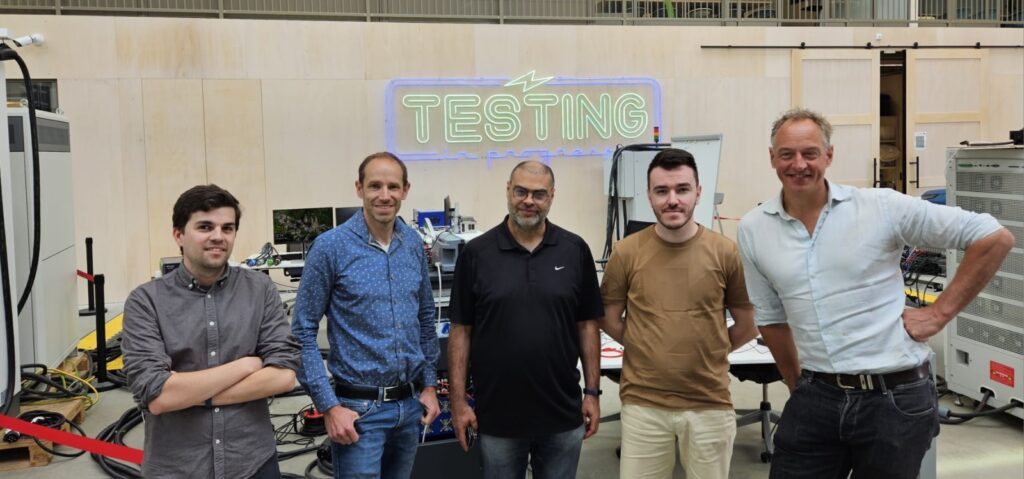
The project is also working on a flexibility services considering different market architectures that hare available in different countries. Afterwards, new services are being designed and will be available in a near future. “Some things will be important now, while others will be relevant in five or ten years. Many outcomes will emerge from the project,” notes Hugo Morais. A significant part of this work results from the collaboration with the Smart Energy Lab. Here, INESC-ID is developing end-user solutions, including cost-effective strategies for electric mobility, battery control, and flexibility services that allow consumers to contribute to grid stability. One ongoing project is the Living Energy platform—a unique tool designed to engage both people and devices. With a user-friendly and visually appealing interface, Living Energy offers real-time data presentation, interactive capabilities, and options for gathering both quantitative and qualitative information.
No crystal balls
The platform can be easily adapted to specific needs, allowing for the collection, analysis, and reporting of key indicators, as well as stakeholder engagement through customization options. With more than 50 registered users across the country and a team of engineers and data scientists, it is possible to gather detailed information about new technologies before they are launched on the market—because, as we can read on the website, “we do not trust crystal balls.”
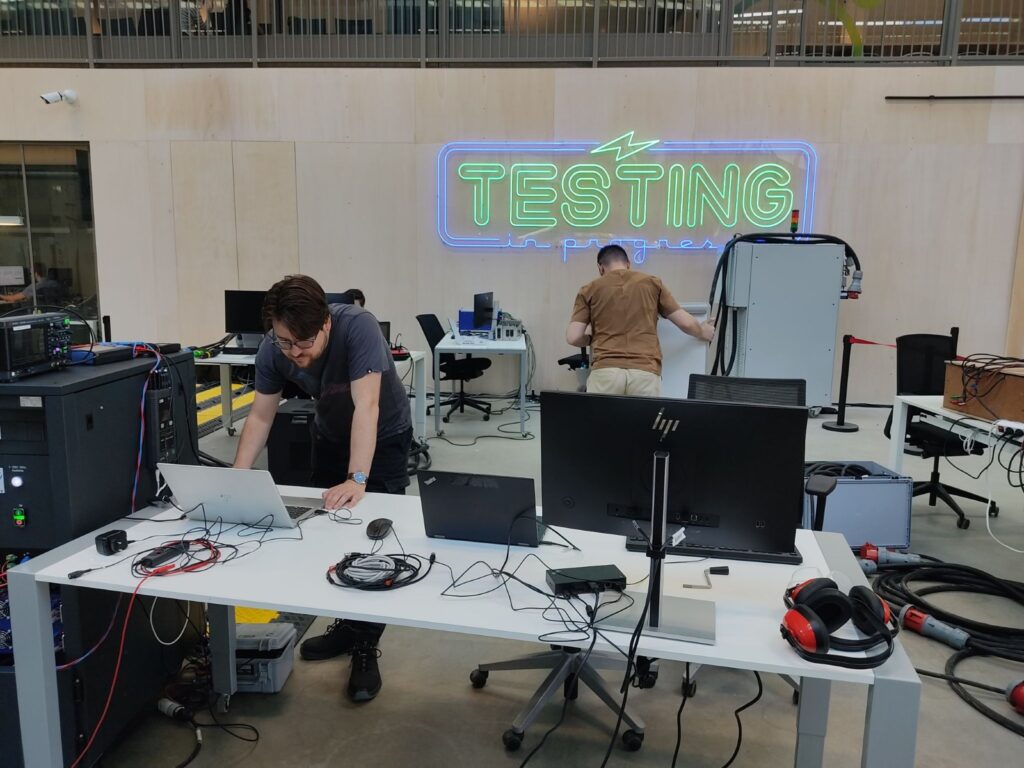
INESC-ID is also managing the implementation of a platform for digitalizing the energy sector and a support laboratory, essential for accelerating product testing and validation to reach the necessary Technology Readiness Levels (TRL) for commercialization. “The goal is to create a network of laboratories from various entities with multiple capabilities, thus avoiding the need for companies to rely on international laboratories,” explains Rui Lameiras. In such a challenging and vast endeavour, continuous training is crucial. INESC-ID focuses on reskilling and upskilling consortium partners, aiming to bolster expertise and adaptability among the professionals involved in ATE projects. Other segments of the ATE include solutions for energy communities, with some focused on offshore wind, which is “quite active,” according to Hugo. Other areas include solar energy, the integration of photovoltaic systems in agriculture, and PV integration in ports to support maritime mobility. In total, there will be 45 new products—80% of these destined for the international market—a turnover estimated at €550 million, generating 700 new jobs and avoiding 3.4 million tons of CO₂ emissions.
The goal is ambitious, as well as the challenge. The moment is now. As ATE continues to unfold, it will not only have a significant impact on Portugal’s energy landscape but also contribute to global efforts toward a more sustainable and interconnected world.
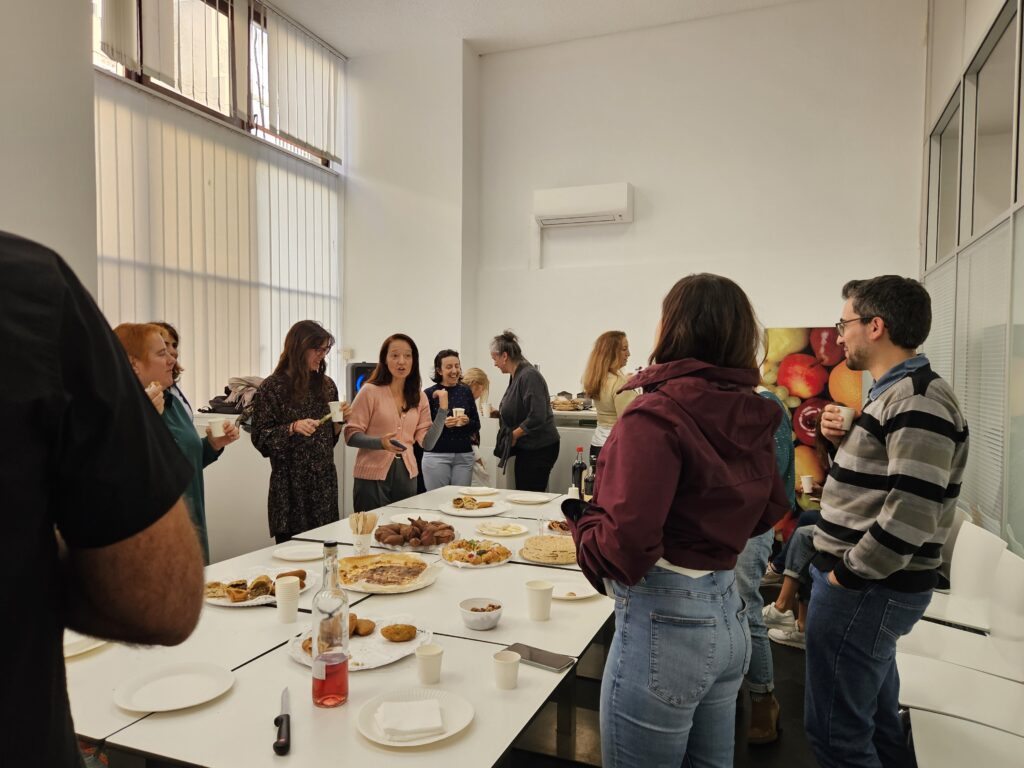
On Wednesday, November 13, INESC-ID’s support staff gathered around roasted sweet-potatoes, snacks and the traditional jeropiga for an internal social gathering!
The occasion not only marked the celebration of the Iberian tradition, Magusto, but was also dedicated to the support offices, which are a key part of the INESC-ID foundation. Accompanied by catchy music, the teams chatted away during the afternoon and seized the chance to sing happy birthday to one of our staff members.
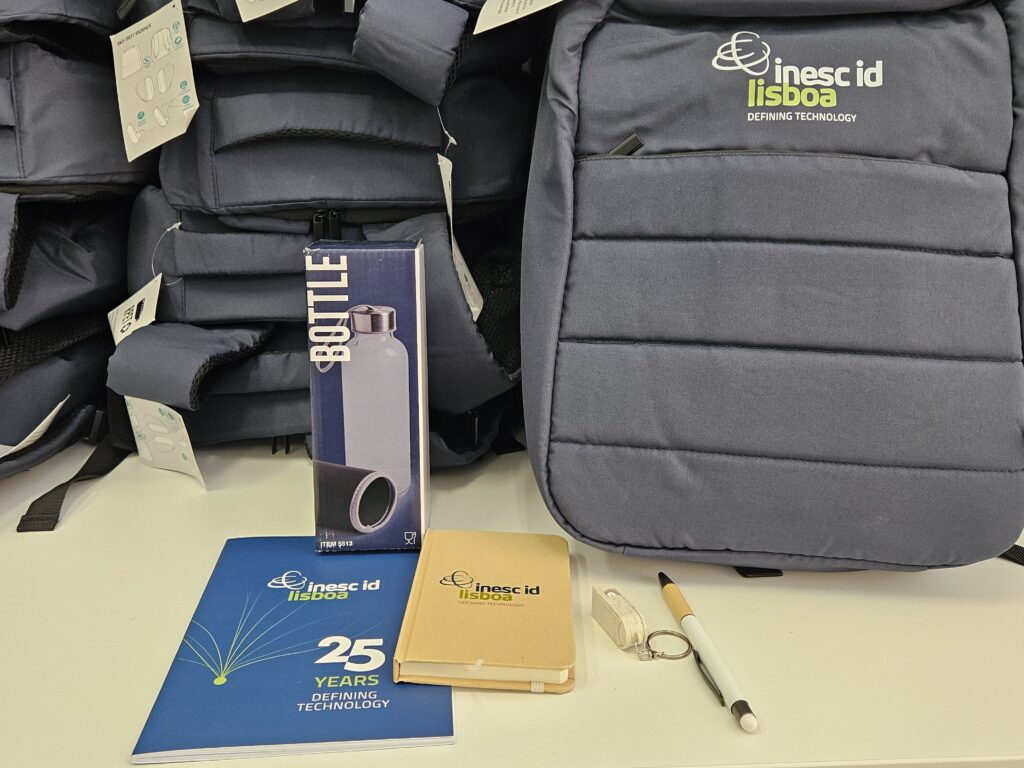
At the end, each participant was gifted one of the brand new INESC-ID merch kits, as a token of appreciation for their daily efforts. We believe these special occasions will foster new connections and strengthen collaborations behind the scenes at INESC-ID.