Which forms can hate speech take? How to recognise them? Paula Carvalho, an INESC-ID researcher and member of the Project KNOwHATE team, joined Amanda Lima, journalist and editor of Diário de Notícias Brasil, in the second episode of the podcast “Cortar o Mal pela Raiz” (Cut the Evil at its Root), moderated by Cláudia Semedo. In this episode, the three participants discussed and analysed the complexity, multiple facets and subtleties of direct and indirect hate speech.
The Podcast “Cortar o Mal Pela Raiz” is a four-episode series giving voice to various perspectives and experiences with a common goal: understanding online hate speech in Portuguese to combat it.
The podcast is part of the KNOwHATE consortium, funded by the European Union through the Citizens, Equality, Rights and Values program, and which includes INESC-ID,ISCTE – Instituto Universitário de Lisboa, the Interactive Technologies Institute, among other partners. It aims to offer an innovative, comprehensive, participatory, and culturally sensitive approach to analyse, detect, and combat direct and indirect hate speech in Portuguese.
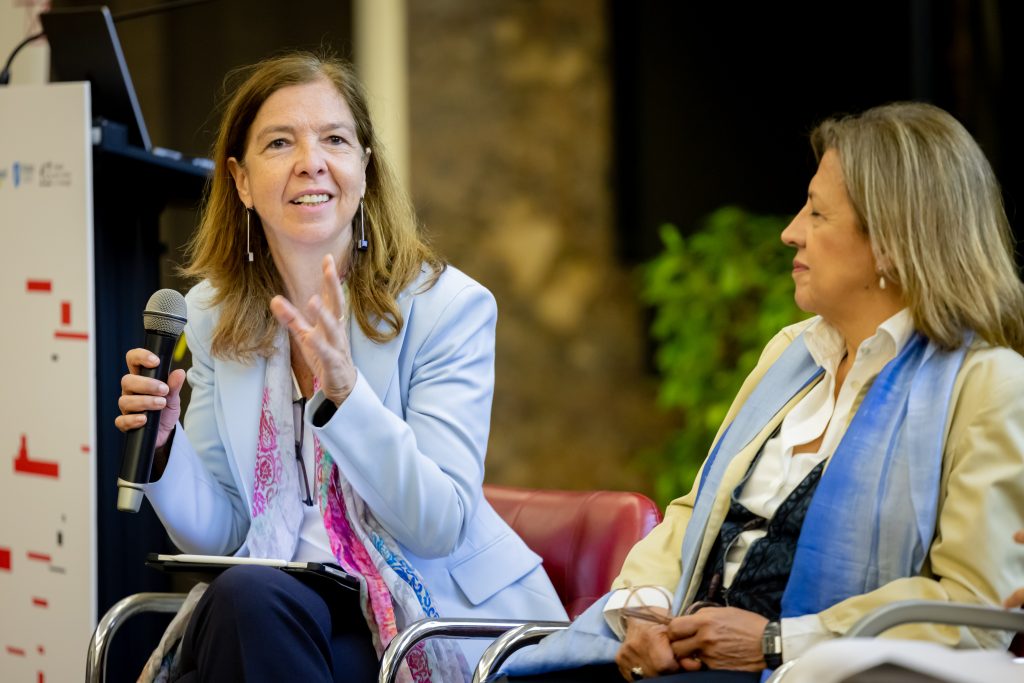
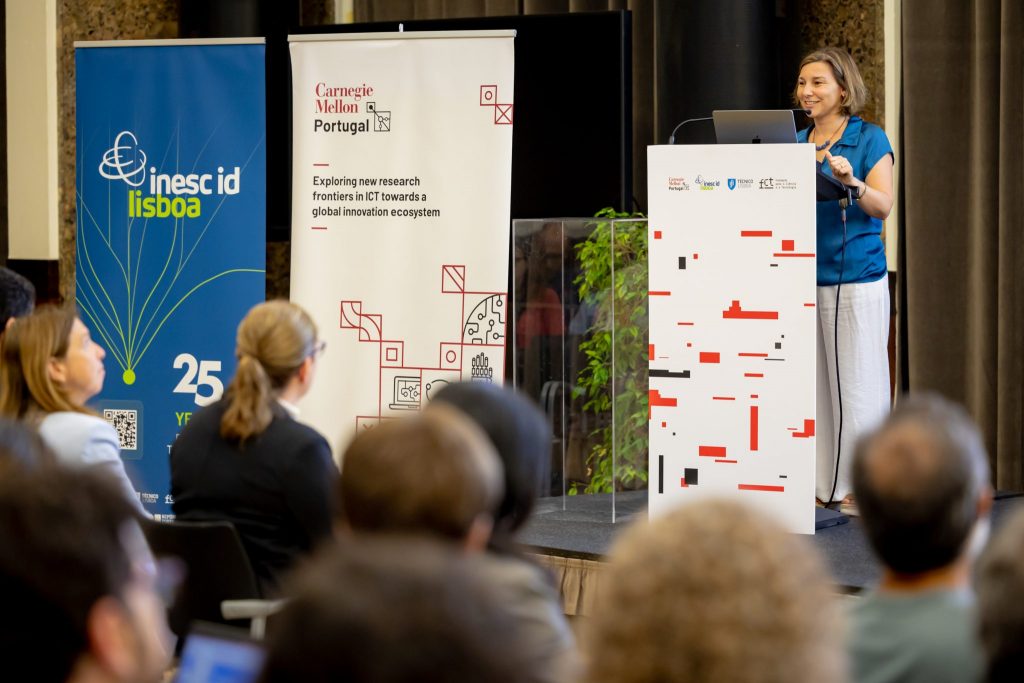
“Fighting gender imbalance is not hard. In fact, it is much easier than nuclear physics or Artificial Intelligence,” states Jeria Quesenberry, professor of Information Systems at Carnegie Mellon University (CMU) and author of the book “Kicking Butt in Computer Science: Women in Computing at Carnegie Mellon University”. Jeria was speaking during the roundtable that followed the talk “Breaking Barriers in Technology: Women in Computing at Carnegie Mellon and Global Perspectives,” held on June 26 at Instituto Superior Técnico in Lisbon, an event co-organized by INESC- ID and the Técnico Gender Balance Group.
Jeria shared the outcomes of her research on women in computing, highlighting best practices and challenges from her experience at CMU and showcasing examples from the Computer Science undergraduate program at CMU over the years. According to the researcher, “Gender imbalance is a topic that requires work. It is a multifaceted problem that demands a multi-layered approach.” She added: “When I started my research 25 years ago, this was a new topic. Now there is a broader recognition of the problem; speaking about gender balance is no longer a question.”
As of 2019, in the US, women represent just over half of the professional workforce but only 27% of computing jobs, and African American and Latinx women hold less than 10% of computing occupations. The highest representation of women in ICT work can be found in the Asia-Pacific region (30.4% women) and Africa (31.3% women).
Regarding Carnegie Mellon University’s reality, CMU SCS undergrad gender diversity has been higher than national averages for 15+ years. In 2019, 49% of new CS students were women. Since 2022, that percentage has been divided between women and nonbinary; in 2023, it was registered at 46% and 3%, respectively. Regarding major graduates, females and males are at about the same rate – women are 93%, and men are 92%. In the mid to late 90s, female students only represented 5-12% of the students in the field.
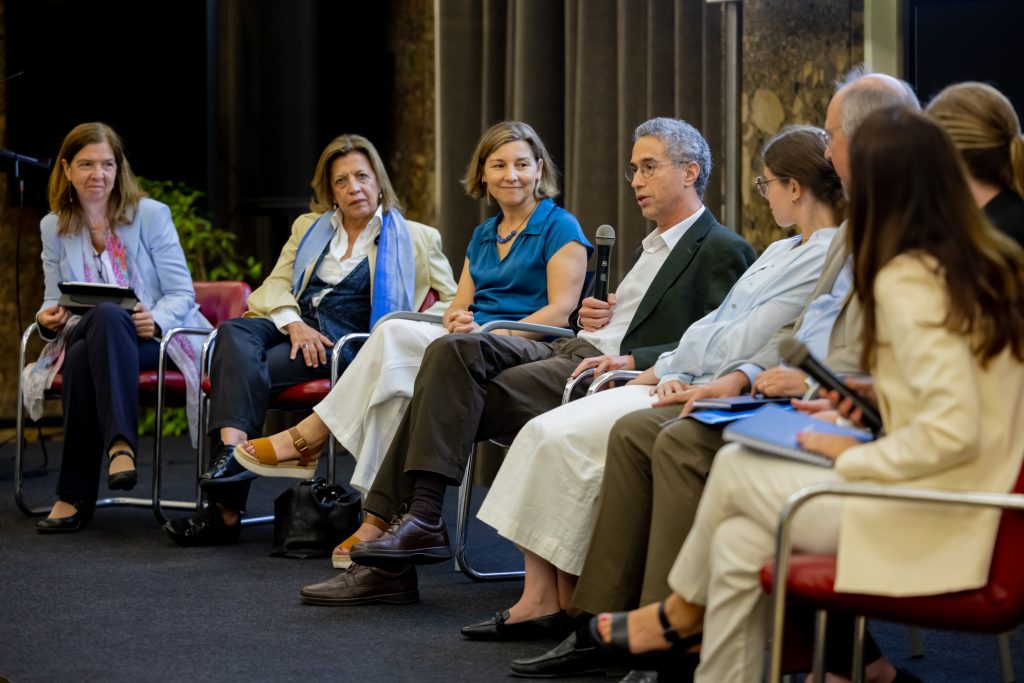
The roundtable themed “Gender Imbalance in STEM: The Portuguese Academic Experience” gathered Ana Paiva, Portuguese Secretary of State for Science; Anália Cardoso Torres, Professor at Instituto Superior de Ciências Sociais e Políticas, Universidade de Lisboa; Inês Lynce, National co-Director of the CMU Portugal Program and President of INESC-ID; Jeria Quesenberry; João Peixoto, Vice-Rector of Universidade de Lisboa; Leonor Barreiros, a master student at Instituto Superior Técnico; and Luís Lemos Alves, Professor at Instituto Superior Técnico. Sara Sá, science writer at INESC-ID, moderated the discussion.
Fresh out of the oven, Anália Cardoso Torres presented findings from the study “Gender Equality in Higher Education Institutions,” which analyzed gender equality policies in Portuguese higher education. The study revealed that despite late efforts, Portugal is making strides in addressing gender inequalities in academia. Inês Lynce shared her personal experience and discussed the underrepresentation of women in academic leadership and the importance of fostering self-confidence in young girls from an early age. Ana Paiva highlighted the need to guarantee gender balance in the law, but supporting education, awareness, and cultural activities can have a big impact. The Secretary of State mentioned some activities that have been developed, such as the RESTART Program.
Jeria’s trip to Portugal included a visit to INESC TEC in Porto and is part of the tradition of bringing Carnegie Mellon University speakers to Portugal to share best practices and experiences on the topic of gender balance in academia. A subject that (unfortunately) still needs to be discussed.
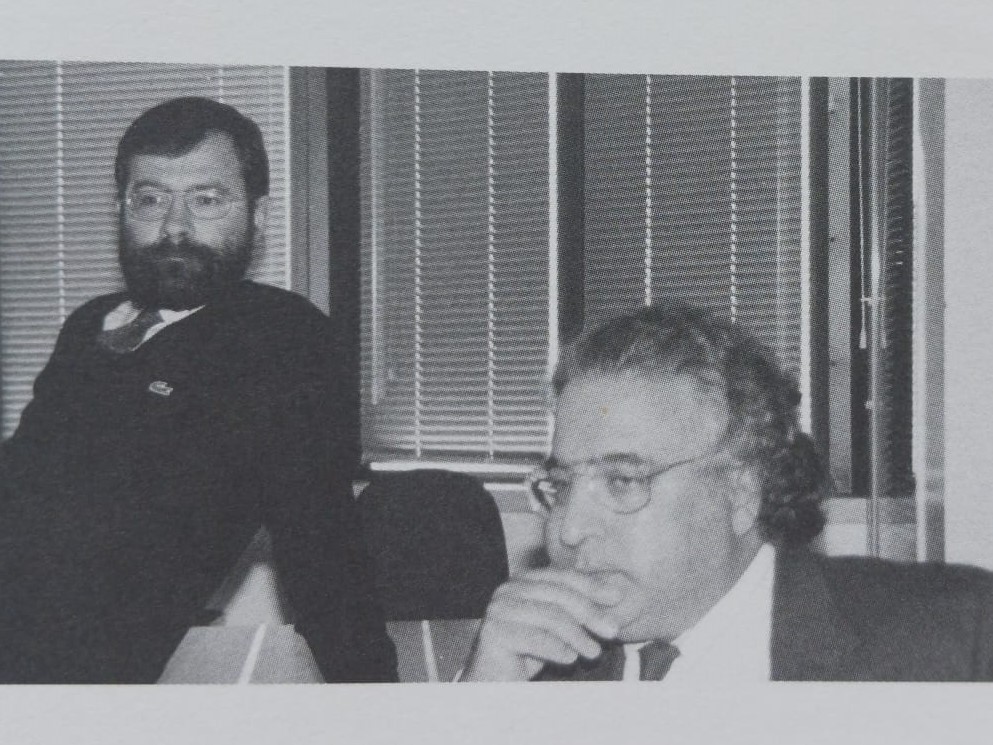
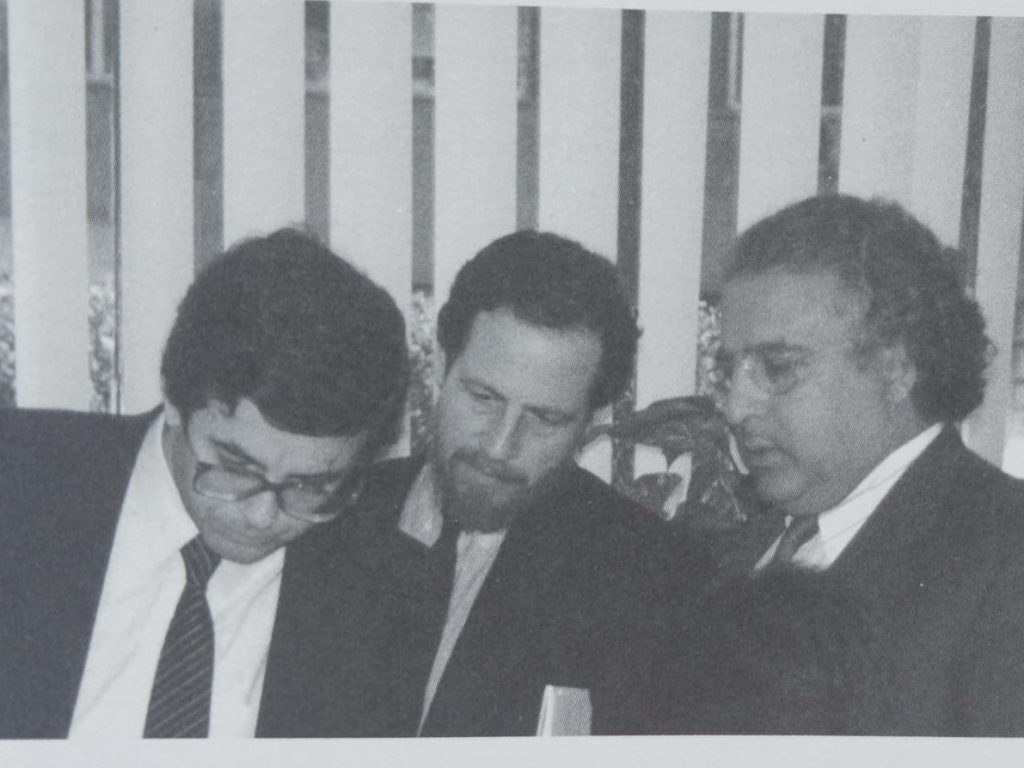
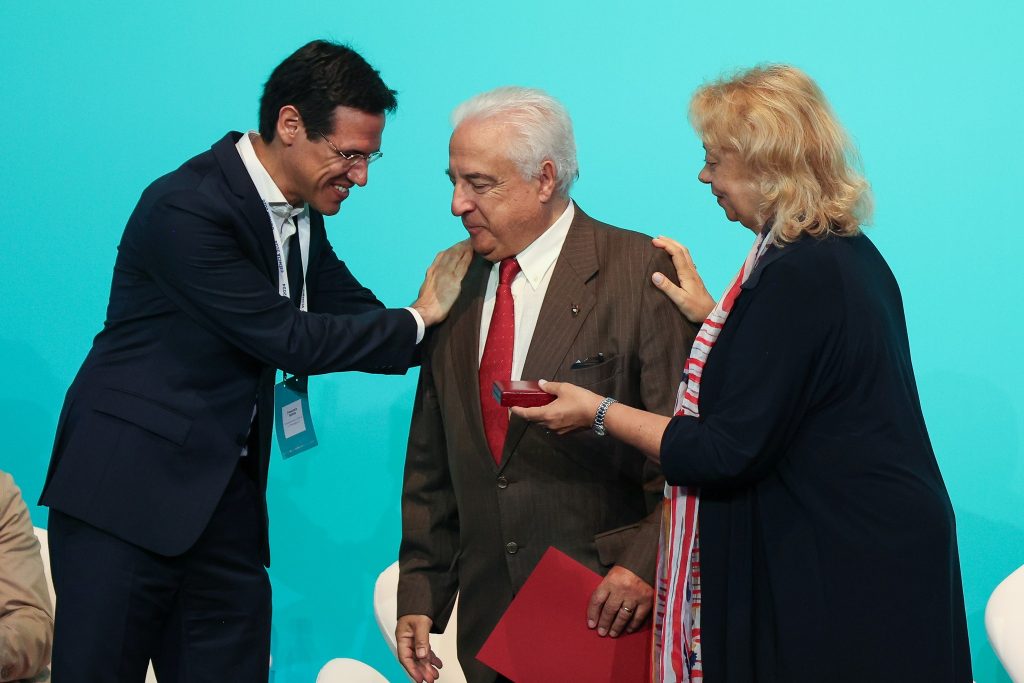
José Tribolet’s life is intertwined with the history of INESC. This dedication to science and technology was recognized by Fundação para a Ciência e Tecnologia during Encontro Ciência 2024 with a Scientific Merit Medal.
The idea to create a research institute focused on technology came to him in his twenties, after studying and working at prestigious institutions in the United States: MIT, where he completed a PhD in Electrical Engineering and Computer Science, and Bell Laboratories, where Tribolet worked as a researcher in the acoustics department. “They were engines of technology production, and I grasped what a fully technological university entails,” he recalls.
Upon returning to Portugal, and inspired by the April Revolution four years earlier, Tribolet, along with colleagues João Lourenço Fernandes and José Fonseca de Moura, began conceptualizing a research institution dedicated to R&D in collaboration with Instituto Superior Técnico. In early 1979, the team began seeking funding for projects in electronics, digital systems, and digital signal processing. “I felt obligated to give back to the country what I had learned in the USA, especially at the university. Without investment in research, we cannot develop competent human resources or ensure quality education.” Having come from Bell Labs, the importance of digital transformation became evident.
A year and a half after the inception of the research institution, the association was formally established. It was August 1980, with founding partners IST and UTL from the academic side, and CTT and TLP from the business sector – following a fifty-fifty partnership logic.
Arlindo Oliveira, President of INESC since 2020, succeeding José Tribolet, underscores that “the Medal of Scientific Merit awarded to Prof. José Tribolet not only recognizes his individual contributions as a scientist and researcher, but also his vision and ability to cultivate an ecosystem for scientific research and technological development that has evolved into today’s INESC system.” A vision, he stresses, that has decisively influenced today’s national scientific system, “comprising a network of autonomous and independent institutions with their own strategies and dynamics, which underpin major scientific advances in Portugal.”
In parallel with founding and leading INESC, Tribolet established both the bachelor’s degree in Computer Science and Engineering at IST, in 1989, and the Department of Computer Science and Engineering in 1998, together with colleagues João Pavão Martins and José Alves Marques. As a scientist at INESC-ID, in research area Information and Decision Support Systems, he focused on applying digital signal processing to various fields, including seismic studies, speech coding, and recognition. Later, Tribolet developed an interest in Enterprise Engineering. “The primary concern in any company or organization is purpose. We must ask ourselves, ‘what is our purpose?’”
In 1999, INESC underwent restructuring to establish more focused institutions with distinct and complementary objectives. INESC-ID emerged from this process. “INESC-ID represents a fundamental capacity in research and human capital development in computer science and electrical engineering, contributing directly to applied research, technological development, and services”, Tribolet mentions.
For Inês Lynce, President of INESC-ID, José Tribolet is a “man ahead of his time” who “shaped a generation.” With an unceasingly curious mind, José Tribolet emphasizes that for the future, we must manage virtual spaces alongside legal frameworks to safeguard our reality. Only then can we fully leverage the potential of technologies like AI. “Data is not information, and all data contain errors,” he observes. “Today, we do not fully harness the potential of people within organizations; we often treat them like robots.”
INESC-ID has signed an agreement to join as Affiliate partner of the Current/OS Foundation, a non-profit, independent and open EU foundation for the promotion and adoption of active Direct Current (DC) solutions.
Established in 2021 in the Netherlands and managed by ABB, Eaton, Schneider Electric, Tridonic and UL Solutions, the Current/OS Foundation is leading research and innovation to shape a direct current (DC) standard, that enables partners to develop DC-certified products or services for the construction of DC buildings, including DC microgrids. These localised energy systems can operate independently or in conjunction with the main power grid. This emerging technology seeks to establish innovative DC solutions over traditional Alternating Current (AC) systems, modernising energy installations for a more sustainable future.
Current OS is already a member of Shift2DC consortium, a Horizon Europe funded project lead by INESC-ID. Shift2DC intends to offer a new approach on the way direct current (DC) solutions are used in power systems by creating smarter, more efficient, and eco-friendly energy systems. Focusing on the integration of DC solutions in four main infrastructures – Datacenters, Ports, Buildings, and Industry – Shift2DC expects to reshape the use of electricity.
As a Research and Development Institute with a research area specialised in “Energy Transition”, INESC-ID has now joined the list of Current/OS Foundation members. This collaboration will enable INESC-ID to actively contribute to the advancement of EU unified standards for the full adoption of DC systems, aiming to establish Current/OS as a worldwide standard for electrical distribution.
Hugo Morais, INESC-ID senior researcher and Shift2DC project coordinator: “Integration of INESC-ID in Current/OS will bring us the opportunity to work closely with lead stakeholders in the development of DC solutions. Our main aim is to contribute with our knowledge and expertise in the planning and operation of distribution systems as well as in the developing and testing innovative power electronic interfaces. Finally, participation in Current/OS will also improve the collaboration in the development of pilots and experiments as the one that are being implemented in Shift2DC project related DC Ports.”
Yannick Neyret, President, Current/OS Foundation, added: “We are extremely pleased to be strengthening our collaboration with the INESC-ID. Academics will play a key role in our community to ensure education of students to the direct current electrical distribution and to lead research to complete our knowledge of DC.”
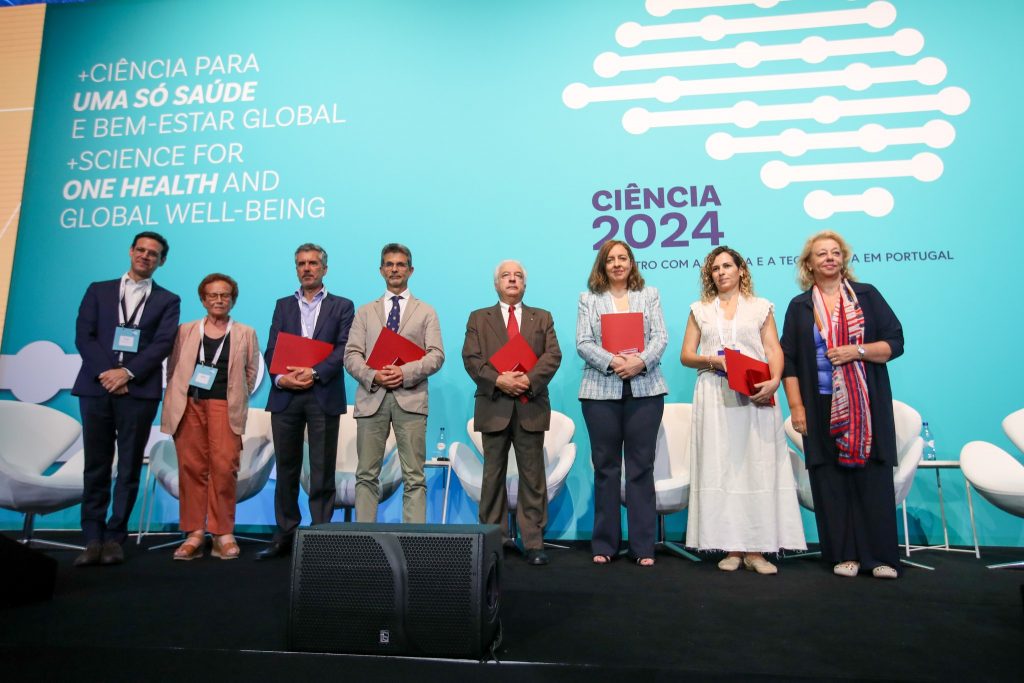
From July 3 to 5, the city of Porto became the center of science and innovation during the Science Meeting “Ciência 2024”, Portugal’s premier Science and Innovation event. Organized by Fundação para a Ciência e a Tecnologia (FCT), Universidade do Porto, and Ciência Viva, the event brought together a vibrant community of national and international researchers to exchange cutting-edge results, knowledge, and experiences under this year’s inspiring motto: “+Science for One Health and Global Wellbeing”.
INESC-ID once again showed a strong presence this year, co-organizing and participating in two impactful sessions. The first session, “Smart Care: The Bridge Between AI and Healthcare Systems According to Advances Made at INESCs”, brought together INESC-ID with partner institutes INESC TEC, INOV, and INESC-MN, along with key players from the healthcare sector.
Aligned with our institute’s R&D Thematic Line – Life and Health Technology and mission to address pressing societal challenges, the discussion focused on key advances in Smart Care, through the emerging contributions of the INESCs institutes at the intersection of Artificial Intelligence and Health Systems. Rui Henriques, a researcher at INESC-ID, presented “Human Health Technologies: Ongoing Advances at INESC-ID,” highlighting the institute’s innovative R&D+i initiatives. His presentation covered a range of cutting-edge topics, including smart monitoring for intelligent care, precision decision-making for diagnosis and treatment, and advanced robotics for critical and social care, optimization, and molecular therapies.
The second session, titled “Collaborative Projects within Portugal’s Partnerships with Carnegie Mellon Portugal Program, MIT Portugal Program, and UT Austin Portugal Program”, was hosted by the three programmes. The CMU Portugal session was moderated by INESC-ID President and co-director of CMU Portugal, Inês Lynce, and highlighted innovative initiatives, partnerships, and contributions to talent and academic development, industrial innovation and entrepreneurship.
In the third session “ERC in Portugal: Sinergies and Good Examples”, a panel of researchers consisting of European Research Council (ERC) Grantees, former ERC Panel members, and ERC-Portugal participants, including INESC-ID researcher Nuno Santos, shared their valuable experiences and debated future opportunities.
A highlight of the event was when José Tribolet, Founder of INESC and Professor Emeritus at Instituto Superior Técnico, was honoured with the prestigious Scientific Merit Medal by the Ministry of Science, Technology, and Higher Education. This award celebrates individuals whose exceptional contributions have significantly advanced science and scientific culture in Portugal.
INESC-ID researcher, Nuno Santos, has been recognised with an award in the 2024 edition of the Universidade de Lisboa / Caixa Geral de Depósitos Scientific Awards (Prémios Científicos Universidade de Lisboa / Caixa Geral de Depósitos).
Nuno Santos, researcher at INESC-ID in the Scientific Area of Distributed, Parallel and Secure Systems, and professor at Instituto Superior Técnico, received the award for his contributions in the field of Computer Science and Engineering, among 44 fellow nominees. The award ceremony took place in the evening of June 25, at the Salão Nobre da Reitoria in Universidade de Lisboa.
The UL/CGD Scientific Awards and Honourable Mentions recognises researchers, across 26 scientific areas, celebrating their contributions and encouraging publications in renowned international journals.
Working in agriculture is exhausting, unpredictable, and sometimes not financially rewarding. Miguel Batista is a son, grandson and a great-grandson of cherry producers and he surely knows what he is talking about when mentioning the hardships, and also the joy, of living off farming. “I am afraid my son will not be a cherry producer”, he admits while talking at a debate taking place at Festa da Cereja, in Alcongosta, Fundão. Under the name “Cherry 4.0 – on the road to modernization”, organized by the Ciência Viva Agency and the Fundão Municipality, the gathering joined cherry producers, scientists and technology people. Batista, from the company Sota e Lino, provided the motto for the discussion. “When I started 30 years ago, no one checked the labels. Nowadays, everybody does.”
And there is a lot of information that can be added to a label, like the origin, carbon footprint, fertilizers used during cultivation, all of this weighs increasingly more when the consumer decides. The Agenda “Decentralize Portugal with Blockchain”, funded under the PRR (Programa de Recuperação e Resiliência), in which INESC-ID is one of the promoters, aims to create a national blockchain network, preparing the country to be a world leader in the technology. It was also showcased during the debate.
Coordinated by VOID Software and comprising 56 entities, including companies, research institutions, associations, and public bodies, “Decentralize Portugal with Blockchain” is organized into ten work packages addressing sectors like agriculture, digital asset management, and interoperability. With an investment exceeding 72 million euros, the agenda aims to launch 26 scalable products with significant export potential. Key focuses include “farm-to-fork” traceability integrating IoT with blockchains, managing digital assets in real estate and beyond, and interoperability solutions for data exchange between diverse blockchain systems and technologies across sectors. The end goal, as described on the project’s website, is “to propel Portugal to the forefront of blockchain technology in Europe and advance the country’s digital transformation.”
Tracing the origins of Cereja do Fundão
One of the proposed applications – Work Package 1 – is concerning the traceability of Cereja do Fundão. Fundão Cherries, cultivated in the Cova da Beira region of Portugal, stand out for their superior quality and unique characteristics that make them valuable in the market. However, it is important that they are authentic and monitored from origin to consumer. So, the goal of this demonstrator is to develop a first version of an innovative information system to ensure the traceability of Fundão cherries from harvest to consumer, with the vision of the “importance of technology as a driver of innovation and taking advantage of global business opportunities made possible by this technology”, notes the coordinator of the project, Miguel Pardal, an INESC-ID researcher, from Distributed Parallel and Secure Systems, and a professor at Técnico. “The use of Blockchain aims to ensure the integrity of the collected data, providing a reliable source of information about the origin and quality of cherries”, Pardal explains. “Unlike traditional databases, it is not under the control of a single entity but rather involves a network of partners, including producers, distributors, retailers, and technology providers.”
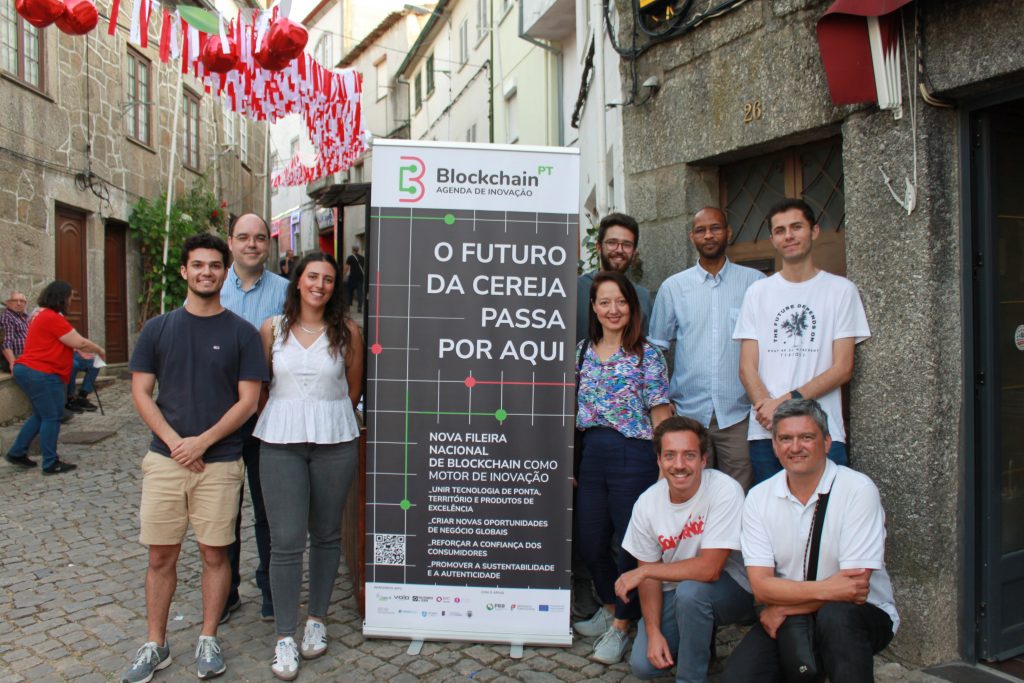
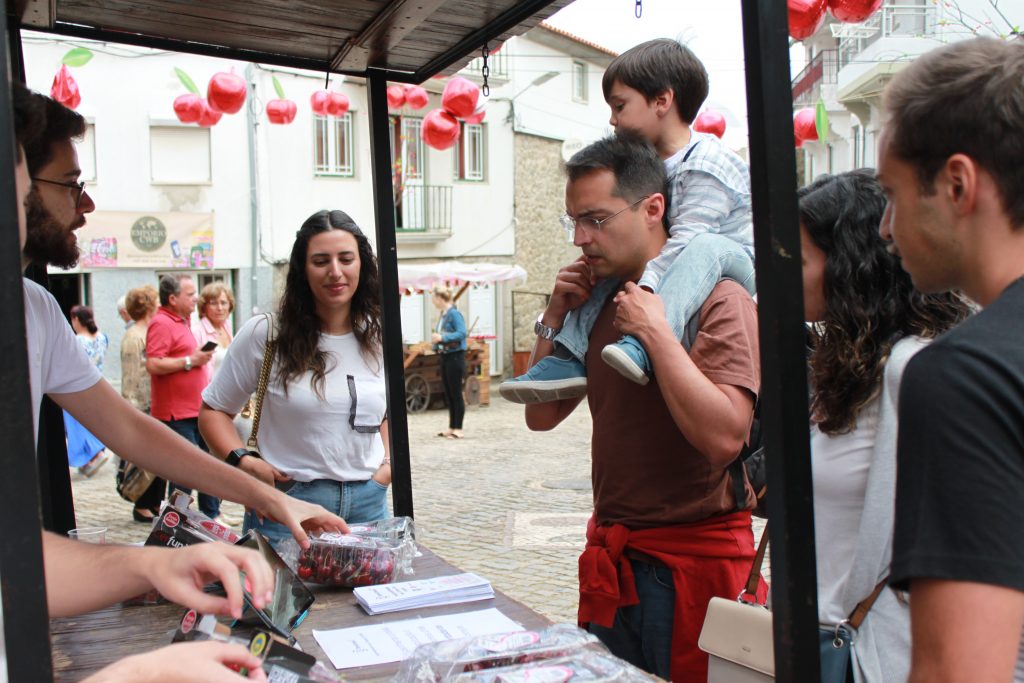
Festa da Cereja, in Alcongosta, was the perfect opportunity to demonstrate it to the population and test its impact. The demonstrator, developed in collaboration with the organization of cherry producers Cerfundão, the retailer Sonae MC and the technology company Sensefinity, included an app through which consumers can have access to the information.
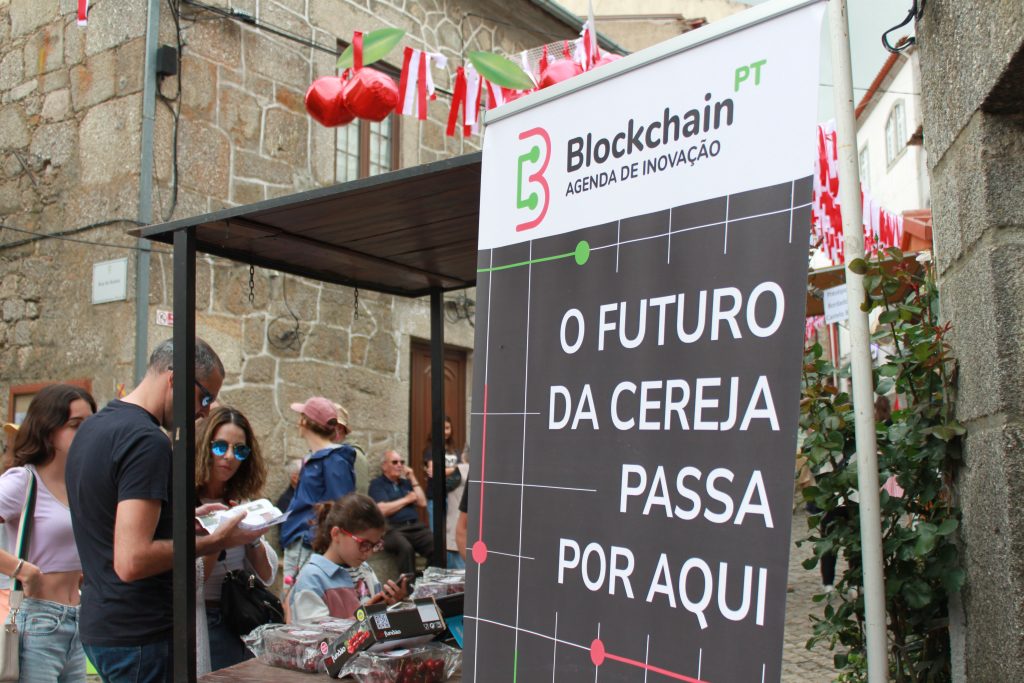
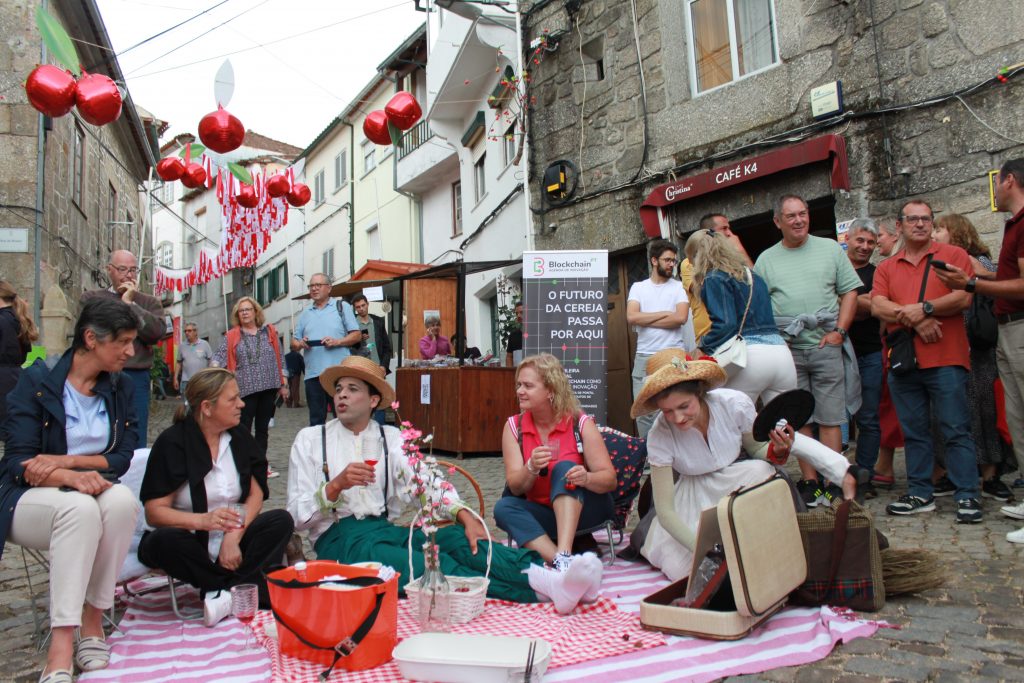
Visitors passing through the main street of the mountain village during Festa da Cereja were looking for the traditional cherry products, like pies and liquors. But they also found technology. For two days, on the stand of Blockchain.pt people could test the system and become familiar with the main aspects of the project. By reading the QR code on the box, the app would show the community area (freguesia) in which it was produced and all the steps the fruits have gone through to reach the customer. “The focus of this initial demonstrator is the assurance of origin and, therefore, the locations involved in the supply chain. In the future, the system will include integrated sensors for temperature, humidity, light, and vibration, for example, in field boxes and packaging labels, to enable better monitoring of transportation and storage conditions”, Miguel Pardal explains.
Where technology meets tradition
The project involves a group of master students, working on the app in order for it to be appealing to end users, with a gamification component. All the server programming is also with INESC-ID. The smart label is being developed by Sensefinity with the data sent through LoRa net. The position, detected by GPS, is communicated every five minutes, from the fields to Cerfundão, and then on every thirty minutes. The labels are attached to the boxes and pallets and the sensor also registers temperatures and humidity. “These data can be relevant in case there is some sort of sanitary problem”, underlines the CEO of Sensefinity, Orlando Remédios.
The system will be integrated with the enterprise information systems of the partners involved in the supply chain. The use of Blockchain aims to ensure the integrity of the collected data, providing a reliable source of information about the origin and quality of the cherries. “Unlike traditional databases, this information is not controlled by a single entity, but by the group of partners involved in the system, including producers, distributors, and retailers, as well as the technology providers involved”, Miguel Pardal explains.
“This approach enables the construction of shared systems even in environments where there is only partial trust between partners, which often hindered the adoption of new technologies. By using blockchain, we can ensure that data and code are managed securely and transparently, eliminating single points of failure and preventing fraud. This model can be applied to various sectors and help boost the economy.” – Miguel Pardal
Cherries were only a start. Other food products might follow, like almonds and meat. “This project is building a food traceability system that provides guarantees about the origin of products”, Miguel Pardal summarizes. “It can also monitor their storage and transport conditions to protect quality and freshness.”
According to Miguel Pardal, this project can have a significant impact on the agriculture sector, protecting and adding value to Portuguese products. “From a research perspective, it allows for experimenting with new business integration architectures by implementing a logically centralized system—simpler, with which all participants communicate and with common data schemes—but with technological guarantees that data storage and code execution are performed in a decentralized and consensual manner among all business partners. This approach enables the construction of shared systems even in environments where there is only partial trust between partners, which often hindered the adoption of new technologies. By using blockchain, we can ensure that data and code are managed securely and transparently, eliminating single points of failure and preventing fraud. This model can be applied to various sectors and help boost the economy.” A new dawn is rising.
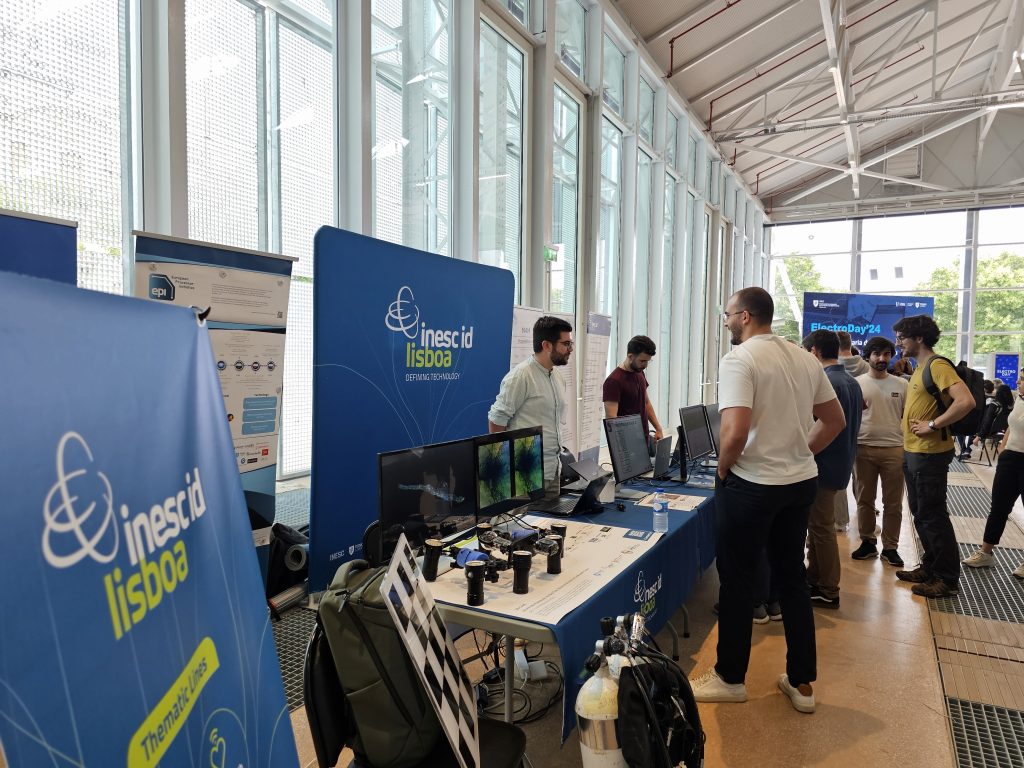
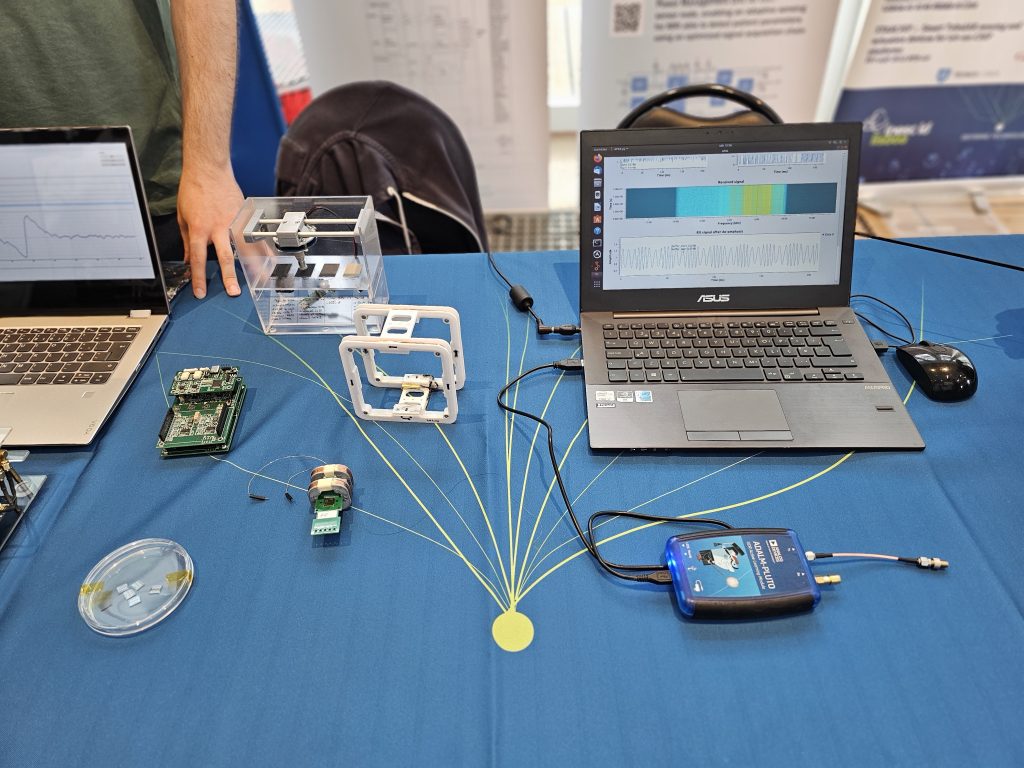
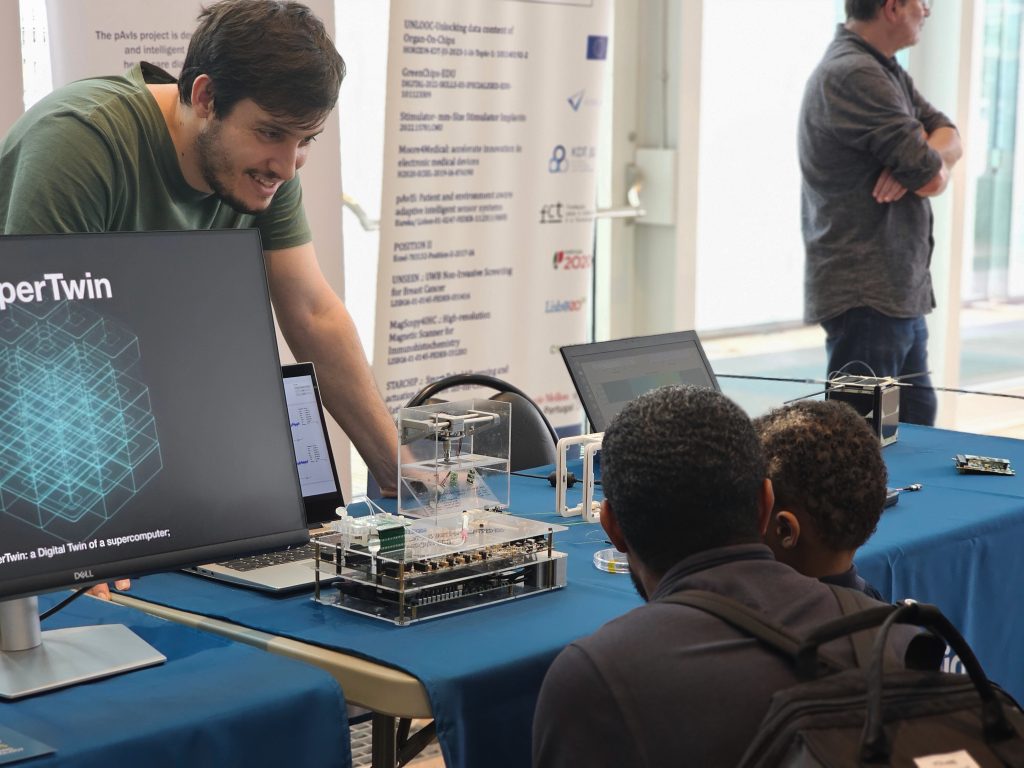
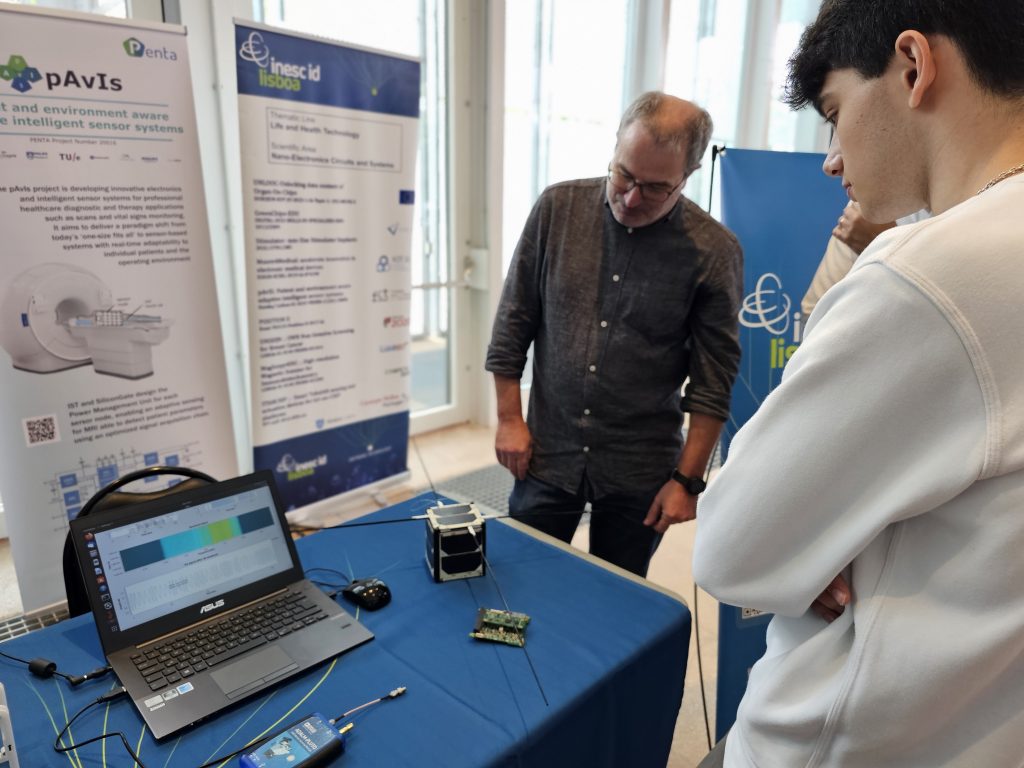
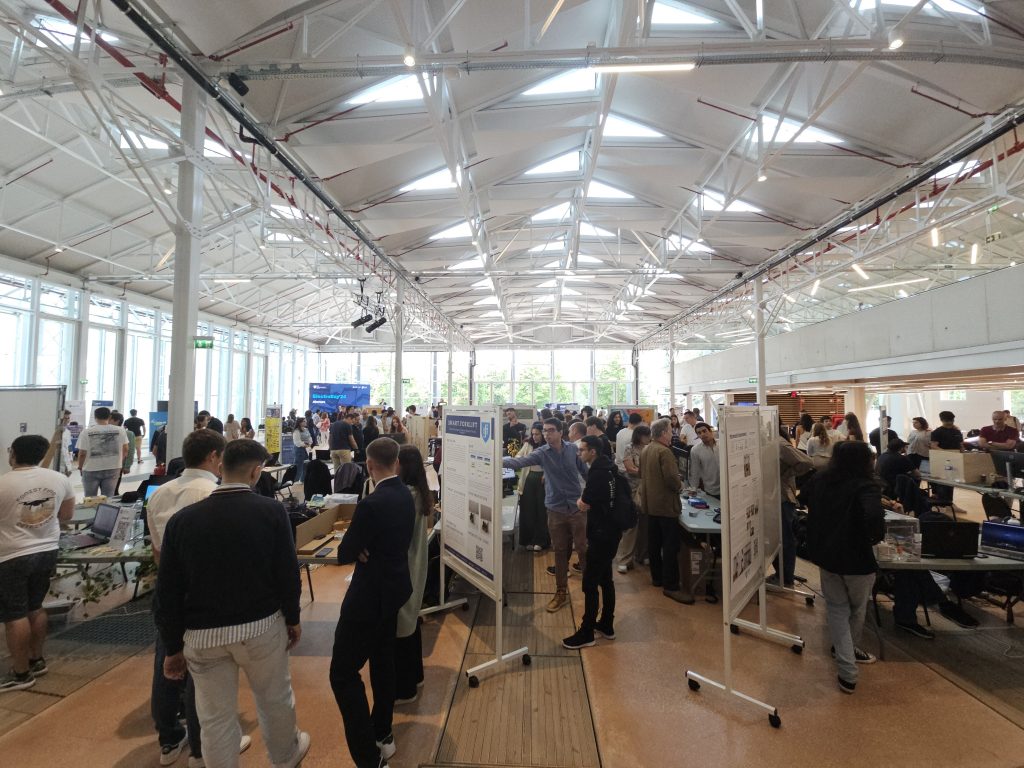
Last Saturday, INESC-ID marked its presence at ElectroDay 2024, held at the Técnico Innovation Center (TIC), with its researchers enthusiastically presenting several projects in the field of Electrical and Computer Engineering.
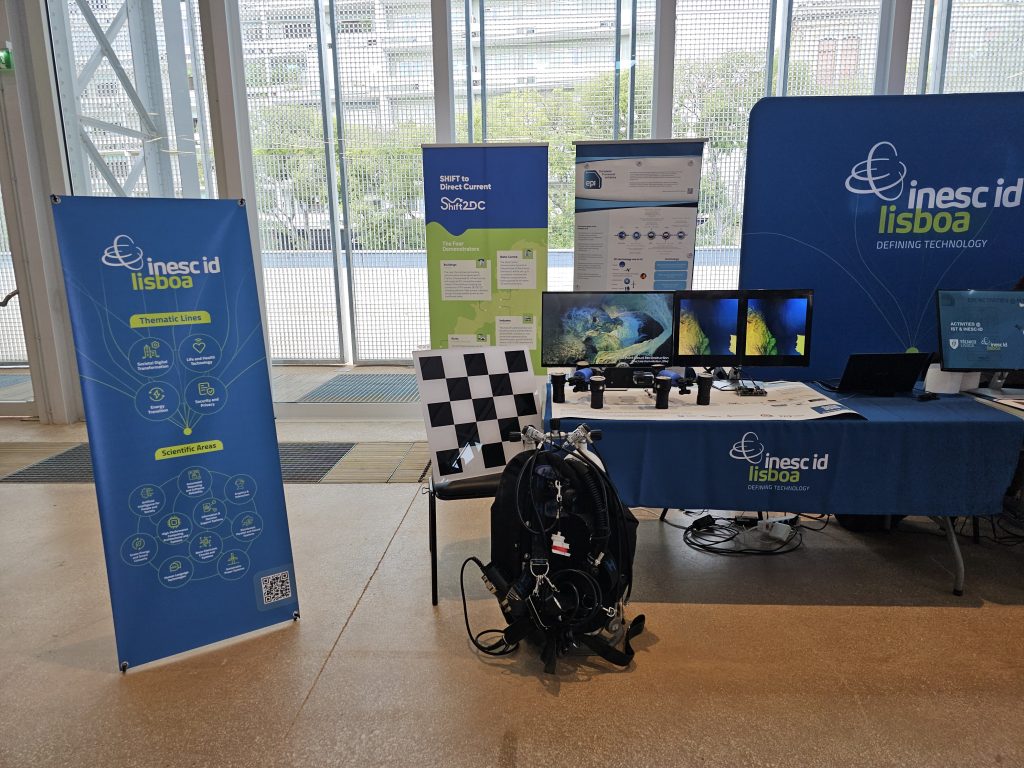
In a venue completely packed with engineering enthusiasts, students, families and friends, the INESC-ID stand showcased projects at different stages of development, such as the “3D-CAVE Project”, presented by Nuno Neves, André Costa, Nuno Roma and Pedro Tomás (HPCAS); “European Processor Initiative (EPI)”, presented by Pedro Tomás, Nuno Neves and Tiago Rocha (HPCAS); “Cache-aware Roofline Model: HPC impact in EU projects”, presented by Aleksandar Ilic, José Morgado and Alexandre Rodrigues (HPCAS); “Embedded systems projects at INESC-ID”, presented by Gonçalo Tavares, Ruben Afonso and Fabian Näf (NCES); and “Shift2DC – Revolutionizing the way we use Electricity”, presented by Hugo Morais (SPS) and Guilherme Paraíso (GESC).
The event provided a unique opportunity to highlight our researchers’ work and share their enthusiasm with both experts and curious attendees. Many visitors stopped by our stand to ask questions, listen to our researchers, and watch their demonstrations, supporting INESC-ID’s mission of expanding its science communication initiatives.
ElectroDay is an initiative of Técnico’s Department of Electrical and Computer Engineering (DEEC). The 2024 edition featured a diverse program with participation from various institutes, research centers, and student groups, showcasing their work and projects in fields such as electronics, computer science, IT, telecoms, and aerospace. Additionally, it included the ‘ElectroCap Demo Day,’ the final public presentation and prize awarding of the ElectroCap program, where 32 student teams organized to solve real engineering problems, aiming to integrate as many concepts learned during the first cycle as possible.
Arlindo Oliveira, INESC-ID researcher in the area of Information and Decision Support Systems, was elected a member of the Lisbon Academy of Sciences, receiving the status of corresponding member of the science class, 8th section – Information Sciences and Technologies. The official diploma award ceremony will take place on July 4th, day of the Academy of Sciences, at its Salão Nobre.
Aiming to foster scientific research, education and knowledge transfer, and other forms of national culture, the Academy of Sciences consists of two classes, Sciences and Letters, each divided into nine sections. The members can be any Portuguese citizen with scientific or literary work produced, and corresponding members are expected to attend plenary sessions, contribute to the academy’s work and increase the activities of their respective sections. Effective members, moreover, tackle activities of higher prestige, such as management of activities, presentation of their own reports, proposals, etc, and electing and being elected to academic positions.
On 2023, INESC-ID researcher in the same scientific area, José Borbinha, was appointed corresponding member.
Rui Castro, an INESC-ID researcher under the Sustainable Power Systems Scientific Area and a Full Professor at Instituto Superior Técnico, has recently published a new book entitled “Engineering of Power Systems Economics” (Springer 2024). The book tackles engineering topics in power systems, and explains economic theory from an introductory level before applying it to systems.
The volume, which includes worked examples and problems, is divided into two parts; one focused on classic economic theory, and other on applying the theory to specific real world situations. Through this practical approach, the author intends to further highlight the connection between economics and engineering, within the power system context, easing the application of the knowledge acquired into the reader’s everyday work.
Covering all the fundamental principles of power systems economics, from an engineering point of view, the book is targeted at university master’s students. Nonetheless, it also represents a useful tool for PhD students and practicing engineers who seek to enhance their understanding of the matter.