Blog

  • Rain or shine, INESC-ID brought science to the European Researchers’ Night

    Rain or shine, INESC-ID brought science to the European Researchers’ Night

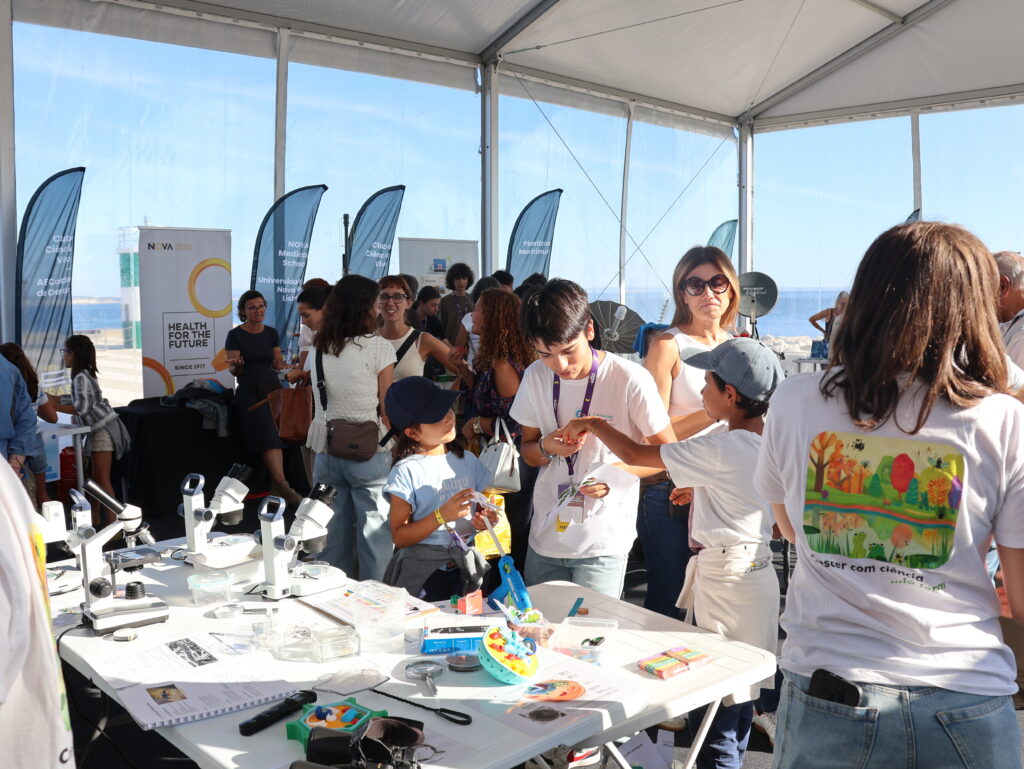
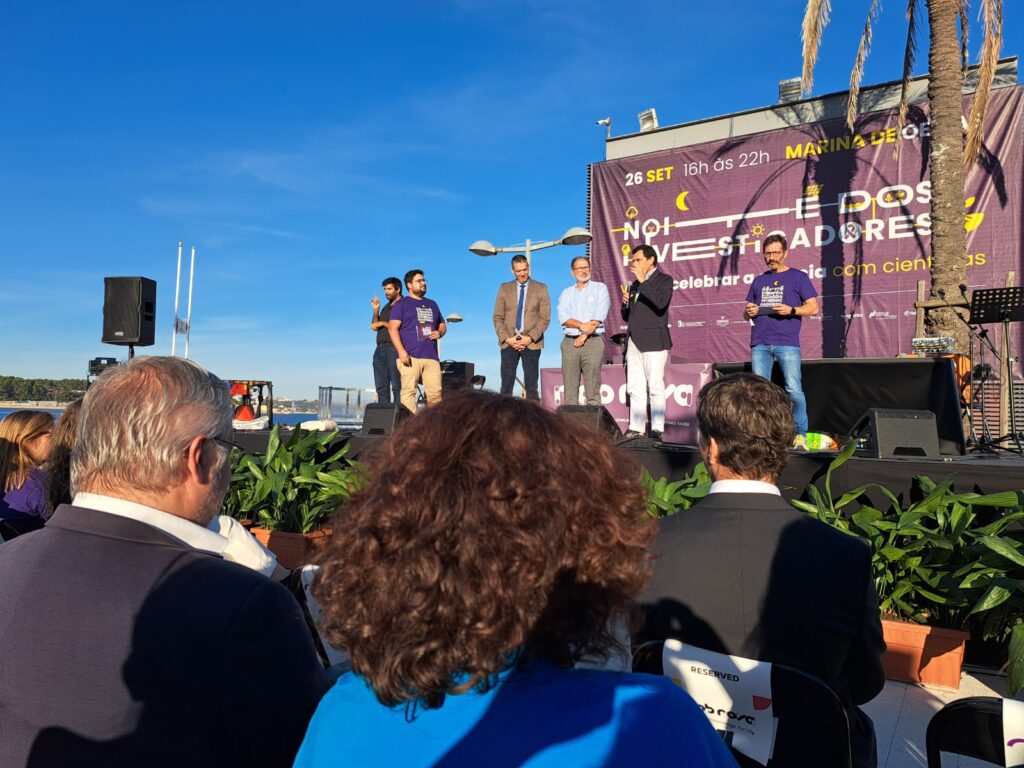
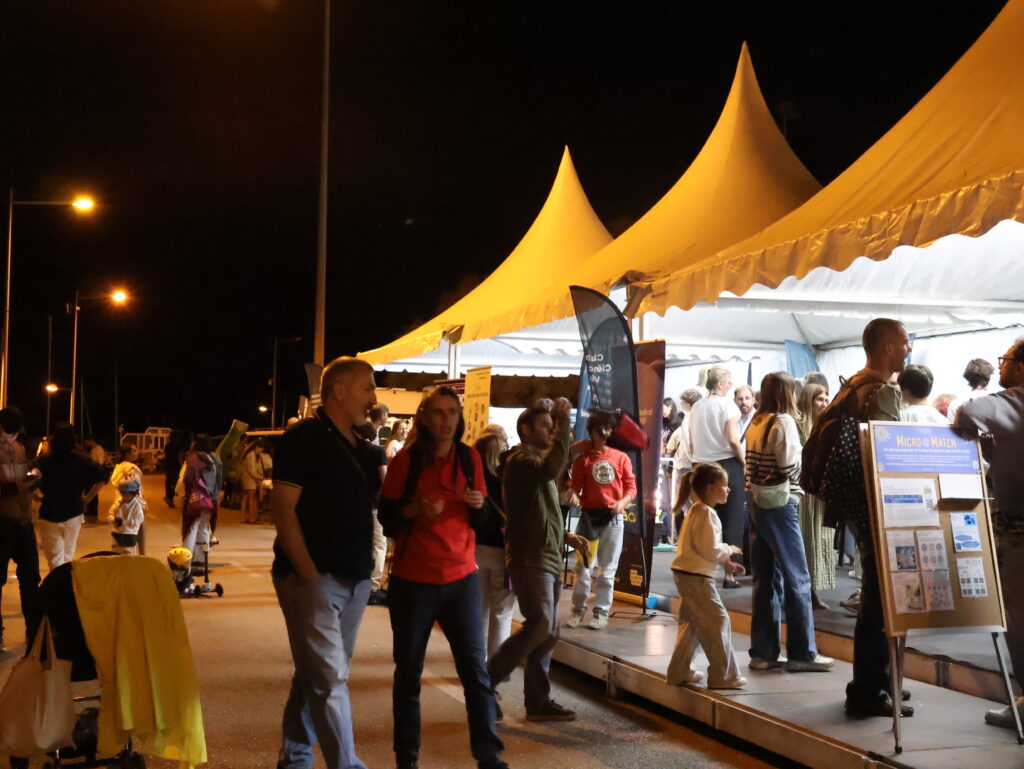
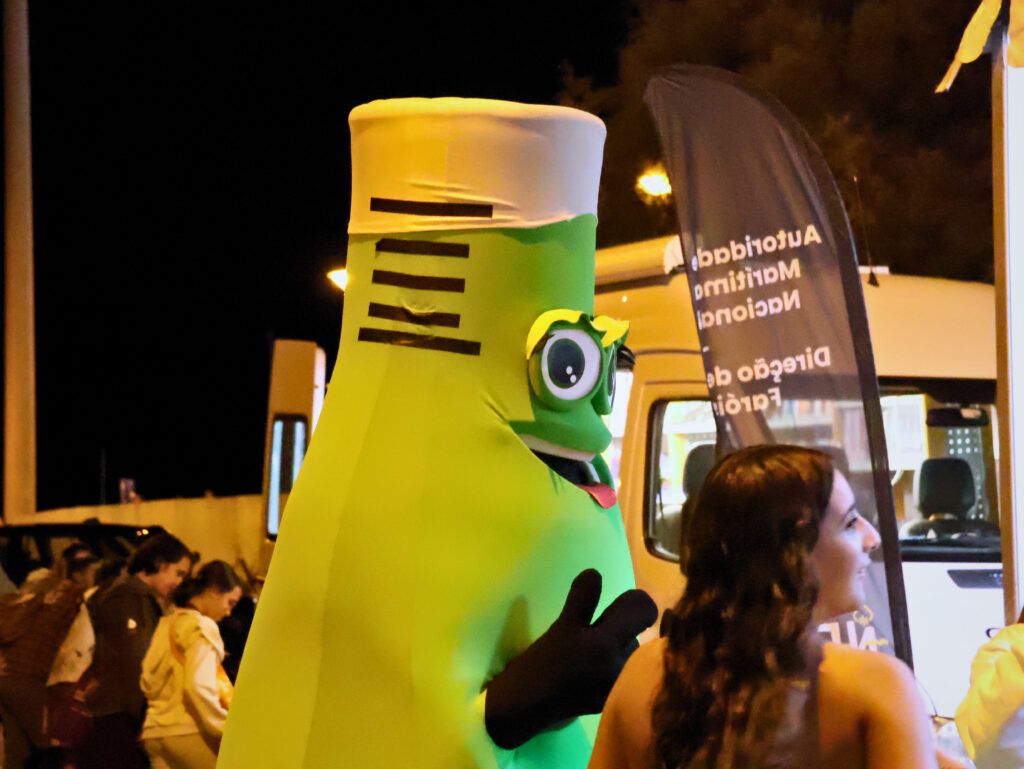
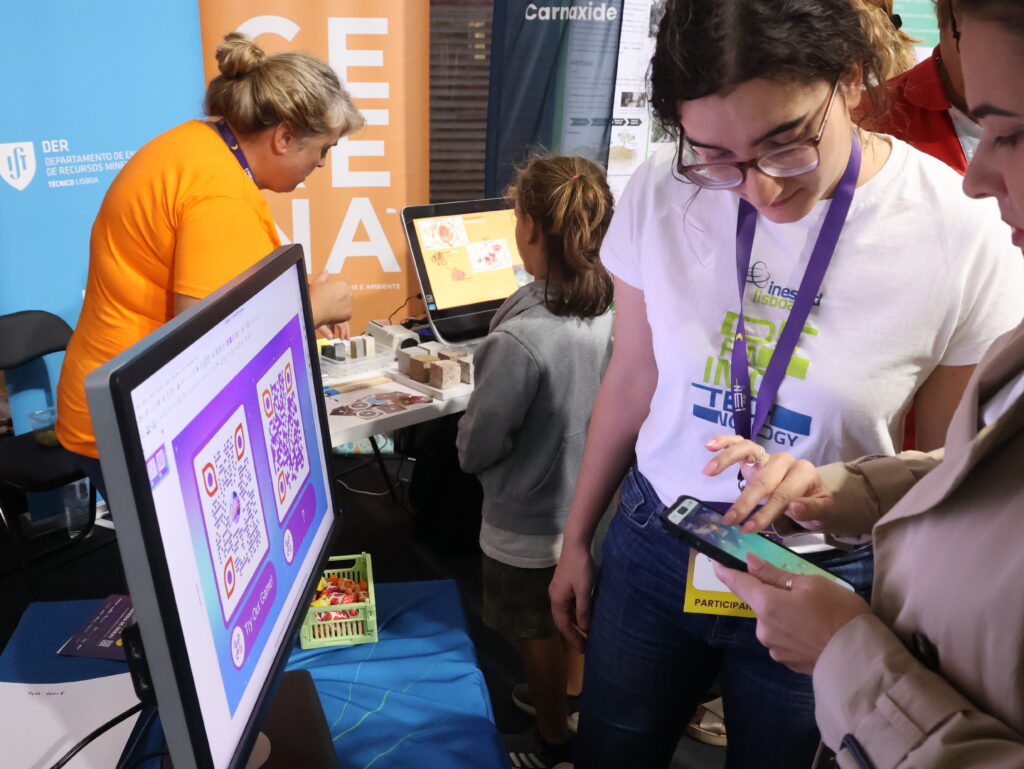
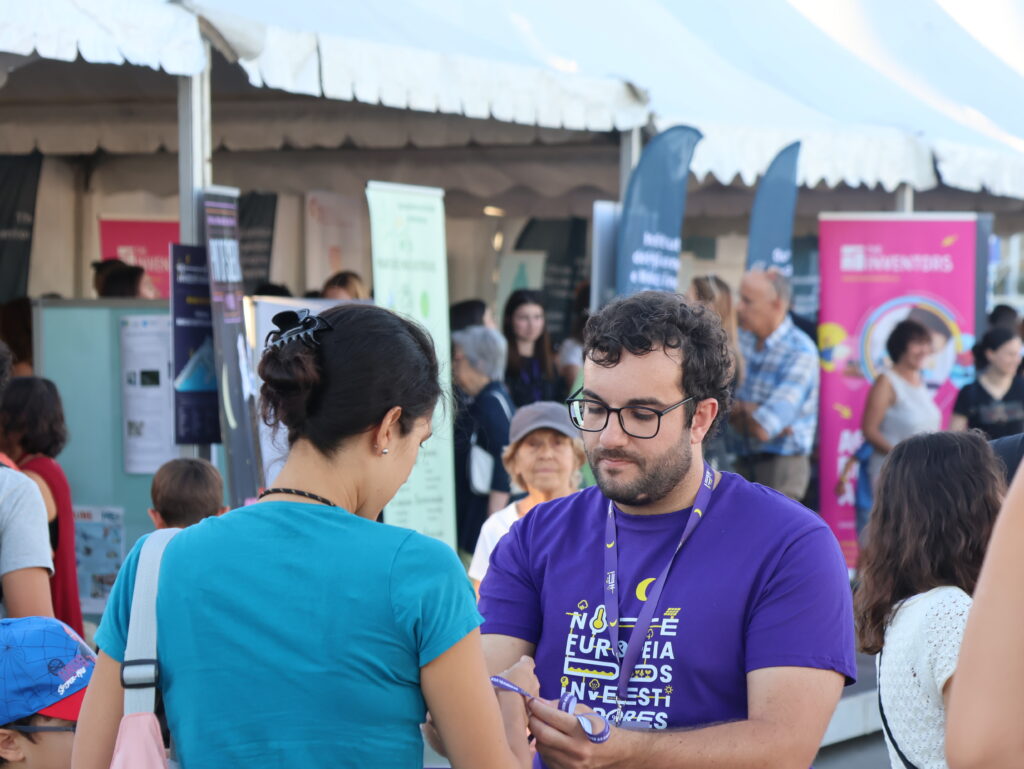
    Not even the threat of tropical cyclone Gabrielle discouraged the hundreds of families and curious visitors who filled the Marina of Oeiras for another edition of the European Researchers’ Night (NEI). And last Friday, September 26, brought its reward: the announced storm turned into a perfect autumn afternoon and evening. Once again, the marina became a stage for live science, with more than 35 institutions, interactive experiments, games, conversations, and performances for all ages. 

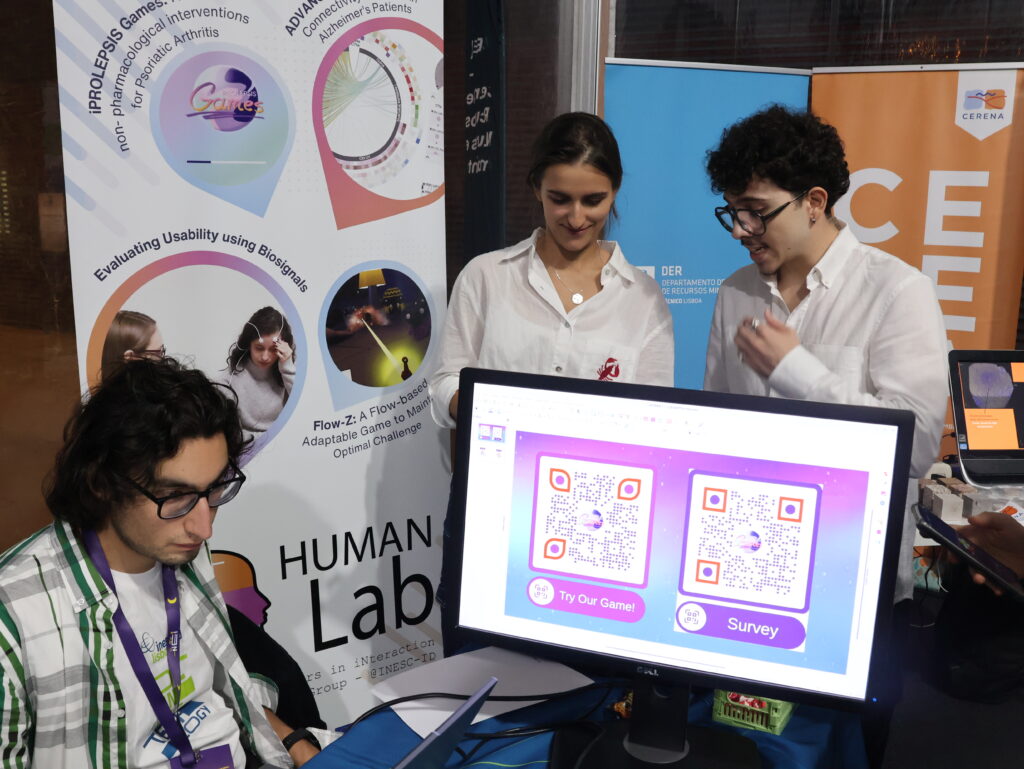
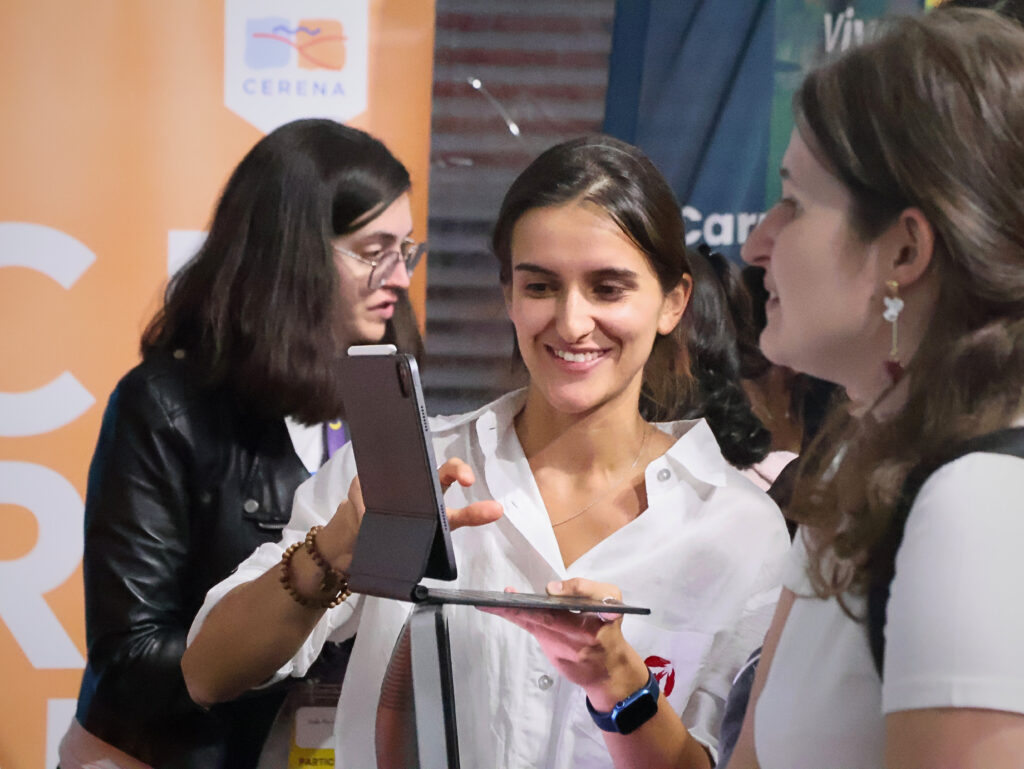
    For the second year in a row, INESC-ID took part in the event with a sea-view booth – part of a series of science outreach efforts coordinated by the Communications and Outreach Office. We were in great company, alongside colleagues from CERENA (also part of the Instituto Superior Técnico associated institutes community) and several other institutions.  

    Exploring Electric Mobility 

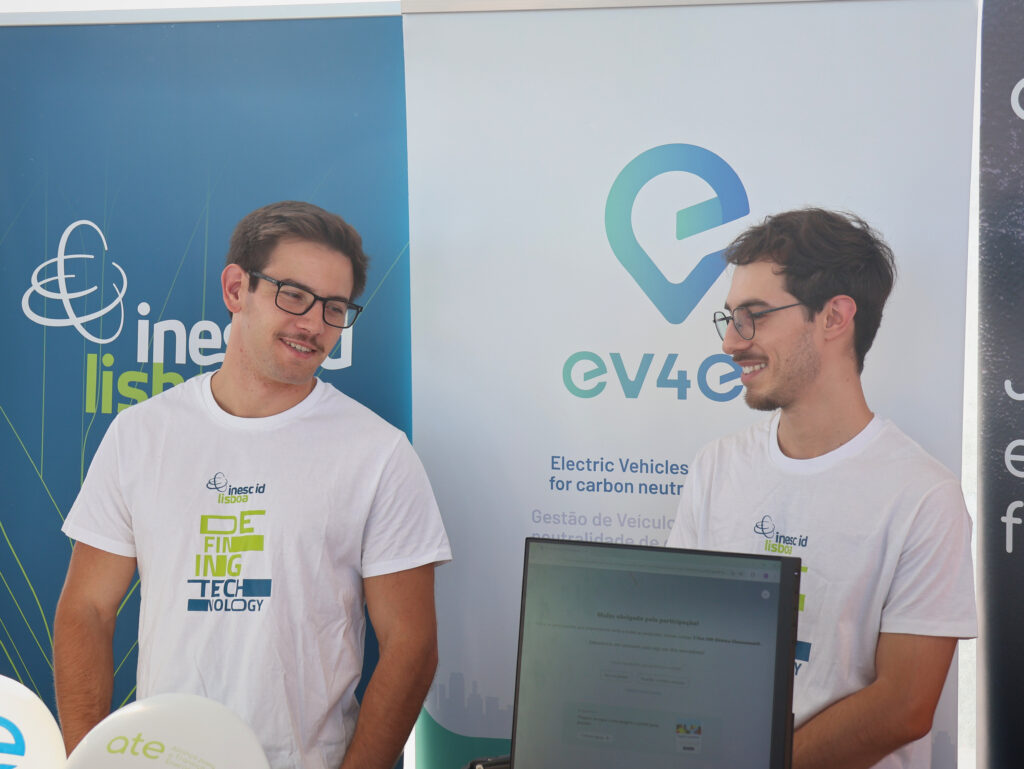
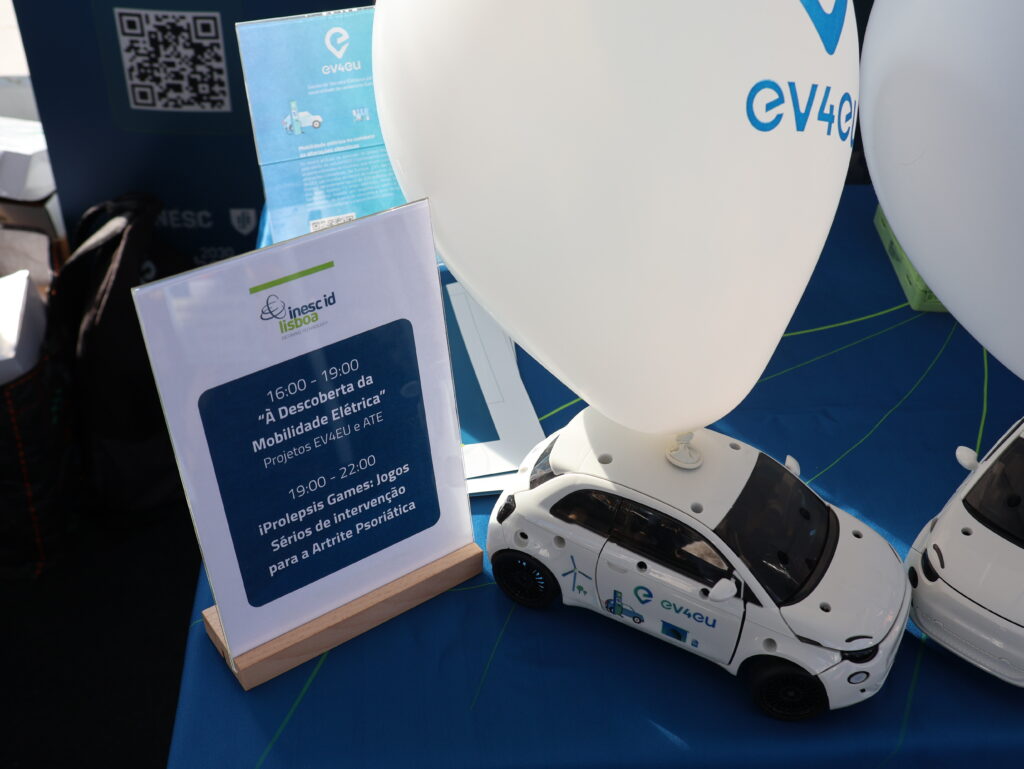
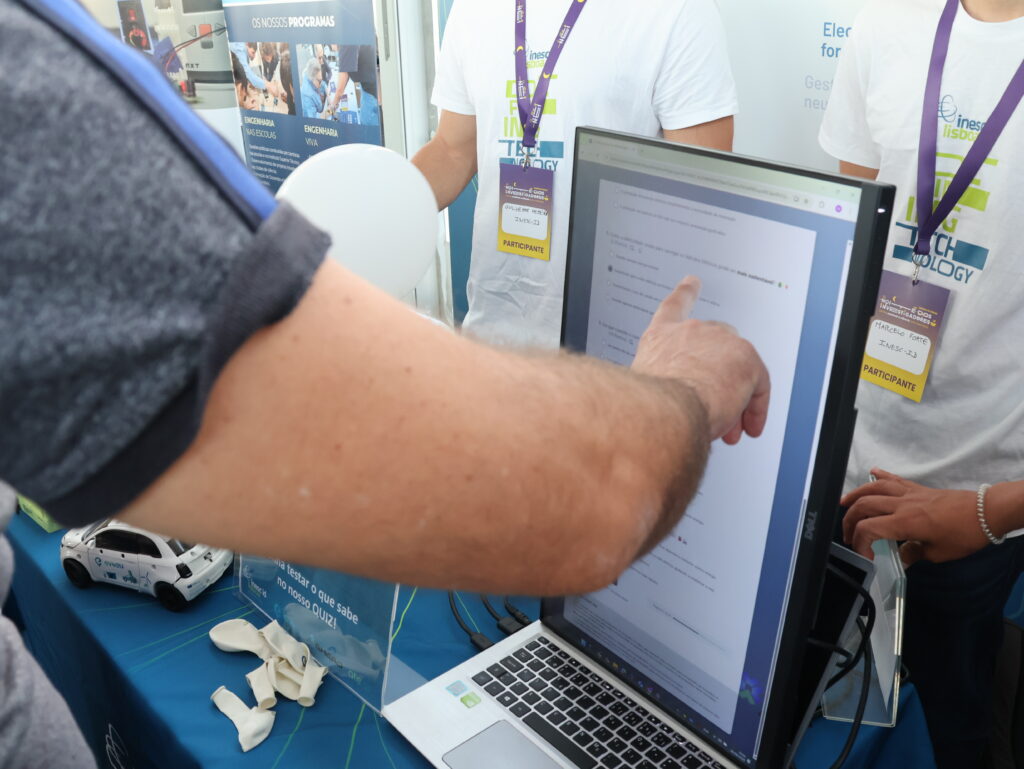
    Starting the first shift of the day, our booth featured the EV4EU and Aliança para a Transição Energética (ATE) projects, the latter being a key pillar of Portugal’s Recovery and Resilience Plan (PRR). Students Guilherme Pereira and Marcelo Braço Forte, from the Sustainable Power Systems scientific area, led the activity with an interactive quiz, challenging visitors and offering the chance to win a mini electric vehicle kit. 

     Serious Games for Psoriatic Arthritis Rehabilitation 

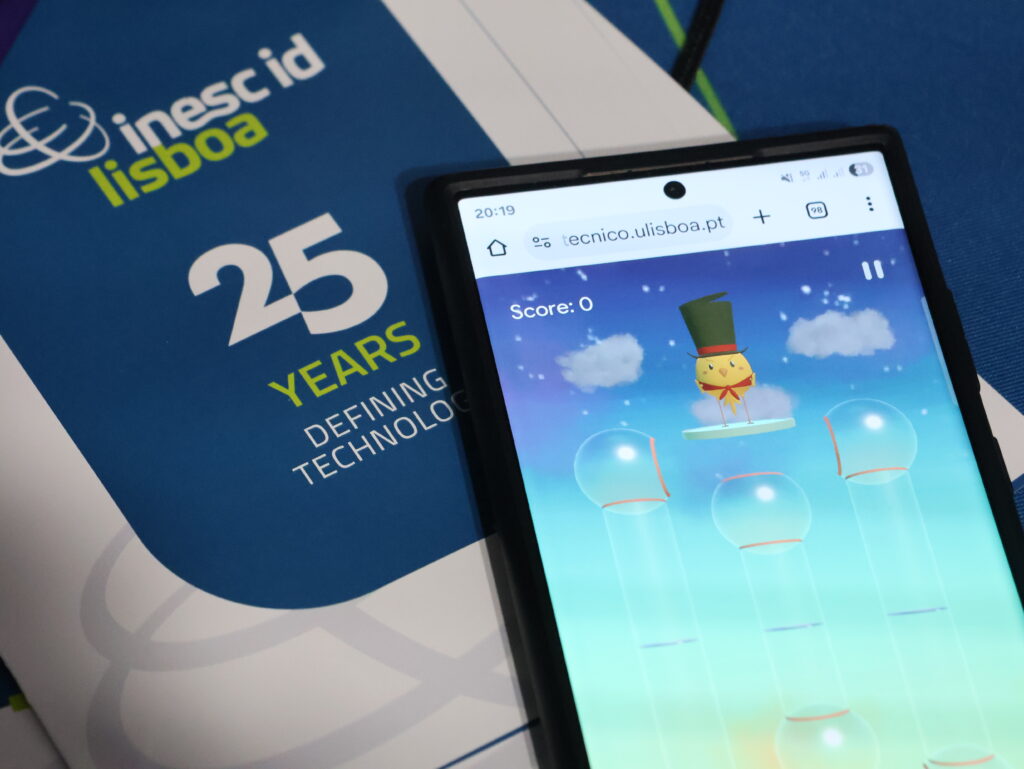
    As the sun went down, the baton was passed to returning volunteers Bárbara Ramalho from Graphics and Interaction (HUMAN Lab) and Samuel Gomes from GAIPS, joined by newcomers Rodolfo Costa and Filipa Magalhães. Together, they showcased the latest version of the game iPROLEPSIS, inviting the public to play and respond to questionnaires while explaining how the tasks were designed to train movements often affected by psoriatic arthritis. 

     Engineering for Everyone 

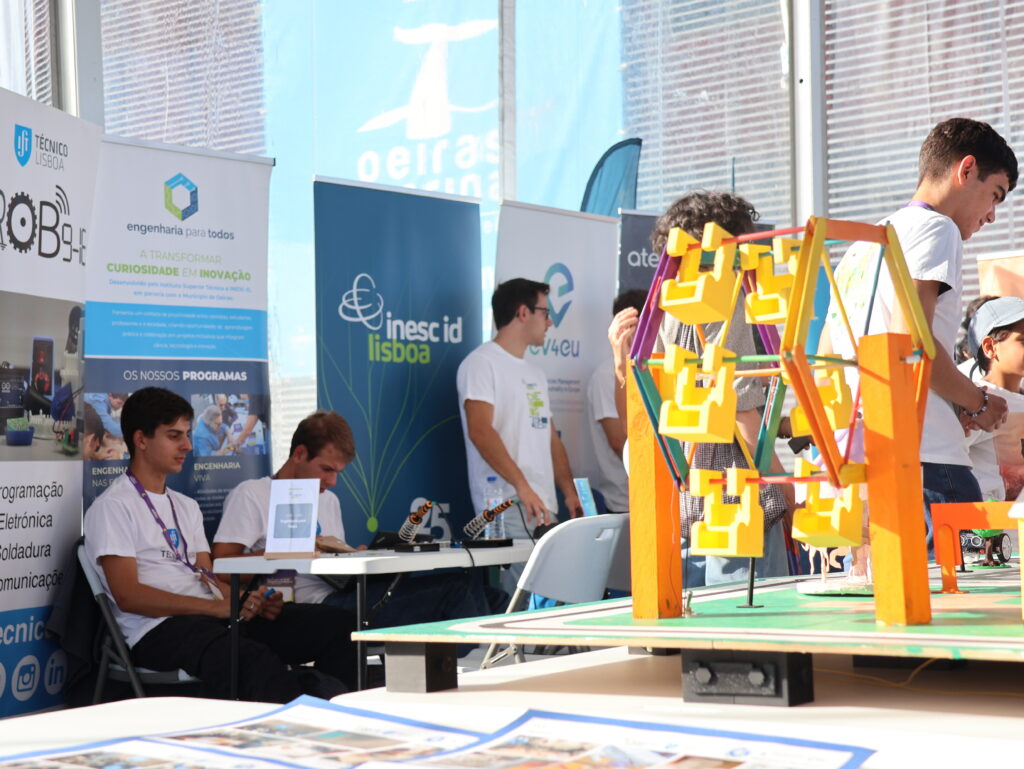
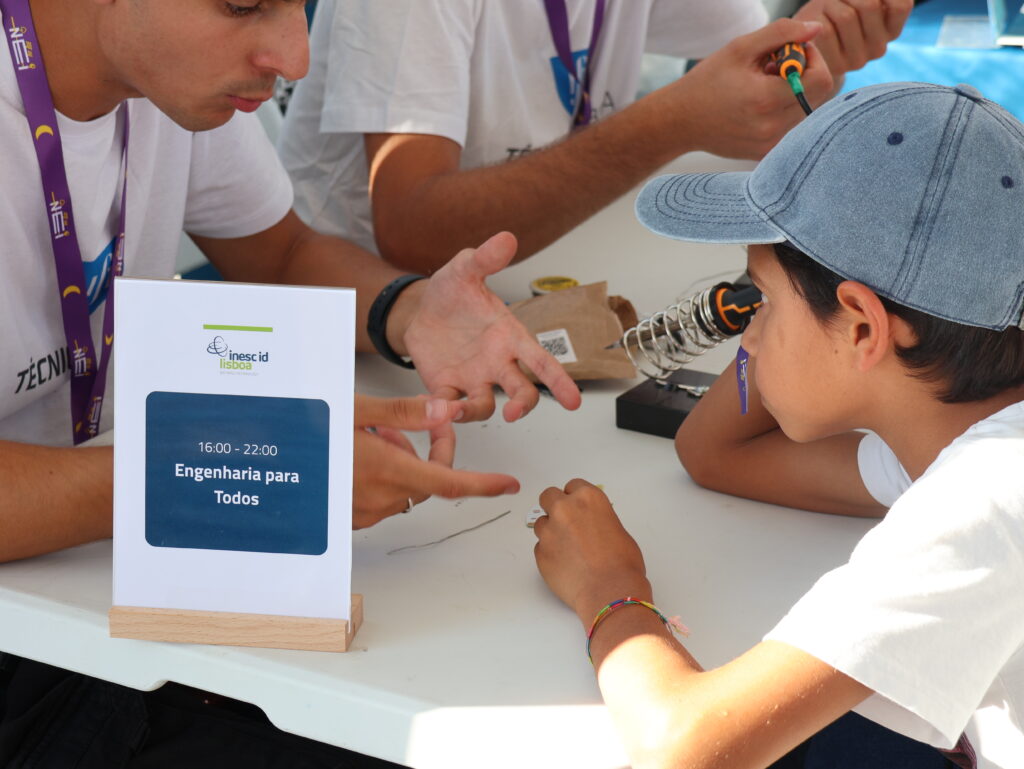
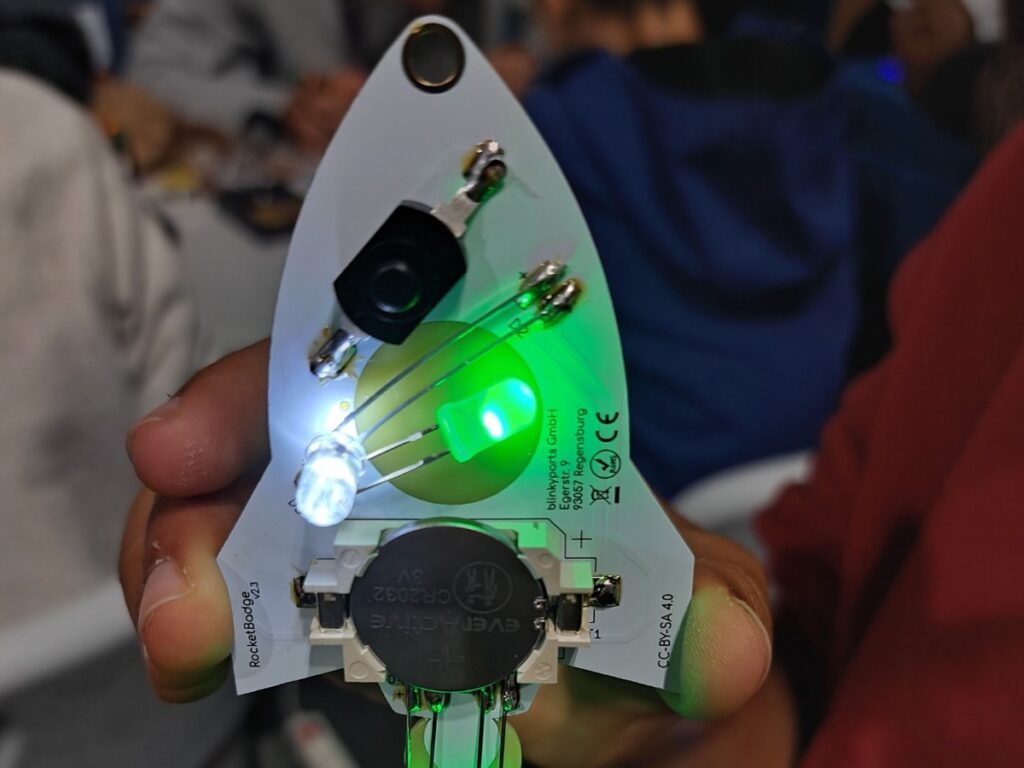
    Our booth’s second table was dedicated to the Engenharia para Todos project – a joint initiative by INESC-ID and Instituto Superior Técnico, with support from the Oeiras Municipality. This project embodies the spirit of this year’s edition by actively engaging children, public schools, and local communities in hands-on science and technology. Presented by coordinator Maria João Verdasca, and scholarship students Afonso Gonçalves and Martim Jesus, dozens of children had the chance to learn how to solder electronic components to build mini rockets. 

    Right in front, students from the C4 Science Club at Agrupamento de Escolas de Carnaxide — who developed their Smart City project throughout the year with support from Engenharia para Todos — proudly presented their city, built from 3D modelling and printing to Arduino programming. 

    At the end of the night, with all booths already packed away, only one small future scientist remained, determined and focused, finishing the last soldering points on her rocket. We waited patiently, watching her with quiet satisfaction. Only then, in a moment of silent complicity, did we unplug the soldering iron and close our participation.

    Held every year on the last Friday of September, the European Researchers’ Night brings science to the streets with hundreds of free events across Europe. This year’s edition in Oeiras, part of the EU-EMBRACES project, was coordinated by ITQB NOVA in partnership with the Oeiras Municipality.


    Published by the INESC-ID Communications and Outreach Office
    © 2025 INESC-ID. Credit INESC-ID, with a link to the original source, when sharing or adapting this article.

    Images | © 2025 INESC-ID

  • Spin-offs: SiliconGate, the company that emerged from a sabbatical

    Spin-offs: SiliconGate, the company that emerged from a sabbatical

    Marcelino Santos proudly opens a box of earbuds from a major global brand. Inside these sleek devices is a tiny circuit designed by SiliconGate — the INESC-ID spin-off specialising in analog and mixed-signal chip design.”These earbuds were a worldwide success”, says the co-founder of the company.  

    The story of SiliconGate began more than 15 years ago with a sabbatical leave. In 2006, Marcelino Santos, an INESC-ID researcher and Professor at Instituto Superior Técnico, decided to take a sabbatical. “I was curious,” he recalls. “After years in academia, I wanted real industry experience before continuing to teach.” His search led him to Chipidea, an interesting Portuguese company specialising in analog and mixed-signal integrated circuits. 

    Marcelino recounts how welcoming Chipidea was. “When I proposed my sabbatical plan, they gathered all their group leaders and let me choose where to focus. That openness was remarkable.” 

    His background was primarily in digital integrated circuit testing, with a focus on defect analysis. But power management circuits intrigued him. “Power management involves large devices and deep knowledge of physical structures, which connects well with what I’d been doing.” 

    Entrusted with leading a project despite his newcomer status, Marcelino quickly found himself at the heart of fast-paced, real-world chip development. But in 2007, Chipidea was sold, and what initially seemed like a setback turned into a catalyst for something new. 

    Faced with the uncertainty of the sale, Marcelino noticed a pool of talented engineers suddenly at risk of losing their positions. “Portugal didn’t have any other company focused on power management design at the time. Letting this expertise slip away would have been a loss for the industry and for the country.” 

    Together with four engineers, Marcelino decided to act. In December 2008, SiliconGate was born — a spin-off rooted in INESC-ID’s lab but with commercial ambitions. “We started in the third-floor lab at INESC-ID, mixing student talent with experienced engineers.” 

    This hybrid academic-industrial model enabled them to build prototypes, prepare demonstrations, and gradually establish credibility. SiliconGate’s first products would soon enter the global market. 

    SiliconGate’s evolution was shaped by client demands — often from highly specialised sectors. Marcelino highlights one pivotal partnership with an Israeli client in the banking card industry. “Israeli companies lead in data encryption and secure chip technology used worldwide. They asked us to develop the power management circuit for smart credit cards.” 

    This project required rigorous testing and characterisation to meet strict quality and robustness standards. “It pushed us to elevate our lab capabilities significantly. The intensive measurement work shaped the way we operate today.” 

    The lab’s transformation is also a personal story. “Tiago Moita, my former PhD student and now lab leader, developed automation techniques essential for our testing. But without high standards set by our clients, our progress would have been limited.” 

    Standing ovation 

    SiliconGate’s lab is a key differentiator. The company designs circuits, which clients then integrate and fabricate — often through foundries in Taiwan. Then the fabricated chips return to SiliconGate’s lab for performance validation. 

    “This feedback loop is crucial,” Marcelino explains. “It’s not a simple hand-off. We verify that the chip performs as promised in real conditions. If not, we refine our design. It’s a negative feedback loop — in terms of engineering – which allows us to improve continuously.” 

    This rigorous approach has allowed SiliconGate to tackle projects beyond power management, including circuits for CERN to withstand particle radiation, automotive-grade components, and consumer electronics. 

    But certainly the product that makes Marcelino and his team prouder is the power management IC (responsible for battery charging and management) inside the commercial Bluetooth headphones he has in his office, ready to unbox and show off. “When we visited the company in Japan, after the launch of the phones, we were received with a standing ovation, that is how happy they were with it!” 

    From a small startup, SiliconGate grew to a team of about 30 engineers split between Lisbon and Porto, adapting to remote work trends accelerated by the COVID-19 pandemic. “Initially, I was skeptical about remote work. But the team proved their commitment and productivity.” 

    However, the semiconductor crisis of 2021 posed a severe challenge. “We went a whole year without closing deals because fabrication plants were full. We paid salaries from reserves, facing the brink of collapse. It was a critical moment”, Marcelino admits.  

    The company survived by maintaining discipline, flexibility, and trust in its people. “The crisis taught us resilience and validated our remote work capabilities.” 

    Despite its commercial success, SiliconGate remains deeply connected to academia and research. It participates in European projects like PAVIS (enhancing MRI imaging), UNLOCK (power management for ultrasound implants), and GreenCHIPS (energy-efficient circuits). 

    “These projects provide stability when commercial work slows and let us push technological frontiers,” Marcelino notes. 

    On a note for entrepreneurs, Marcelino says: “There’s no substitute for experience. Entrepreneurship shouldn’t start with a business plan but by working in the field — learning products, customers, and pain points.” And shares a simple analogy: “A repairman in my hometown of Beja wanted his own shop. He worked first in another shop to learn the trade. That’s the path.” 

    Patience and adaptability have been key, especially dealing with workload fluctuations common in hardware startups. European projects help smooth the cycles, but the road remains demanding. 

    SiliconGate is now recognised internationally, part of the TSMC ecosystem as a certified IP provider, and visible on industry platforms like Design & Reuse and ChipEstimate. The company’s reputation is built on quality, trust, and the ability to meet stringent client demands. 

    Marcelino smiles when asked about his entrepreneurial journey: “It wasn’t planned. It was a series of fortunate accidents. The important part is recognising opportunity when it knocks and embracing it.” 

    The hardest of being an entrepreneur: 

    “Dealing with workload fluctuations. That is, there are times when we would need twice as many engineers. And there are times when it would be good to pay only half the salaries, because there just isn’t enough work to justify having so many people.” 

    The main lesson:
    “The biggest lesson I take away is the need to go out there — to immerse yourself in the field, in the market. That is, anyone who wants to be an entrepreneur in a given area should first start working in that area to understand it: to learn about the products — what they really are, the technical details — and to get to know the players: who is selling, who the clients are, and how the business process works. After that, then yes, one can begin to see clearly.” 


    Text by Sara Sá
    © 2025 INESC-ID. Credit INESC-ID and the author, with a link to the original source, when sharing or adapting this article.

  • On the Road to a Connected Community: INESC-ID PhD Students have their #2 Annual Meeting

    On the Road to a Connected Community: INESC-ID PhD Students have their #2 Annual Meeting

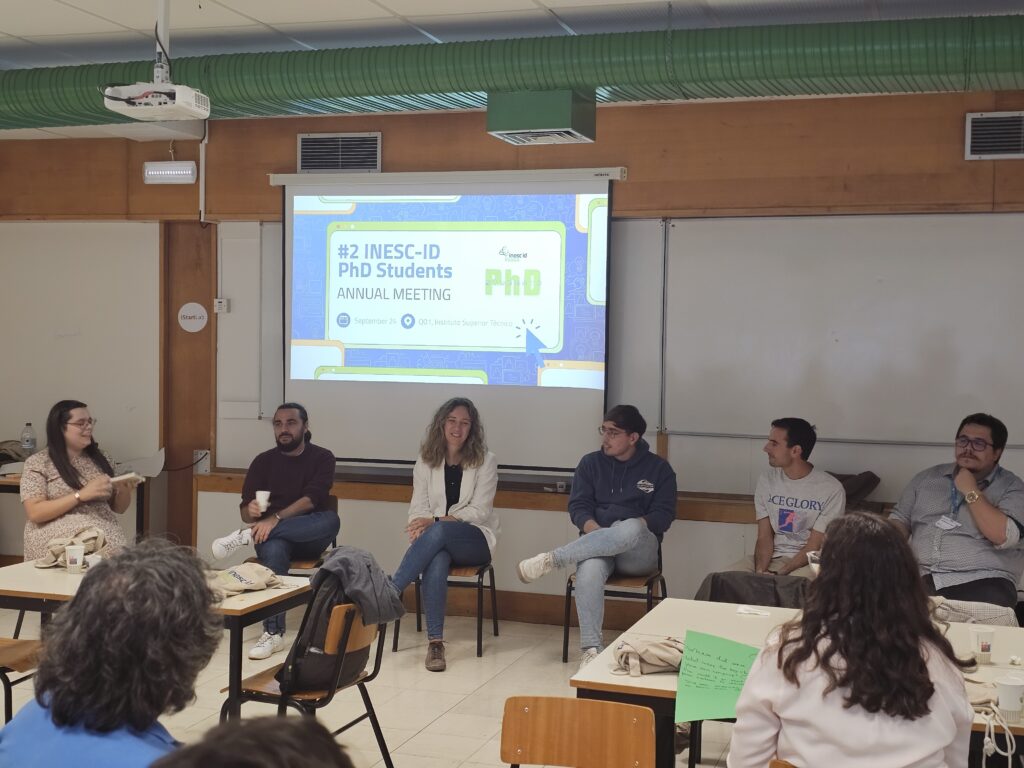
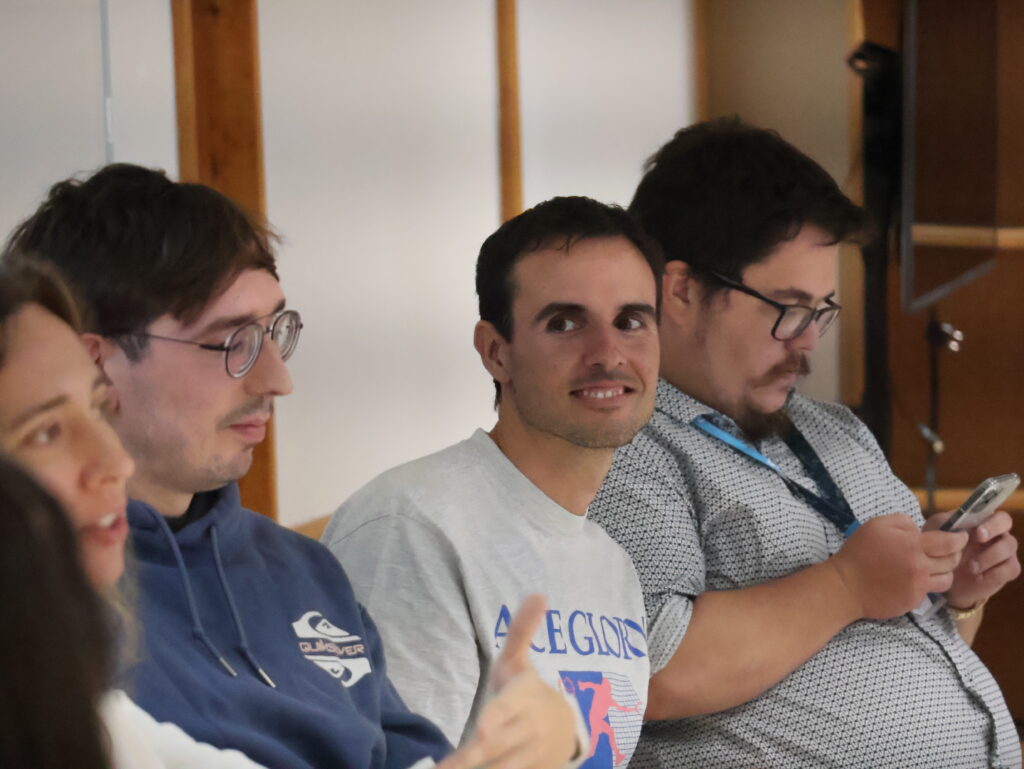
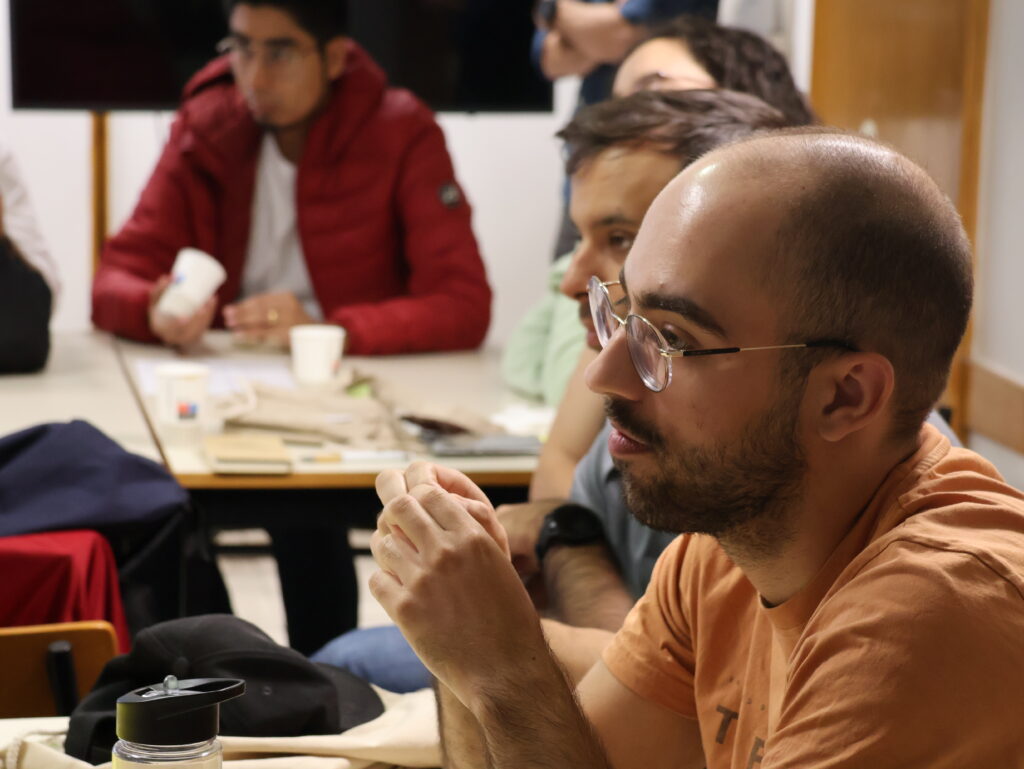
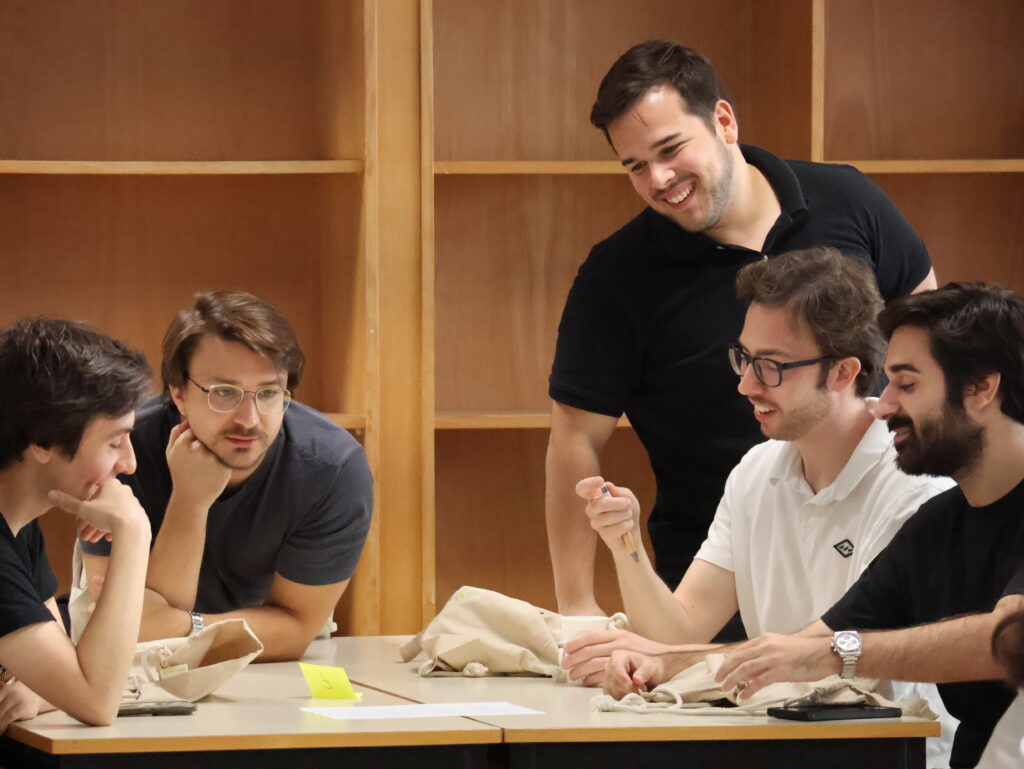
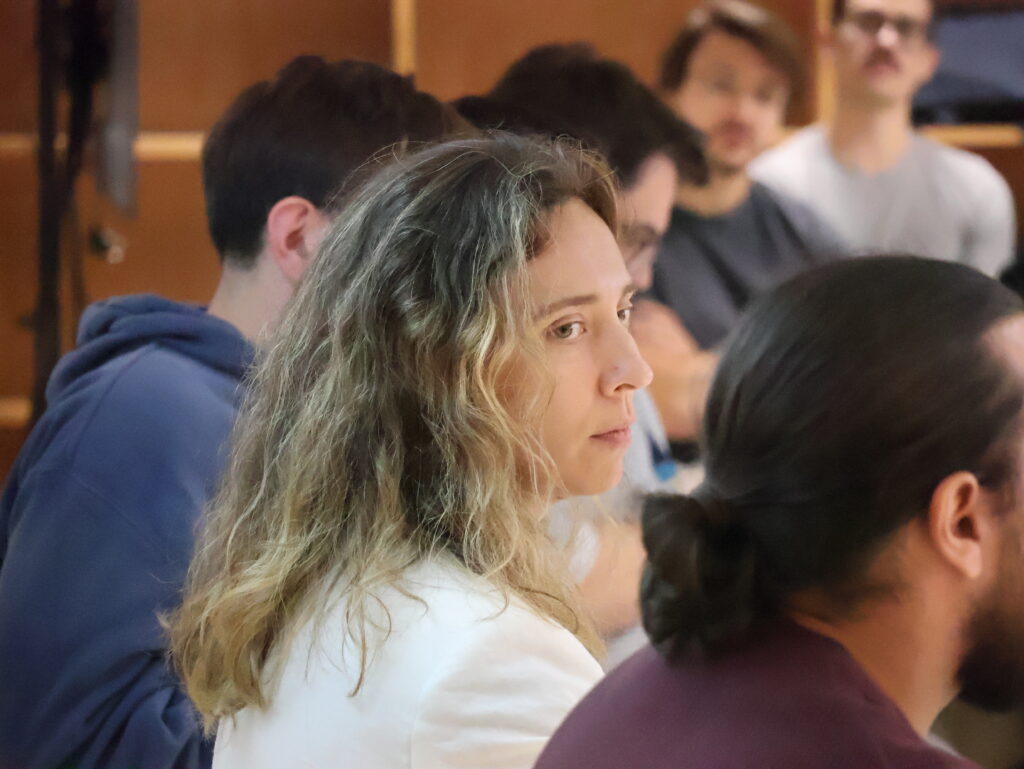
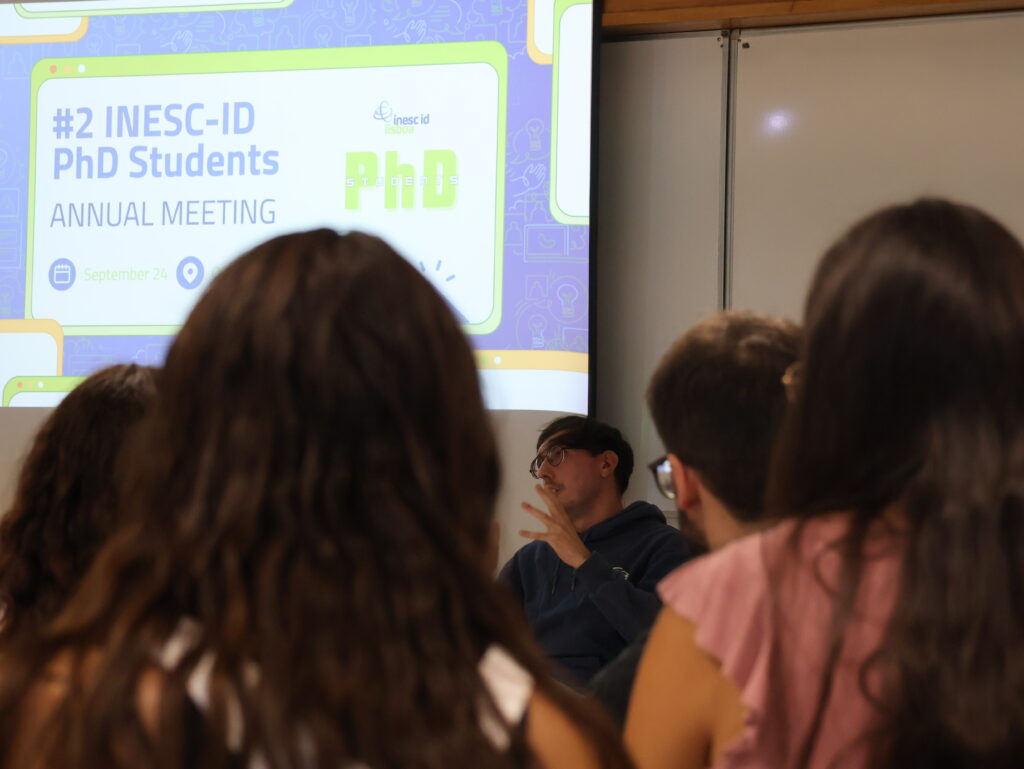
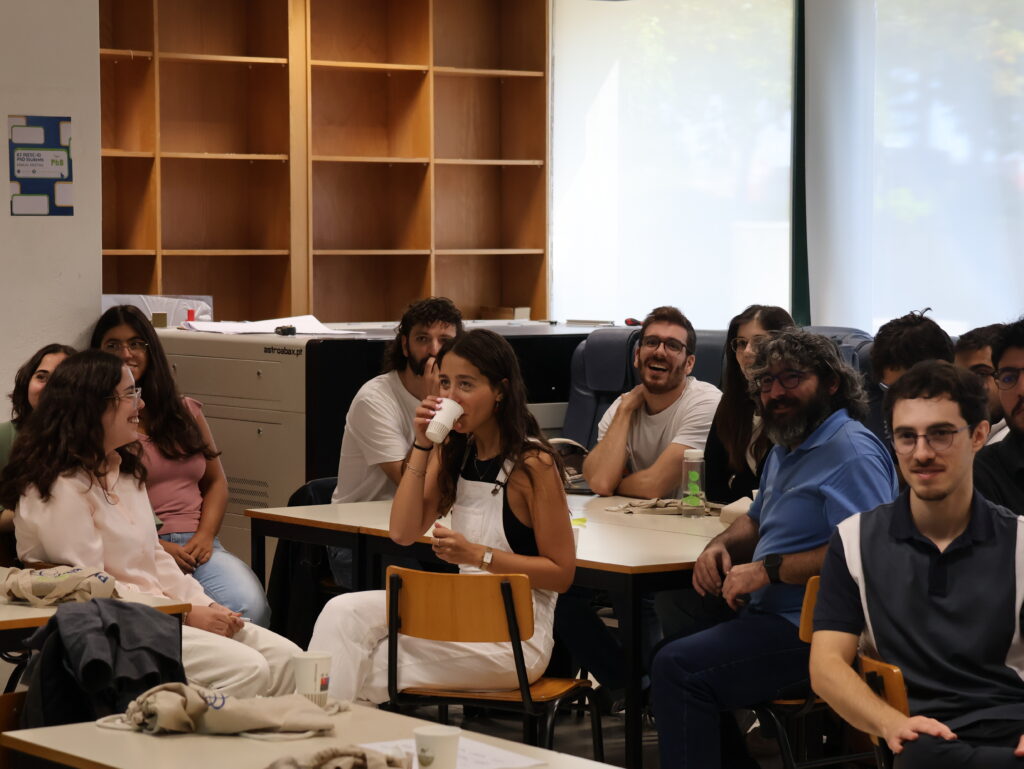
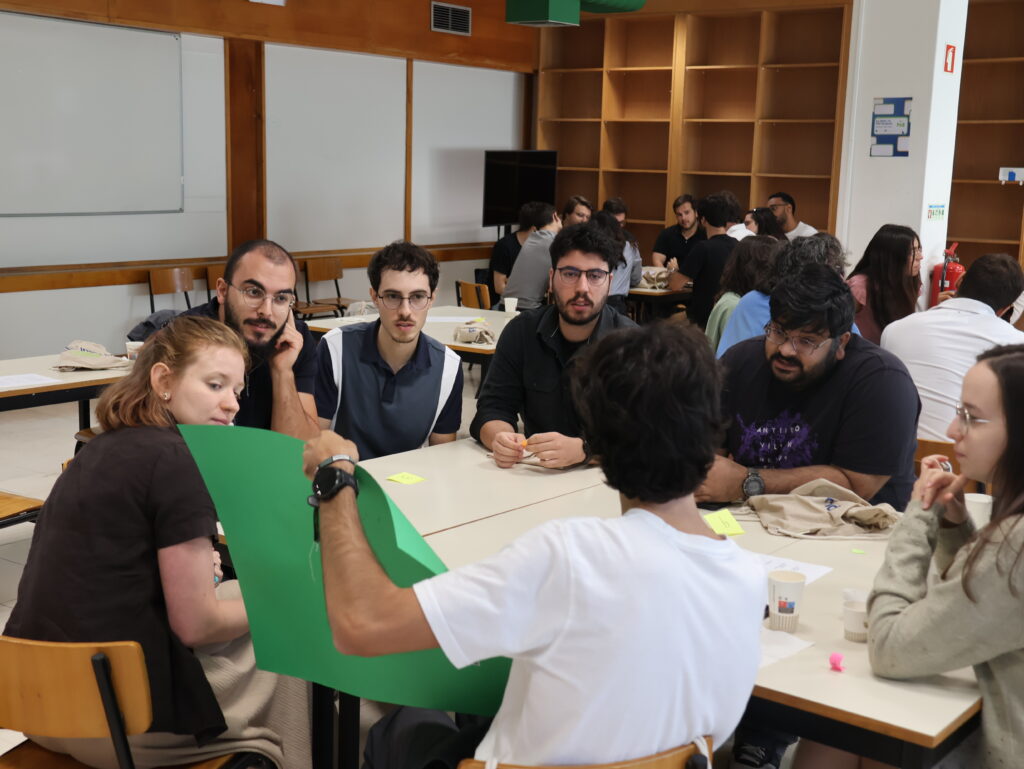
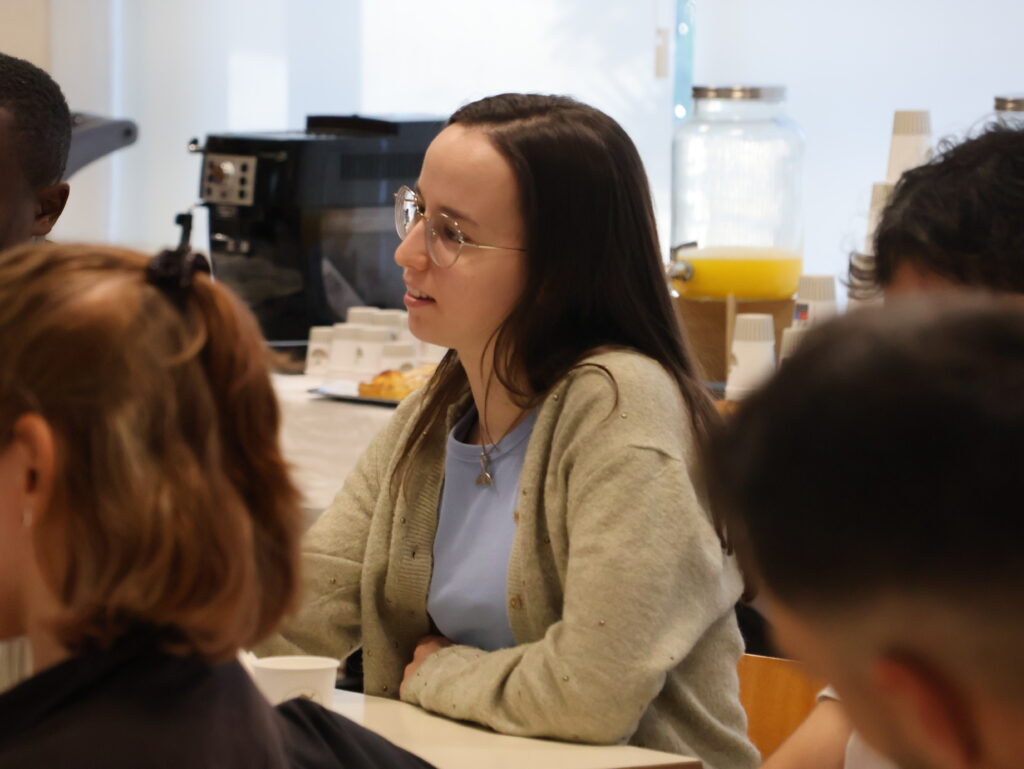
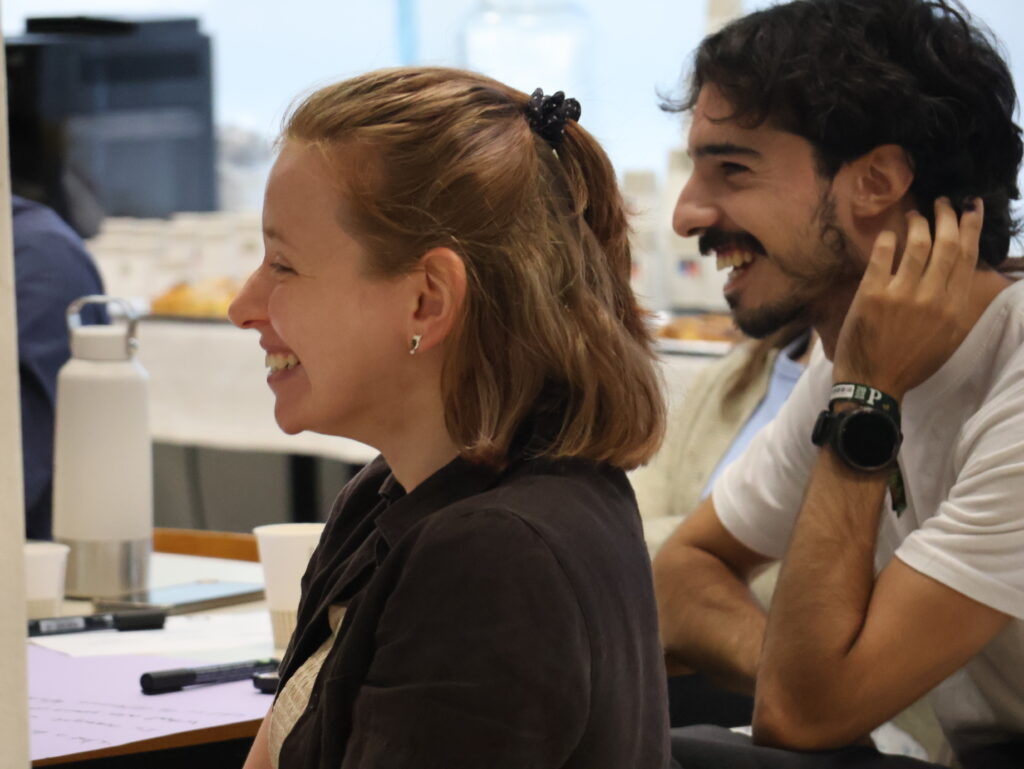
    After a very successful first edition in 2024, the INESC-ID PhD Student Community dedicated the morning of September 24 to their second Annual Meeting, in a room packed with almost fifty people and many activities prompting discussion of relevant themes and mingling between the students.

    Bright and early, students began arriving before nine o’clock for registration, where they received a goodie bag and a number for random seating at the tables. While more and more people arrived, coffee was available for anyone who needed some extra energy for the busy morning ahead.

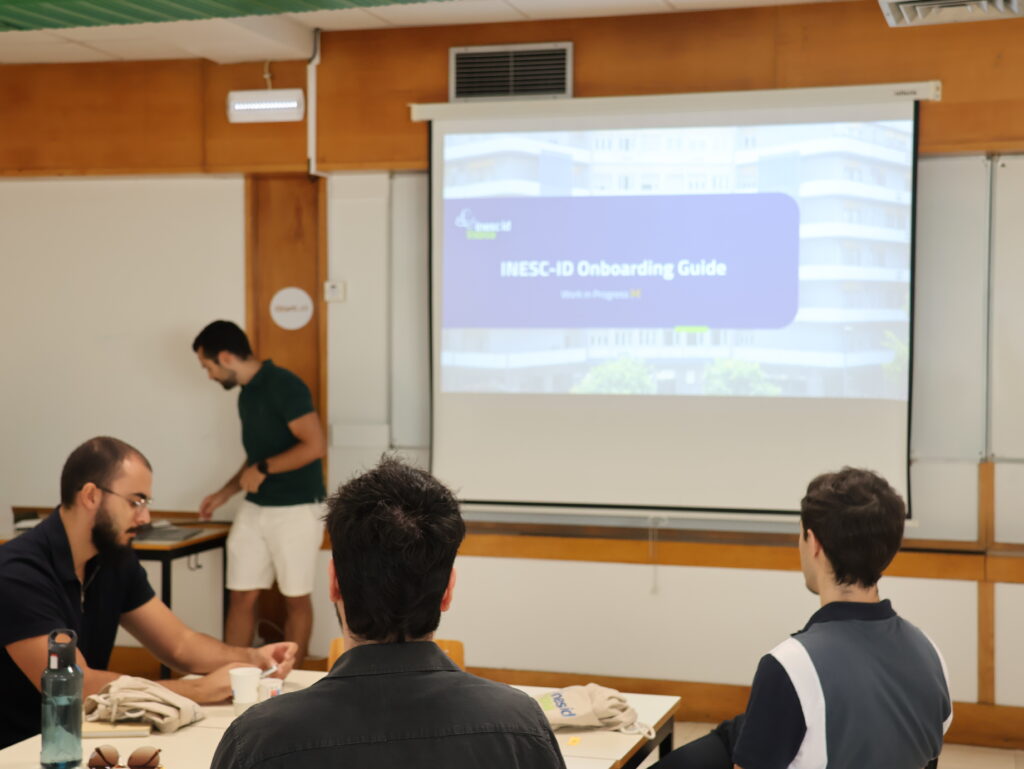
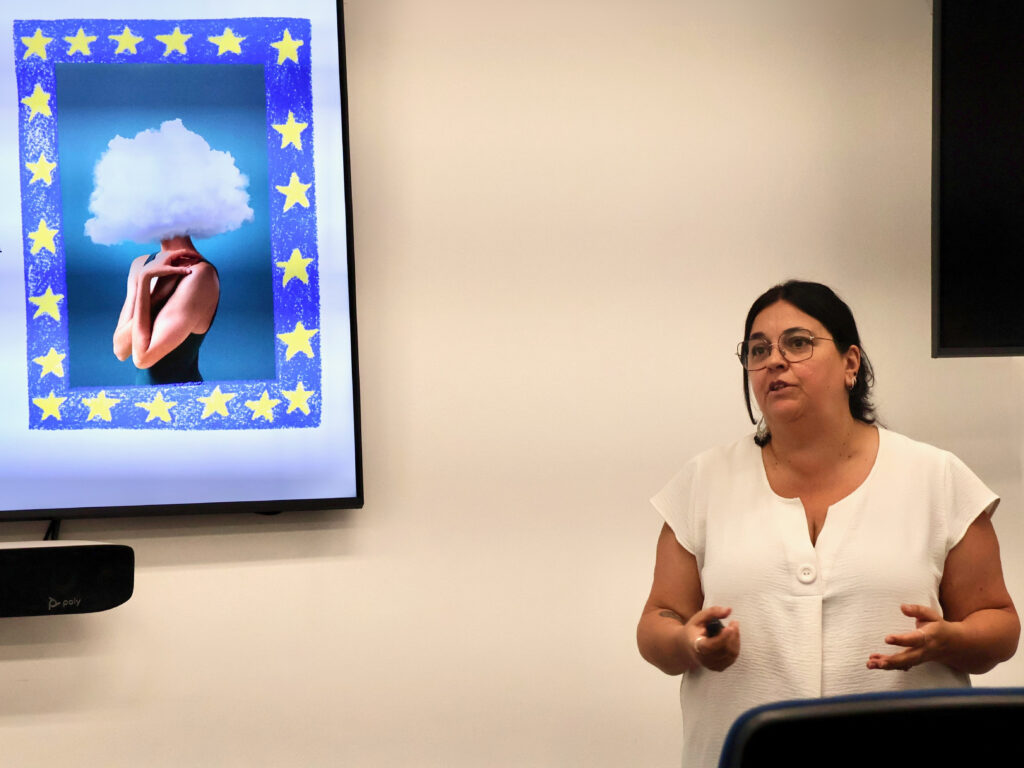
    The first session was an institutional presentation by board member, Helena Galhardas, with an overview of INESC-ID. It was followed by the Head of Communications and Outreach Office (COO), Rodrigo Abril de Abreu presenting the office and PhD volunteer, Carolina Carreira, who introduced the Volunteer Team, the growing community of PhD students and the initiatives carried out so far. To close the Introduction, PhD volunteer Daniel Gonçalves presented the Onboarding Guide, which has been developed over the last months and will be available to every newcomer.

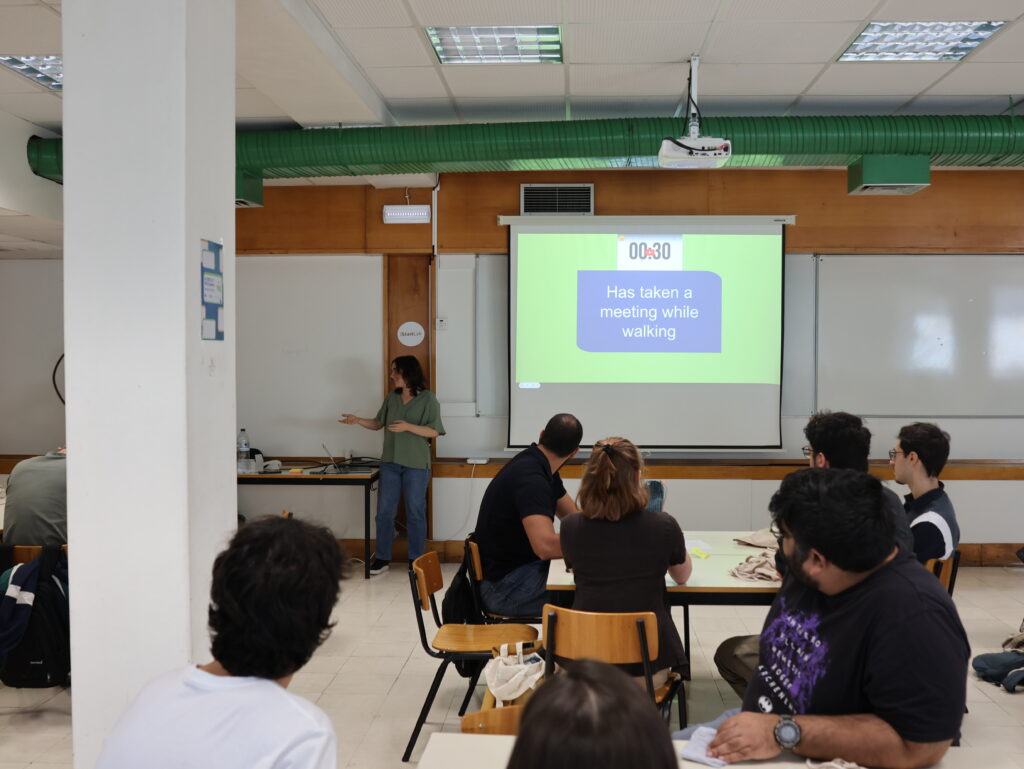
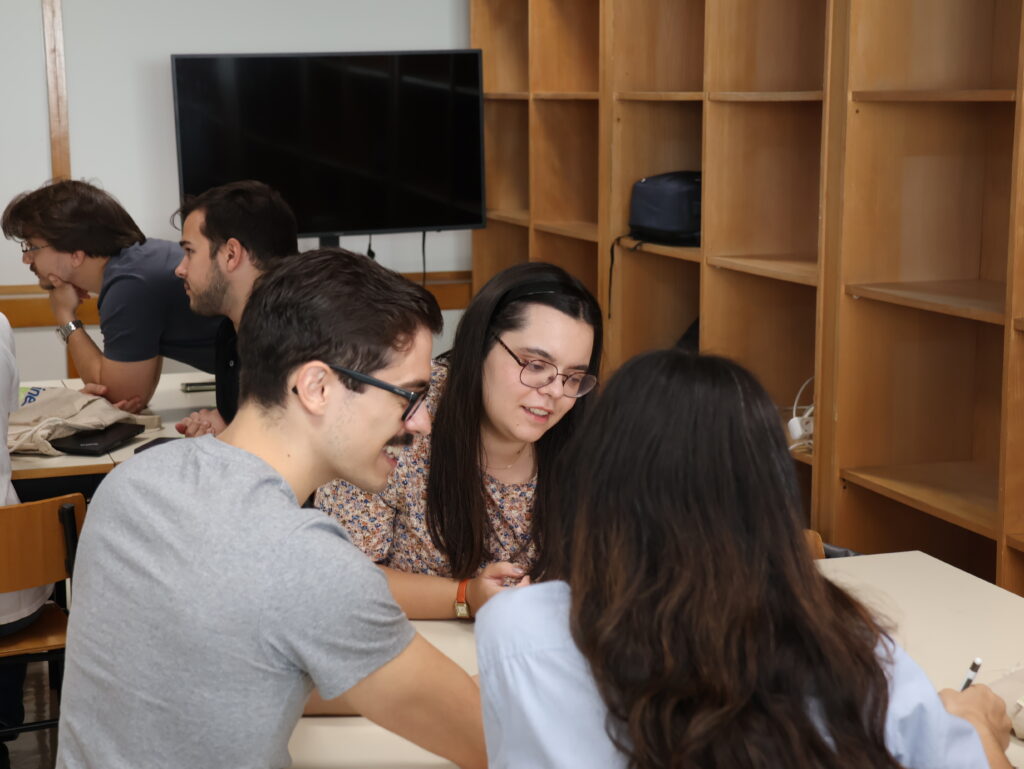
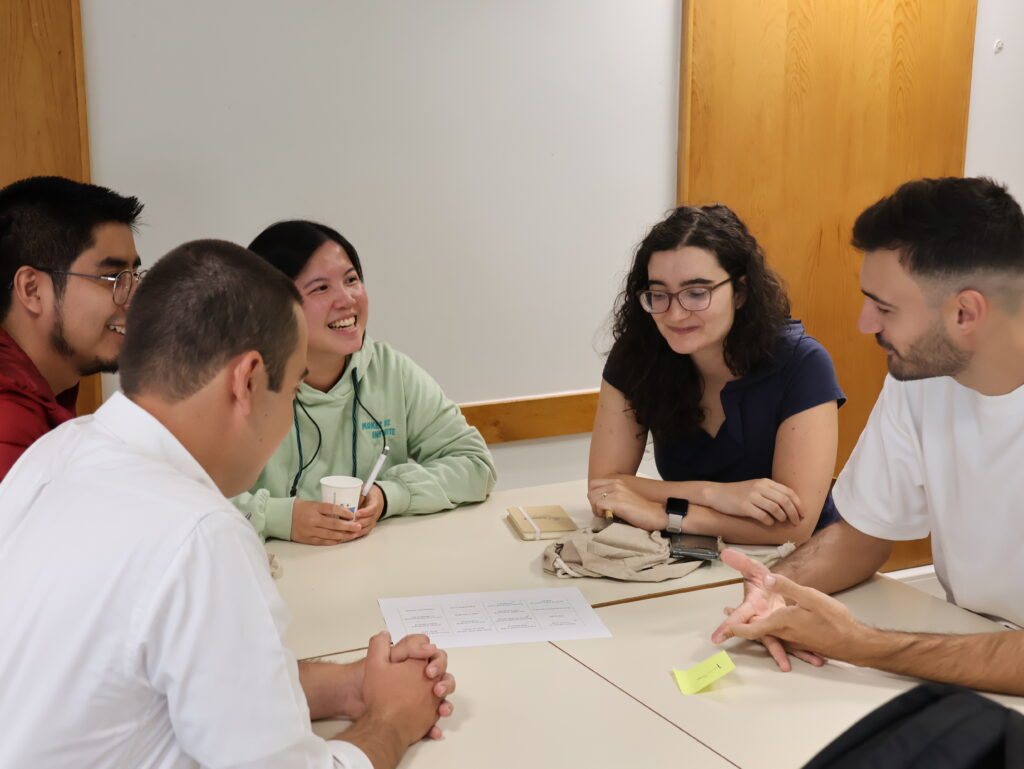
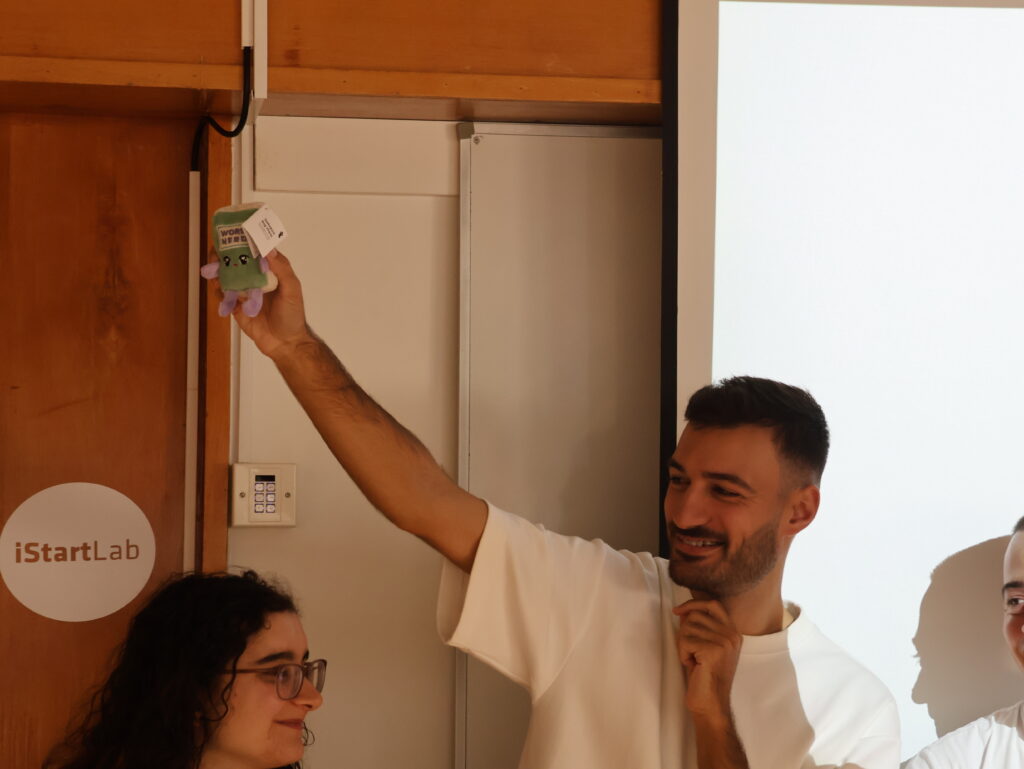
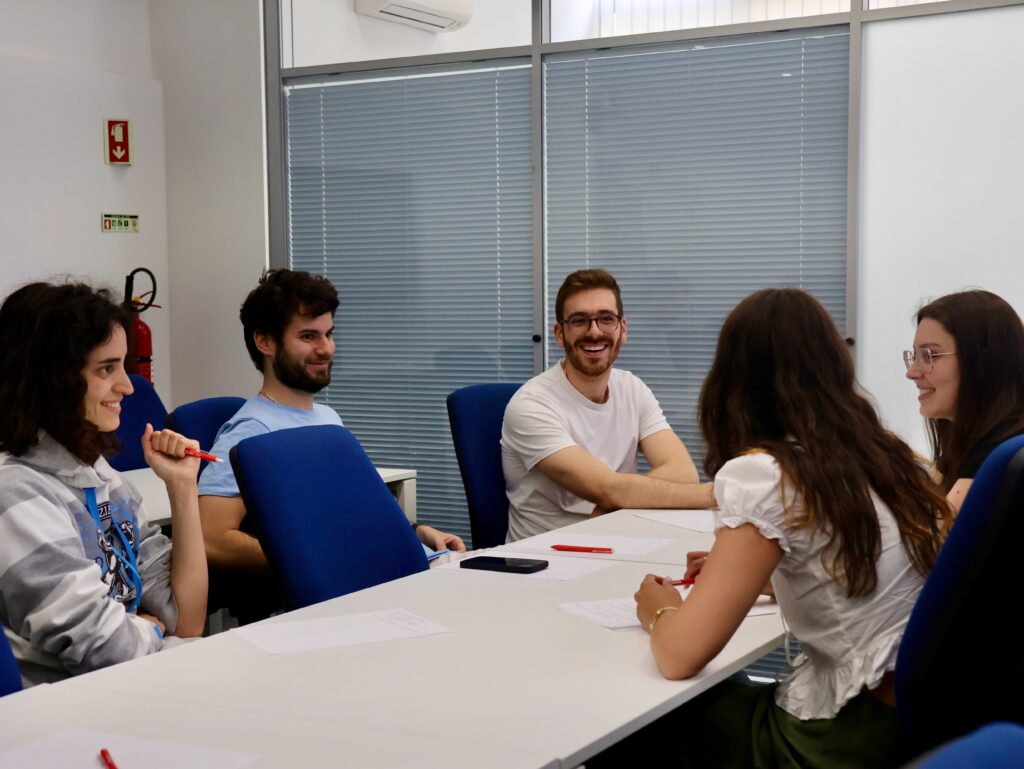
    “Who here loves 9 am meetings?” “Who has read a book this year?”, these were just two of the many questions asked during the ice breaker, moderated by PhD Volunteer Inês Conceição. Organised as a bingo game, students were divided into eight groups and given cards with various affirmations regarding both their personal and professional life, each to be crossed out if, at least, one person in the group related to it. This encouraged conversation among the students, and the two winning teams were awarded a thematic prize in the end.

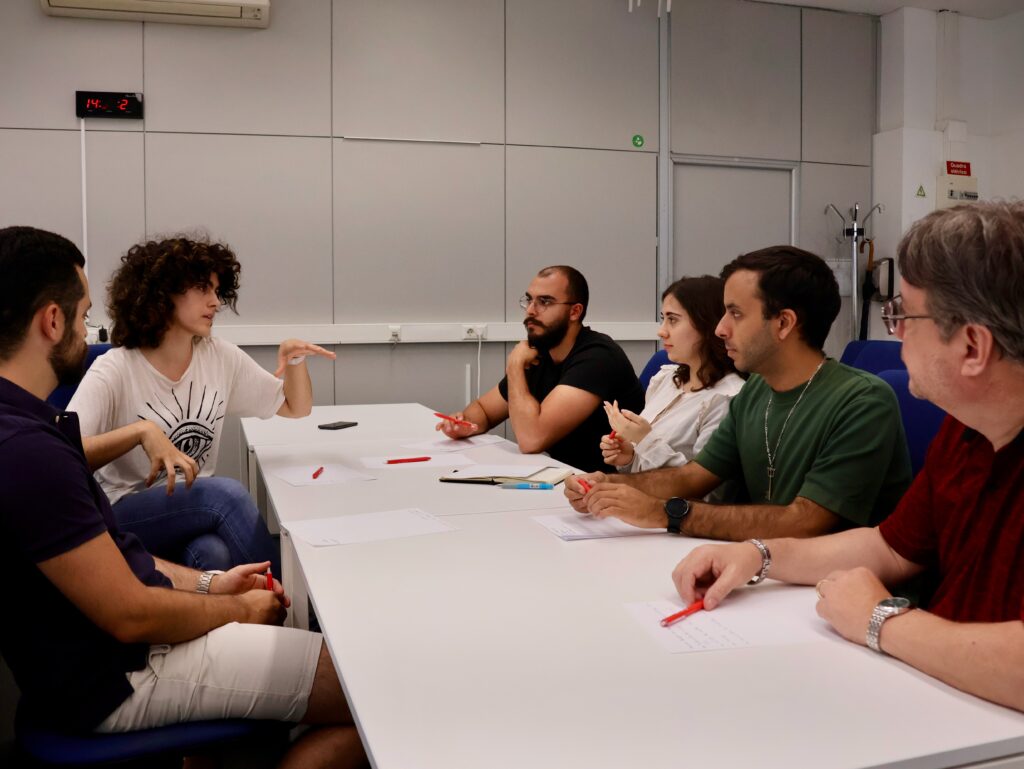
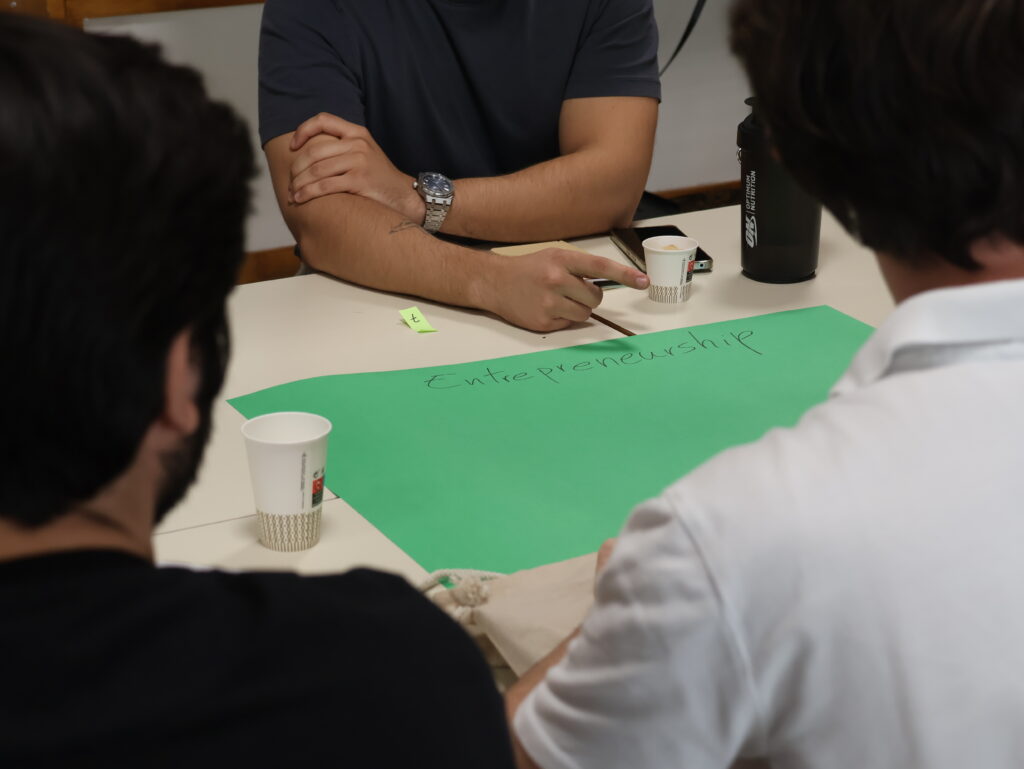
    After being acquainted with each other, and similar to the previous year, Daniel Gonçalves gathered students to discuss and come up with questions to fit into four categories, Academia, Industry, Entrepreneurship and General/Doctoral Path. After writing and voting on the most burning question of every topic, these were posed to 5 guest speakers, Rui Henriques, Guilherme Paim, Zita Marinho, Luís Fiolhais and Diogo Rato, in a panel moderated by Carolina Carreira. In a light-hearted fashion and with some nostalgic recollections, the speakers candidly shared their own experience as PhD students, what they would’ve done differently, whether nothing at all or all of it, and provided valuable advice for their successors.

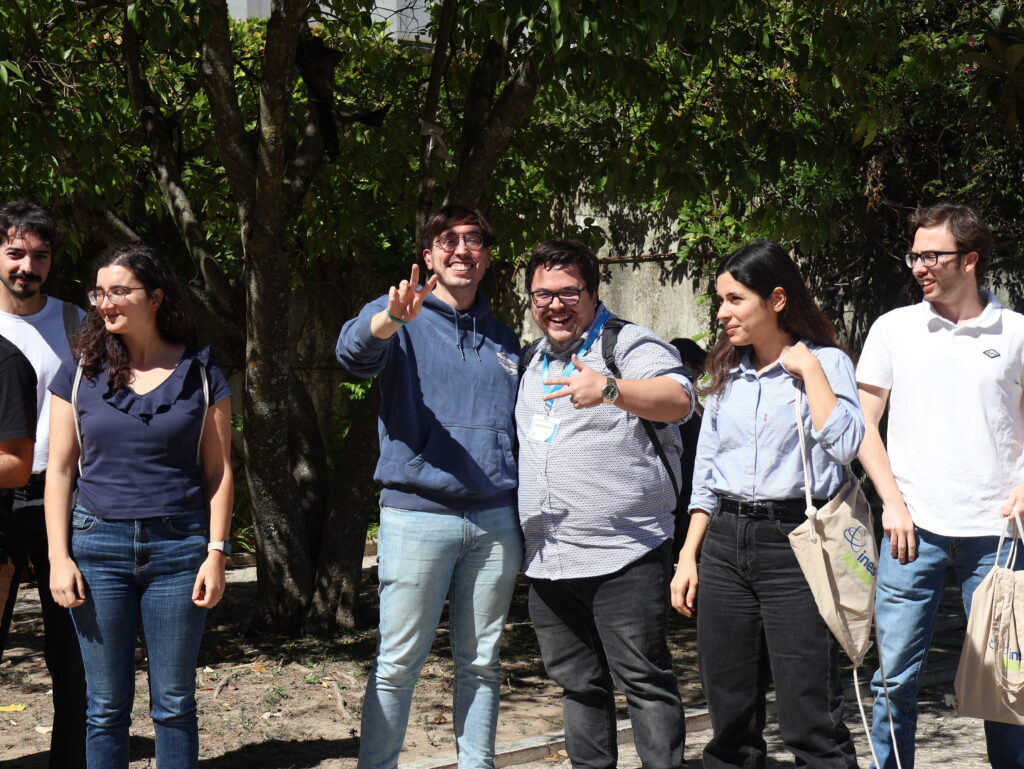
    By the end of the panel, the attendees made their way outside for a group picture and, finally, lunch, during which many took the chance to further talk with the speakers and to get to know each other better.

    This meeting marks a significant milestone in the journey to build a supportive community and promote collaboration among students. Besides allowing current students to connect with each other, the date, strategically set in September, also allowed the meeting to serve as a welcome moment for newcomers. It complements the INESC-ID PhD Students Meetups, informal gatherings designed to support and connect our doctoral researchers. Created by the INESC-ID Communications and Outreach Office, the series offers space for community building, peer exchange, personal and professional growth, and insight into the wider opportunities of the PhD journey.


    Images | © 2025 INESC-ID

  • Joaquim Jorge Elected 2027 IEEE Computer Society President

    Joaquim Jorge Elected 2027 IEEE Computer Society President

    INESC-ID researcher Joaquim Jorge, from the Graphics and Interaction scientific area, has been elected President of the IEEE Computer Society for 2027, after serving on the Society’s Board of Governors and leading multiple initiatives in the field of computing.

    A long-time contributor to the IEEE community, he was previously named an IEEE Distinguished Visitor, received the Golden Core Recognition in 2024, and was inducted into the IEEE VR Academy. He currently serves on the Society’s Publications Board.

    The IEEE Computer Society is the world’s largest organisation of computing professionals, supporting over 375,000 members worldwide.

  • Powered by Research: INESC-ID goes the extra mile at the Tejo Run 2025

    Powered by Research: INESC-ID goes the extra mile at the Tejo Run 2025

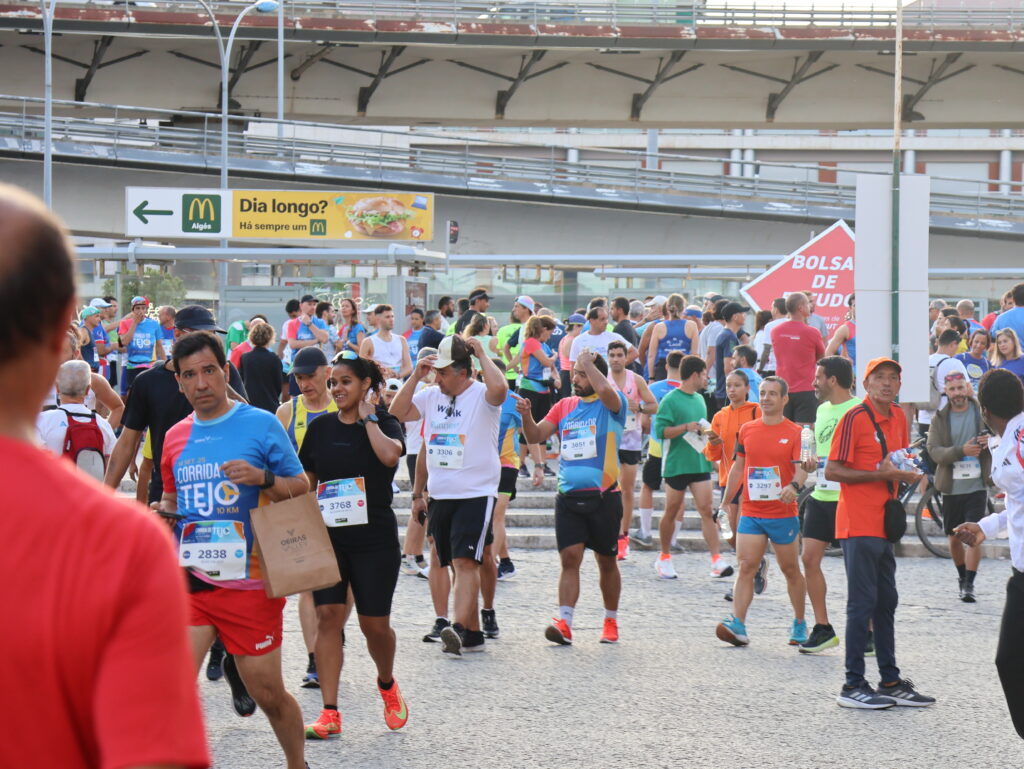
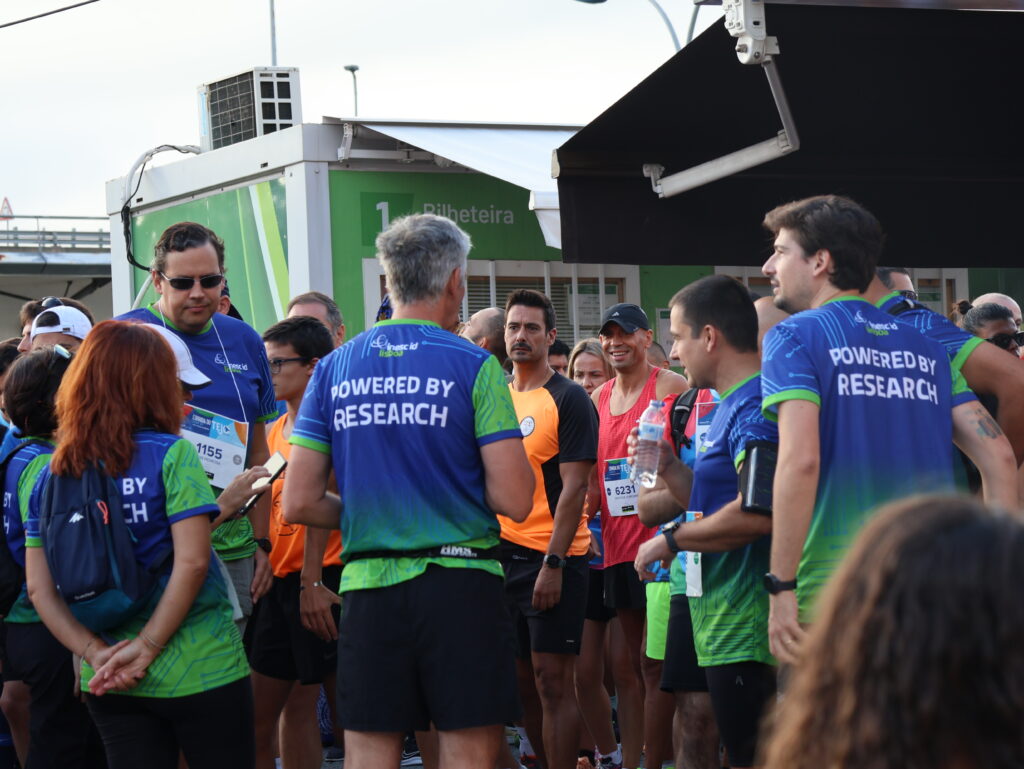
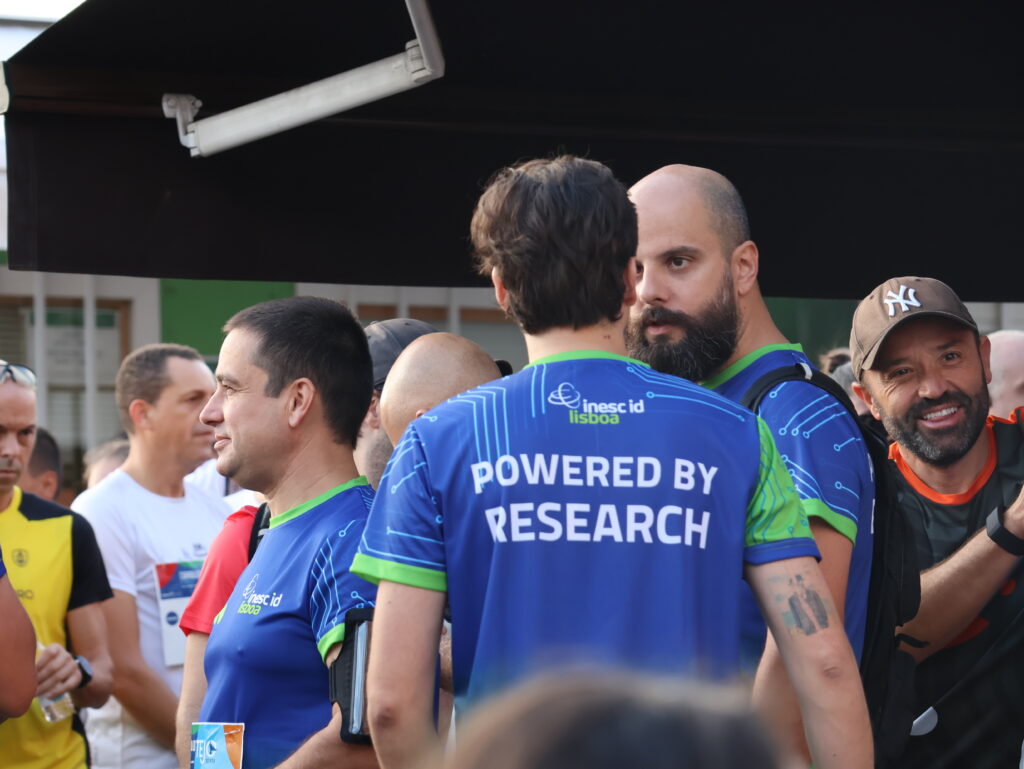
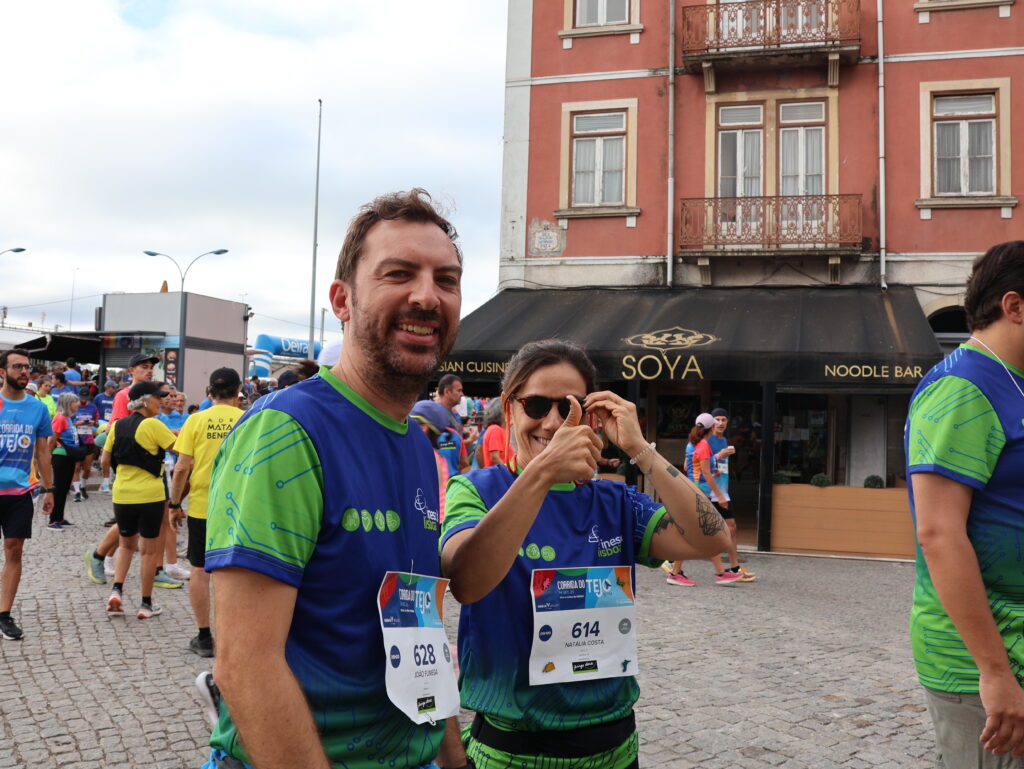
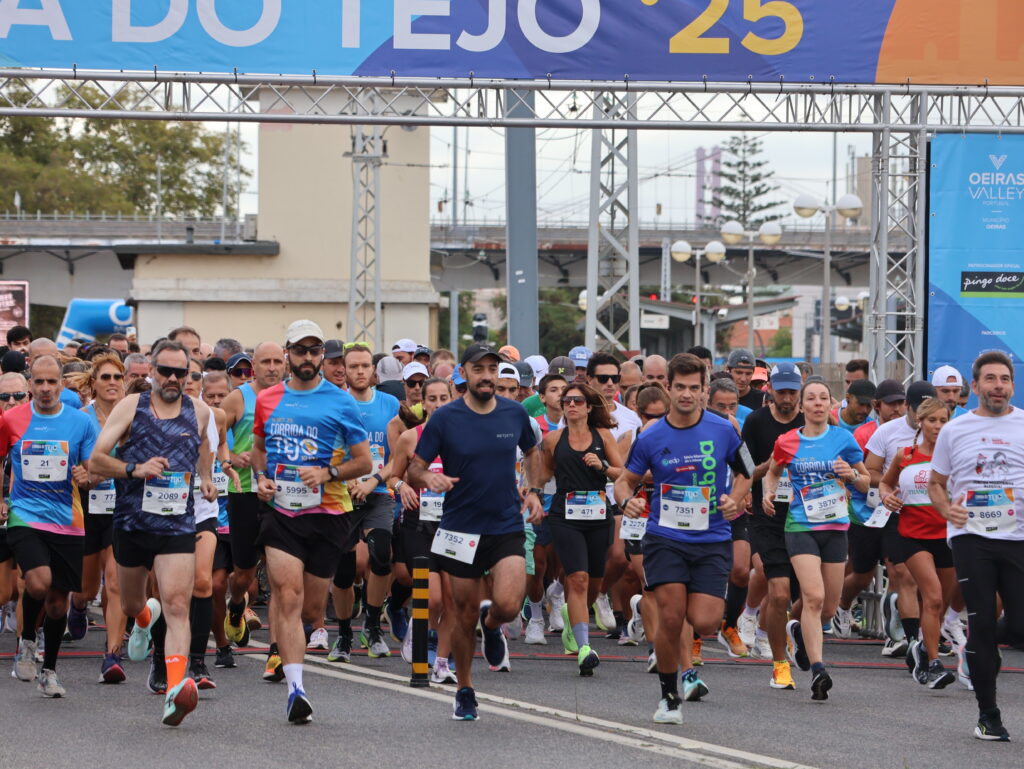
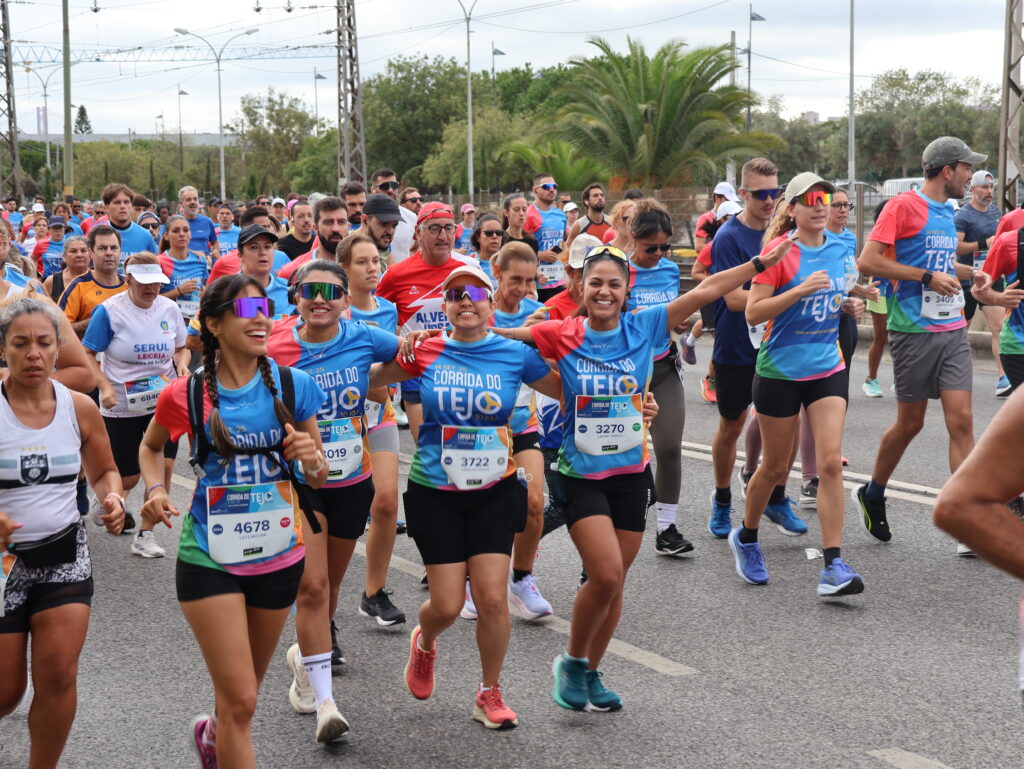
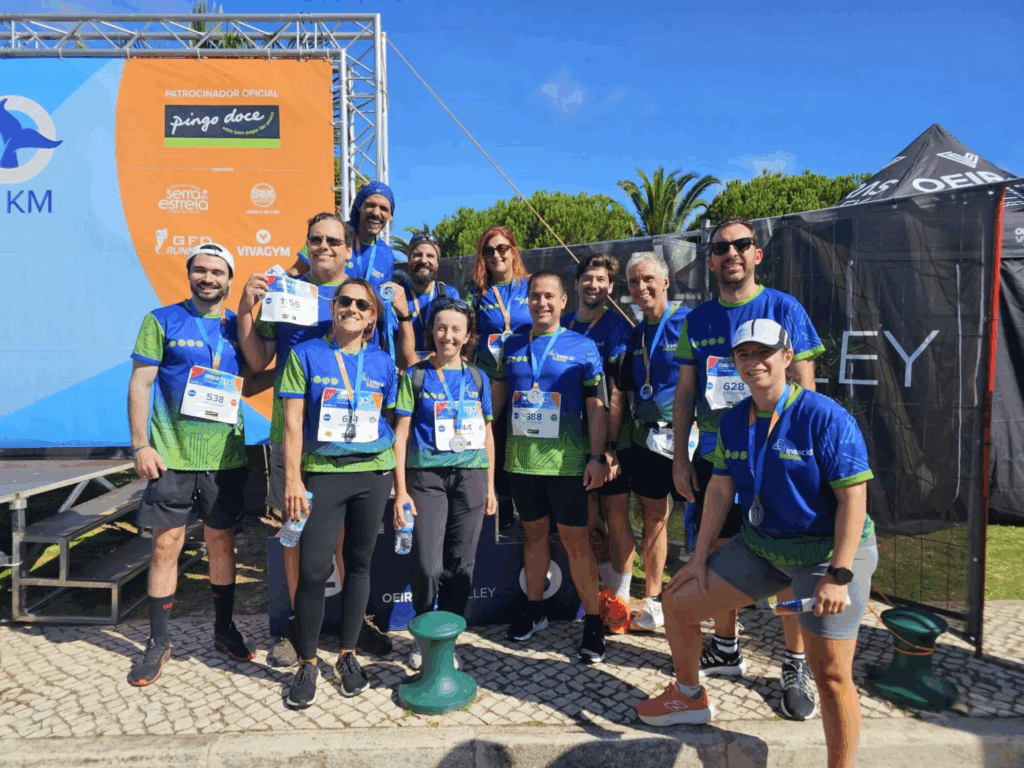
    It was just after 8 a.m. on a sunny Sunday, September 14, and several members of the INESC-ID running group were already warming up, chatting, and sharing laughs near Algés station, a meeting point for thousands of runners and enthusiasts of all ages ahead of the Tejo Run 2025. 

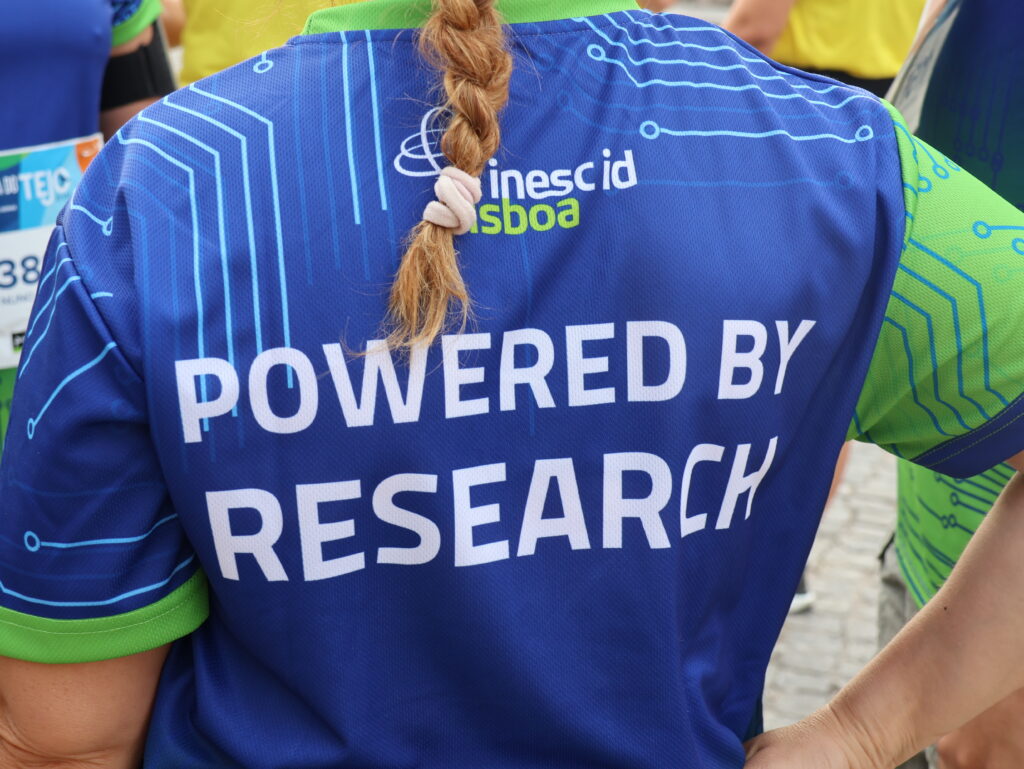
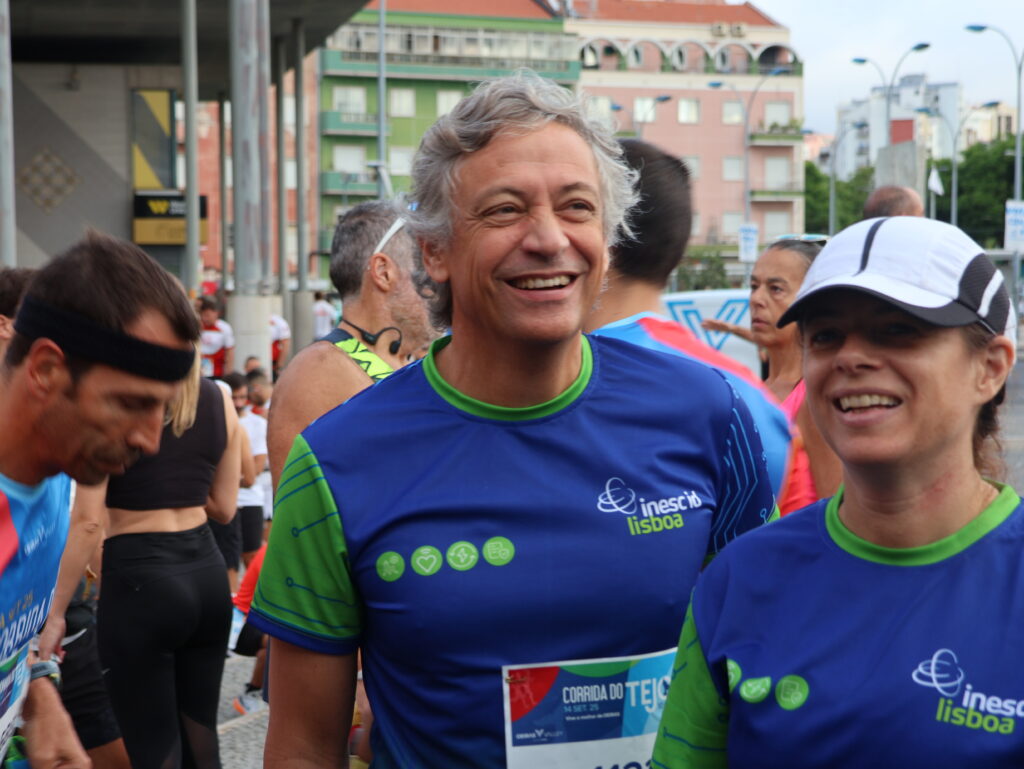
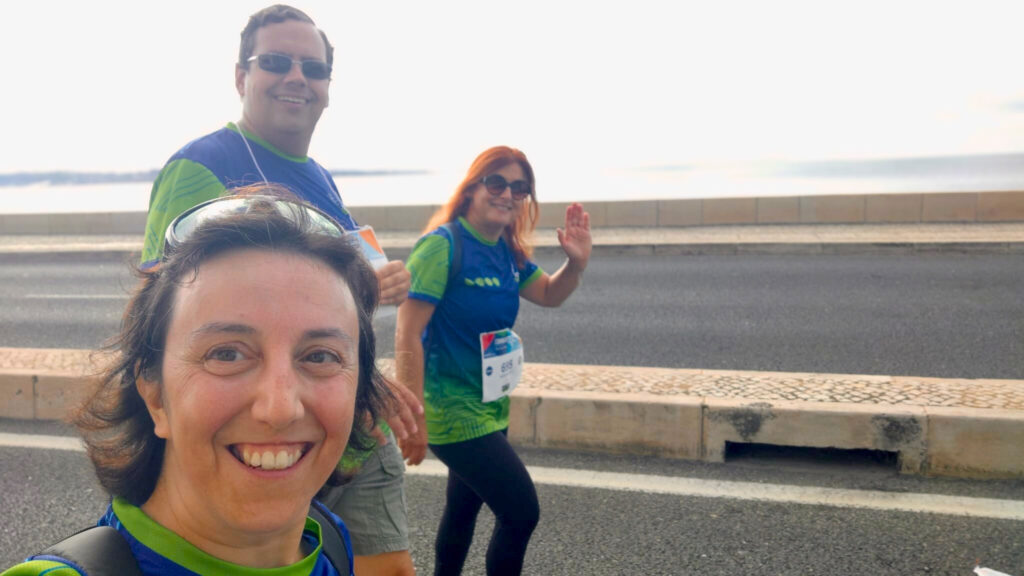
    For those still arriving, it was easy to spot the rest of the team. The green and blue t-shirts with the INESC-ID logo and the rallying phrase Powered by Research, proudly worn by researchers, PhD students, and members of the various support offices, stood out in the crowd. 

    After the brief gathering, it was time to run. For some, the culmination of weeks of hard training. For others, first-timers, it felt more like a Sunday stroll straight out of an Instagram post: 10 kilometers of coastline between Algés and Praia da Torre, in one of Portugal’s oldest and most scenic races. 

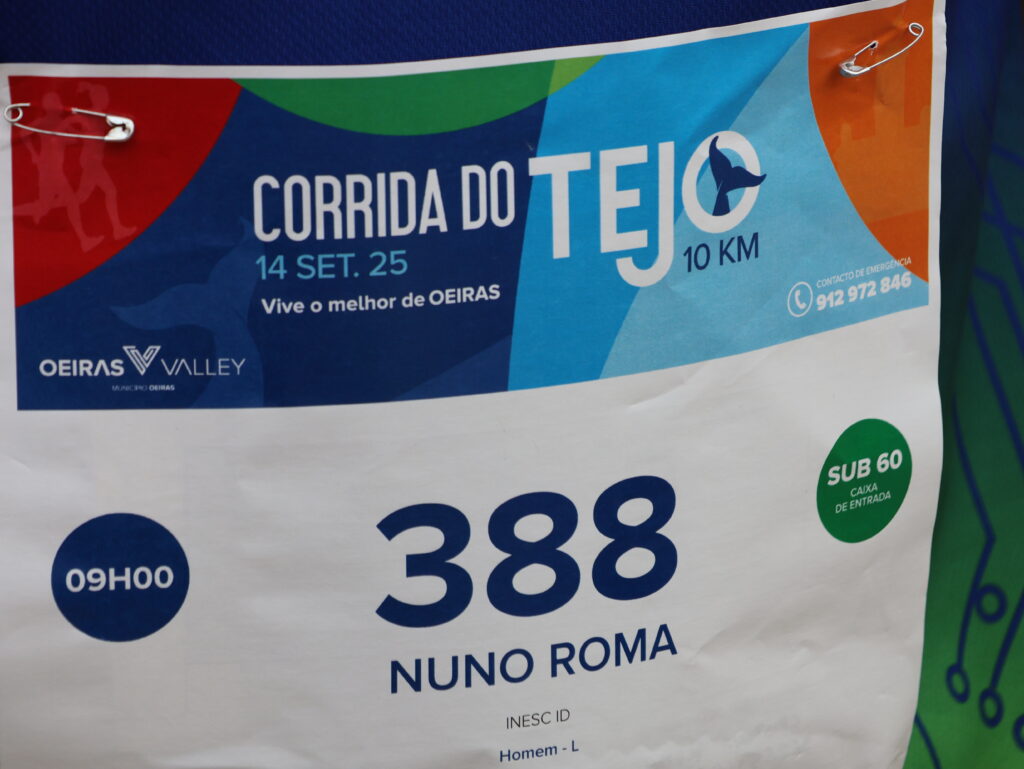
    On the men’s classification, researcher Fábio Passos crossed the finish line first, with an impressive time under 50 minutes, followed closely by Jorge Fernandes. Nuno Roma and Nuno Neves finished just minutes later, almost neck and neck. In the women’s classification, Sílvia Castro, Natália Costa, and Manuela Sado completed the INESC-ID podium. The rest of the team arrived at their own pace, but no one was left behind. 

    At the finish line, sweat, fatigue, and wide grins were the best medals and the shared certainty that next year, “temos equipa!


    Images | © 2025 INESC-ID

  • After the lights went out: MIT and INESC-ID researchers team up to prevent the next blackout

    After the lights went out: MIT and INESC-ID researchers team up to prevent the next blackout

    Long queues outside corner shops and bakeries. Supermarkets closed. Anxious people carrying gas cylinders, bags of charcoal, batteries, and candles. In an instant, and for several hours, the fast, digital rhythm of 21st-century life was unplugged. 

    The unprecedented Iberian blackout that left Portugal and Spain “in the dark” on the morning of April 28 exposed just how reliant modern society is on the seamless functioning of our electrical grids. 

    In the weeks that followed, the event triggered international media attention, quickly becoming politicized and a lightning rod in the renewable energy debate, as the Iberian Peninsula is one of the world’s regions with the highest levels of renewable energy production.

    Experts across the sector, including INESC-ID researchers and Instituto Superior Técnico professors Pedro Carvalho and Rui Castro, helped clarify the technical complexity of the event and the deeper challenges it revealed for Europe’s ongoing energy transition. (Read our earlier article here.) 

    “It immediately caught the world’s attention. Because we have one of the highest shares of renewables, what happened here became a weapon in the political debate.” –  Pedro Carvalho 

    But now, the key question is: how do we prevent this from happening again? 

    Events like these are often compared to forest fires – all too familiar in Portugal. Once they begin, they are incredibly hard to stop. Which is why building resilience and improving control in such a tightly interconnected system is essential. 

    That’s precisely the focus of a new project titled “Assessing and Mitigating Blackouts: The Case of Iberian 2025 Blackout”, recently awarded a US$200K seed grant by the MIT Portugal Program. The MIT Portugal Seed Fund is awarded exclusively to MIT Principal Investigators, with proposals that include collaboration with Portuguese faculty, students, industry, or other institutions in Portugal. 

    The project is co-led by Marija Ilic, professor and researcher at MIT and Pedro Carvalho—long-time collaborators with nearly two decades of joint work on modelling power systems and grids. Their research will explore two innovations designed to prevent future large-scale blackouts while allowing the continued integration of high levels of renewable energy sources. 

    The first involves simulating the electric power grid interconnecting France, Spain, Portugal, and the underwater connection to Africa—all affected during the April 28 event. The team will reconstruct the chain of events, assess vulnerabilities, and explore how cross-border exchanges, particularly between France and Spain, can be better coordinated to prevent voltage collapse. 

    The second innovation focuses on developing an adaptive power electronics control system capable of stabilising voltage and frequency during extreme grid disturbances. This mechanism is intended to avoid the premature activation of protection protocols that can inadvertently shut down the entire system. 

    Together, these innovations could help prevent widespread blackouts, while supporting the transition to cleaner, decentralised energy. To achieve this, the two co-investigators are rethinking today’s operating and planning practices, and aim to deliver recommendations for policymakers.  

    For Portugal, that work now includes INESC-ID, through Pedro Carvalho. As a member of the newly formed Technical Advisory Group for Strengthening the Security and Flexibility of the National Electricity System – set up by Portugal’s Minister for Environment and Energy and expected to soon deliver a public report – he is uniquely positioned to help turn research into action. 

    The group’s goal is to reinforce the grid’s resilience against future blackouts. For INESC-ID, this participation also reflects recognition of its expertise in energy systems, increasingly called upon in both research and policy contexts. 

    The project won’t just be academic. Using MIT’s Power Digital Twin to simulate real-world situations—recently deployed in Puerto Rico to prepare its power grid for hurricanes—the team will better understand the vulnerabilities of the Iberian grid and identify improvements, all while maintaining high use of renewables. 

    What adds further urgency and relevance to this research is the current political context. Although the blackout has disappeared from media headlines, “behind the scenes, utilities, especially in Spain, are still under tremendous pressure. Many companies are demanding millions in compensation,” Carvalho explains. 

    But practical changes are already underway. In the future, insights from this project could be applied to other regions with high renewable penetration, such as Texas, California, and Northern Europe, and provide recommendations to help industry and governments design better mitigation strategies. 

    In the immediate aftermath of the event, uncertainty and lack of information sparked speculation ranging from technical failure to fears of a Europe-wide cyberattack. We were bluntly reminded that our increasingly decentralised and interconnected critical infrastructures are not just technical, they are a societal nervous system.


    Text by Rodrigo Abril de Abreu | Head of Communications and Outreach Office, INESC-ID
    © 2025 INESC-ID. Credit INESC-ID and the author, with a link to the original source, when sharing or adapting this article.
  • In the Media: “The Scientists of the future?” Arlindo Oliveira reflects on AI systems and their role in science

    In the Media: “The Scientists of the future?” Arlindo Oliveira reflects on AI systems and their role in science

    “Will artificial intelligence systems of the (near or far) future be capable of creating new knowledge?” is the central question in the most recent opinion article by Arlindo Oliveira*, INESC-ID researcher and professor at Instituto Superior Técnico, published in Público, one of the main national newspapers.

    In this article, the researcher highlights recent advancements in Artificial Intelligence (AI) and Large Language Models (LLMs), emphasising their growing impact on society. As these models become increasingly complex, the question remains whether they will someday be able to create entirely new concepts.

    Arlindo Oliveira states that the general opinion remains deeply divided, with some experts firmly believing that the models will never go beyond predicting probabilities. However, others argue that this technology will eventually surpass statistics and be responsible for creating new knowledge. This breakthrough could mean a drastic change in how science is conducted in the future, ushering close collaboration between human and digital scientists.

    Read the full article in Público: here

    *Arlindo Oliveira is an INESC-ID researcher in the Information Decision and Support Systems area and president of INESC. He is also Full Professor at Instituto Superior Técnico in the Department of Computer Science.

    Image: Instituto Superior Técnico

  • In the Media: Luís Caires questions the future of Portugal’s science policy in Público

    In the Media: Luís Caires questions the future of Portugal’s science policy in Público

    “Is this the end of the science that we need?” That’s the question Luís Caires*, INESC-ID researcher and professor at Instituto Superior Técnico, raises in a recent opinion piece for Público, one of Portugal’s main national newspapers. The article addresses the Portuguese government’s announcement to dissolve the Fundação para a Ciência e a Tecnologia (FCT) and the Agência Nacional de Inovação (ANI), replacing them with a new agency.

    Luís Caires voices concern about the plan to merge these institutions into a new agency, a move with serious implications for national science policy and at odds with earlier government commitments. He points to the crucial role FCT has played in shaping the Portuguese scientific ecosystem and defends the ongoing relevance of its core mission.

    The researcher also highlights the distinct timelines and logics that govern science and innovation, stressing the complexity of their relationship. He warns against simplistic views and against growing disinvestment in fundamental research, which he considers just as essential as applied research in building a resilient and future-ready scientific system.

    Read the full article in Público: here

    *Luís Caires is an INESC-ID researcher in the IDSS scientific area, ERA Chair Holder under H2020 BIG. He is also Full Professor at Instituto Superior Técnico in the Department of Computer Science and founding Director of the NOVA Laboratory for Computer Science and Informatics.

  • In the Media: Helping journalists verify facts faster with trustworthy AI

    In the Media: Helping journalists verify facts faster with trustworthy AI

    INESC-ID PhD student Filipe Altoe, MSc student Sérgio Pinto, and researcher Sofia Pinto, also a Professor at Instituto Superior Técnico, are behind a new fact-checking AI model that was recently featured in national media, including Expresso, Observador, and SIC Notícias. 

    The article, presented last week at the international conference IJCAI 2025 in Montreal, proposes an AI model that automates the complex process of verifying information, helping journalists respond faster to digital misinformation, with full transparency and without replacing their judgement.

    The model was tested with the collaboration of more than 100 professional journalists, who helped validate its functionality and the quality of its explanations.

    This work exemplifies INESC-ID’s ongoing research in trustworthy and explainable AI, advancing methods that make artificial intelligence more transparent and reliable.

    Read the article on Expresso: here
    Read the article on SIC Notícias: here

  • “Healthy Mind, PhD in Progress”: Supporting PhD Student Wellbeing at INESC-ID

    “Healthy Mind, PhD in Progress”: Supporting PhD Student Wellbeing at INESC-ID

    Can research institutes excel without caring for the wellbeing of their people?

    It’s increasingly clear that real excellence in R&D+i is not just about brains or breakthroughs, it’s also about the social support systems behind them. With initiatives like the PhD Students Meetup on mental health and wellbeing last June, INESC-ID is taking part in this shift towards a new scientific culture.

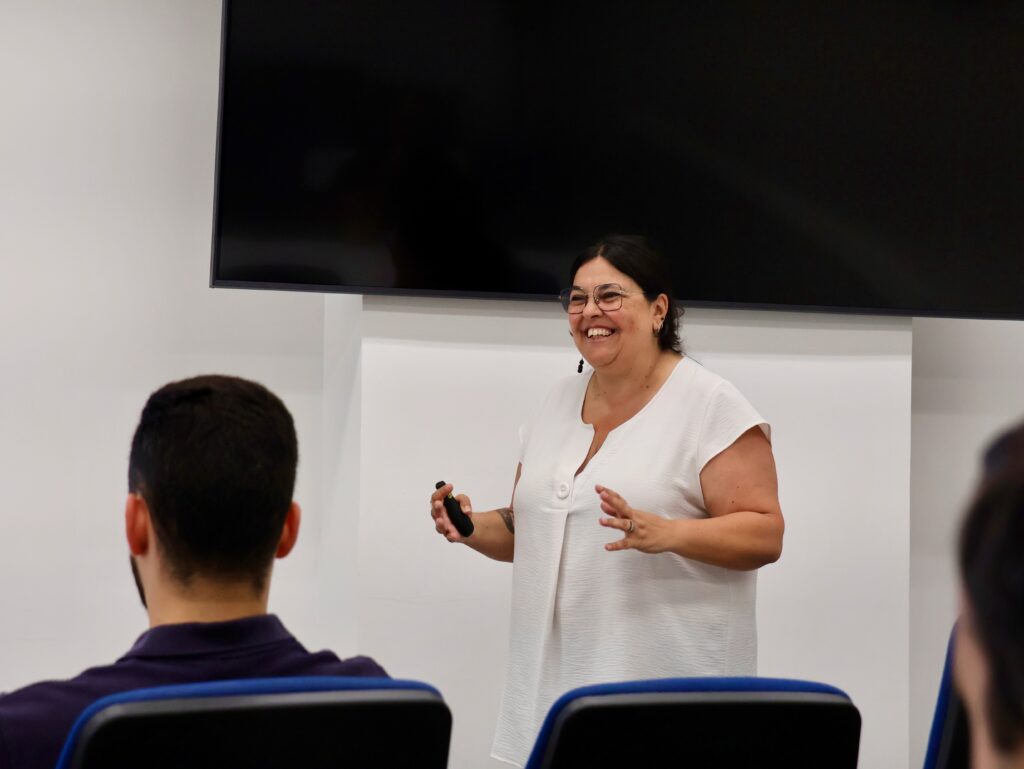
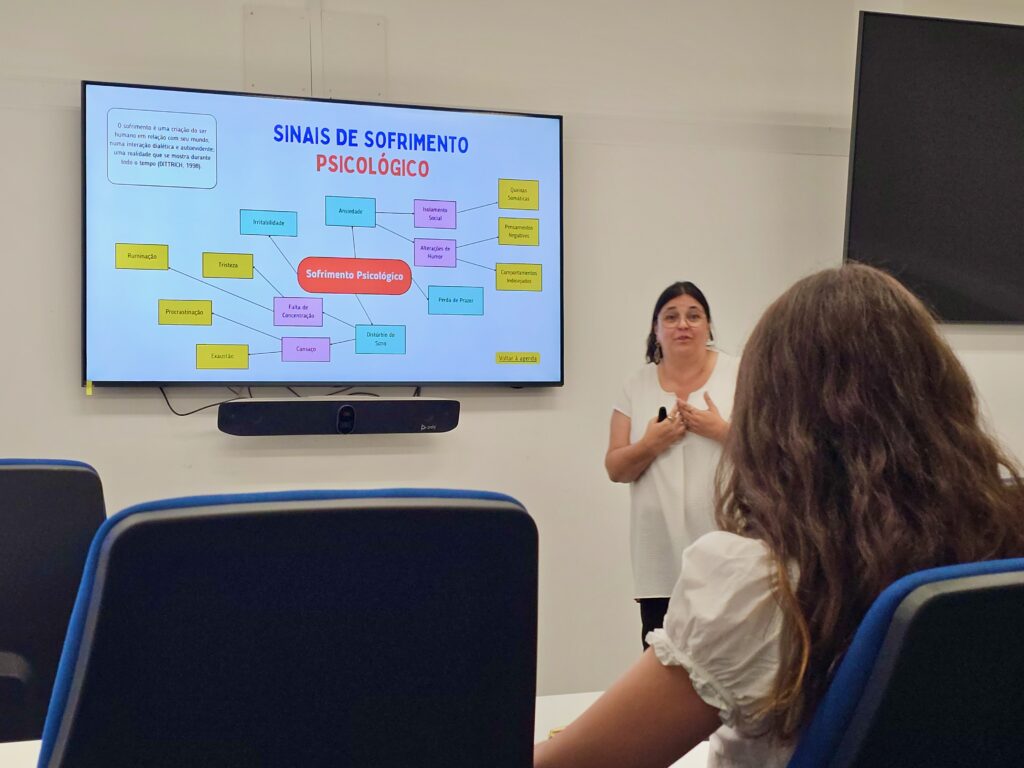
    For many PhD students, the path toward a scientific career can be isolating. That’s why moments like the INESC-ID PhD Students Meetups matter. Part of an ongoing series of community-building initiatives designed to connect and empower our students, June’s event brought together around 20 participants from different research areas and stages of their doctoral journey for a hands-on workshop titled “Mente Sã: PhD em Progresso” (Healthy Mind: PhD in Progress). The session was led by Carla Boura, Coordinator of the Mental Health and Wellbeing Program at the University of Lisbon, and former Head of Student Support at Técnico’s Oeiras campus, both key institutions in the INESC-ID ecosystem.

    Over the course of the half-day session, students paused, reflected, and explored tools to support their mental wellbeing – from recognising signs of psychological distress to practicing self-care and stress management strategies, including breathing and meditation exercises. The workshop also invited group discussions and joint reflection on common challenges, long-term wellbeing practices, and available resources.

    A structural problem: stress, isolation, and academic pressure

    The session began by framing the structural pressures faced by PhD students, including the solitary nature of certain research fields, a competitive culture, and the absence of a strong academic community.

    A global survey of over 6000 PhD students, reported in a 2019 Nature article by Chris Woolston, found that more than one-third sought help for anxiety or depression with many other reporting mental health struggles. The study also showed that students face multiple pressures. External factors include unstable funding, unclear career prospects, excessive workloads, or lack of institutional support. Internal challenges like imposter syndrome, anxiety or burnout, are also common. Nearly one in five students also reported experiencing bullying or harassment. For international students, visa issues and cultural adaptation can add another layer of stress and isolation.

    These stressors resonated with the students present, who shared their challenges in a rare moment of openness, made possible by the atmosphere of trust in the room. As Beatriz put it “What I liked the most was the caring environment, feeling like a safe space to share my experiences, and the practical tools and exercises to help with my emotions.” For Joana, “seeing that everyone has the same struggles during a PhD, and getting to know other INESC-ID students” was just as valuable.

    Carla, who launched Portugal’s first academic mentoring program at Instituto Superior Técnico in 1997, and actively participates in wellbeing and inclusion initiatives, isn’t surprised by this reaction:

    “There’s a misconception that PhD students, being older and having prior university experience, don’t need support. But everyone needs help at some point, regardless of age, and in a student community where more and more go directly from a Master’s to a PhD, that support becomes even more essential.”

    She adds there’s often a lack of literacy around the topic and “in the case of doctoral students, prevention can be essential for a healthy journey”. Her remarks echoed student feedback, with one suggesting the inclusion of this kind of session during the onboarding process, while others highlighted that connecting with peers was just as important as the content itself.

    Mental wellbeing as a foundation for excellence

    According to Carla, the University of Lisbon has taken an important step in building this culture “once and for all”,  aligning with the Nature article’s call for universities, supervisors, and funders to create healthier research environments and concrete support structures. Through its Mental Health and Wellbeing Program and Academic Success Project, the goal is to pave the way for psychologically safe environments that are “essential to developing creative, motivated, and dynamic students.”

    In a field defined by high intelectual demands, small gestures can make a big difference. As Carla Boura reflected, “Initiatives like this one – bringing the University of Lisbon’s Mental Health Program to your students – can truly have an impact.”

    At INESC-ID, home to nearly 200 PhD students, wellbeing and mental health are part of the conversation, not as a side note, but as a condition for excellence.

    More information about ULisboa’s Mental Health and Wellbeing Program (in Portuguese) here.

    Psychological First Aid Manual – University of Lisbon (PDF, in Portuguese) here.


    Text by Rodrigo Abril de Abreu | Head of Communications and Outreach Office, INESC-ID
    © 2025 INESC-ID. Credit INESC-ID and the author, with a link to the original source, when sharing this article.
    Images | © 2025 INESC-ID