Blog

  • INESC-ID at the INESC Brussels Hub Summer Meeting 2025

    INESC-ID at the INESC Brussels Hub Summer Meeting 2025

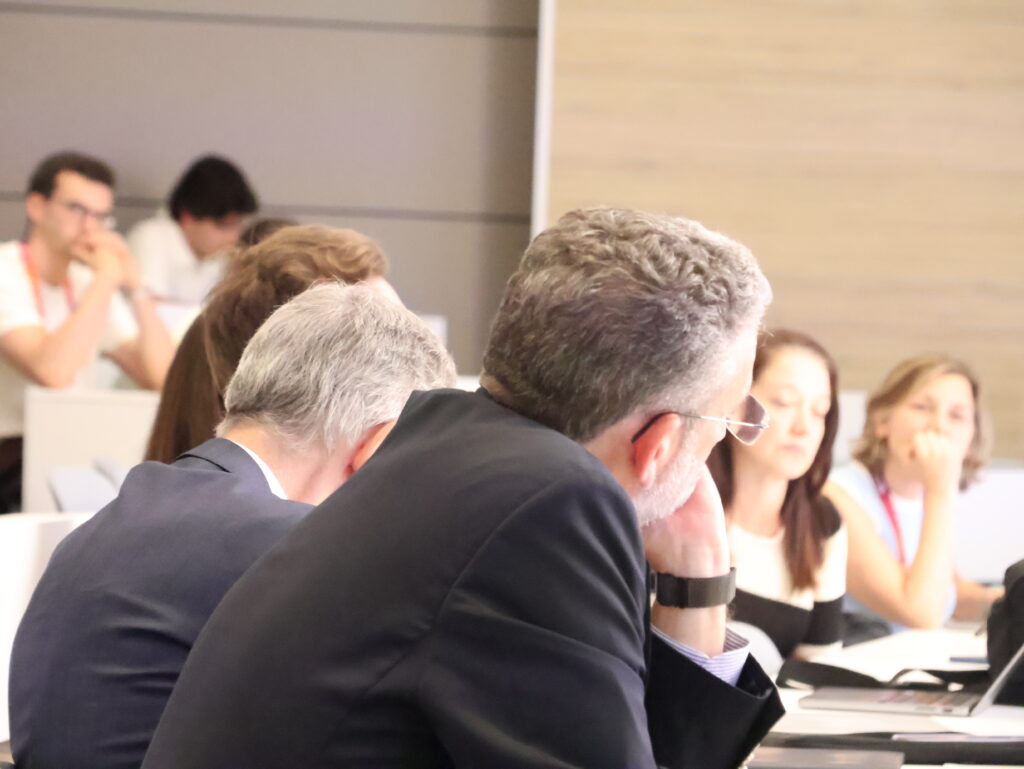
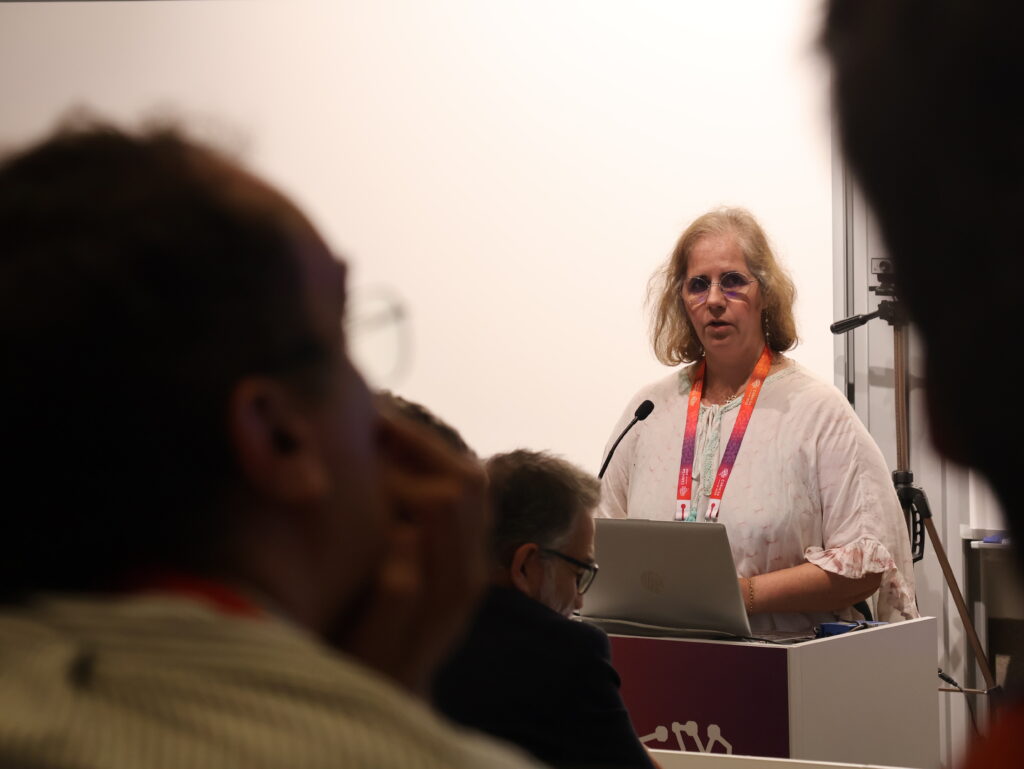
    Last month, the BIP Meeting Centre, in Brussels, hosted the 2025 INESC Brussels Hub Summer Meeting, which brought together over 200 participants, including researchers, EU policymakers, and industry leaders. From June 25 to 26, the high-level policy and strategy forum, organised by INESC Brussels Hub, addressed Europe’s most pressing research and innovation policy changes, from strategic autonomy to the role of dual-use research in Europe’s future. 

    The two-day event featured plenary and breakout sessions and foresight dialogue, promoting critical reflections and discussions focused on a singular policy challenge: “How can Europe design research and innovation strategies that are resilient, integrated, and capable of securing both prosperity and security in an era of uncertainty?” 

    “This meeting offers INESC-ID a unique opportunity to strengthen its international reputation, align its research with European policies, and enhance its relevance and visibility within the INESC community and beyond,” remarks our President of the Board Inês Lynce, who represented INESC-ID at the event, alongside Ana Teresa Freitas, Arlindo Oliveira and João Paulo Carvalho.   

    Ana Teresa Freitas moderated Breakout B1: Health, Cyber and Sensors for Societal Resilience, which explored possible contributions to societal resilience, particularly in potential civil protection and defence contexts, through advanced sensing, AI and simulation tools. 

    Learn more here

    Image | © 2025 INESC Brussels Hub

  • INESC-ID PhD Student Awarded Best Student Paper Award at ISVLSI 2025

    INESC-ID PhD Student Awarded Best Student Paper Award at ISVLSI 2025

    Sahar Moradi Cherati, one of our PhD Students in High-Performance Computing Architectures and Systems (HPCAS) was awarded the “Best Student Paper Award” during the IEEE Computer Society Annual Symposium on VLSI (Very-large-scale integration).

    Sahar’s work “MSDF-Based Hardware Accelerators for Energy-Efficient Neural Networks in Edge Computing Applications”, is co-authored by her supervisor HPCAS researcher Leonel Sousa. It explores a new approach to designing Multiply-Accumulate (MAC) units using Most Significant Digit First (MSDF) arithmetic. The goal is to enhance neural network performance on edge devices by minimising latency and effectively managing energy and area constraints.

    It’s encouraging to see this work recognised, and I’m grateful for the support and guidance I’ve received throughout this work.” adds Sahar.

    For over three decades the Symposium has been a unique forum promoting multidisciplinary research and new visionary approaches in the area of VLSI. The 2025 Symposium explores emerging trends and novel ideas and concepts covering a broad range of topics, from VLSI circuits, systems and design methods, to bringing VLSI design to new areas and technologies. This year it was co-located with the event “Empowering Women in Hardware & Chip Design: Challenges & Success Stories” organised by #SMART4Women.

  • Stepping up for Europe: INESC-ID at Encontro Ciência 2025

    Stepping up for Europe: INESC-ID at Encontro Ciência 2025

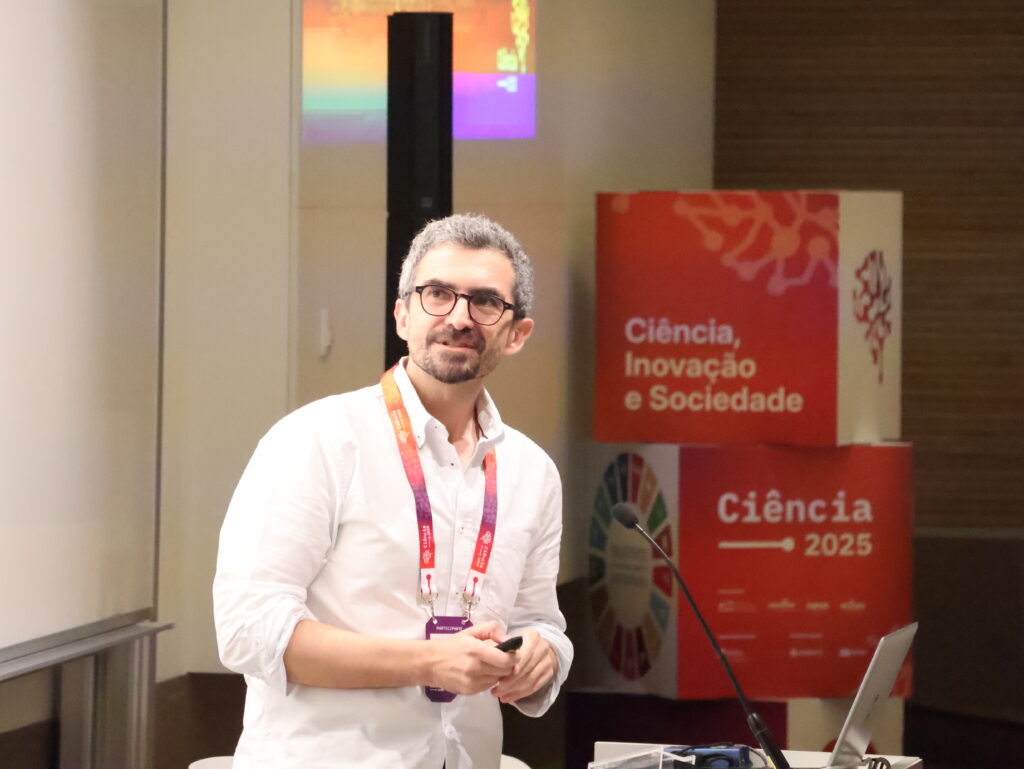
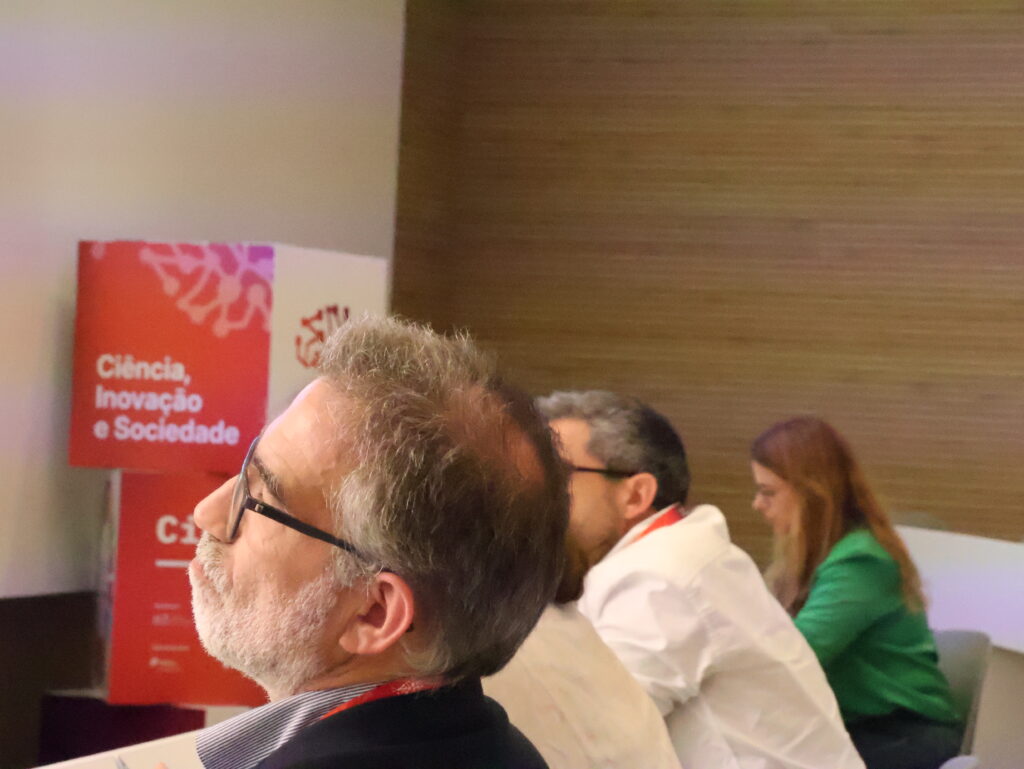
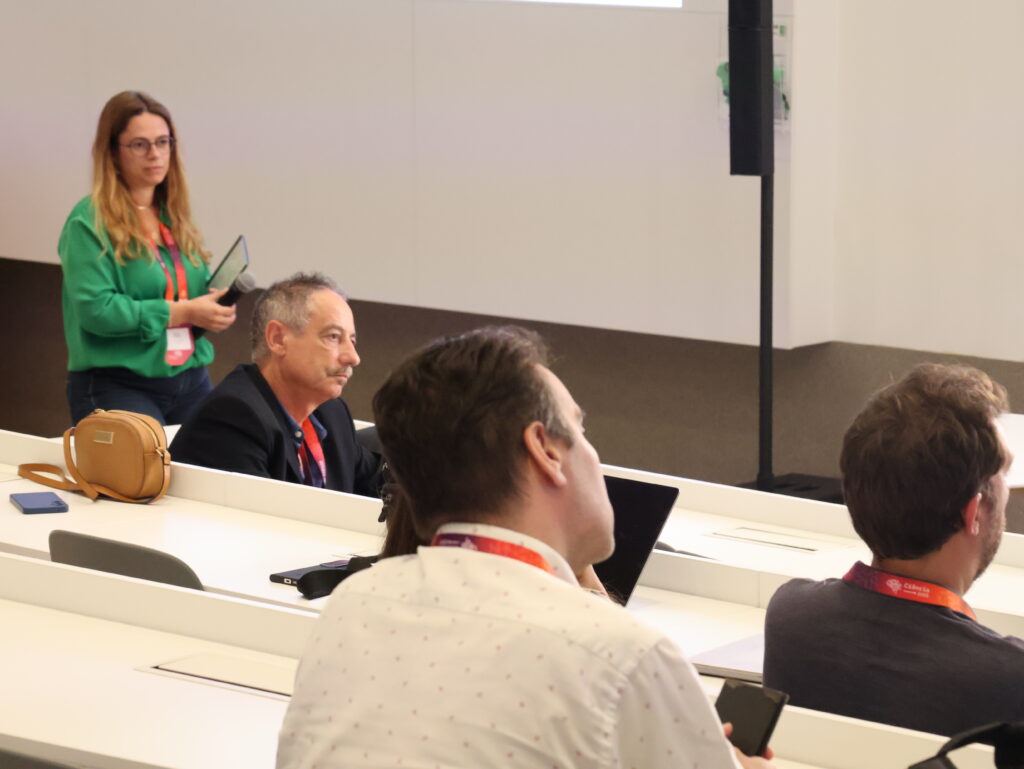
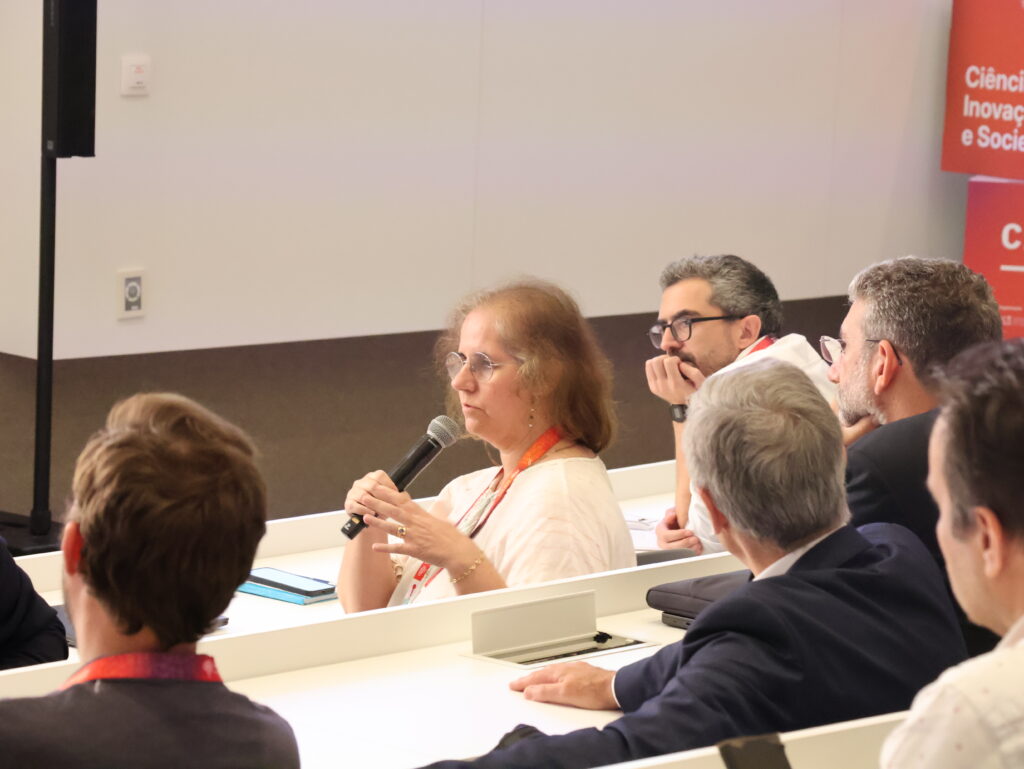
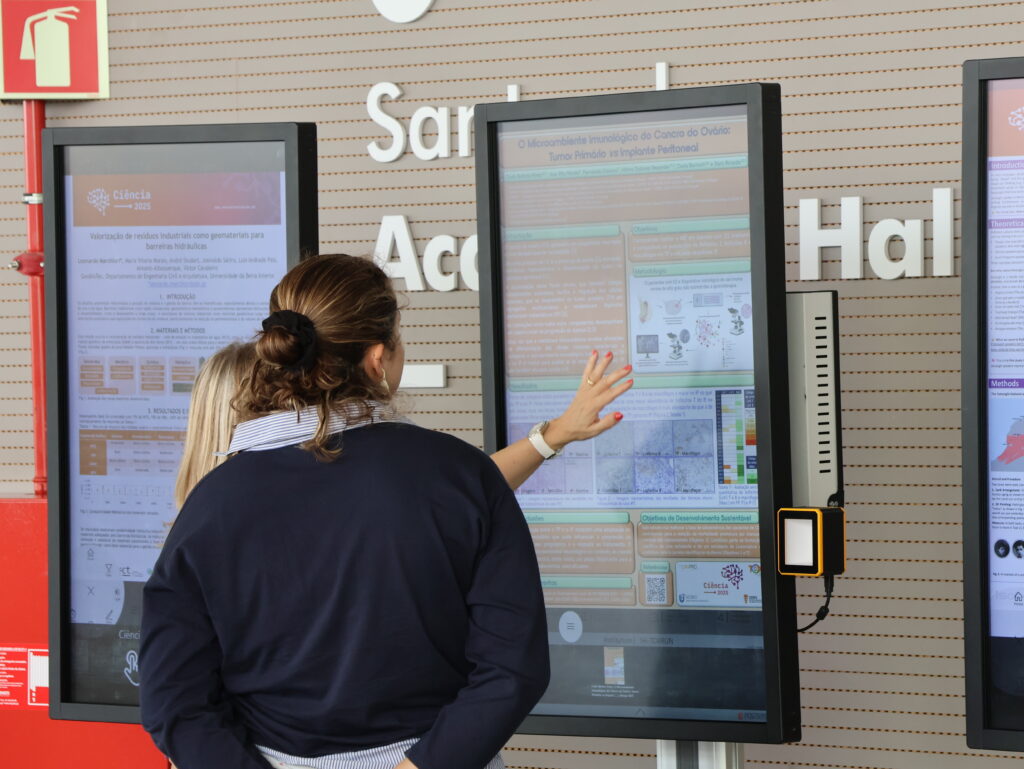
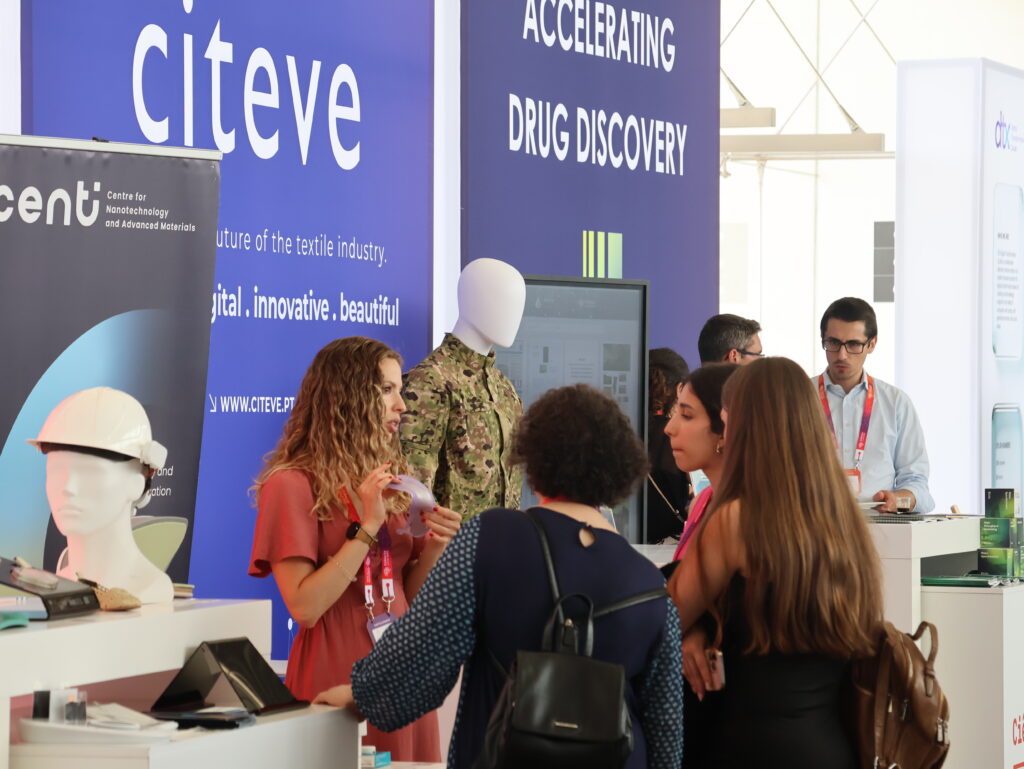
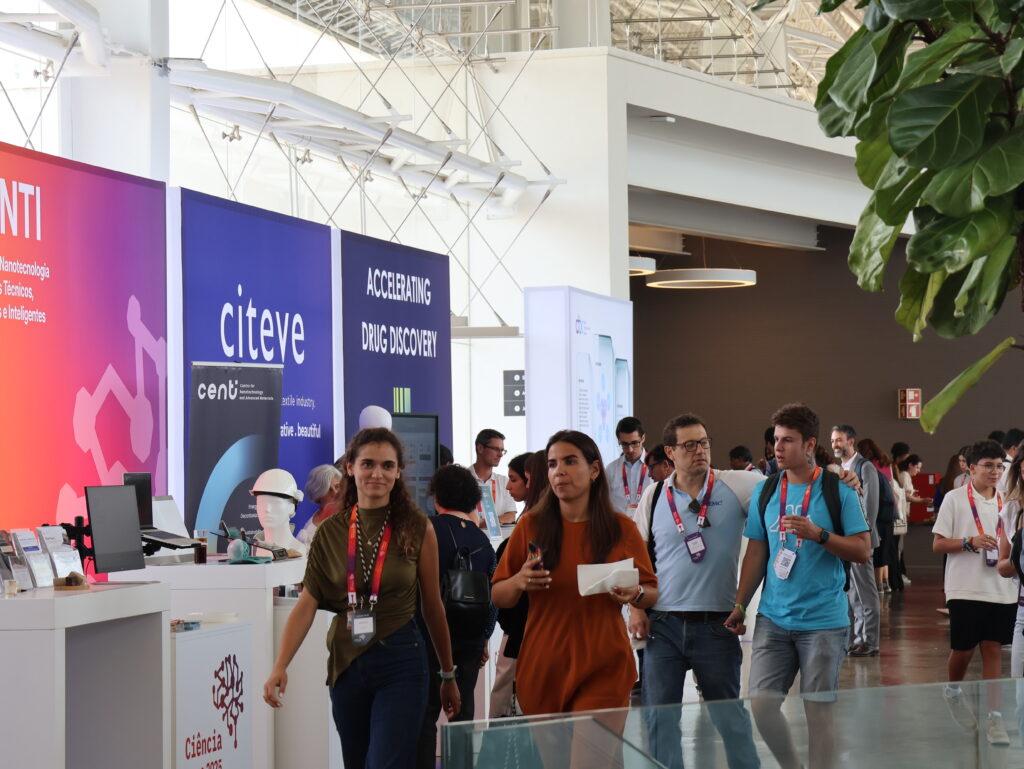
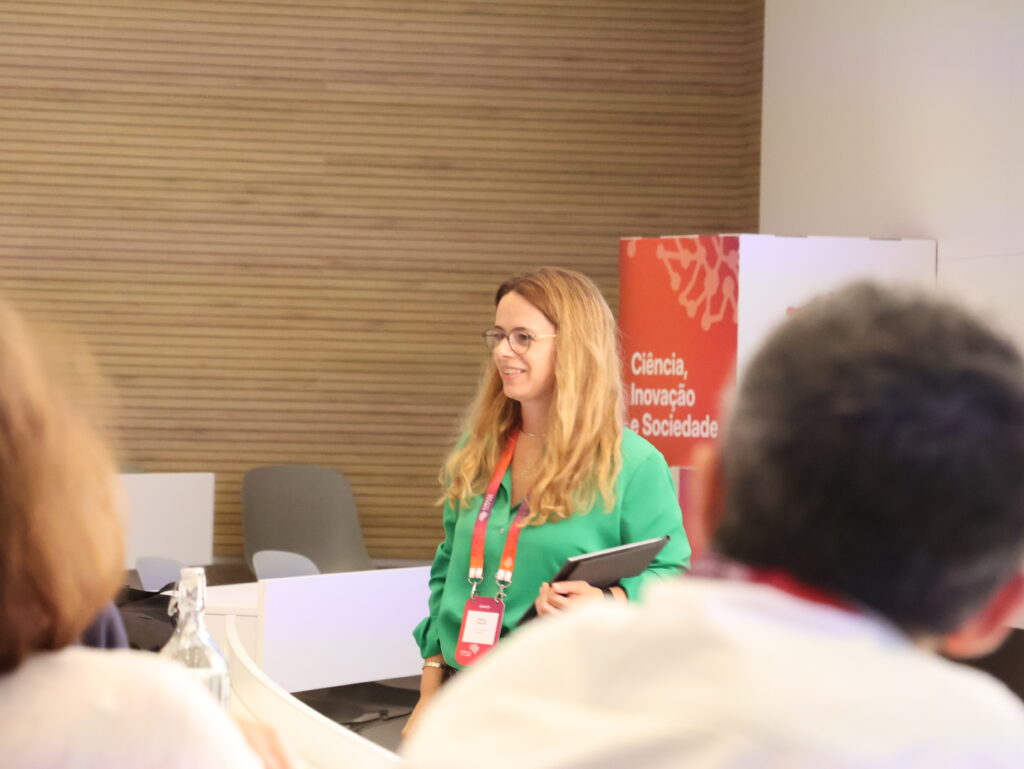
    In a fractured, fast-changing world, Europe is facing urgent questions about security, sustainability and technological sovereignty. At Encontro Ciência 2025,  Portugal’s largest annual science and technology gathering, we brought those questions into the room.

    Held from July 9 to 11 at NOVA SBE in Carcavelos, this year’s edition explored the theme “Ciência, Inovação e Sociedade”, bringing together researchers, policymakers, and institutions to discuss the future of science in society. The European Commission was the official guest of honour, represented by high-level officials in the fields of science and innovation.

    INESC-ID contributed with a flagship panel, joining voices from across the INESC network to ask a vital question: what role should research play in Europe’s resilience, autonomy, and defence?

    Strategic Autonomy and Defence

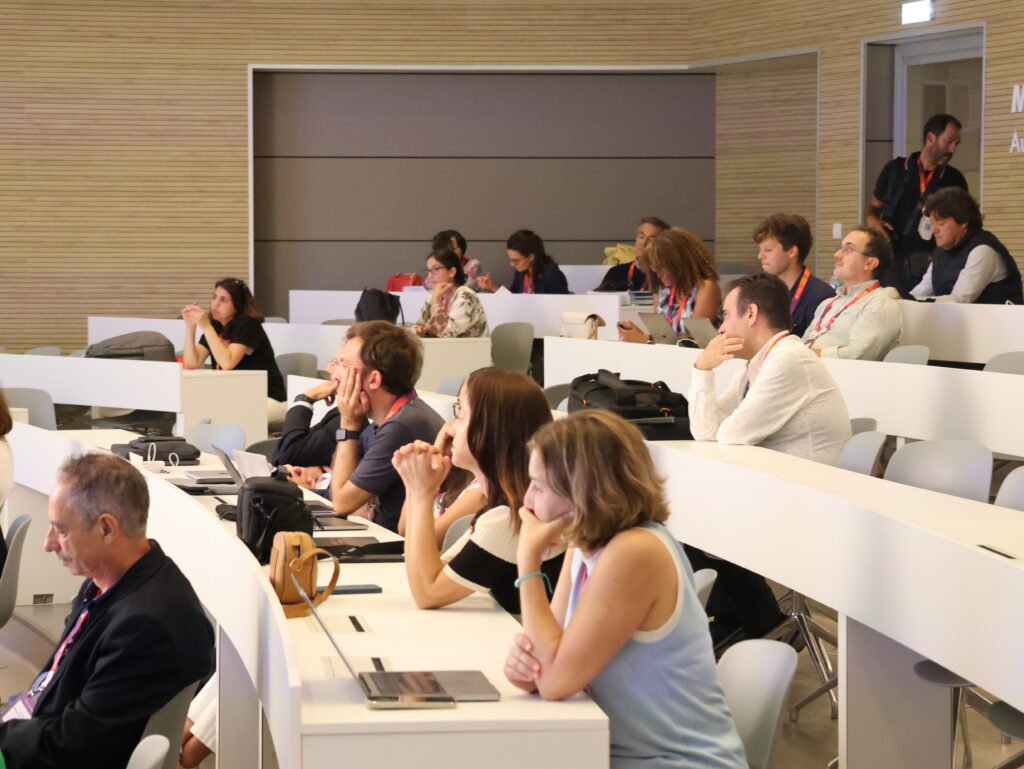
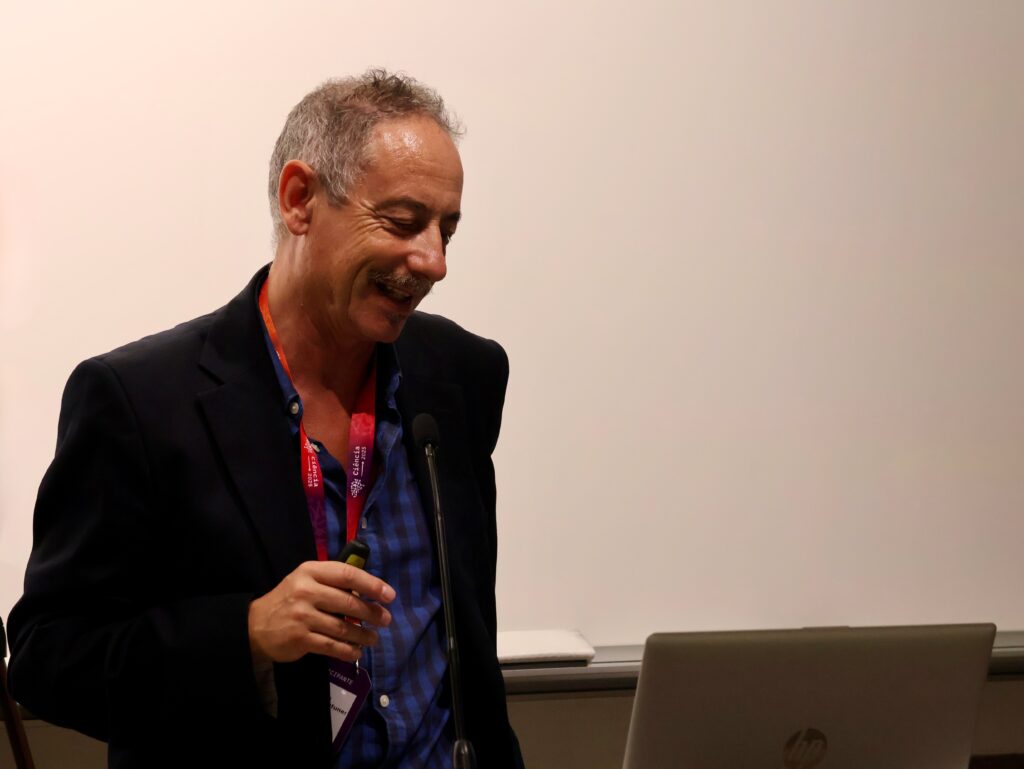
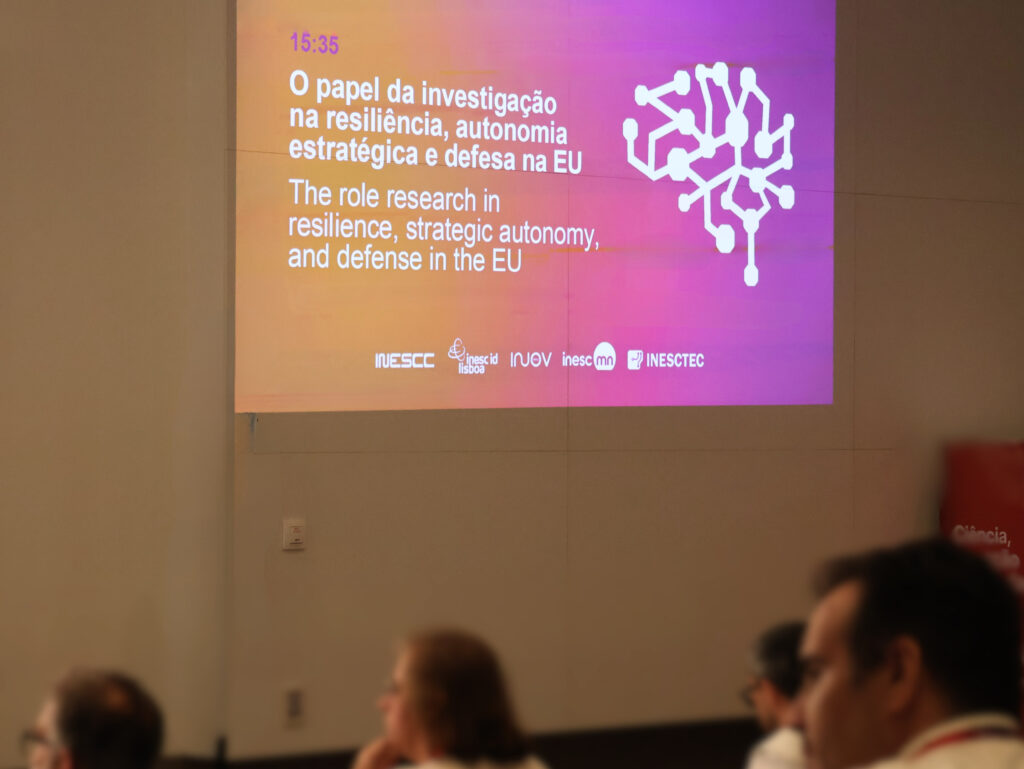
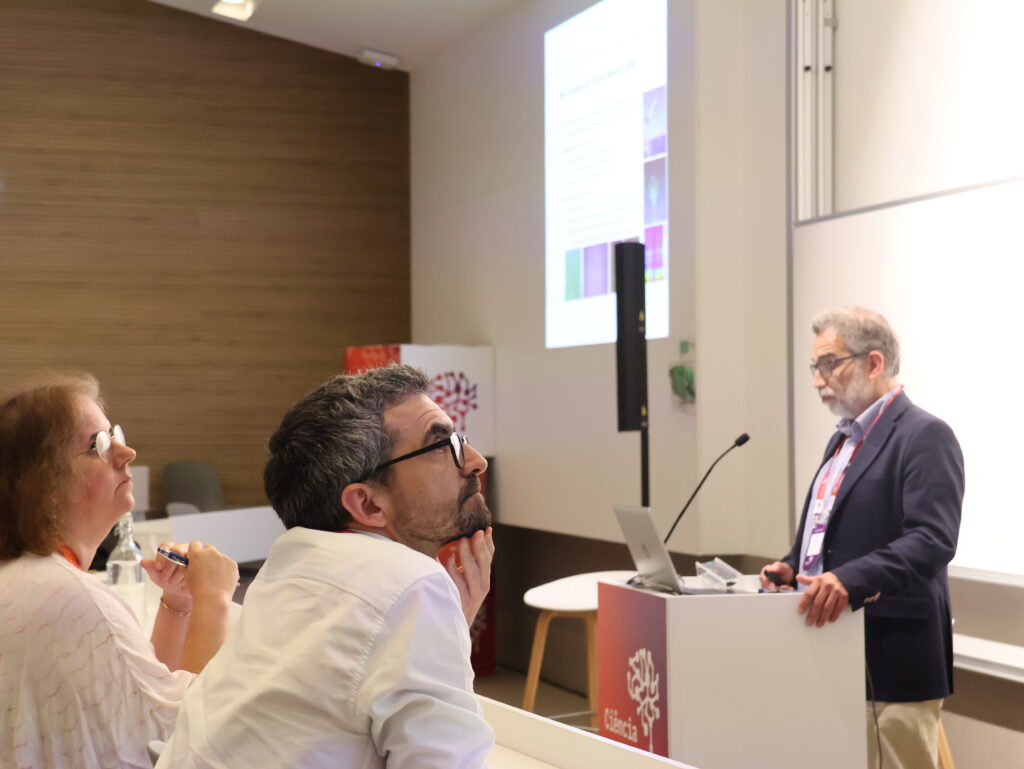
    At the heart of INESC-ID’s participation was the panel “The Role of Research in Resilience, Strategic Autonomy and Defence in the EU”, organised and moderated by Silvia Castro, Head of the Innovation Management Office. The session focused on Europe’s current challenges, highlighting how the INESC institutes are stepping up in response to shifting priorities, emerging risks, and a growing role for public research.

    Defence was an unavoidable theme (a clear sign of the times) and many research areas were framed through that lens. But the conversation didn’t shy away from the deeper challenge: how can research serve both security and society without losing its compass? This focus was illustrated by presentations on dual-use technologies spanning cybersecurity, nanoelectronics, energy, health, and photonics.

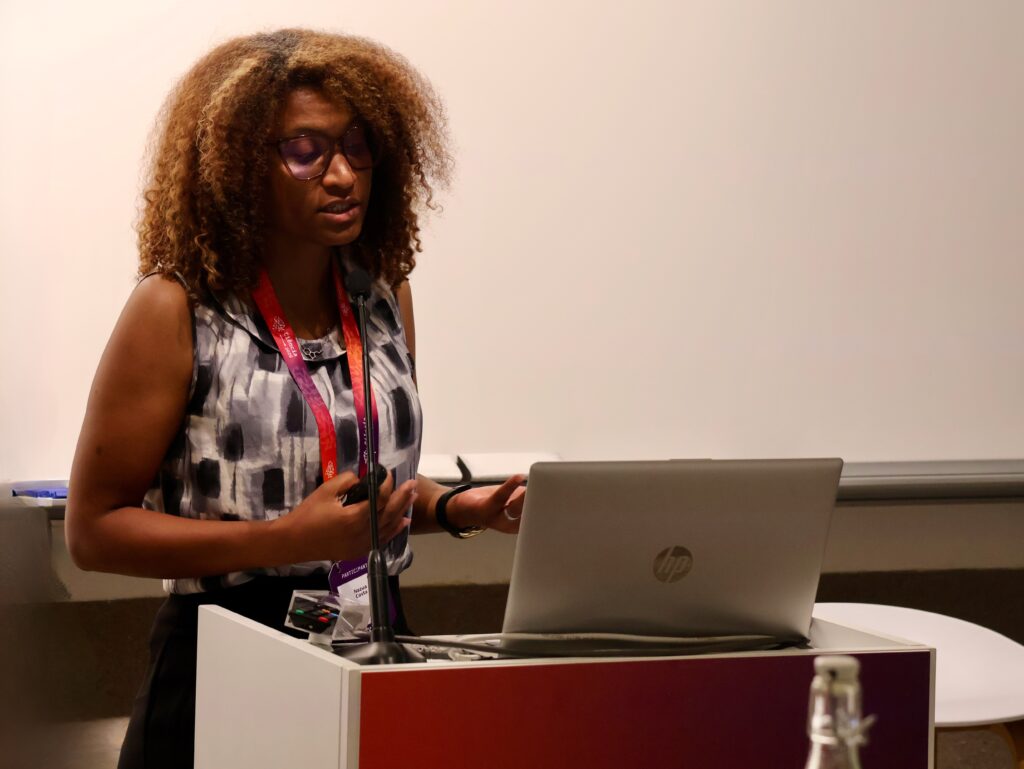
    The session featured contributions from Nuno Santos (INESC-ID), Nuno Cruz (INESC TEC), Carlos Henggeler Antunes (INESC Coimbra), Nazua Costa (INOV-INESC), and Susana Cardoso de Freitas (INESC MN), each presenting concrete examples of research underway and aligned with EU and national priorities.

    It also drew on several insights, presented by João Claro (INESC TEC), from the recent INESC Brussels HUB Summer Meeting 2025, which gathered researchers, EU policymakers, and industry leaders to discuss strategic autonomy and the role of dual-use research in Europe’s future.

    “The INESC Brussels HUB Summer Meeting showed how essential it is to have spaces for critical reflection, especially as we face growing geopolitical complexity and a rapidly changing research and innovation ecosystem,” remarked Silvia.

    AI, Policy, and Education

    Beyond the resilience agenda, INESC-ID contributed to a range of other  thematic sessions: Rui Henriques joined a discussion on how artificial intelligence is reshaping the agri-food sector, boosting efficiency, sustainability, and competitiveness from farming to food distribution.

    Helena Moniz participated in a panel on science-informed policymaking, where the Science4Policy initiative organised by PLANAPP was presented. The session highlighted how Portugal is positioning itself at the forefront of connecting research and public policy, with Helena noting that “initiatives like FCT’s Science4Policy calls are globally innovative” and that “we often fail to see what we’re good at in Portugal.”

    Finally, the “Engenharia para Todos” (Engineering for All) initiative  – a partnership between INESC-ID, Instituto Superior Técnico and Câmara Municipal de Oeiras – helped connect science with wider audiences. Science Manager Maria João Verdasca presented an e-poster on the programme’s outreach model, while students from the C4 Science Club of Carnaxide showcased their Smart City project: a tangible example of how engineering education and hands-on science can promote civic engagement, creativity, and early contact with advanced technologies.

    From strategic autonomy to smart cities, INESC-ID’s participation at Encontro Ciência 2025 showed how our work is addressing pressing societal needs by connecting research across fields and institutions.

    “Just like last year’s session, which brought together diverse perspectives from across the INESC institutes on a common theme”, added Silvia, “this initiative was also an excellent opportunity for networking and strengthening inter-institutional ties” – a reminder that in complex times, collaboration is as vital as innovation.

    Images | © 2025 INESC-ID

  • A Year of Laps around the Earth: Celebrating ISTSat-1’s first anniversary in orbit

    A Year of Laps around the Earth: Celebrating ISTSat-1’s first anniversary in orbit

    One year ago, Portugal launched its first university satellite into space, aboard the European Space Agency’s (ESA) Ariane 6 rocket, with the mission of testing its ability to detect aircraft in remote areas. 

    The commemorative event took place this July 9 at the Central Atrium of Técnico – Oeiras Campus, gathering institutional partners, space sector specialists, and members of the academic community to celebrate this milestone and reflect on the future of Portuguese aerospace engineering. The program included presentations by Rui Rocha, project coordinator and co-founder of NanoSat Lab; Rogério Colaço, president of Técnico; Joana Mendonça, vice-president of Técnico – Oeiras Campus; and Pedro Patacho, Education Councillor of the Municipality of Oeiras.

    Floating at 580 km above Earth’s surface, in low orbit, the satellite has gone around our planet a total of 5500 times, 1460 of which passed right above the Técnico – Oeiras campus, its home base. It was not, however, always an easy journey. The team faced an unexpected obstacle, as the reception of signals from orbit turned out to be challenging due to inherent problems related to the connection between the radio and transmission antennas. To solve this, the team of around 50 Técnico students, teachers and researchers had to resort to building giant antennas until additional ground stations were established. With the help of radio amateurs, these efforts proved successful.

    The project received financial support of INESC-ID, Instituto Superior Técnico,  the Instituto de Telecomunicações (IT), at the Instituto de Engenharia Mecânica (IDMEC). It also involved the participation of members of the Instituto de Sistemas e Robótica (ISR-Lisboa), as well as the support of several companies linked to the sector.

    Read the full article here

    Image | © 2024 INESC-ID

  • A Walk in the Park: Last PhD Student Meetup before Summer Break

    A Walk in the Park: Last PhD Student Meetup before Summer Break

    Summer is in full swing, bringing with it warm sunshine that lasts until 9 pm. On one such day, our PhD students held their final Meetup before the slower months of July and August.

    The garden at Campo Grande was the preferred meeting point, and on July 3, around 20 INESC-ID PhD students gathered near the lake. Although the rest of the week saw scorching temperatures, this particular day was perfect for a picnic. Popcorn, chips, small cakes, tortilla, and even healthier snacks like carrots and cucumber were laid out in the centre of the circle formed by the students, creating an enjoyable evening to wind down after work. 

    In addition to casual conversation, there was also time to reflect on the previous meetings, sharing both ups and downs. From technology transfer to mental health, these initiatives have had a great impact on the community, with everyone agreeing that the PhD student room, inaugurated back in April, was a huge success. 

    We will be back with more Meetups in September!


    * INESC-ID PhD Students Meetups
    are informal gatherings designed to support and connect our doctoral researchers. Created by the Communications and Outreach Office, the series offers space for community building, peer exchange, personal and professional growth, and insight into the wider opportunities of the PhD journey.

  • Isabel Trancoso elected to Lisbon Academy of Sciences

    Isabel Trancoso elected to Lisbon Academy of Sciences

    Isabel Trancoso, senior researcher at INESC-ID, founder of the Human Language Technologies area, and full professor at Instituto Superior Técnico, has been elected a corresponding member of the Lisbon Academy of Sciences. She will join the Science Class, 8th Section – Information Sciences and Technologies. The official swearing-in ceremony will take place on July 3, ahead of the Academy’s annual celebrations on July 4.

    Founded in 1779, the Lisbon Academy of Sciences is one of Portugal’s oldest scientific institutions. It promotes interdisciplinary research, cultural heritage, public education, and civic discourse, and serves as an official advisory body to the Portuguese state in matters of language and scientific policy. Members are elected from among Portuguese citizens with a significant body of scientific or literary work, and are expected to contribute to the Academy’s intellectual and institutional activities, including plenary sessions and the work of their respective sections.

    Her election follows recent appointments of other INESC-ID researchers, including Arlindo Oliveira (2024) and José Borbinha (2023), highlighting the institute’s continued presence and influence within national science policy and academic leadership.

  • Spin-offs: From research to market, the technology transfer reality at INESC-ID

    Spin-offs: From research to market, the technology transfer reality at INESC-ID

    In the fields of science and innovation, the bridge between academic research and real-world impact is no longer an option, it’s a must. At INESC-ID, this bridge is being reinforced through a dedicated commitment to technology transfer, a process that transforms research outputs into products and services, for the benefit of society.

    Sandra Aresta, INESC-ID’s Knowledge Transfer Manager, sees a clear trend: “Scientific institutions are increasingly aware of the importance of having a technology transfer office.” This growing awareness is not unique to INESC-ID. Across Portugal and Europe, institutions are working to strengthen their capacity to bring research into the market, following in the footsteps of more mature innovation ecosystems such as those in France, Germany, and the United States.

    Technology transfer is far from a new concept — in countries like the United States, the Bayh-Dole Act of 1980 was a turning point, allowing universities to retain intellectual property (IP) rights to federally funded research. This legislation helped create an ecosystem of university spin-offs and public-private partnerships. Today, the U.S. continues to lead in the number of spin-offs created per year, with institutions like MIT and Stanford at the top. 

    In Europe, the picture is more nuanced. While countries like France, the Netherlands, and Germany have strong technology transfer structures, others — especially those categorised as “widening countries” (a term used by the European Commission for member states with lower R&D performance) — are still catching up. In Portugal, ANI (Agência Nacional de Inovação) has played a key role in building capacity and promoting entrepreneurship within academic institutions.

    A growing culture of innovation at INESC-ID

    At INESC-ID, technology transfer has resulted in the creation of nine spin-offs, in different fields such as microelectronics (SiliconGate), speech recognitions (Voiceinteraction) or genetic testing (Heartgenetics), bringing research outcomes directly into the marketplace. These companies are not accidental by-products of research — they are deliberately created with the purpose of commercialising academic IP.

    “Potentially, everything can be transformed into a product or service,” Sandra explains. “And at INESC-ID, this is especially true — our research areas allow us to do so within a relatively short time frame and with modest funding.” Compared to fields like biomedical sciences, which require extensive clinical validation, complex regulation, and high capital investment, areas like computer science, robotics, and signal processing — all strengths of INESC-ID — offer a more agile path to market.

    Despite the growing momentum, several challenges remain. One of the key barriers, according to Sandra, is cultural: “The academic culture is naturally geared toward the development of knowledge, but less so toward entering the market.” Most PhD graduates still envision a future within academia, often unaware that entrepreneurship is a viable and valuable career path.

    Moreover, teaching responsibilities and academic workloads can be significant obstacles. Many university researchers simply lack the time and energy to engage in entrepreneurial ventures. Yet, as Sandra points out, technology transfer is increasingly being recognised as the “third mission” of universities.

    Another critical driver of spin-off creation is personal motivation. “There are usually three main reasons why researchers launch spin-offs: either they want a vehicle to bring their product or service to market, or they’re looking to create their own employment or the need for funding, wether public or private, for the more advanced stages of product development, which an academic institution can hardly obtain she explains. In either case, the result is the same: more innovation entering the real economy.

    A shift in institutional priorities

    The shift toward recognising the economic impact of academic research is now embedded in European science and innovation policy. The European Commission has repeatedly acknowledged the “innovation paradox” — the fact that Europe excels in scientific research but struggles to convert it into economic value. In response, the Commission is encouraging consortia that include industry partners, promoting entrepreneurial skills among researchers, and rewarding projects with measurable impact beyond publications and citations.

    This policy shift is resonating at institutional levels. As Sandra notes, “a few years ago, the only thing that mattered was scientific excellence. Now we also look at economic and societal impact.” 

    And so, the path forward looks optimistic. “When researchers try entrepreneurship, they usually enjoy it. They see it as an additional challenge — one that is intellectually stimulating and rewarding.”

    And another way to ‘define technology.’


    Text by Sara Sá, Science Writer | Communications and Outreach Office, INESC-ID
    © 2025 INESC-ID. Credit INESC-ID and the author, with a link to the original source, when sharing or adapting this article.

  • INESC-ID and CMU team up to advance Conversational AI

    INESC-ID and CMU team up to advance Conversational AI

    With the goal of launching a new research collaboration, for the development of Adaptive Conversational Engines, a research team led by Shinji Watanabe, Associate Professor at the Language Technologies Institute (CMU) traveled to Lisbon from June 15 to 18. This falls under the scope of the CMU Portugal supported project, “ACE-FM: Adaptive Conversational Engine powered by Foundation Models”, “which aims to enhance the capability of speech foundation models to understand long-form, multi-party conversations toward conversational AI. Besides, it supports the collaboration between CMU and PRR Mobilizing Agenda Accelerat.AI, led at INESC-ID by Human Language Technologies researcher Alberto Abad, Associate Professor at Instituto Superior Técnico (Técnico).”

    As part of the visit, INESC-ID hosted an intensive two-day workshop, kicking off the collaboration while exchanging knowledge between teams. The workshop featured presentations from both teams and a keynote by Shinji Watanabe, titled “Open Whisper-Style Speech Models: Transparency, Scalability, and Advancing Explainability”. The  first day provided an overview of the models developed at CMU, whilehands-on tutorials by CMU students Masao Someki, MLT student, and William Chen, PhD student, empowered researchers based in Portugal to apply them effectively. The second day focused on practical sessions in model fine-tuning with custom data and introduction to ESPnet3, CMU’s next-generation speech modeling platform. of what was a very productive workshop.

    Along with fellow INESC-ID Human Language Technologies researcher, Isabel Trancoso, Alberto Abad shared insights into their team structure and highlighted successful past collaborations within the CMU Portugal program. According to project leads Aberto Abad and Shinji Watanabe, the visit helped both teams to gain a deeper understanding of each other’s expertise, research styles and focus areas, and also strengthen connections with fellow language technologies’ researchers.

    Both teams expect that this collaboration will lay the foundation for future projects and long-term academic exchanges.  “The outcomes of this collaboration will benefit not only the Accelerat.ai project, but also other PRR-supported initiatives, including the development of a national Portuguese large language model”, shared Alberto Abad.

    The 2024 CMU Portugal PRR Call for Collaborative Research Grants aims to strengthen collaboration between CMU and Portuguese research institutions aligned with the Portuguese Recovery and Resilience Plan (PRR) Mobilizing Agendas. The call funded 12 projects, representing a significant step in fostering impactful research between Portugal and CMU.

    Read the full original article here

  • Rui Henriques honoured with Universidade de Lisboa/Caixa Geral de Depósitos Scientific Award 2025

    Rui Henriques honoured with Universidade de Lisboa/Caixa Geral de Depósitos Scientific Award 2025

    The results for the Universidade de Lisboa/Caixa Geral de Depósitos Scientific Awards were recently announced, and INESC-ID’s Rui Henriques was among the awardees! The Information and Decision for Support Systems researcher, and Instituto Superior Técnico Professor, was recognised for his contributions in the field of Computer Science and Engineering, being one of 20 researchers awarded in their respective fields.

    The award ceremony will take place today, June 25, 2025, at 17:30, at the Congress Center of the Pavilion of Portugal, as part of the University of Lisbon’s Scientific Days.

    The UL/CGD Scientific Awards and Honourable Mentions were established in 2016 to recognise researchers from the Universidade de Lisboa, celebrating their contributions and encouraging publication in renowned international journals. Each award includes an incentive worth 6500 euros, as a manner of institutional recognition for the winner’s contribution to their respective scientific area.

  • João Ferreira wins Amazon Research Award for work on Automated Program Repair

    João Ferreira wins Amazon Research Award for work on Automated Program Repair

    João Ferreira, researcher at INESC-ID’s Automated Reasoning and Software Reliability and Professor at Instituto Superior Técnico’s Department of Computer Science and Engineering (DEI), has been named one of the recipients of the Amazon Research Award (ARA) – Fall 2024, in the highly competitive field of Automated Reasoning.

    His winning proposal, titled Polyglot Automated Program Repair for Infrastructure as Code, focuses on developing techniques for automatically repairing programs written for Infrastructure as Code (IaC) environments.

    The Amazon Research Awards are among the most prestigious recognitions in the tech research ecosystem. Every year, the program receives a large number of proposals which are rigorously evaluated by Amazon’s internal teams of scientists. Past and present awardees include researchers from world-leading institutions such as Carnegie Mellon University, MIT, Harvard, Stanford, and Yale.

    The award provides not only financial support for Ferreira’s research but also access to over 700 public datasets hosted by Amazon, as well as AWS AI/ML services and tools through AWS Promotional Credits. Moreover, Ferreira will benefit from personalized support from an Amazon research contact, who will offer guidance and facilitate participation in Amazon-led events, workshops, and training sessions.

    Automated Reasoning is an important area of research for Amazon, with potential applications across various features and applications to help improve security, reliability, and performance for our customers,” said Robert Jones, Senior Principal Scientist with Amazon’s Cloud Automated Reasoning Group.


    Images | © 2025 INESC-ID