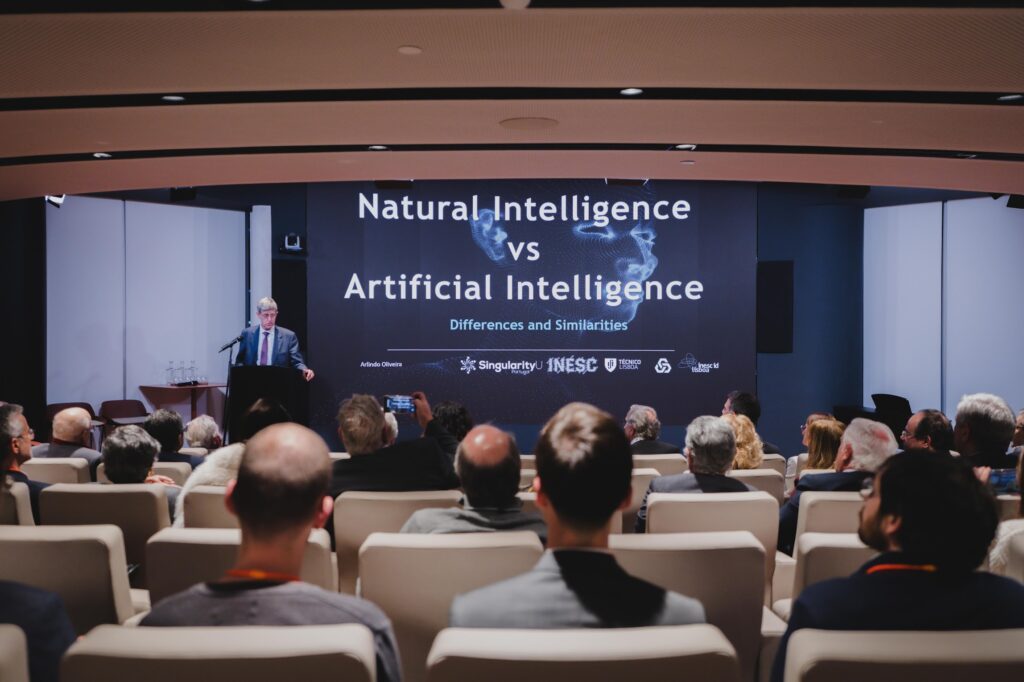
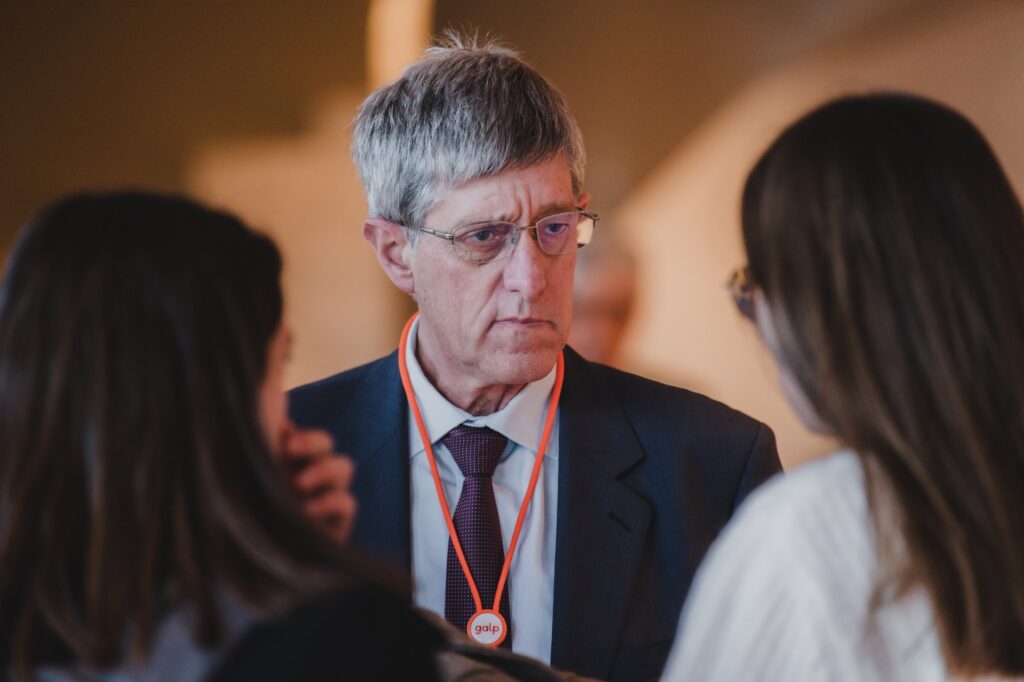
“A distinguished engineer who has made outstanding contribution: in Al, algorithms and complexity, and computational biology. He actively promotes China-Portugal scientific cooperation leveraging on Macao as an important bridge.“ It was with these words that Professor Joseph-Hun-wei Lee, President of Macau University of Science and Technology, justified the attribution of the title of Doutor Honoris Causa by the Macau University of Science and Technology (MUST) to the INESC-ID researcher and Professor at Instituto Superior Técnico, Arlindo Oliveira. The event occurred on March 27, during the university’s 25th anniversary ceremony.
Arlindo who is also President of INESC is the first Portuguese citizen to receive this distinction from MUST.
The event also honoured two Nobel laureates: Professor Samuel Ting, awarded the Nobel Prize in Physics in 1976 for the discovery of the J particle, and Professor Sir Paul Nurse, who received the Nobel Prize in Physiology or Medicine in 2001 for his work on cell cycle regulation.
With a distinguished career in artificial intelligence, algorithms, computational complexity, and computational biology, Arlindo Oliveira has played a leading role in advancing scientific research and education in Portugal and beyond.
One example of this is the promotion of a partnership between China and Portugal, that resulted in the creation of the Joint Laboratory on AI and Public Health Technologies, a collaborative effort between INESC-ID, Guangzhou Laboratory, Guangzhou Medical University and MUST.
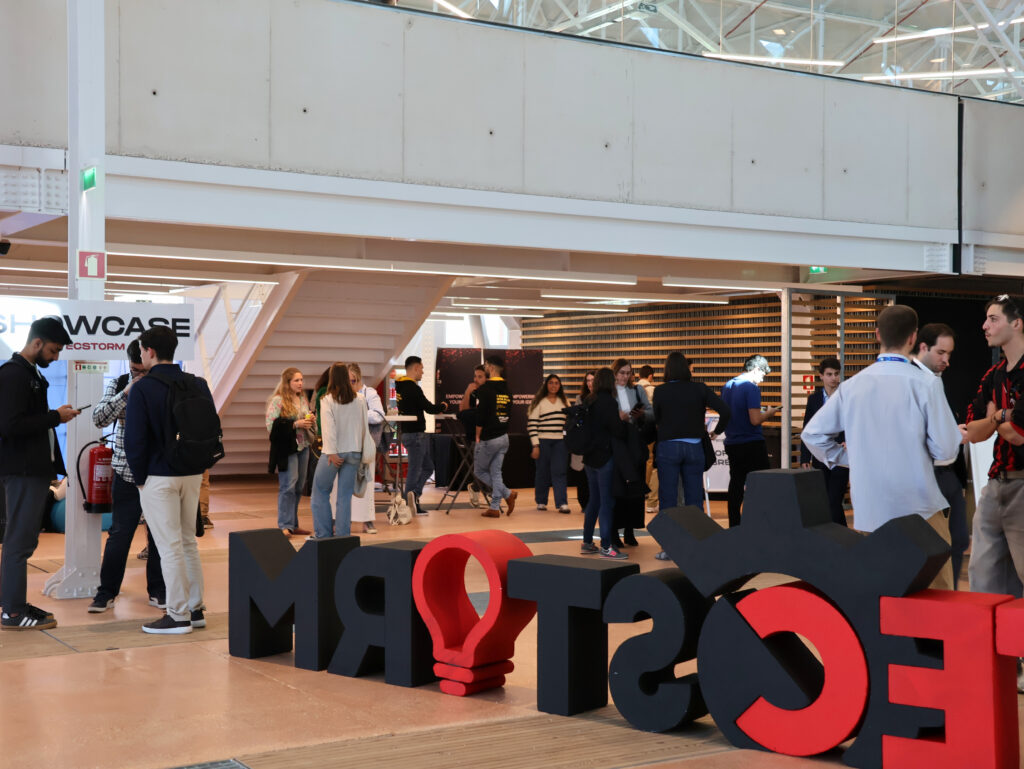
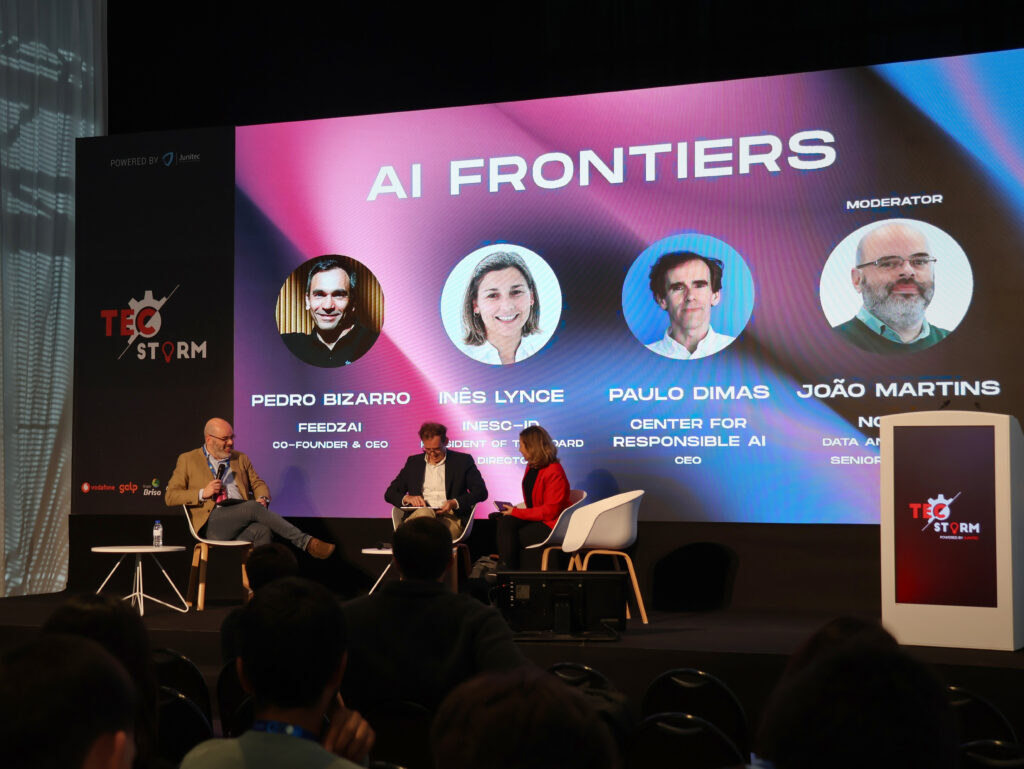
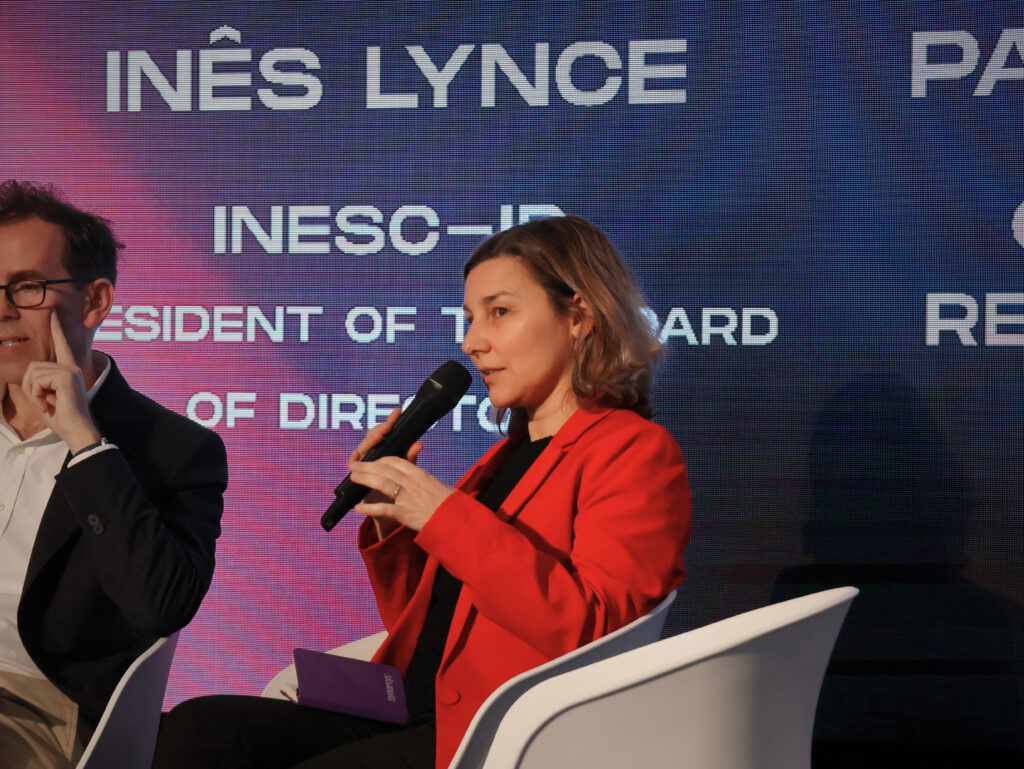
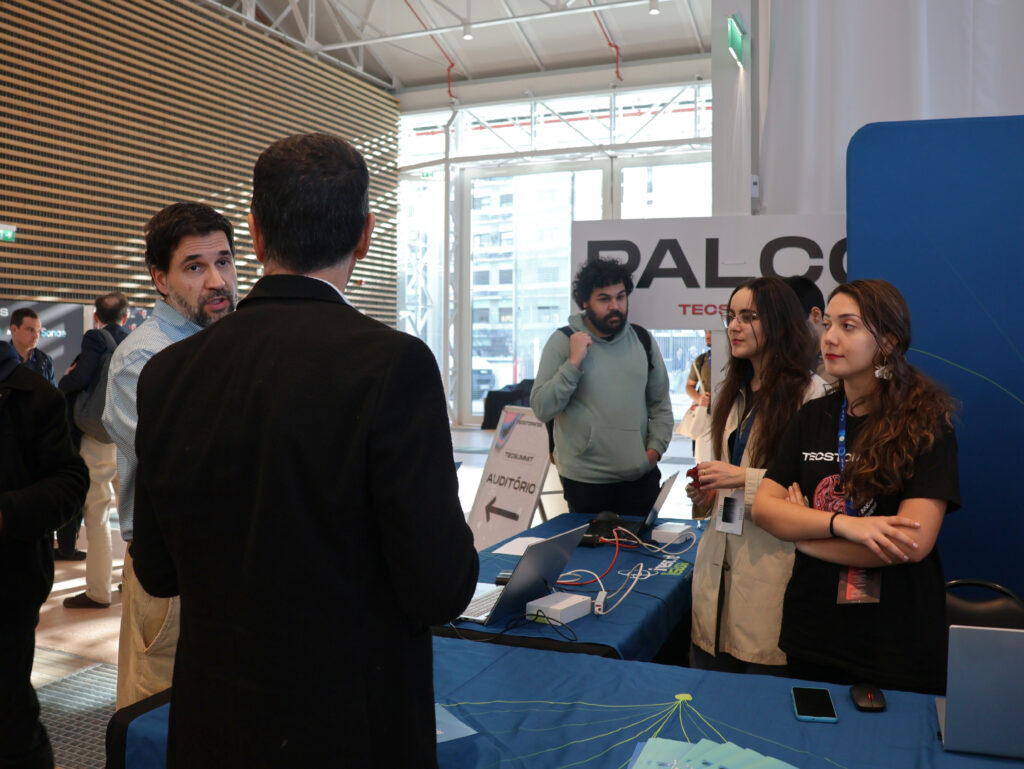
TecSummit, a unique event focused on entrepreneurship and technology, took place on March 28, at the Técnico Innovation Center (TIC), preceding the weekend-long TecStorm’25, the largest national university-level technology competition, organised by JUNITEC. The afternoon started with a roundtable on AI Frontiers, setting the scene for the following panels, which counted with our President of the Board, Inês Lynce as a speaker, alongside Paulo Dimas (CRAI) and moderated by João Martins (NOESIS).
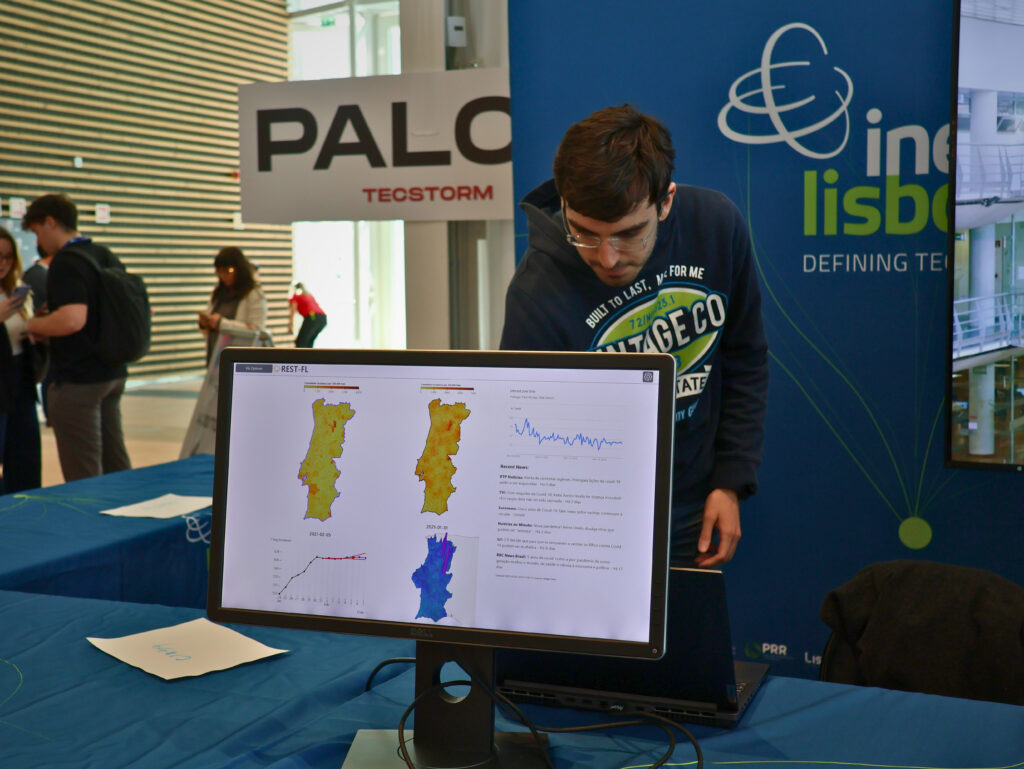
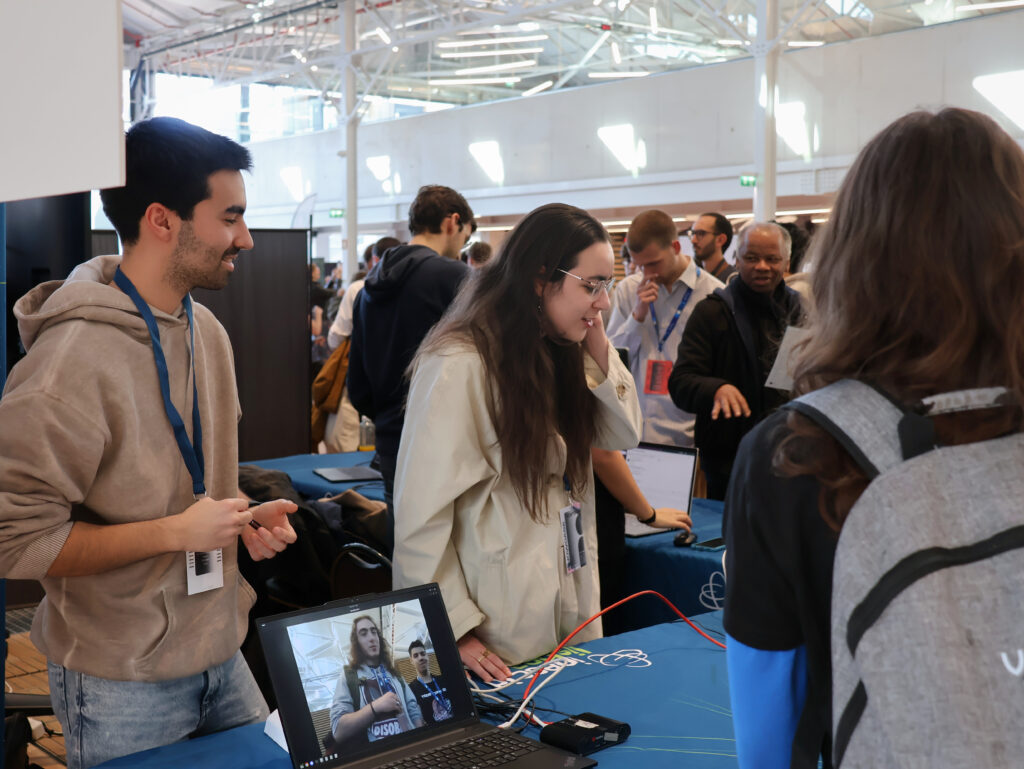
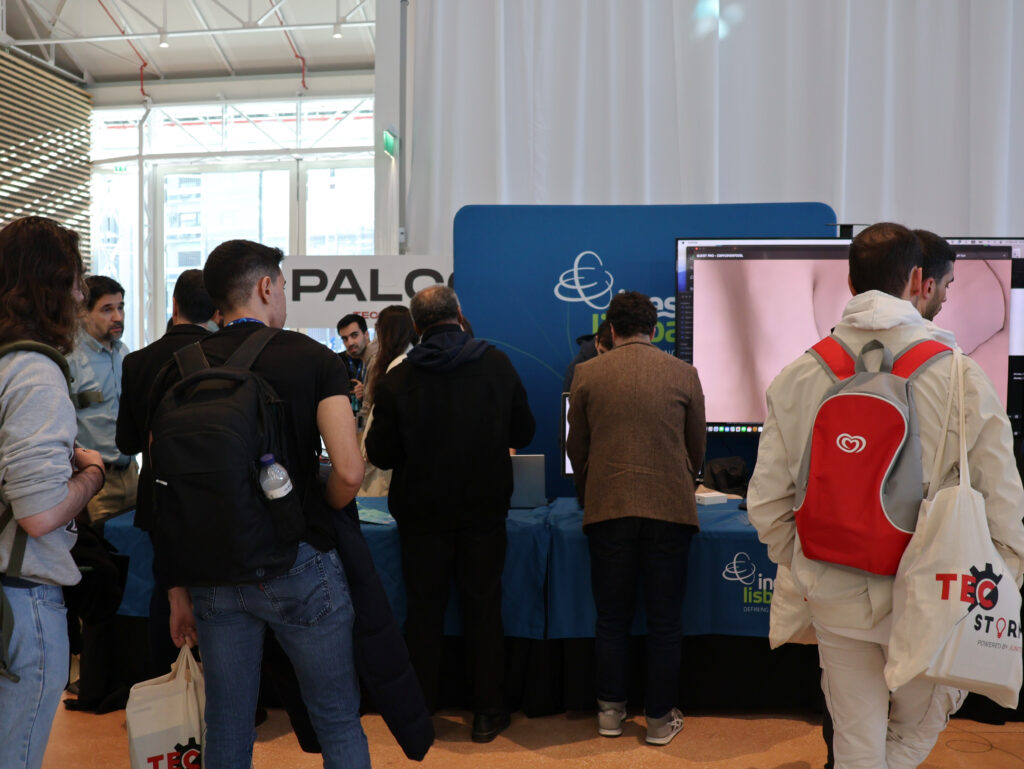
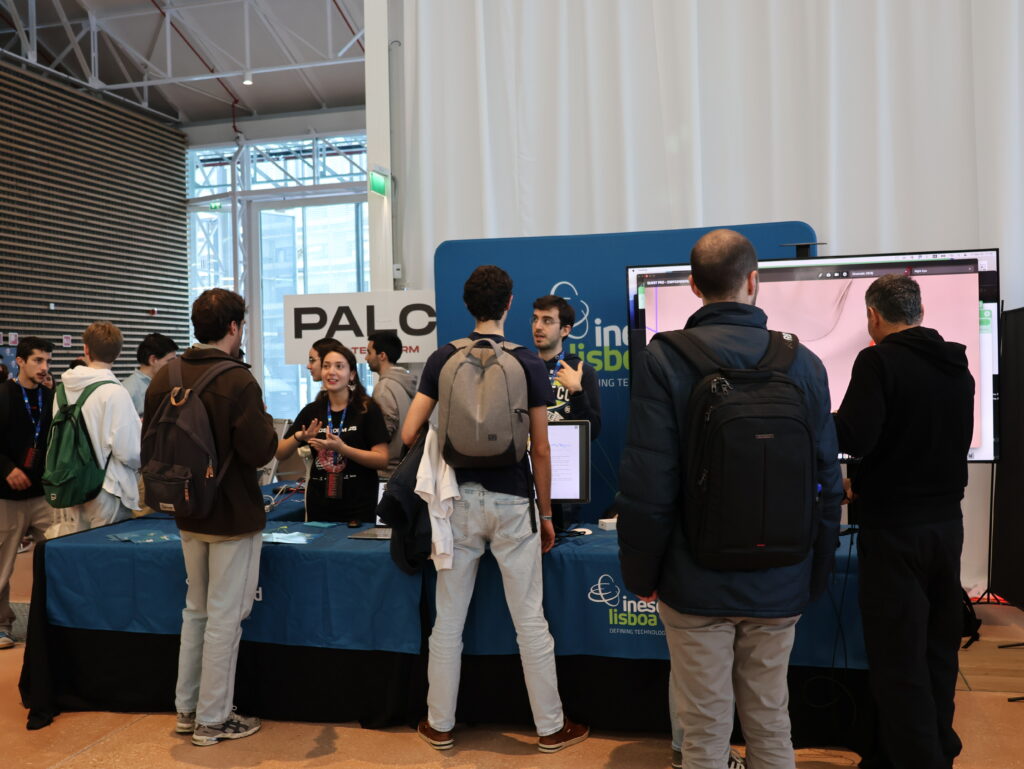
Among the various activities offered during the evening, the main attraction was the Product Showcase, where various companies and startups like Noxus.AI, CRIAM, Windcredible and others, gave a sneak peek of their products and activities. INESC-ID was the only research institute represented, displaying an eye-catching stand with several state-of-the art project demonstrations. Visitors and participants had the chance to talk to our researchers at our eye-catching stand enjoying a moment of calm and insightful discussions before the excitement and intensity of TecStorm25.
Ricardo Chaves, Joana Afonso and Pedro Martins showcased project DISCRETION, which intends to improve the security of military networks against emerging threats, while Larissa Montefusco provided passersby with an overview of EV4EU, a project, coordinated by Hugo Morais, with the ultimate goal of creating the conditions for electric mass deployment. Right next to EV4EU, Duarte Boto presented “REST: Interactive visualization tool for epidemic modelling”, which provides new insight in understanding the COVID-19 pandemic and for tracking future ones. Last but definitely not least, Anderson Maciel took over the big screen and, equipped with VR goggles, guided us through a 3D scheme of a colon, a new diagnosis VR tool that can prove itself as a new step for non-invasive diagnosis of health issues in the area.
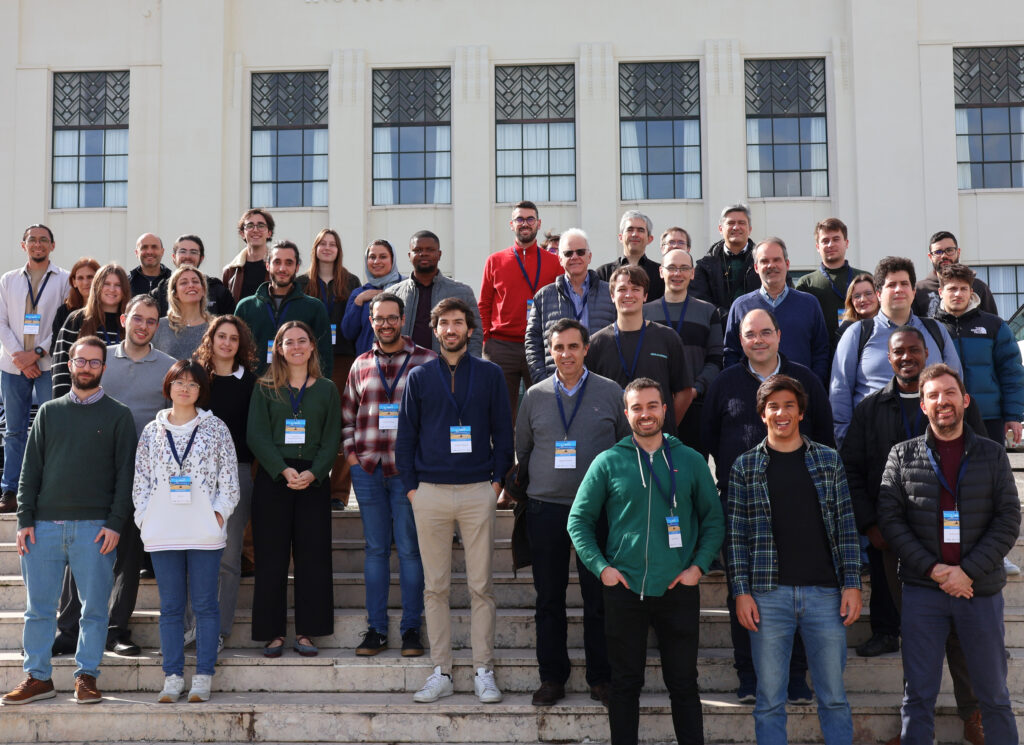
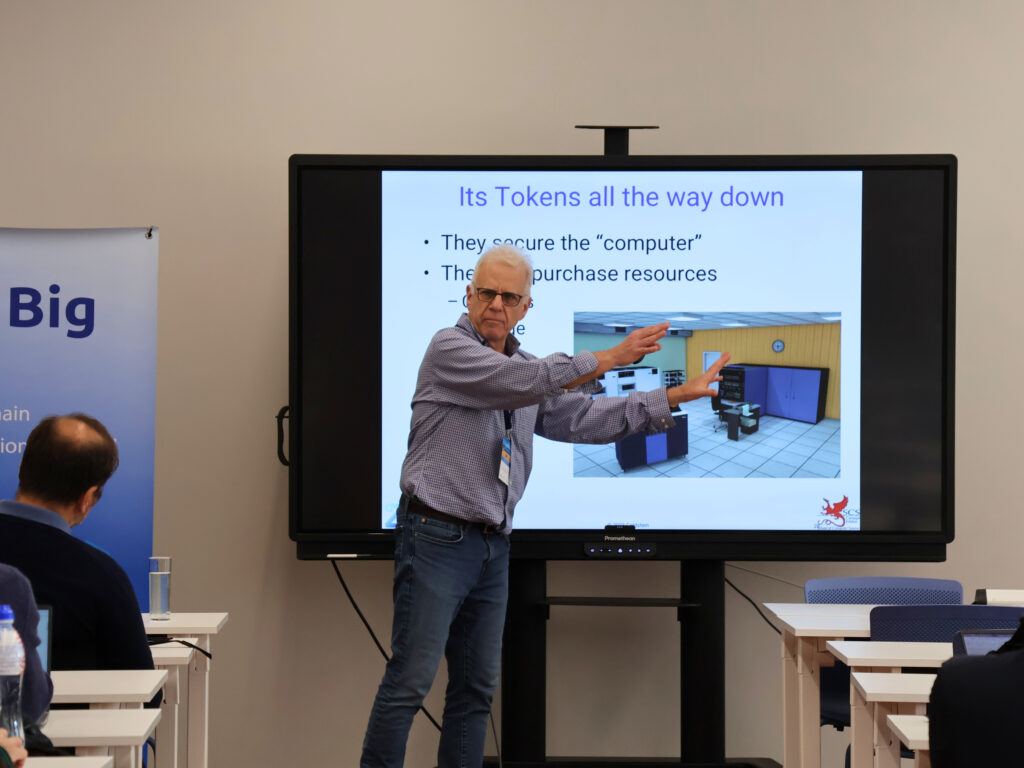
With its decentralized systems and the potential to reshape how we interact with the internet and conduct business, web3 sounds almost like an El Dorado. At the centre of it lies the technology that powers blockchain. Seth Goldstein, Professor at CMU School of Computer Science, is a committed thinker about the topic. During the Lisbon Blockchain Winter School 25, organized by the BIG Era Chair Project, he shared his mind-opening insights with the attendees, on a keynote under the title Web 3: trust, reputation and the future of money.
For the specialist, that shared the story of the three technological revolutions mankind has been through, what we are now living is unlike anything we have seen before and therefore a conversation about what is going on is crucial. “With the development of Web3, blockchain, and cryptocurrency, we are entering the third technological revolution (TR3) — one that will transform the labour market, redefine productivity, and fundamentally alter how we work.”
Web3: The technology of trust
Web3 is more than just a technological shift; it’s a new social technology that addresses trust in digital interactions. For Goldstein, the heart of blockchain’s innovation lies in the idea that, with it, you don’t have to trust the individual actors involved, but you can trust the results they produce.
In the past, trust has been central to transactions. From banking to everyday exchanges, we rely on systems and intermediaries to validate and secure transactions. Goldstein compares this to a simple example of money transfer: Imagine a world where individuals didn’t rely on intermediaries like banks but instead could exchange money directly, knowing their transactions would be validated by others in the network, who are incentivized to do so honestly.
This decentralized validation system is the backbone of blockchain. It operates without a central authority and ensures the authenticity of every transaction, allowing people to trust the results even if they don’t trust each other. As Goldstein puts it, blockchain is “a social technology” where individuals are incentivized to behave honestly, not because of goodwill, but because their economic interests are aligned with maintaining the system’s integrity.
Is Blockchain for social good?
One of the most common criticisms of blockchain and cryptocurrency is that they might be used for illicit purposes. Goldstein, however, counters that the transparency inherent in blockchain actually makes it difficult to misuse. Every Bitcoin transaction, for example, is recorded on the blockchain and publicly visible, making it clear who is transferring funds to whom. This transparency might be one of the technology’s most significant strengths in ensuring accountability and trust in the system.
Goldstein also highlights the broader social impact of these technologies. Just as roads and public infrastructure provide societal benefits, blockchain, Web3, and cryptocurrency can be seen as a public good, accessible to everyone. They allow for decentralized governance and voting, enabling individuals to participate in decision-making processes without the need for centralized power structures.
Technological revolutions and the future of work
Goldstein draws parallels between Web3 and earlier technological revolutions. The First Industrial Revolution saw a massive increase in productivity and improvements in living standards. The Second Industrial Revolution, fueled by electricity, further transformed society. However, the third revolution, which is driven by technologies like Web3, artificial intelligence, and blockchain, presents a unique challenge: it will not only increase productivity but also lead to massive disruption in the labour market.
With the rise of automation and AI, many traditional jobs are being replaced by machines. But there’s a twist: as productivity increases, labour costs are approaching zero. In Goldstein’s view, Web3 represents the solution to this problem by creating new forms of money and economic systems that don’t rely on the traditional methods of trust and control. As the cost of production continues to decrease, individuals may no longer need to depend on traditional jobs to sustain their livelihoods.
Goldstein also provocatively suggests that the key skills for the future won’t be programming or technical expertise, but rather philosophy, time management, and human-centric skills like empathy, creativity, and social intelligence. As machines take over cognitive and physical tasks, humans will be needed more for their emotional and creative capabilities.
As Web3 continues to evolve, there’s a need for regulation to ensure that it doesn’t devolve into a system ripe for exploitation. While Goldstein believes that governments shouldn’t be the ones to innovate, their role is critical in establishing boundaries and ensuring that individuals and institutions act within those boundaries. This is where the concept of Adam Smith’s “invisible hand” comes into play — government intervention should be designed to address externalities, like pollution, by setting appropriate costs and regulations.
In the case of cryptocurrency and blockchain, governments should aim to create a framework where people can innovate but also be held accountable for their actions. With the right regulations, blockchain could remain a force for good — offering transparency and security while providing individuals with the freedom to innovate.
Reputation-based currency
Looking ahead, Goldstein envisions a future where reputation is more important than currency. In this new economic model, the currency will be based not on the trust in a central authority but on the trust that people place in each other’s reputations. People will “print” their own money, and the value of that money will be determined by their fiscal reputation — not the government or central bank.
However, there are challenges ahead. As the labour market changes, Goldstein warns that the transition could be painful, with mass unemployment and social unrest as traditional jobs disappear. Yet, he remains optimistic. If we approach this revolution with the right mindset and adapt to these changes, the future could be bright — even if it requires us to rethink what work means and how we value human skills.
Goldstein’s greatest fear, however, is the potential end of innovation. With the rise of automation and AI, fewer people may choose to invest the time and effort needed to become experts in their fields. If the pursuit of expertise becomes increasingly irrelevant, we might lose the very drive that has led to humanity’s greatest advancements. This presents a paradox — we’re entering an era of unprecedented technological progress, but we also risk undermining the very factors that drive that progress.
In conclusion, the Web3 revolution is not just about blockchain or cryptocurrency — it’s about rethinking how we organize and value work, trust, and money in a world where traditional systems are no longer sufficient. While the future may be uncertain, one thing is clear: the changes happening now will define the future of work, society, and how we interact with the digital world. Whether it becomes a utopia or dystopia depends on how we navigate this new frontier.
Key European and national policymakers, research and technology infrastructure managers, and funding agencies, gathered on March 6 at the Faculty of Engineering of the University of Porto (FEUP), to attend the INESC Brussels Hub Winter Meeting 2025. This year’s edition was particularly significant, as it focused on aligning EU and national strategies for the sustainability, governance, and funding of Research and Technology Infrastructures (RTIs), while also celebrating the 40th anniversary of INESC TEC.
The meeting, organized with the support and participation of Portugal’s main research and innovation funding agencies, FCT (Fundação para a Ciência e a Tecnologia) and ANI (Agência Nacional de Inovação), was also an opportunity to discuss the evolving policy landscape and explore strategic investment models for RTIs.
One highlight of the event was the “High-Level Policy Dialogue: Aligning EU, National and Regional Infrastructure Strategies,” moderated by Arlindo Oliveira, INESC-ID researcher and the President of the INESC holding. Additionally, Ana Teresa Freitas, also an INESC-ID researcher, participated as a panelist in the session “Strengthening the RI & TI Ecosystem: Governance, Sustainability, and Funding Strategies.”
A dedicated Needs Assessment Workshop in the afternoon allowed participants to identify and validate key gaps and opportunities in the RTI landscape. The results of this workshop will be submitted to the European Commission to inform future policy and funding decisions.
The President of FCT, Madalena Alves, attended the second day, participating in the closed event on “Policy, Governance, and Funding for Research and Technology Infrastructures.” Discussions also included key topics such as “The Next MFF, FP10, and the Future of R&I Funding.”
Having participated actively on the meeting, Inês Lynce, President of the Board of Directors of INESC-ID, stresses that “the INESC Brussels Hub Winter Meeting played a key role in discussing the alignment of EU and national strategies for the sustainability, governance, and funding of RTIs. Our participation in these discussions aimed to strengthen INESC-ID’s strategic alignment with EU initiatives, fostering new opportunities for collaboration and funding.”
Miguel Pupo Correia, President of the Executive Committee of INESC-ID, also emphasized the importance of these events, stating, “Participation in European projects is of enormous importance for INESC-ID at various levels: funding, internationalization, and collaboration with leading companies and research centers, among others. These events organized by the INESC Brussels Hub provide a unique opportunity to understand the challenges and opportunities associated with such projects.”
Joaquim Jorge has focused his work on sketch-based interfaces, modelling and virtual reality, which have significantly contributed to the development of areas such as computer-aided design, multimedia content production and augmented reality. He now joins a restricted group of internationally recognised researchers, whose contributions will promote further development in the field of VR.
The IEEE is the world’s largest technical professional organization dedicated to advancing technology for the benefit of humanity. Its members work in various fields of engineering, computing, and technology.
More than just “personal recognition,” the Career Award from Galp and the Academy of Engineering, presented to Arlindo Oliveira, is a “tribute” to the institutions where he has worked, said the INESC-ID researcher.
The President of INESC and Professor at Instituto Superior Técnico spoke at the award ceremony, which took place on February 25 at Galp’s headquarters in Lisbon. The selection of Arlindo Oliveira as the award recipient was based on the “social and economic relevance of his career” as well as the “excellence of his contributions to engineering.”
During the ceremony, the researcher from the Information and Decision Support Systems scientific area took the opportunity to share insights on ongoing discussions in AI, emphasizing that “the idea of mechanizing reasoning is not new.” He highlighted that “Alan Turing had already answered everything in 1950—he just didn’t have a computer.” He also reinforced the idea that “there is nothing in intelligence that is not computable.”
In a recorded message, Marcelo Rebelo de Sousa, President of Portugal, praised the awardee’s “outstanding scientific career at both national and international levels” and recognized him as “a pioneer in the field of AI in our country.”
The jury for the Career Award included Eduardo Marçal Grilo, João Paulo Oliveira, and Maria da Graça Carvalho, representing the Academy of Engineering, as well as Georgios Papadimitriou, Ana Casaca, and Manuel Andrade from Galp. The jury was chaired by Sebastião Feyo de Azevedo, President of the Academy of Engineering.
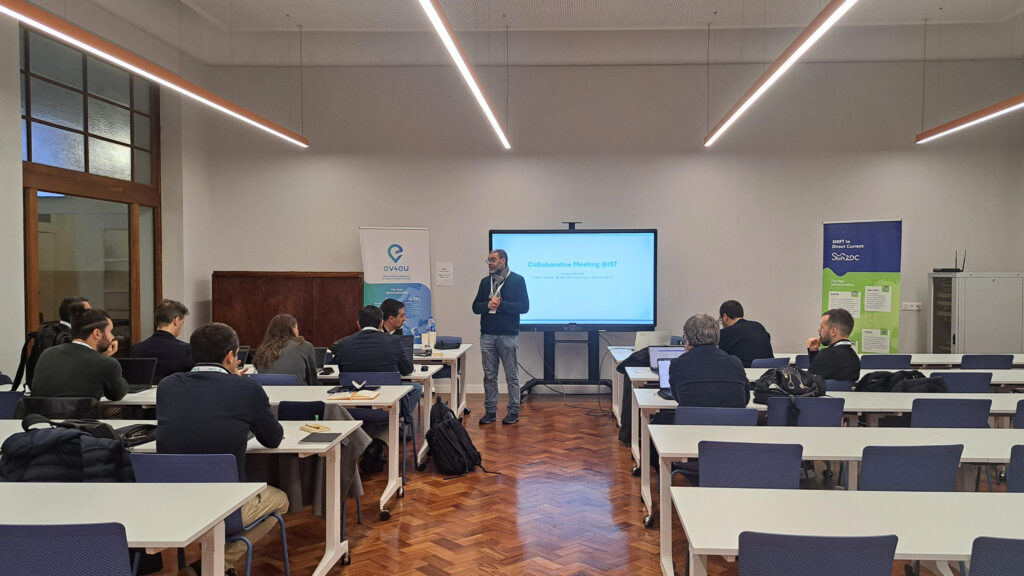
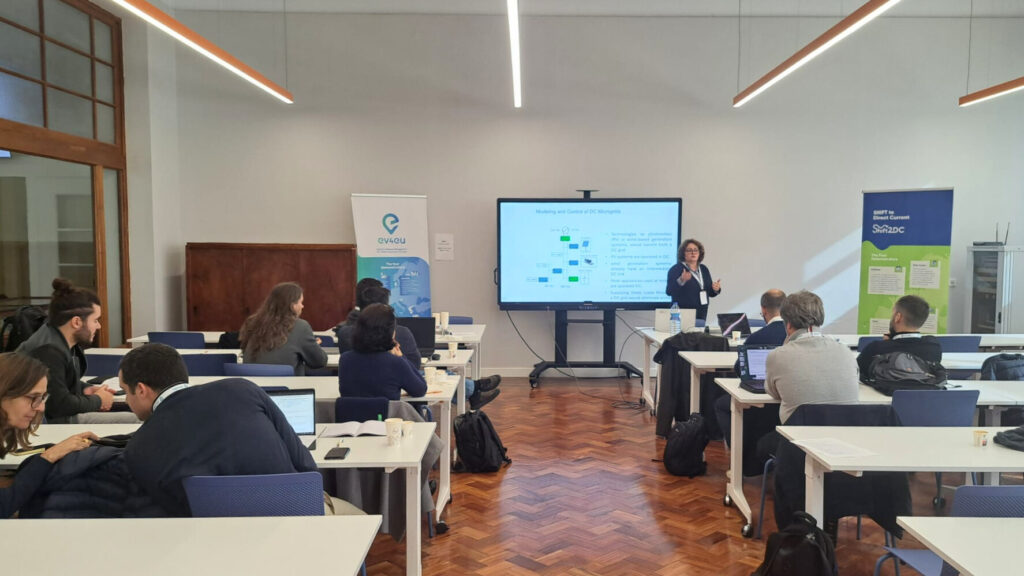
A collaborative meeting, hosted by INESC-ID’s Sustainable Power Systems (SPS) Group, recently took place at Instituto Superior Técnico (IST). The event gathered several companies from the Petrotec and Barraqueiro Groups, along with researchers from INESC-ID and Técnico, to discuss emerging trends and strengthen partnerships.
SPS senior researcher, Hugo Morais, provided an overview of three Horizon Europe projects – EV4EU, Shift2DC, and U2Demo – which he is currently leading at INESC ID, and also introduced the Energy Dream Lab, a new Lab under development at INESC ID’s facilities on Técnico’s Alameda campus. We were also represented by Sónia Pinto, senior researcher and scientific coordinator of the Green Energy and Smart Converters (GESC) group, who shared the group’s advances in storage and converter energy systems.
Focused on the meetings main themes, sustainability, energy transition and innovative transportation solutions, Petrotec shared a presentation on “Energy solutions for transformative industries”, and Barraqueiro focused on “Advancing sustainable transportation solutions”. The round of presentations also counted with other companies present such as Hellonext, Boost Logistics, Spinach Tours, Boost Portugal, and academics from IDMEC, IN+ and ITI.
According to Hugo Morais, “the event was very interesting for understanding the current needs of the industry, which in many cases are driven by market and user demands” and allowed the “identification of collaboration opportunities in both national and international projects.”
Following the meeting, participants visited Hellonext’s R&D center in Seixal, where they had the opportunity to see in firsthand the development of IT solutions for Renewable Energy Systems, Grid and EV Charging Infrastructure, and Hydrogen Refueling Solutions of Petrotec, at the company’s newest facilities.
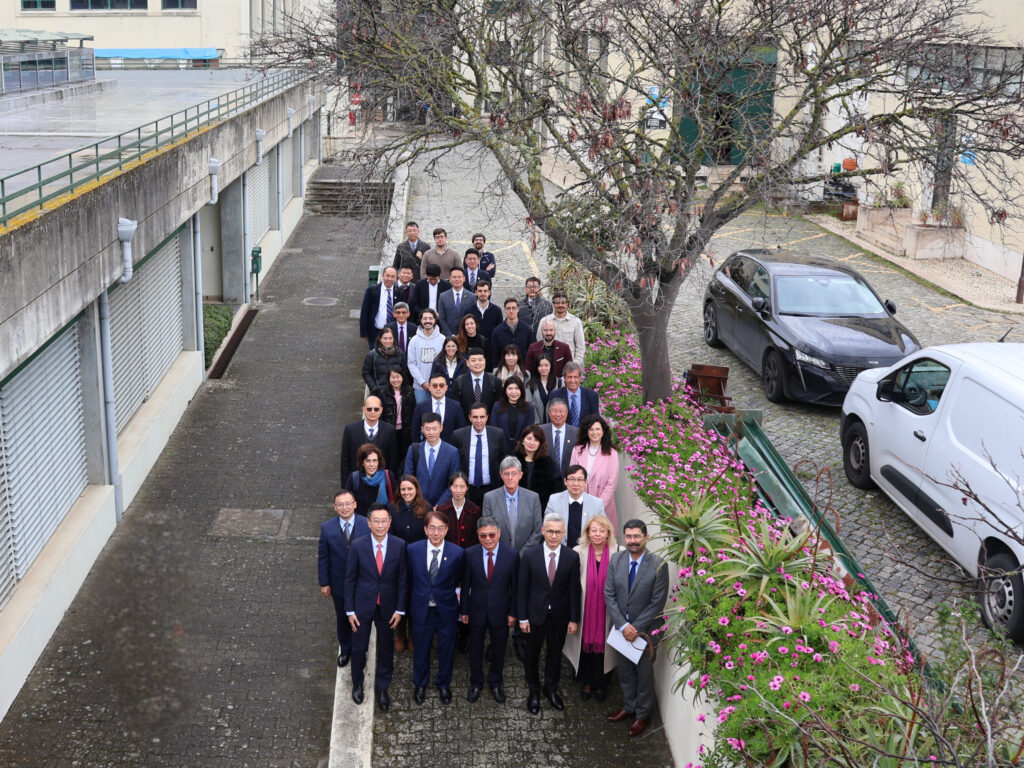
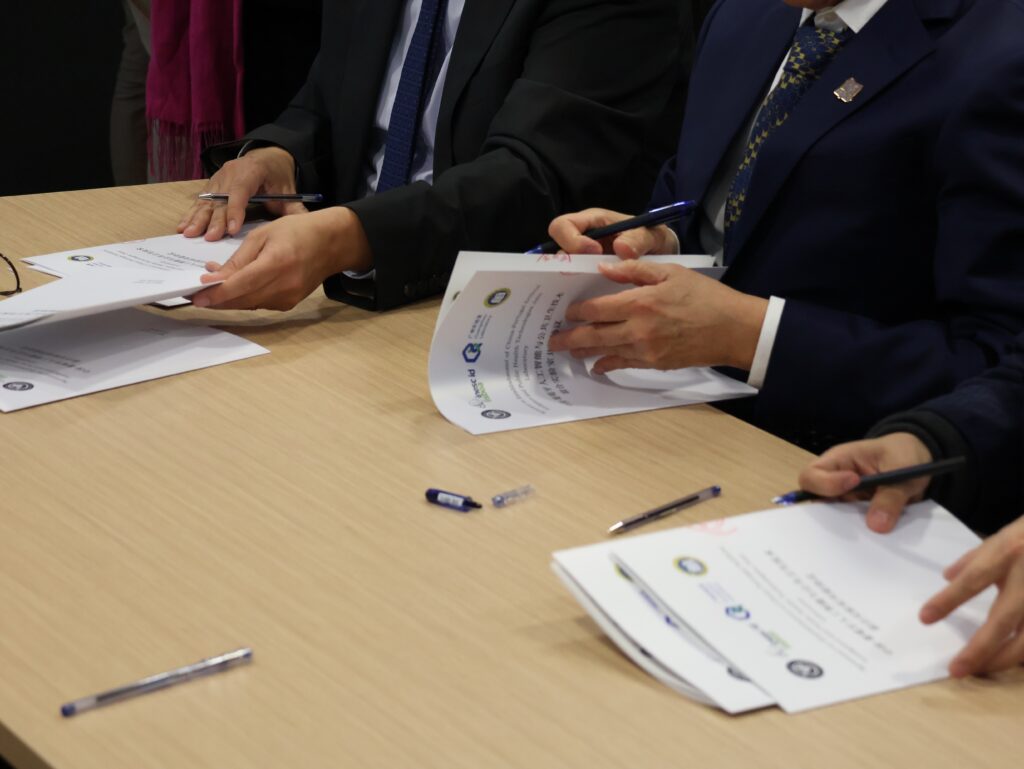
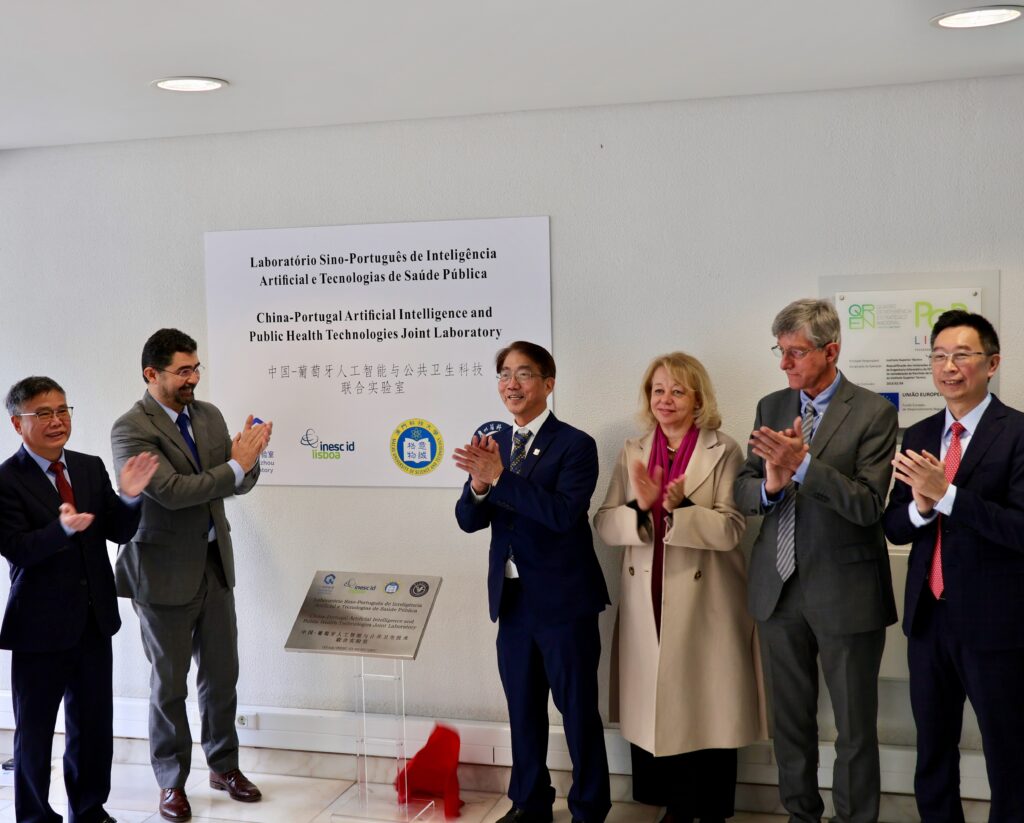
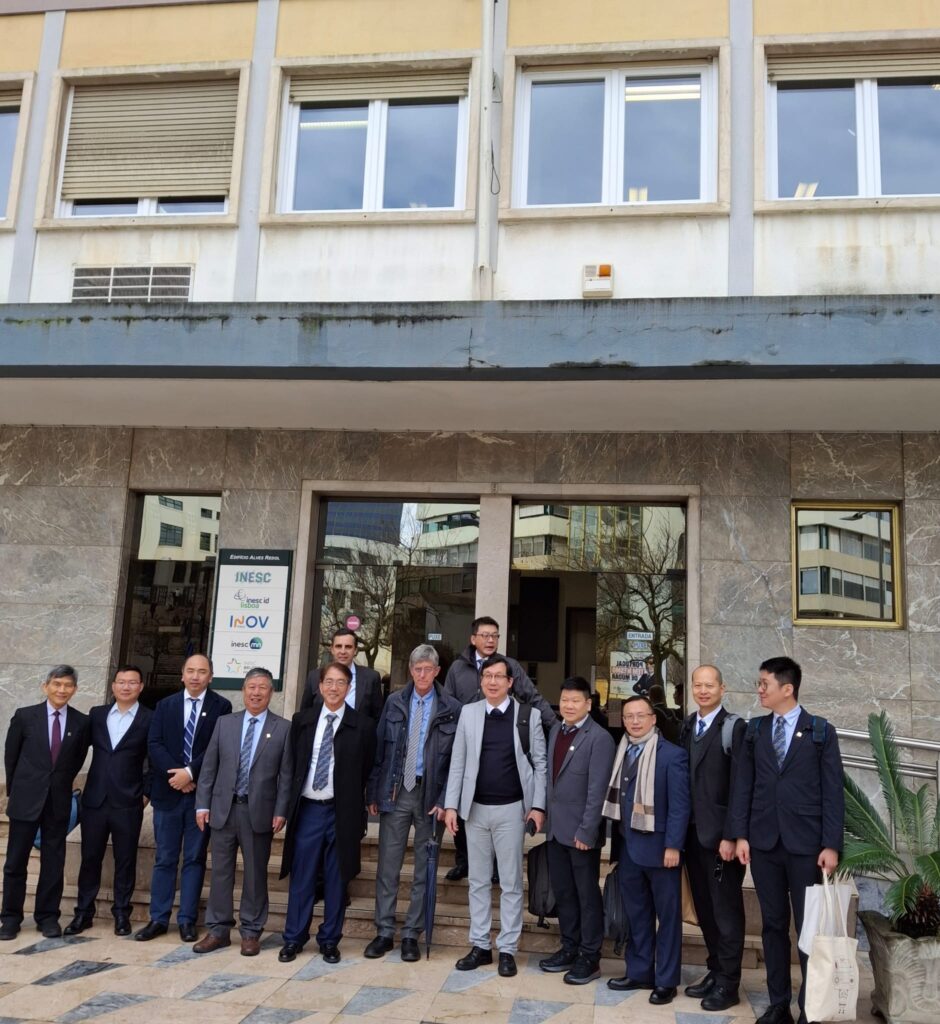
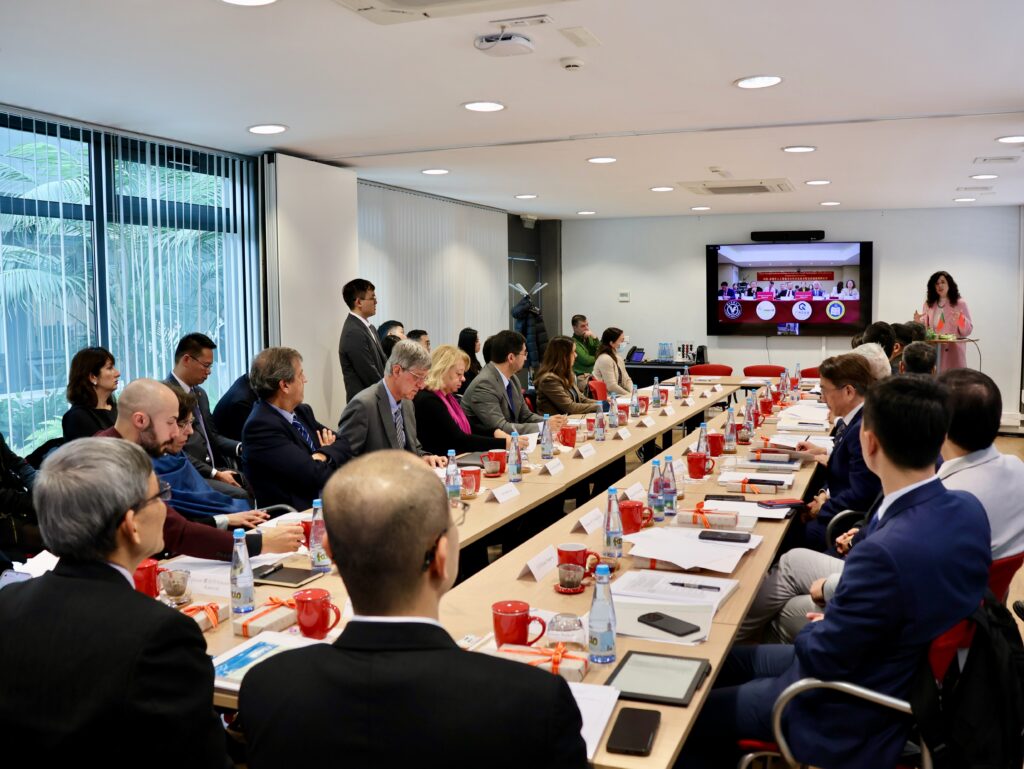
It was 10:10 AM in Lisbon and 18:10 in Guangzhou, of March 5, when the official ceremony for the establishment of the China-Portugal Joint Laboratory on AI and Public Health Technologies started. Held at the Department of Computer Science and Engineering (DEI) of Instituto Superior Técnico, the event gathered Portuguese and Chinese representatives who celebrated the signing of the memorandum of understanding over a traditional cup of tea and a handshake.
The China-Portugal Joint Laboratory on AI and Public Health Technologies is a collaborative effort between INESC-ID, Guangzhou Laboratory (GL), Guangzhou Medical University (GMU), and Macau University of Science and Technology (MUST) (China). The Joint Laboratory aims to consolidate and leverage artificial intelligence technologies to improve public health management at a global scale. This includes capabilities for analysing, modelling, and responding to emerging public health events.
Arlindo Oliveira, INESC-ID researcher, Professor at Técnico and coordinator of the partnership, acknowledges both the challenges and the strengths of this collaboration: “Although this collaboration presents challenges related to language barriers and differing cultural and political perspectives, we have managed to establish a fruitful and mutually trusting relationship. This has already led to significant funding for research and development, with further projects expected to be approved in the near future.”
Trust and Cooperation
Through international cooperation and information sharing, the lab will collect, organize, and disseminate data and experiences crucial for the prevention and response to major pandemics. Additionally, it will drive research into infection prevention and control measures, as well as AI-powered diagnostic technologies to address both infectious and non-infectious diseases.
During the ceremony, Zhao Bentang, Ambassador of the People’s Republic of China in Portugal, highlighted the significance of the Joint Laboratory. “The foundation of this laboratory reflects our firm belief that China and Portugal must work together to tackle global challenges. These challenges can only be effectively addressed through international cooperation. The creation of this laboratory is a concrete manifestation of both countries’ commitment to collaborating on these global issues, ensuring mutual benefits.”
Following the formal proceedings, and at the request of the academic Chinese partners, part of the group took the lift to the seventh floor of the North Tower at the Alameda Campus to visit the Institute for Systems and Robotics, where they were introduced to some of the advanced robotic technologies developed at the lab. These included iCub, one of the most complex humanoid robots in the world, designed to study human behaviour, and Vizzy, an interactive robot created to assist the elderly and hospitalized patients.
The works concluded with a visit to the Joint Laboratory at INESC-ID, that is meant to work under the five pillars Ana Teresa Freitas, President of DEI and the Strategic Coordinator of the INESC-ID thematic line Life and Health Technology, detailed at the ceremony: “Safe people, safe projects, safe data, safe algorithms, safe outputs”.
AI to solve global challenges
This new partnership is a step forward in facing global public health challenges through cutting-edge artificial intelligence technologies. As noted by Rogério Colaço, President of Instituto Superior Técnico, that welcomed the event, “the establishment of this Joint Laboratory represents a significant step forward in addressing global public health challenges. By leveraging cutting-edge artificial intelligence technologies, we aim to enhance public health management and improve our collective capacity to respond to emerging public health events on an international scale. This agreement not only fosters academic research but also promotes scholar exchanges that will enrich our understanding and capabilities.” An opinion shared by Miguel Pupo Correia, President of the Executive Committee of INESC-ID: “AI is one of the high-impact areas of our research, and this collaboration will enhance the creation of value for people and society.”
The memorandum of understanding was formally signed by representatives from all four institutions. Also present were Tai Kin Ip, Secretary for Finance of the Macau Government, Che Weng Keong, President of the Macau Science and Technology Development Fund (FDCT), Madalena Alves, President of the Portuguese Foundation for Science and Technology (FCT), and Rogério Colaço, President of Instituto Superior Técnico.
This initiative reinforces the growing importance of AI in public health and sets the foundation for a strong and lasting collaboration between Portugal and China in facing some of the most urgent and relevant global health challenges.
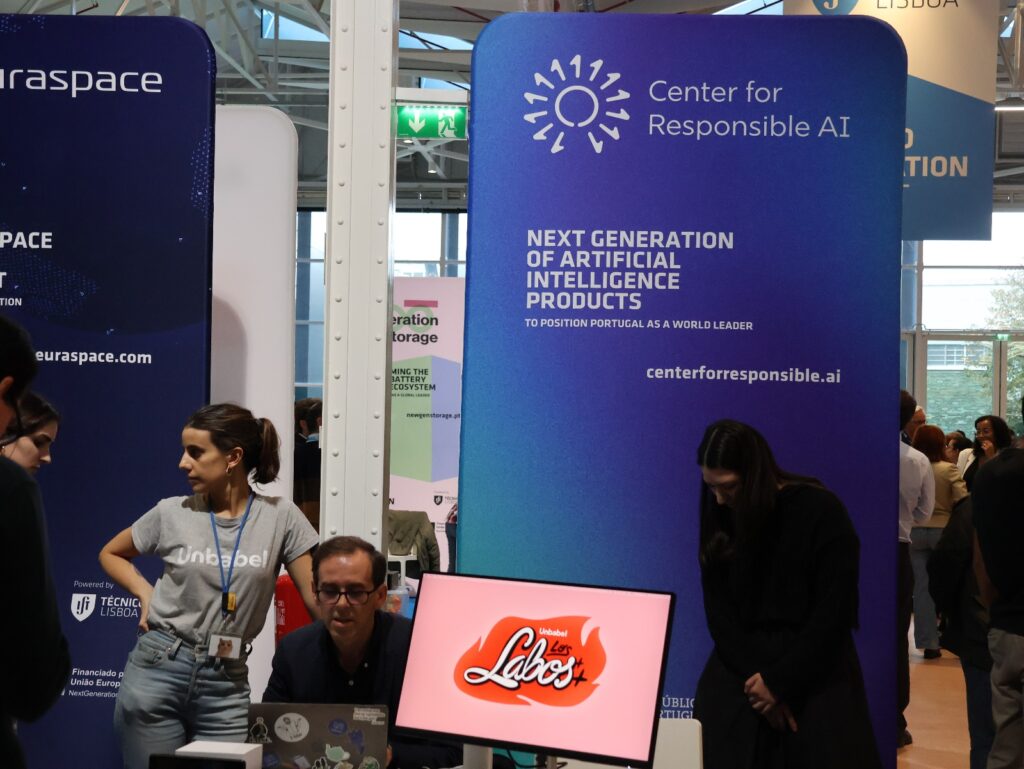
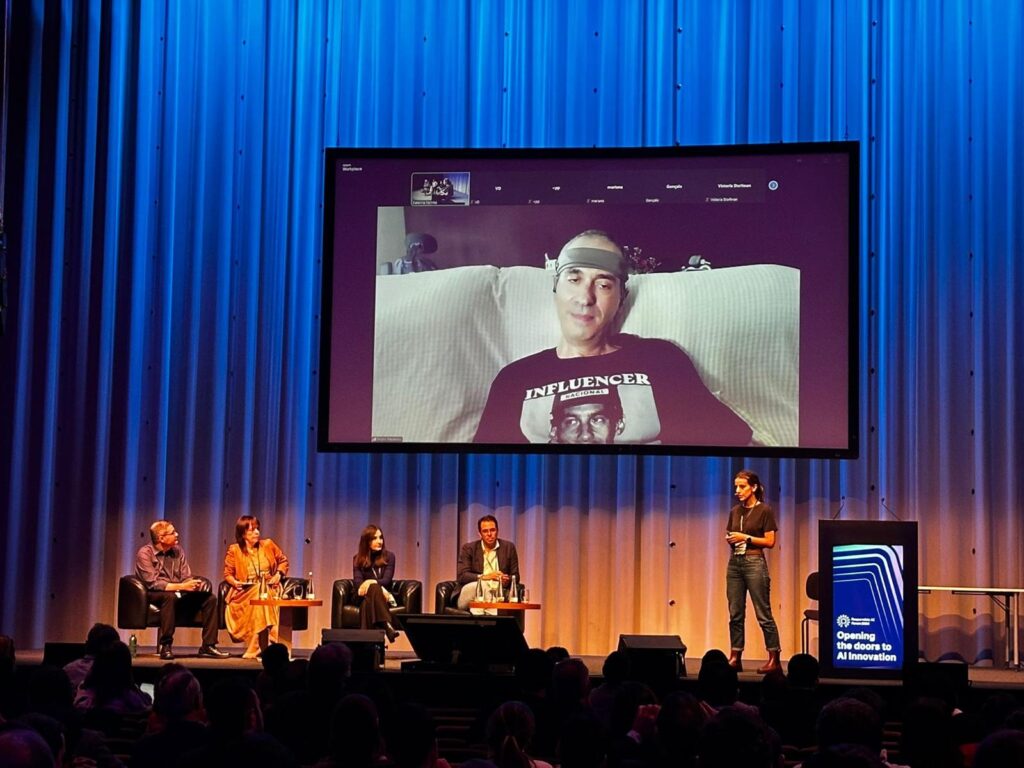
Luís Oliveira lost his ability to speak due to Amyotrophic Lateral Sclerosis (ALS) in early 2023. However, in May 2024, he made his voice heard around the world. Luís, who sadly passed away in the meantime, made an historic appearance at the United Nations summit AI for Good, becoming the first ALS patient to demonstrate the use of Halo. This groundbreaking technology, developed under the PRR-funded Centre for Responsible AI (CRAI) project, enables communication without speech or typing, by combining Generative AI with a non-invasive neural interface that translates bioelectrical signal patterns into language.
Halo, developed by Unbabel—the leading partner in this large-scale initiative—is perhaps the most visible innovation to emerge from the CRAI consortium. With €51 million in funding, CRAI aims to promote fair, transparent, eco-friendly, and trustworthy Artificial Intelligence. The initiative is structured around three key areas. Technology developers, including startups and companies focused on product development, ensure AI research directly supports real-world applications, such as Unbabel’s Halo. Fundamental research, led by top institutions like INESC-ID, Instituto de Telecomunicações, and the Champalimaud Foundation, drives cutting-edge AI advancements. Industry and healthcare adopters, such as Hospital de São João, Bial, and Luz Saúde, integrate AI solutions into their operations, ensuring broad societal impact. In total, CRAI brings together 10 startups, two unicorns, a law firm, five industry leaders, and eight research centers.
At INESC-ID, four different research teams—led by Bruno Martins, Arlindo Oliveira, Rui Prada, and Paolo Romano—collaborate on various aspects of the project, with Responsible AI as a core pillar. Alongside this vision of connecting with companies, the teams are developing highly applied solutions.
“CRAI is built on three fundamental principles: fairness, ensuring no discrimination towards groups of people; understandability and explainability, making AI systems interpretable and their decision-making processes transparent; and sustainability, ensuring computational feasibility and reducing energy consumption without compromising performance.” — Bruno Martins
INESC-ID’s expertise in Natural Language Processing (NLP) and dialogue systems has for instance been instrumental in supporting projects like Unbabel Halo. Other key initiatives focus on legal or clinical NLP, which are critical components of the Affine product being developed by NeuralShift, with its focus on streamlining legal workflows, or the automated medical record systems developed in collaboration with Priberam’s PCARE initiative.
Bruno Martins, from Human Language Technologies research area and the coordinator of INESC-ID participation at the project, explains that CRAI is built on three fundamental principles: “fairness, ensuring no discrimination towards groups of people; understandability and explainability, making AI systems interpretable and their decision-making processes transparent; and sustainability, ensuring computational feasibility and reducing energy consumption without compromising performance.”
The team led by Paolo Romano adopts a three-pronged approach to enhance AI efficiency and scalability, focusing on system-level optimization, cloud-level optimization, and self-adaptation. Meanwhile, research by the team coordinated by Rui Prada, on Social Artificial Intelligence and Social Robotics, aims to develop AI that interacts naturally and responsibly with humans, fostering a symbiotic relationship between people and technology. And Arlindo Oliveira’s team aims to strike a balance between safeguarding data privacy and security while leveraging customer insights in a competitive landscape.
CRAI’s main objectives include advancing fundamental research in Responsible AI, developing products and services that apply Responsible AI principles to generate economic impact, attracting, training, and retaining world-class talent, and promoting education and awareness through initiatives such as the Responsible AI Forum. These efforts are already translating into real-world solutions, enhancing accessibility, improving healthcare processes, and fostering ethical AI adoption across industries.
On the first day of the SINFO32, which took place from February 17 to 21, INESC-ID marked its presence during the panel “Técnico’s Computer Engineering at the Forefront of Artificial Intelligence, a collaboration with the Department of Computer Science and Engineering (DEI). INESC-ID researchers Arlindo Oliveira, Ana Teresa Freitas and Inês Lynce, under the moderation of INESC-ID’s Science Writer, Sara Sá, highlighted the department’s contributions in various fields, which prompted many enthusiastic questions from the audience, particularly regarding entrepreneurship.
On the following day, our very own session, “FoodSteps: From Crypto-Currencies to Cherry-Tracking”, a presentation by INESC-ID researcher, Miguel Pardal. In a packed second stage, and following a short introduction about INESC-ID, the talk delved into the specifics of “blockchain”, and how it can be applied to the agriculture sector by keeping track of produce origins and monitoring its conditions during transport. A practical example of this food traceability is the project Blockchain.PT, which has been using blockchain technology to track the well known “cereja do Fundão” (read more about this innovative project here).
SINFO is a free tech conference, created by students from Instituto Superior Técnico, that hosts an annual week-long event in Lisbon, where participants (students, professionals or industry leaders) can connect with each other and share their knowledge in computer science and technology. Over the five days attendees were able to attend lectures, workshops and panels in a wide range of topics, from Multimedia to AI, as well as get in touch with companies displayed around the job fair.