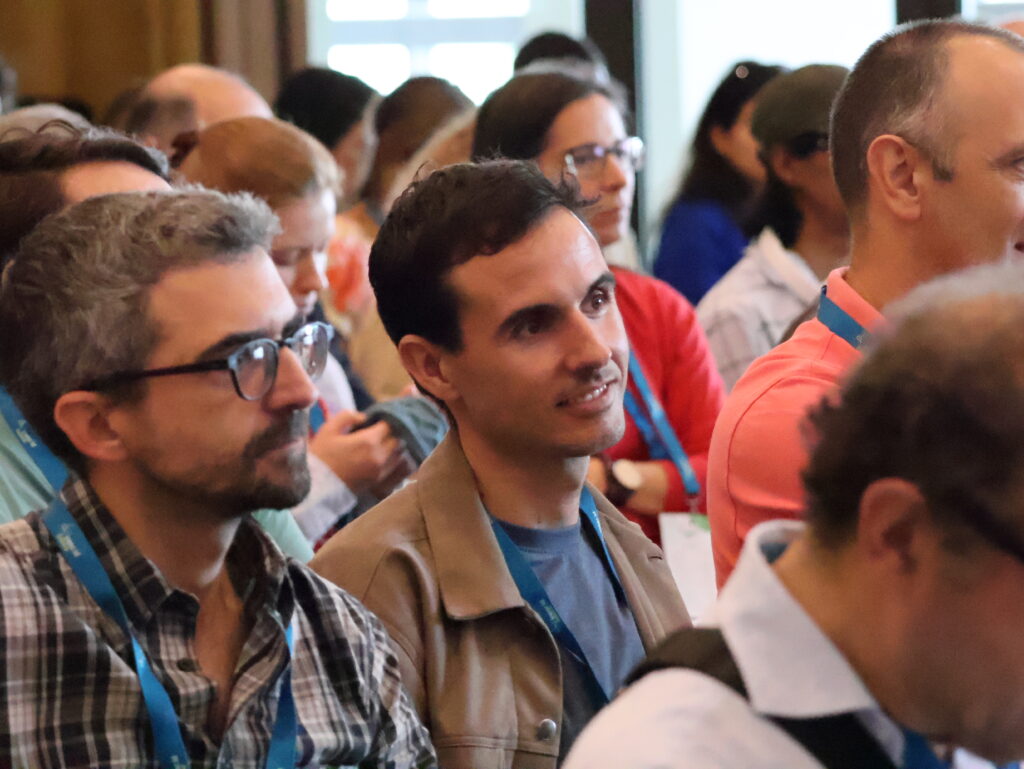
In an article published in the APDC magazine “Comunicações”, Miguel Pupo Correia, researcher and President of the Executive Committee of INESC-ID, presents the institute, its history, and what it means to conduct research in one of the most relevant entities in the national scientific ecosystem. The piece was produced as part of a dual interview with António Leal, director of INOV, and follows an interview with INESC-TEC, in the previous issue.
The researcher begins by tracing the story of INESC-ID, from the split of INESC until the present day, going over the four thematic lines and ten scientific areas that define the institute’s research and, of course, the people that make it happen. The article places special emphasis on several INESC-ID projects, including national initiatives such as AI for Public Administration; the Portuguese Chat GPT named Amália; Biodata, a flagship led by INESC-ID in the field of health and biological data analysis; and the EV4EU project, which plays a special role in energy transition.
“Our DNA is to create top science, while also being connected to society. We work with industry in the most diverse ways.”
INESC-ID’s impact goes well beyond Portugal, he adds. In addition to hosting a diverse international research team, many researchers conclude their PhD at the institute before continuing their careers across Europe or the United States. Partnerships with american universities like MIT, CMU and UT Austin also serve as contributors to funding and to INESC-ID’s international presence.
The interview concludes on a positive note, with Miguel Pupo Correia emphasising that the path to success relies on these two key elements: people and projects, and that INESC-ID’s greatest ambition is to continue improving, expanding its societal impact, and creating more talent.
INESC-ID researcher, Rubén Solera-Ureña, from the Human Language Technologies scientific area, has recently been elected Outstanding Program Committee (PC) Member for the European Conference on Artificial Intelligence (ECAI) 2025.
This election recognises his vital contributions to the reviewing process, contributing to the research community and ensuring the quality and integrity of the conference program.
ECAI is a leading conference in the field of Artificial Intelligence in Europe, and this year took place in Bologna from October 25 to 30.
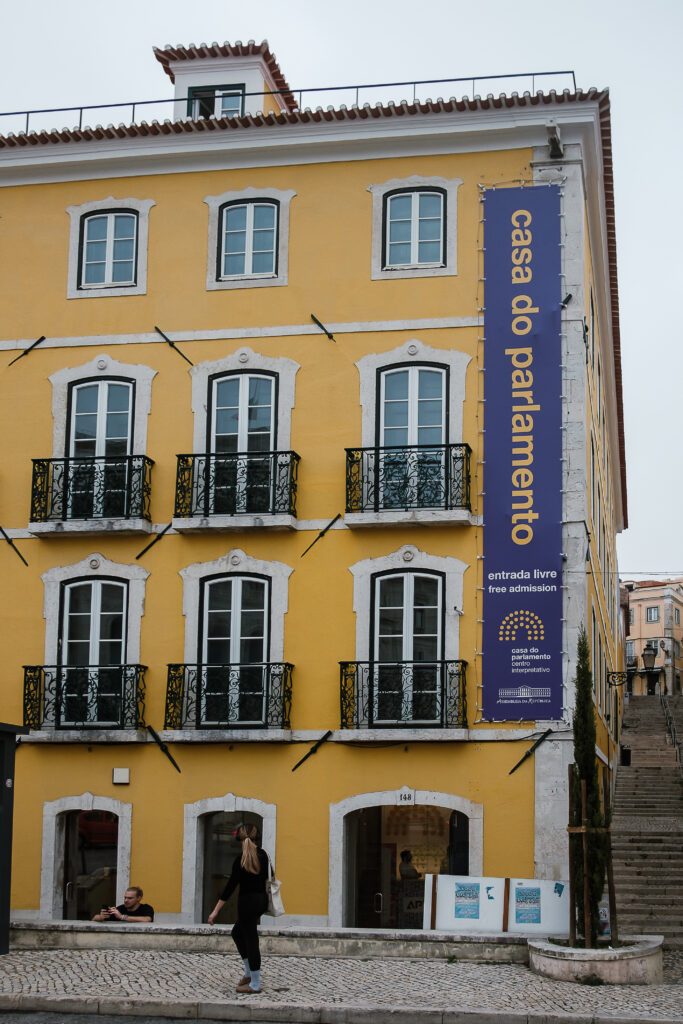
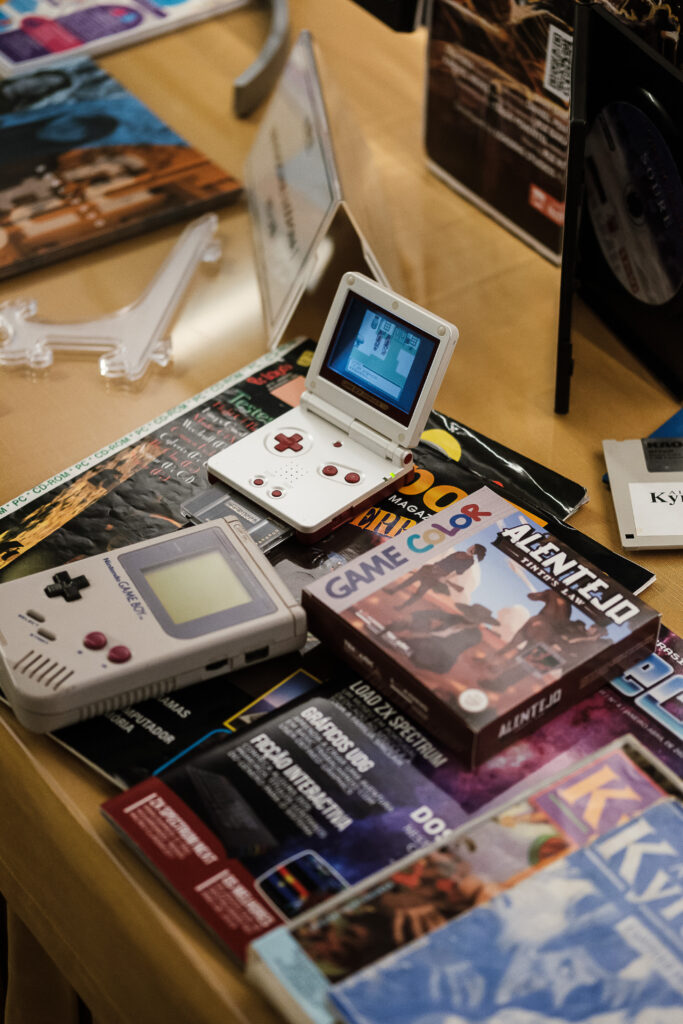
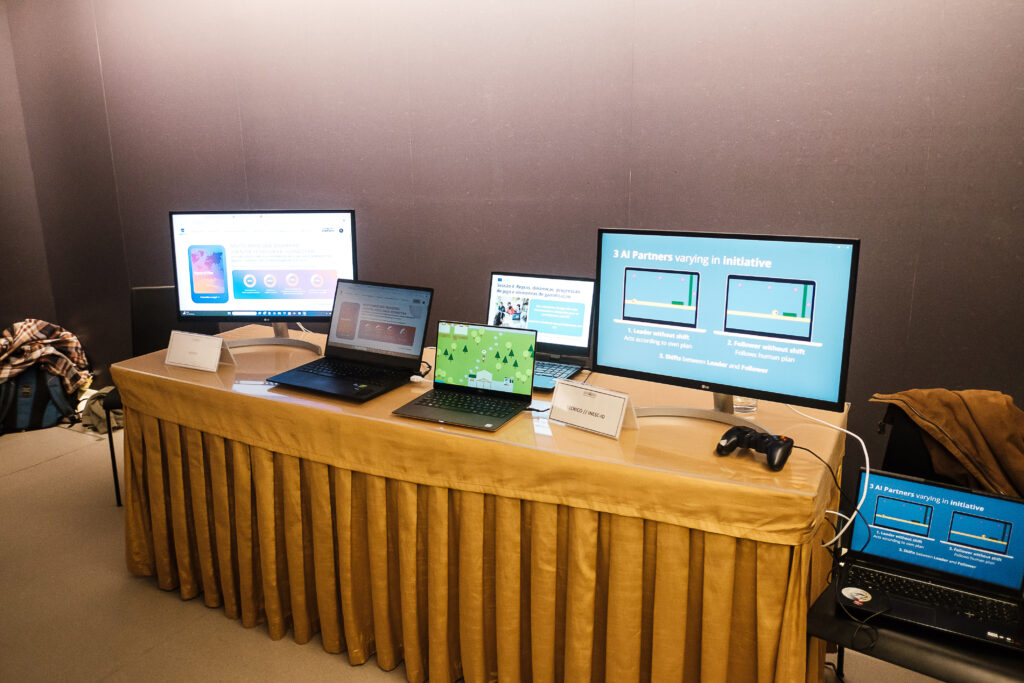
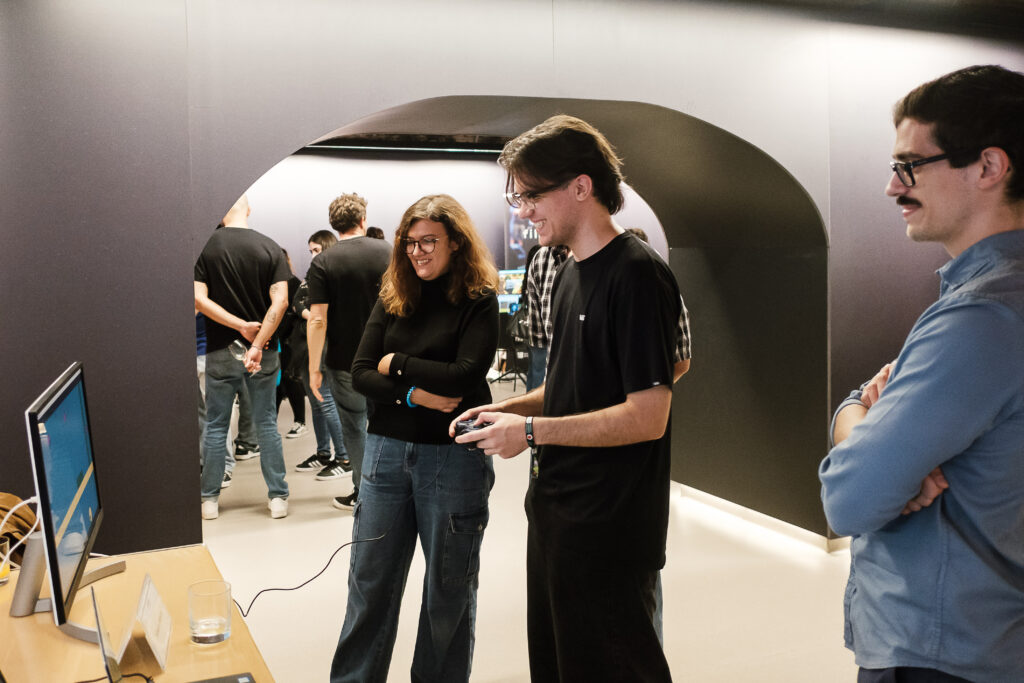
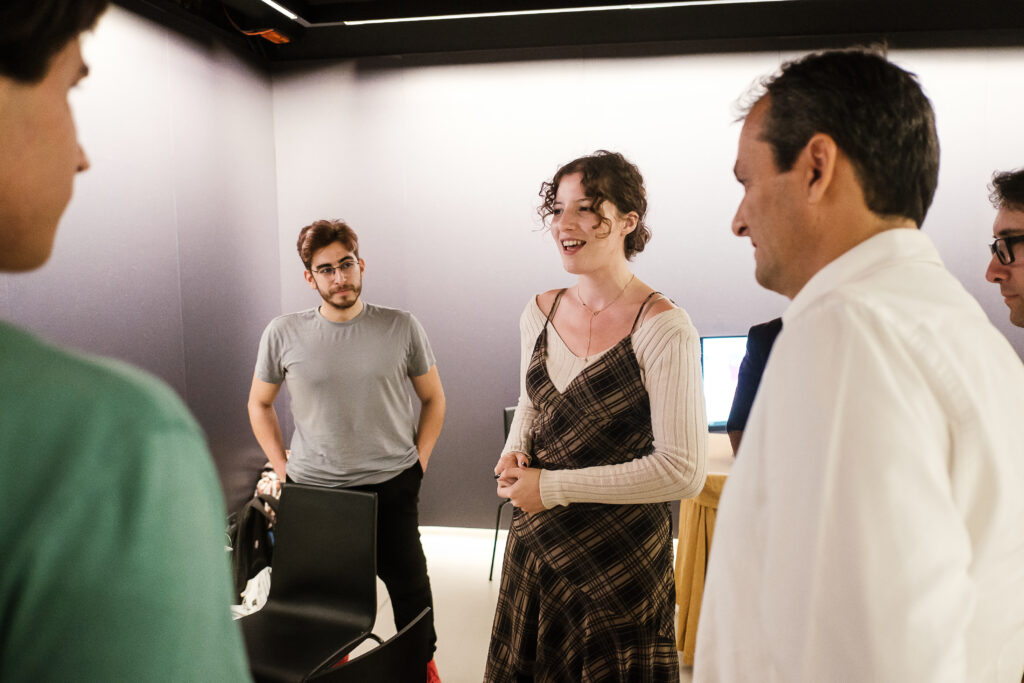
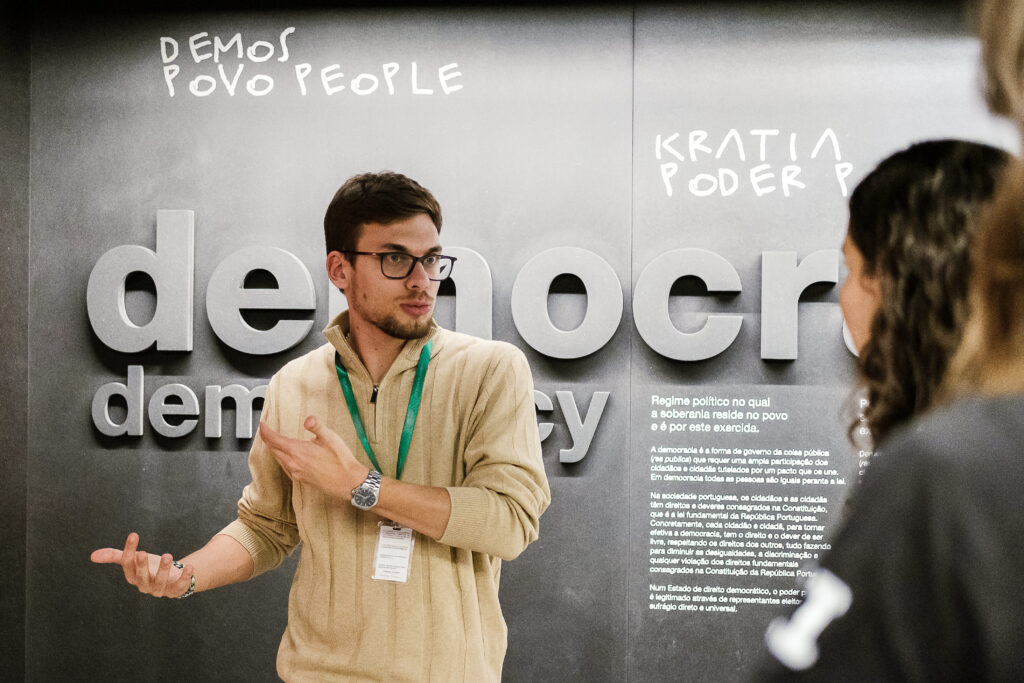
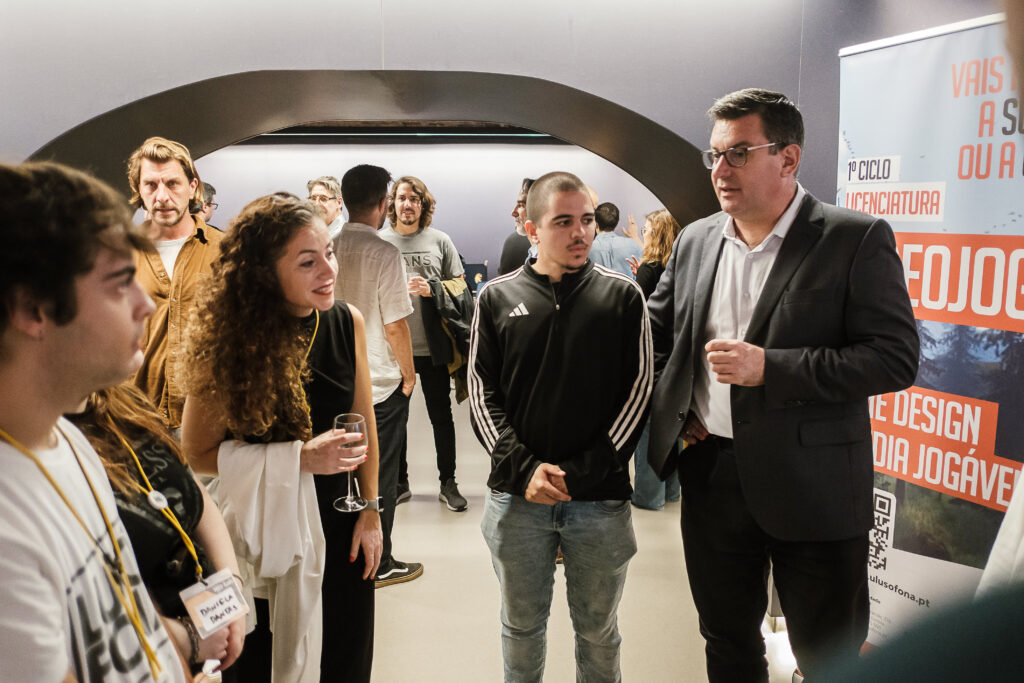
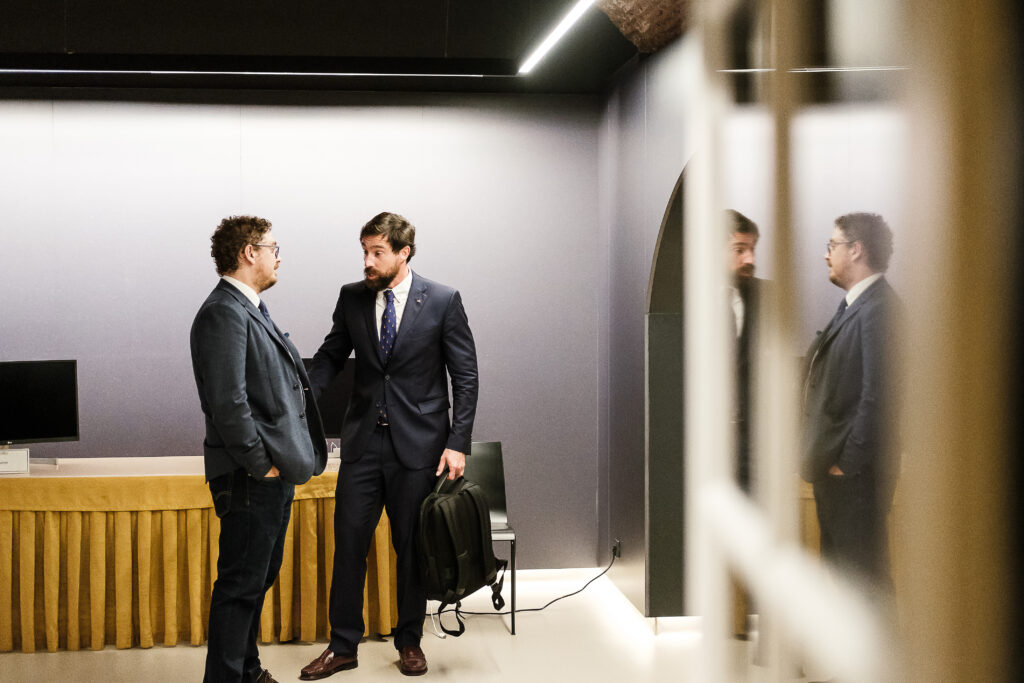
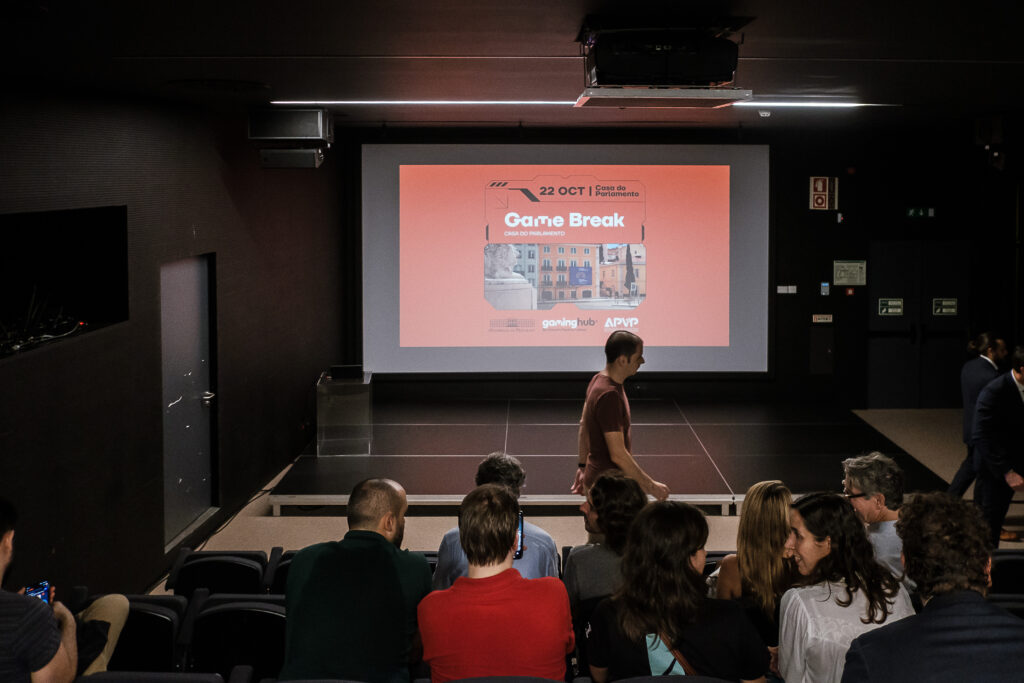
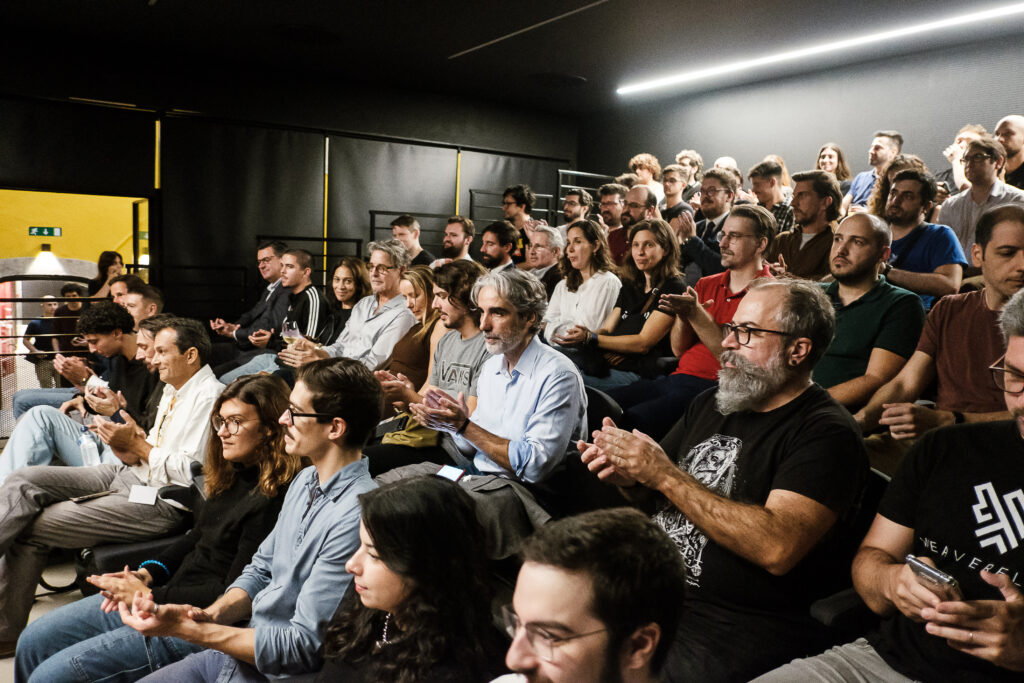
In the house of democracy, all sorts of games are played. But on October 22, a few members of parliament and advisors only had to cross the street from Assembleia da República to Casa do Parlamento, an interactive and multimedia centre dedicated to the history and functioning of the Portuguese Parliament, to step into a different kind of game: discovering how video games are being used for social good, including contributions from INESC-ID in the field of serious games and Portugal’s video game industry.
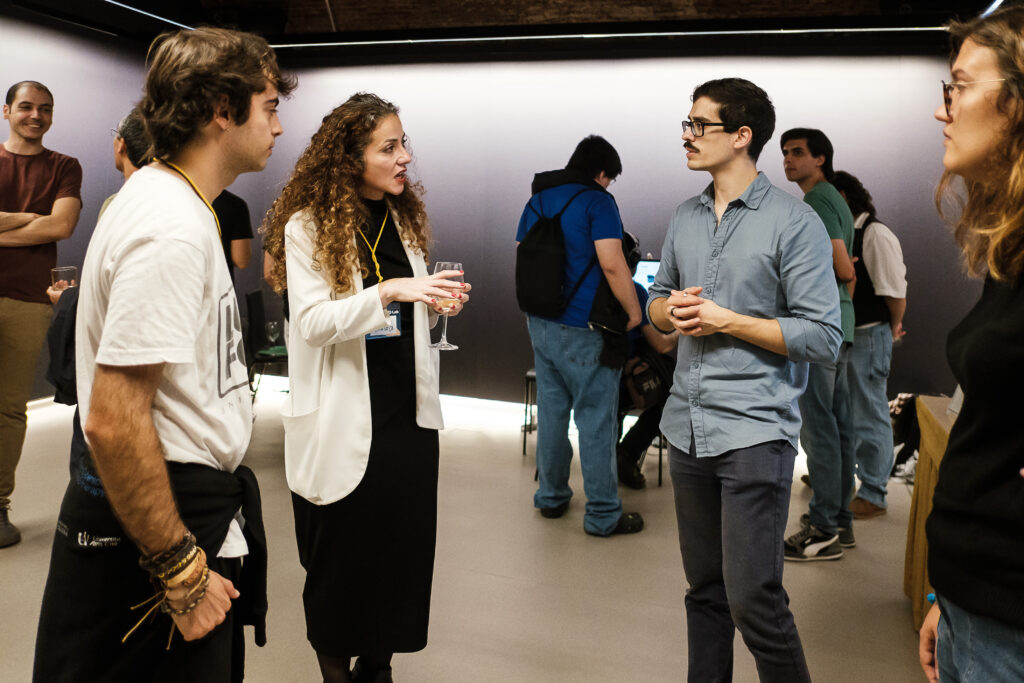
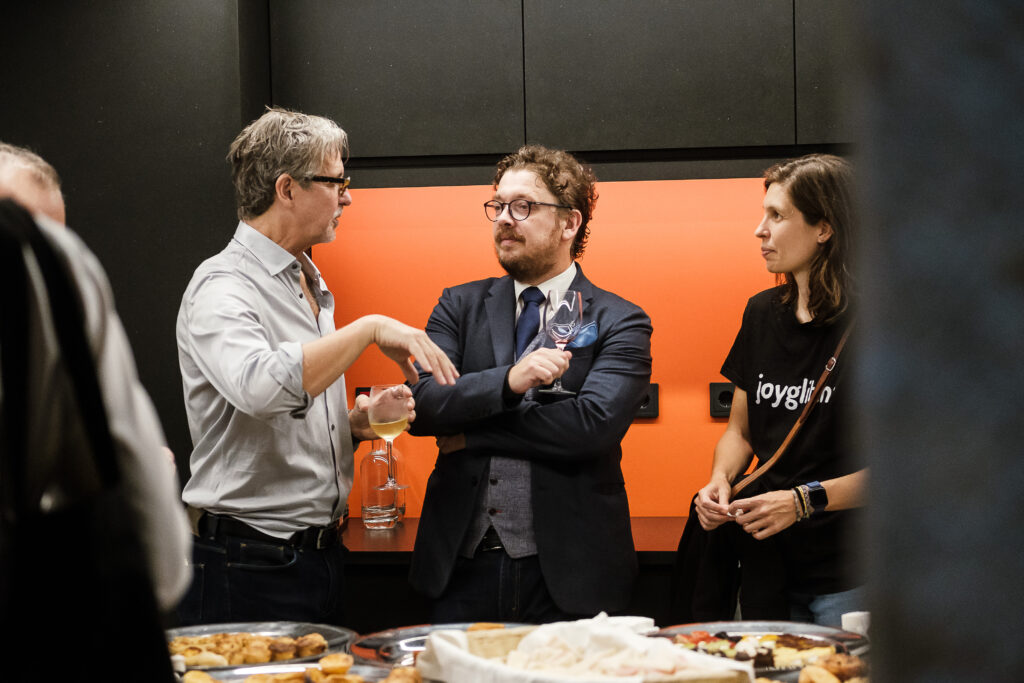
This special edition of Game Break, organised by the Gaming Hub at Unicorn Factory Lisboa, with the support of the Portuguese Video Game Producers Association (APVP), brought together policymakers, researchers, industry professionals, universities and civil society to explore together how video games are shaping the future of the sector in Portugal.
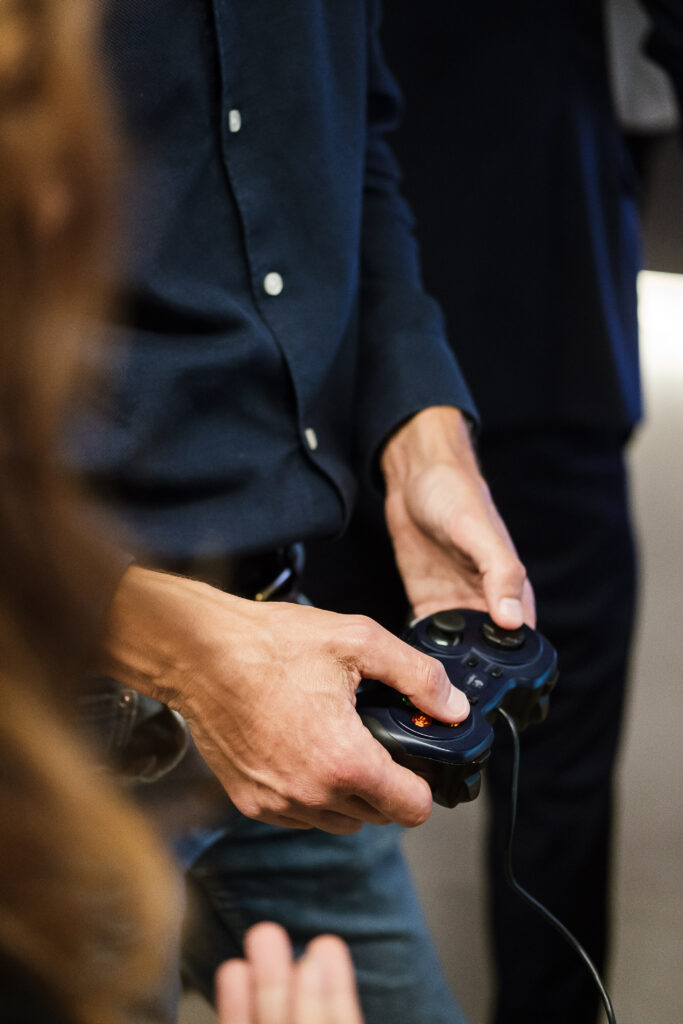
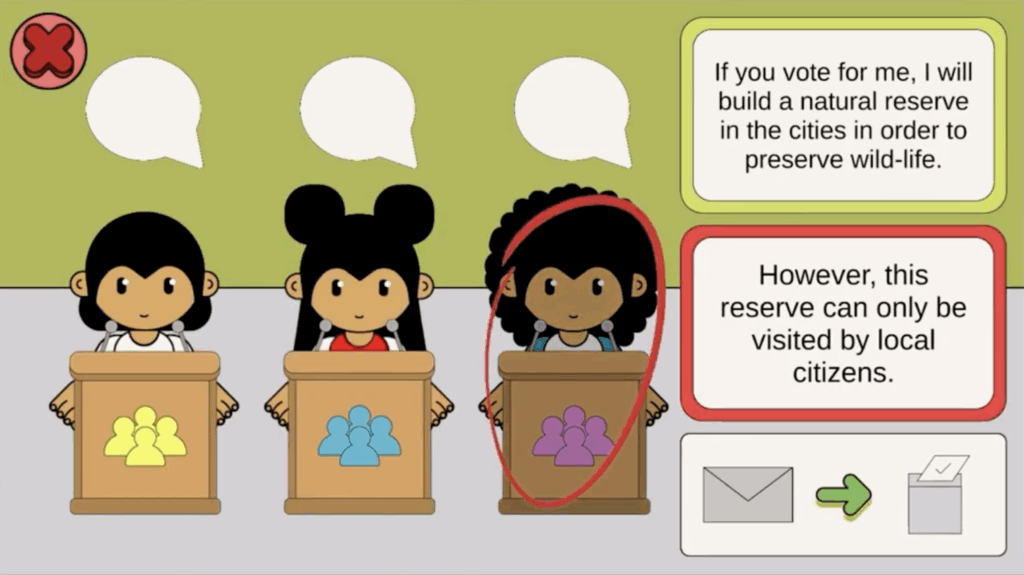
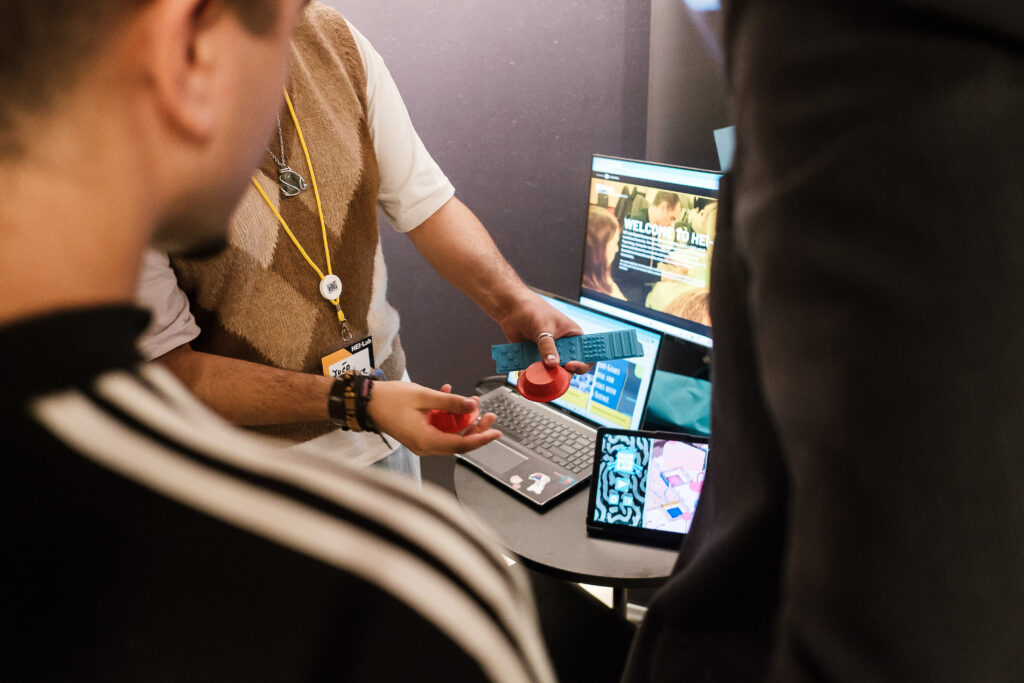
Inês Lobo and Miguel Belbute, PhD students in the Artificial Intelligence for People and Society scientific area (at GAIPS), represented INESC-ID with interactive demonstrations of two serious games: All Sustainable and Geometry Friends. Both projects reflect the institute’s thematic line on Societal Digital Transformation, which explores how digital technologies can empower informed decision-making and promote inclusivity and positive social change.
Co-designing sustainability and inclusion
All Sustainable, a digital game designed to teach sustainability concepts, is the result of a collaboration between INESC-ID researchers at GAIPS and users from CERCIOEIRAS. Across five co-design sessions, participants contributed to the game’s content and structure, from defining challenges related to sustainability and independent living, to deciding gameplay elements like narrative, rules, and characters. This gave participants a chance to help develop something they found both relevant and fun, reinforcing the inclusive philosophy behind the project.
Initially created for people with intellectual disabilities, the game has proven to be a valuable tool for helping children develop sustainability-related skills. It is now also being adopted in schools. “It’s incredibly rewarding to develop these games for minority groups and to see more people interested in getting them to those who need them,” says Miguel Belbute. “But what excites me most is seeing the results. For instance seeing neurodivergent children play and knowing it’s making a difference.”
For Miguel, who enjoys showing the “human” side of games, the fact that All Sustainable was co-designed with people with intellectual disabilities allows to better understand their relationship with digital games and what really connects them to the experience. That was one of the key messages he and Inês Lobo shared with the many visitors, from parliamentary advisors and game industry professionals to university professors and students from across the country.
Trust isn’t a simple game
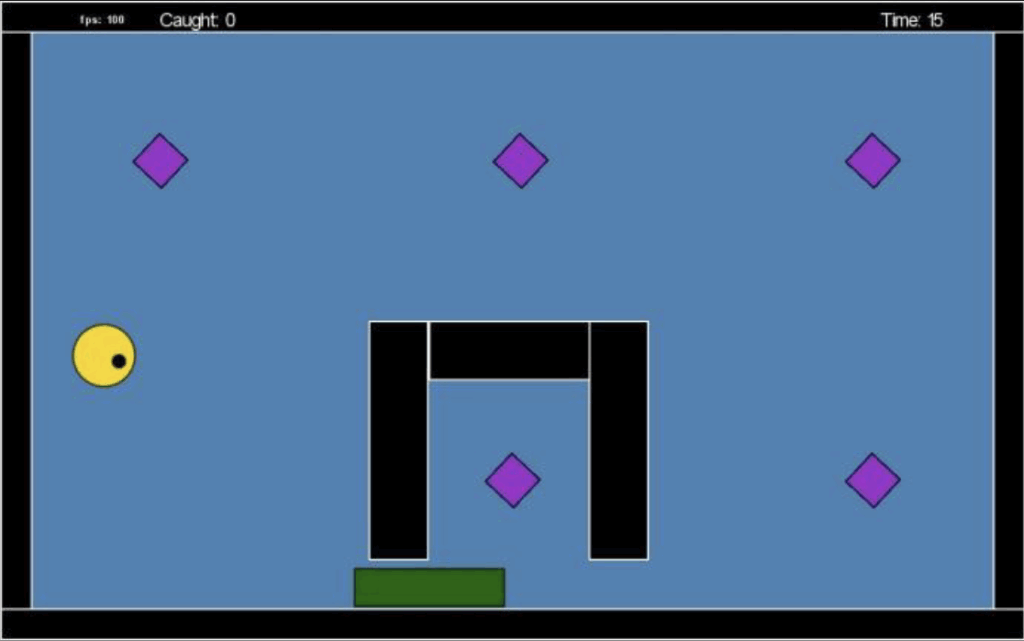
In turn, Geometry Friends, demonstrated by Inês, is a 2D puzzle platformer game where two characters, a circle and a rectangle, each with unique movement abilities, must collaborate to collect diamonds and complete levels. Designed as a cooperative game, the characters, representing a human and an autonomous agent, need to work together to reach a common goal.
“In our study, we use this game to explore how people perceive different types of agents — those that lead the game and those that follow the player’s plan,” she explains.
The reactions, Inês notes, are far from predictable. “They depend not only on personal preferences, such as favouring cooperative or competitive games, but also on the framing of the game itself: whether it’s presented as a collaborative mission or not.”
Also developed by GAIPS , Geometry Friends serves as a platform for AI research, including reinforcement learning and studies in human-agent collaboration. Its design requires players, whether human or AI, to combine efforts and unique capabilities, making it an ideal “laboratory” for developing artificial intelligence. The game provides inexpensive virtual simulations where algorithms can be tested and refined across thousands of interactions; research that has direct implications for the design of systems we interact with every day, from virtual assistants to social robots.
Serious games, a serious business
Serious games are not designed to simply entertain, but to educate, train and inform. Used in contexts such as education, healthcare or professional training, these games are gaining ground as tools for social transformation.
Miguel and Inês noted that several members of parliament showed genuine curiosity. “The majority had no idea about the dimension of the gaming industry or what was happening in the field,” Miguel shared.
In fact, far from being just child’s play, according to a study by Bain & Company, video games are already the world’s largest entertainment industry, expected to generate €190 billion in revenue in 2025. Serious games are also growing fast, with a market estimated at €14 billion and annual growth rates of up to 25% through 2030. In Portugal, with over 160 active video game studios, projected 2024 revenues above €100 million and a 60% annual growth, the national video game industry is thriving.
As digital technologies increasingly influence how we learn, decide, and engage with each other, INESC-ID has an important role to play. The growing momentum of the video game industry — and the research driving it — holds real potential for impact. And if we want a more participatory and inclusive democracy, maybe it’s time we start taking games more seriously.
The Técnico Innovation Centre powered by Fidelidade (TIC) hosted over 100 students who attended the 11th edition of Instituto Superior Técnico’s (IST) PhD Open Days. During October 27 and 28, the main stage was occupied by sessions and debates, and the halls filled with the voices of students who came to share their research.
This gathering, organised by the Técnico Doctoral School, brought together students from all areas of IST to connect with each other and with the many invited experts. Whether during talks or within the posters exhibited along the open space of TIC, INESC-ID’s presence did not go unnoticed.
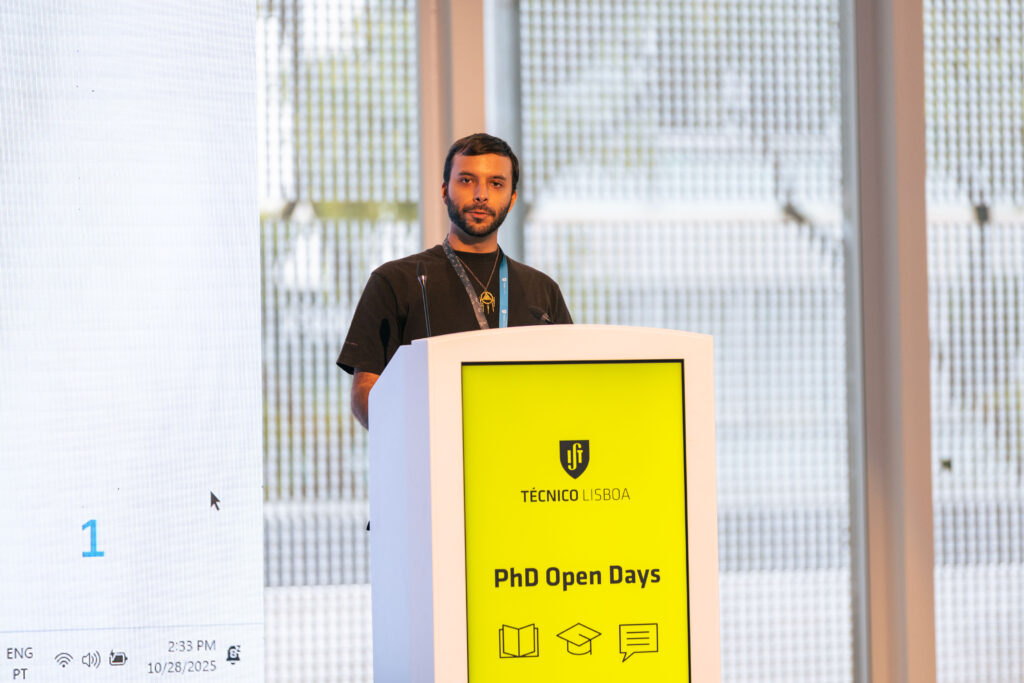
Among the several posters, all developed by PhD students from different IST areas, our very own students Luís Crespo, Miguel Graça, André Augusto, Carolina Carreira, João Guerreiro, Pedro P. Santos, and Vaibhav Arora had the opportunity to showcase their research and exchange ideas with fellow participants. On the second day the spotlight was on the ones who braved into the stage to present, in a short amount of time, the story of their research and the work completed so far. Miguel Graça, PhD student from the High-Performance Computer Architectures and Systems scientific area, presented his current research “Endeavor: Efficient GPU-Based PairHMM for Detection of DNA Variants” as well as a previous work “Distributed Transformer Neural Network for High Order Epistasis Detection”.
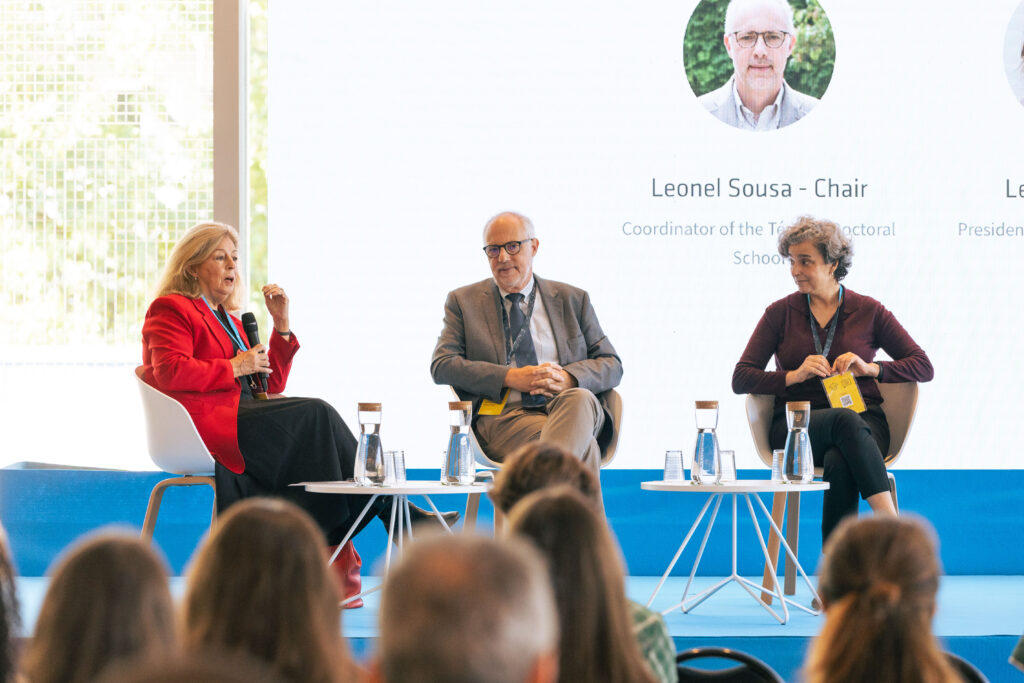
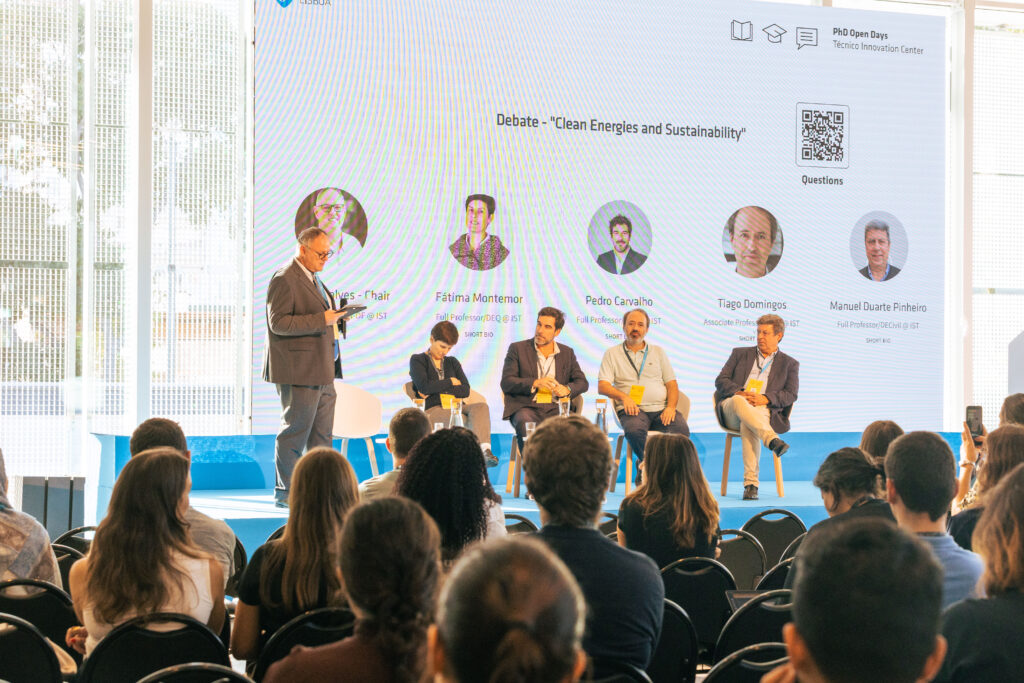
One of the Invited Talks, focused on “PhDs in Society”, featured the Coordinator of the Técnico Doctoral School and INESC-ID researcher Leonel Sousa who participated and moderated the interventions of Leonor Beleza, President of the Champalimaud Foundation, and Maria Mota, CEO of the Gulbenkian Institute for Molecular Medicine (GIMM). Further along the afternoon, our Sustainable Power Systems scientific coordinator, Pedro Carvalho participated in the debate “Clean Energies and Sustainability”.
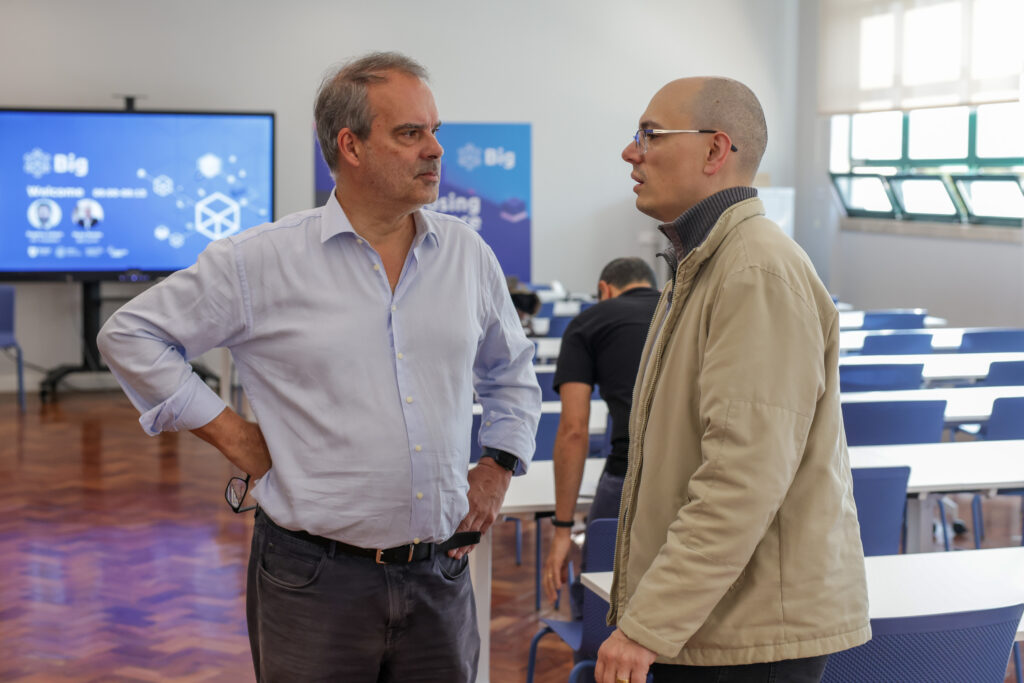
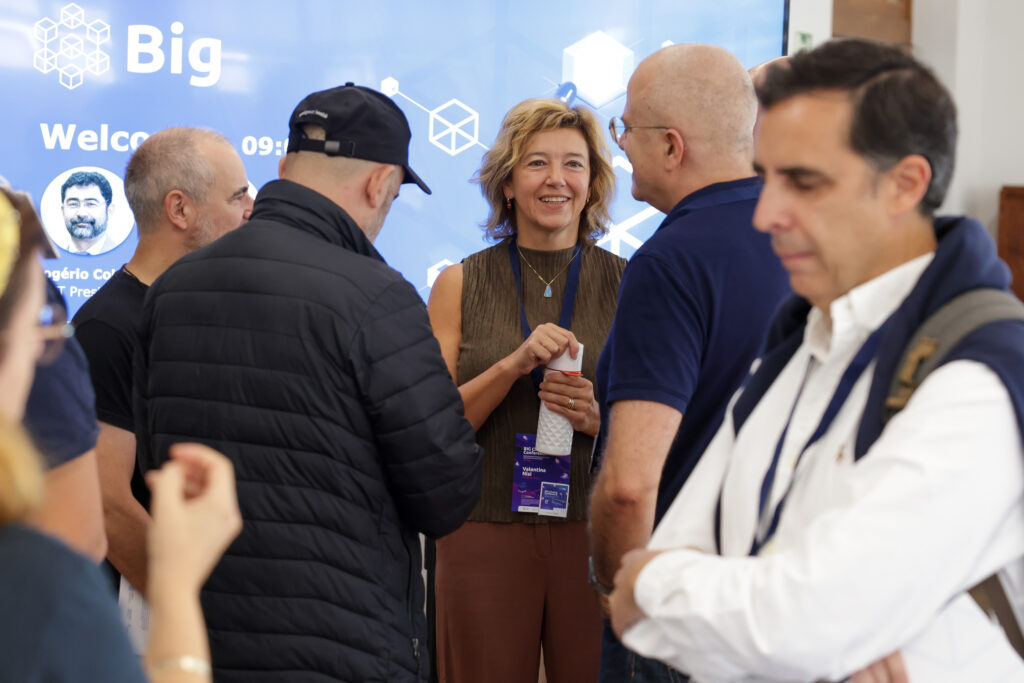
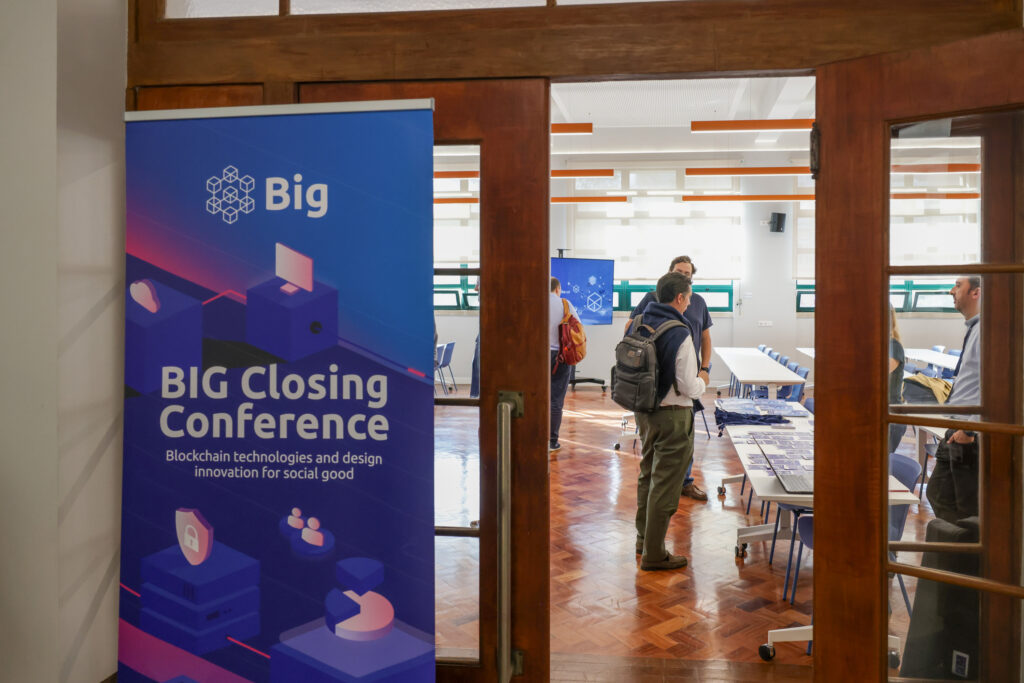
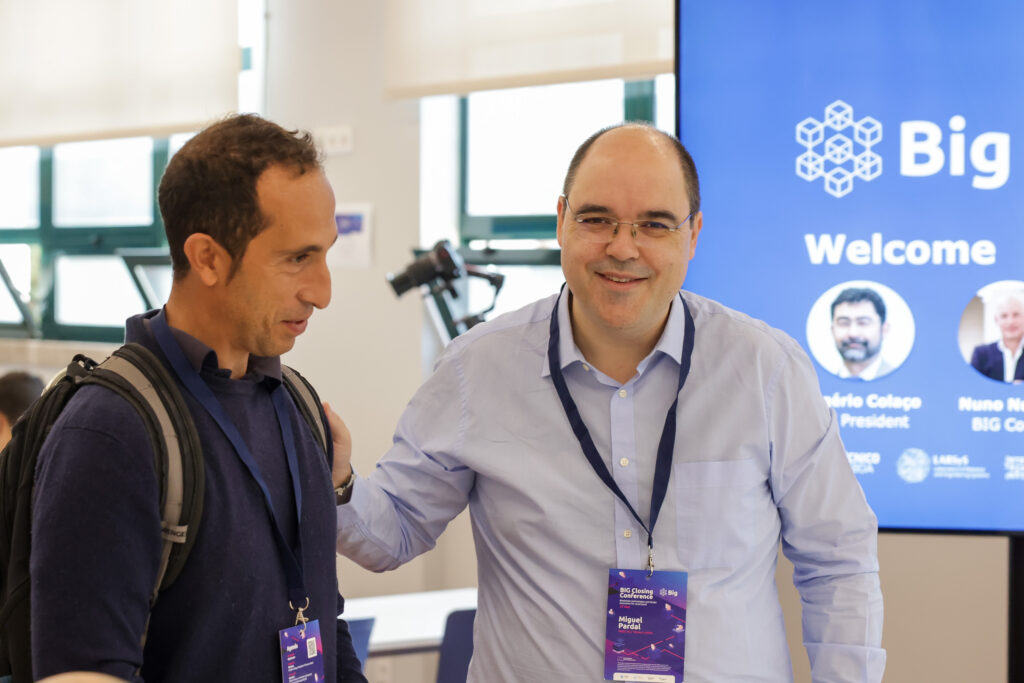
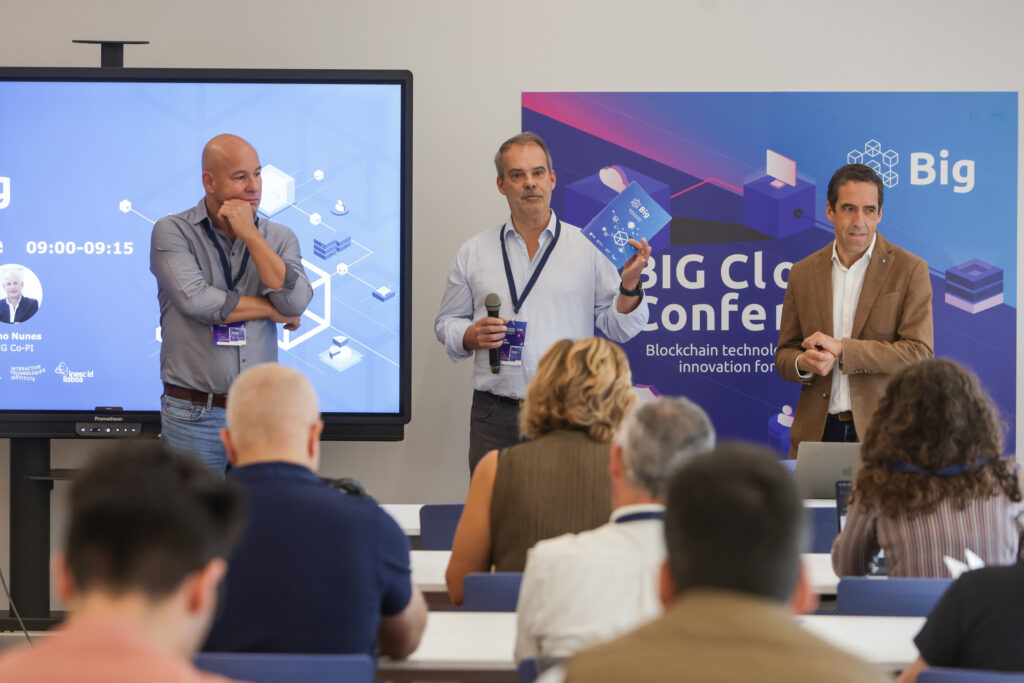
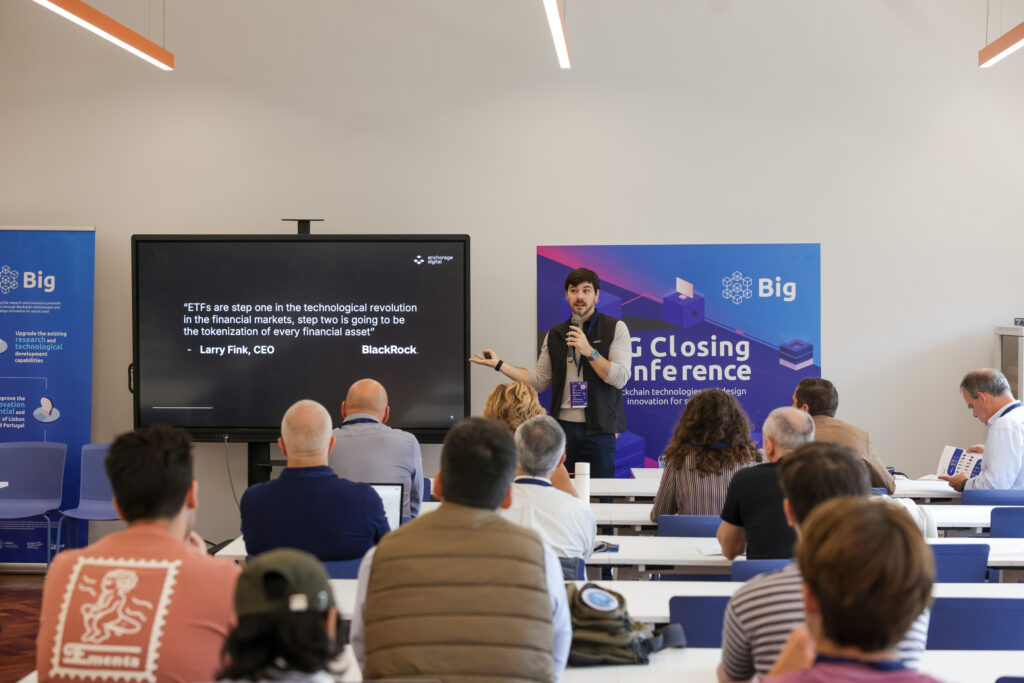
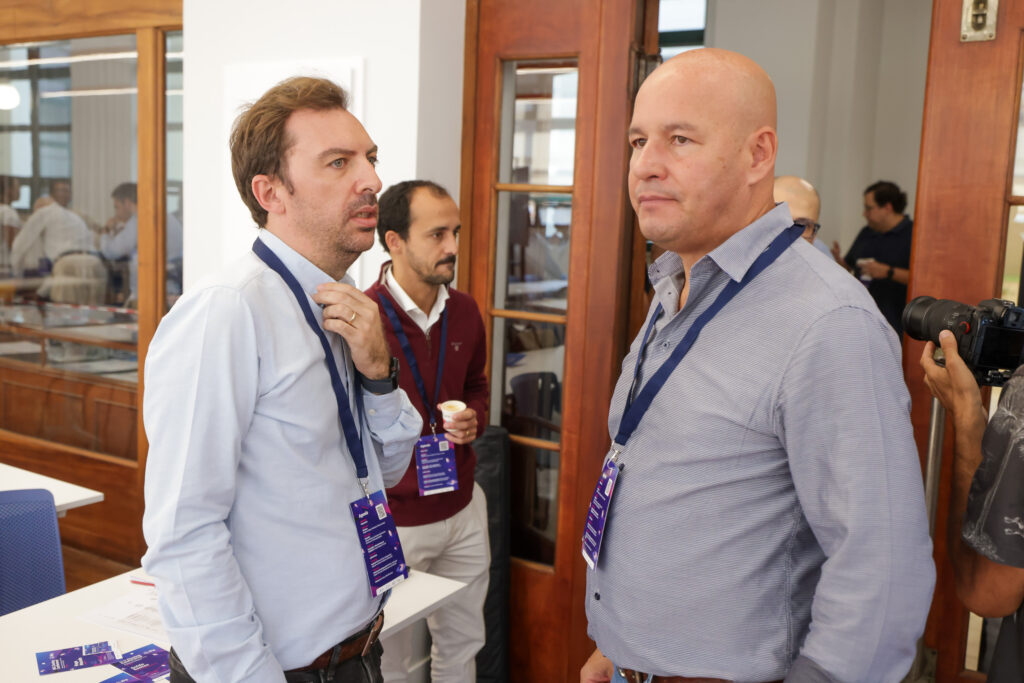
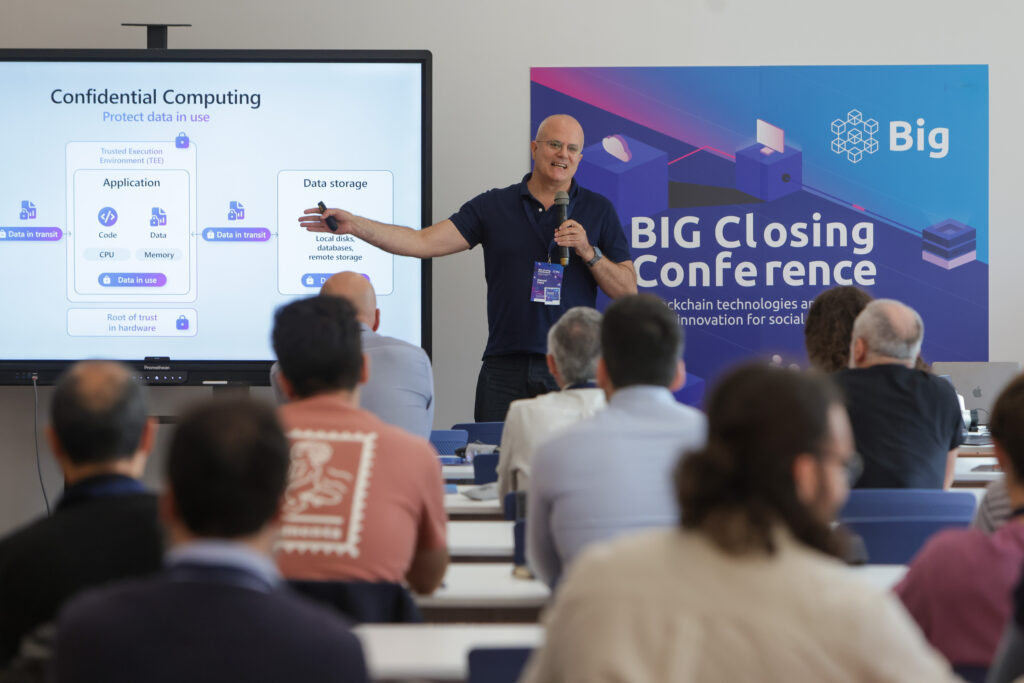
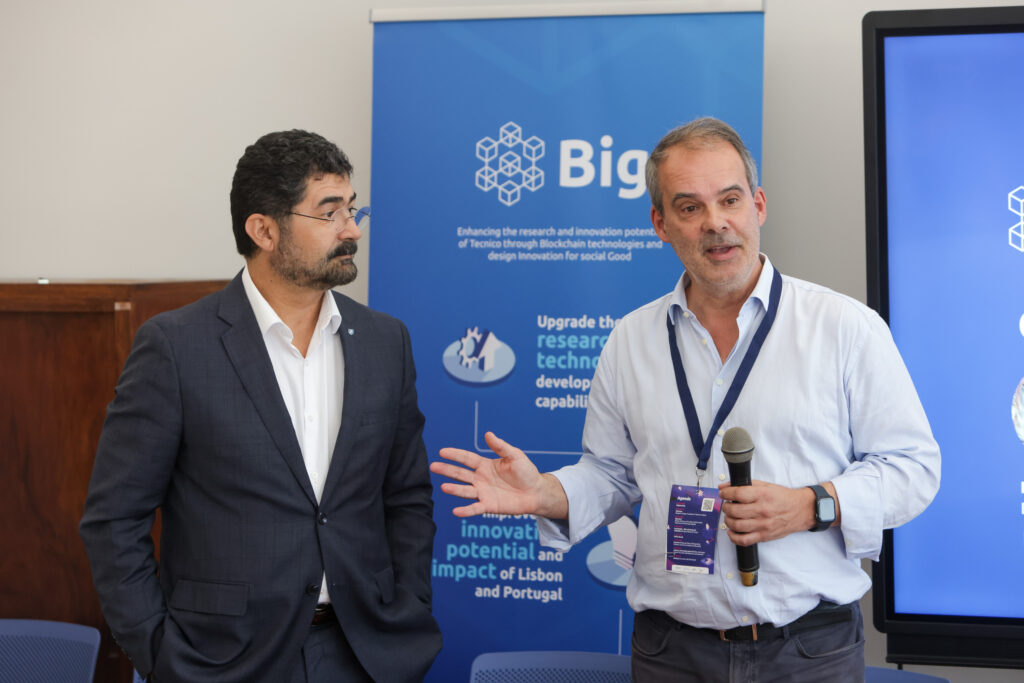
The BIG ERA Chair came to a successful finale, with its Closing Ceremony taking place last week, on October 27. In the IA room of Instituto Superior Técnico, more than 50 participants, from students to industry leaders, gathered to watch the project’s main achievements over the years and reflected how digital ledger technology can drive trust, transparency and social good
The conference featured keynote speakers, Diogo Mónica and Manuel Costa, who went over Tokenization and Confidential Computing respectively. In addition to the keynotes, there was a presentation of the BIG Lab’s research highlights, an Industry and Society Panel and several interventions by INESC-ID researchers, including Luís Caires, Miguel Pupo Correia, Rodrigo Rodrigues, Paolo Romano, Miguel Matos, Miguel Pardal, David R. Matos, Nuno Lopes and Christof Torres. Overall, the ceremony served as a platform for all stakeholders in Blockchain and related areas to present and discuss studies and challenges.
“The BIG Closing Conference really was a unique moment to witness the impact of BIG as an extremely successful multi-institutional and interdisciplinary initiative, leveraging the quite unique characteristics of the ERA program.” – Stated Luís Caires, Chair Holder for the BIG ERA Chair and researcher of the INESC-ID Information and Decision Support Systems Scientific Area. “And this is just the start of a new phase of the BIG Lab community, looking forward to the future challenges of decentralized, participatory, and trustworthy computing for all.”
The BIG ERA Chair Closing Conference was organised in the scope of the BIG ERA Chair Project (GA 952226), a project funded by the European Commission involving INESC-ID, IST and ITI-LARSyS.
A hundred teachers from all around the country gathered on the ground floor of Técnico Oeiras last weekend, October 25-26, as the Science on Stage National Festival 2025 took place!
The event was organised by NUCLIO – Núcleo Interativo de Astronomia e Inovação em Educação, with the support of Engenharia para Todos project, a collaboration between INESC-ID and Instituto Superior Técnico (IST), and the Oeiras Municipality.
The teachers, from pre-school to high school education and various STEM subjects, shared innovative practices in teaching and science, promoted new ideas, and also networked with other participants, with the prospect of future collaborations. Of the total 26 projects presented, 7 were selected to represent Portugal at the European Science on Stage Festival 2026, which will take place in Lithuania, in May 2026.
Besides presentations, there were also plenty of hands-on workshops for all families and participants attending the festival. Engenharia para Todos, had a display of its own, through a promotional video showing activities and projects developed in schools and within the community. Its work highlights, once more, how a creative, experimental and inclusive approach can bring engineering and technology closer to all audiences.
Among the participants, were the Oeiras City Councillor Pedro Patacho; the Director of the Department of Education, Maria Paula Rodrigues; and Maria José Amandio from the Science and Innovation Office of Oeiras Municipality.
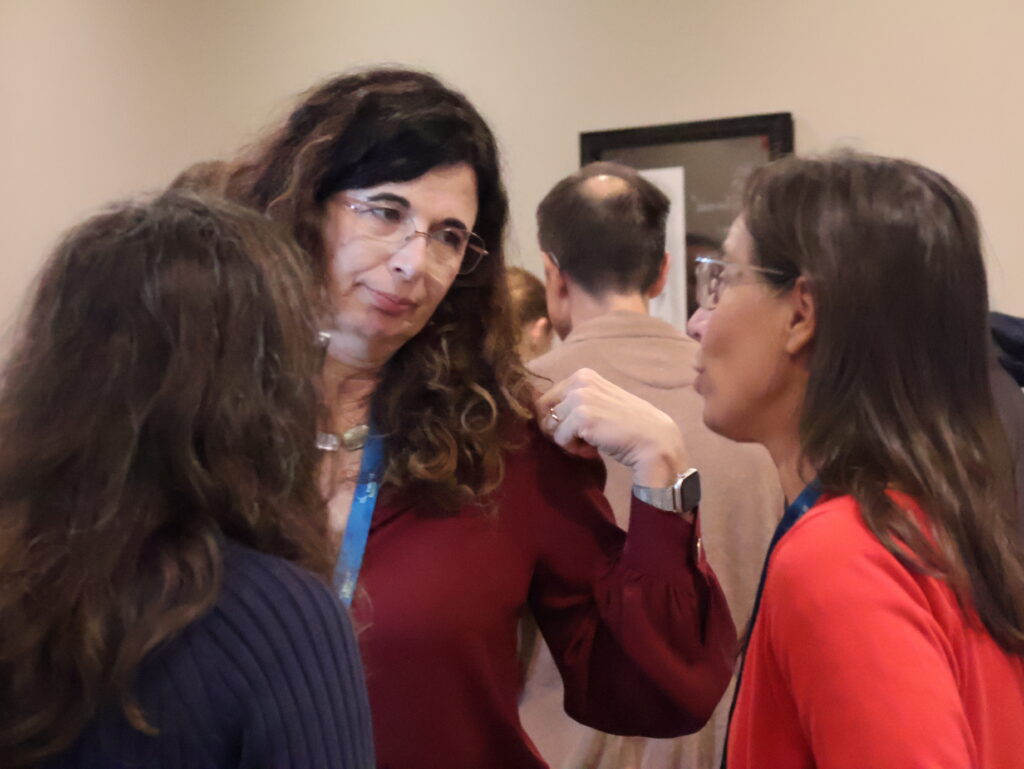
After a two‑year hiatus, in which the annual meeting was held jointly with INOV and INESC MN under the INESC Lisboa initiative, INESC-ID returned to hosting its own dedicated gathering.
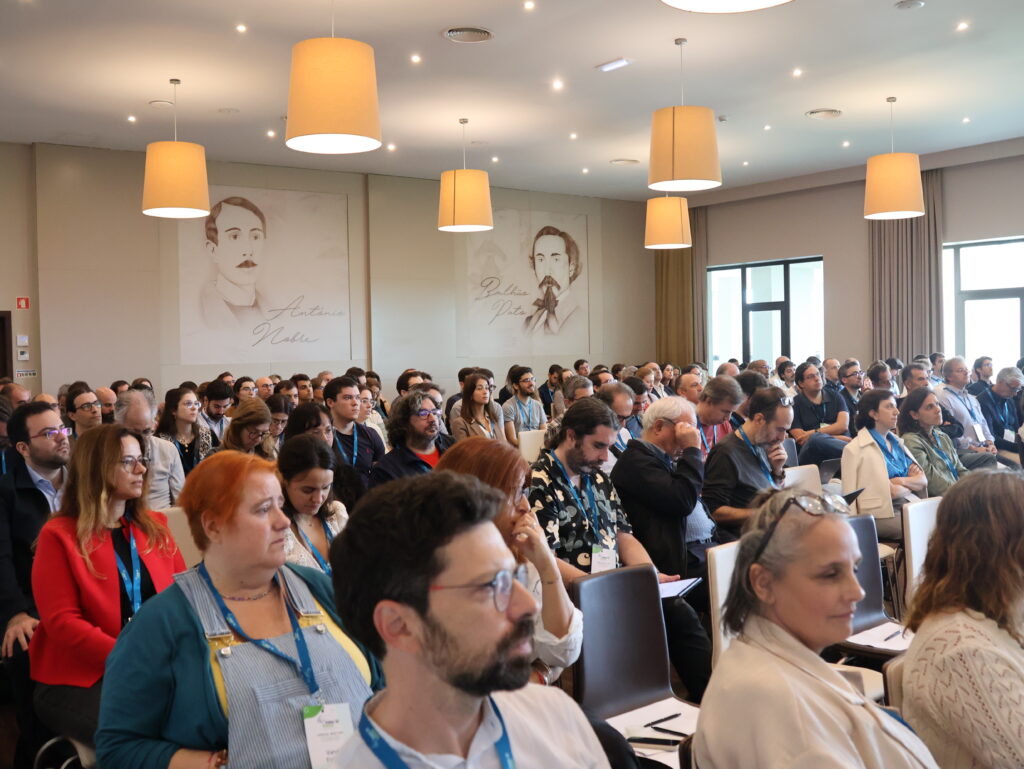
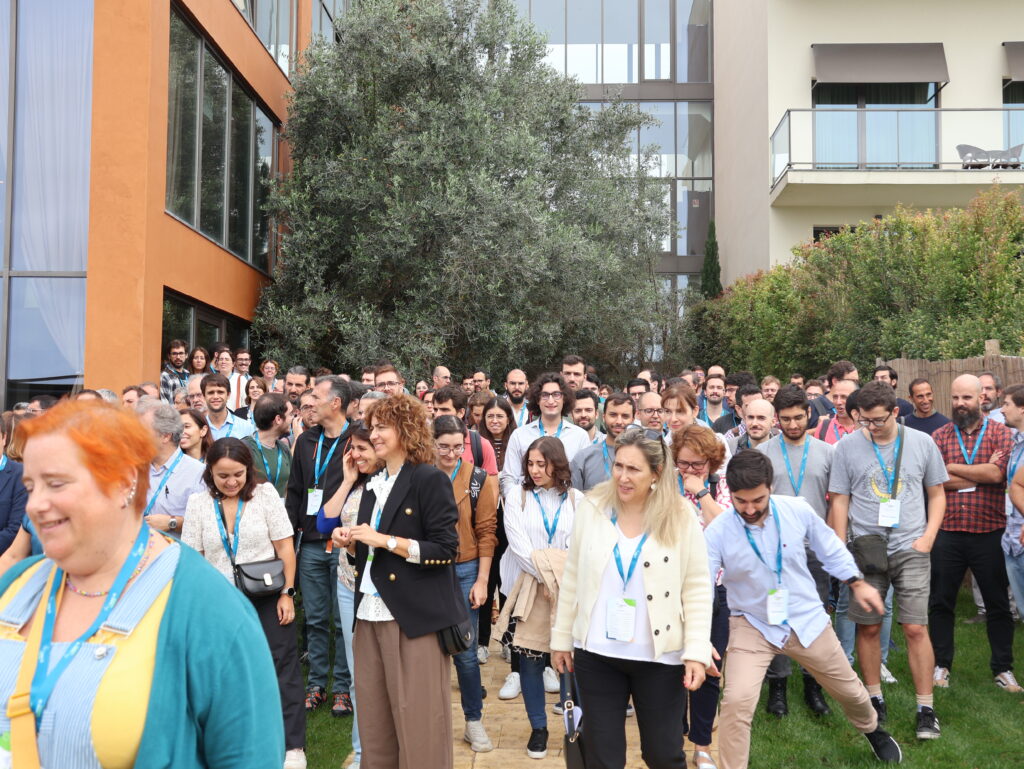
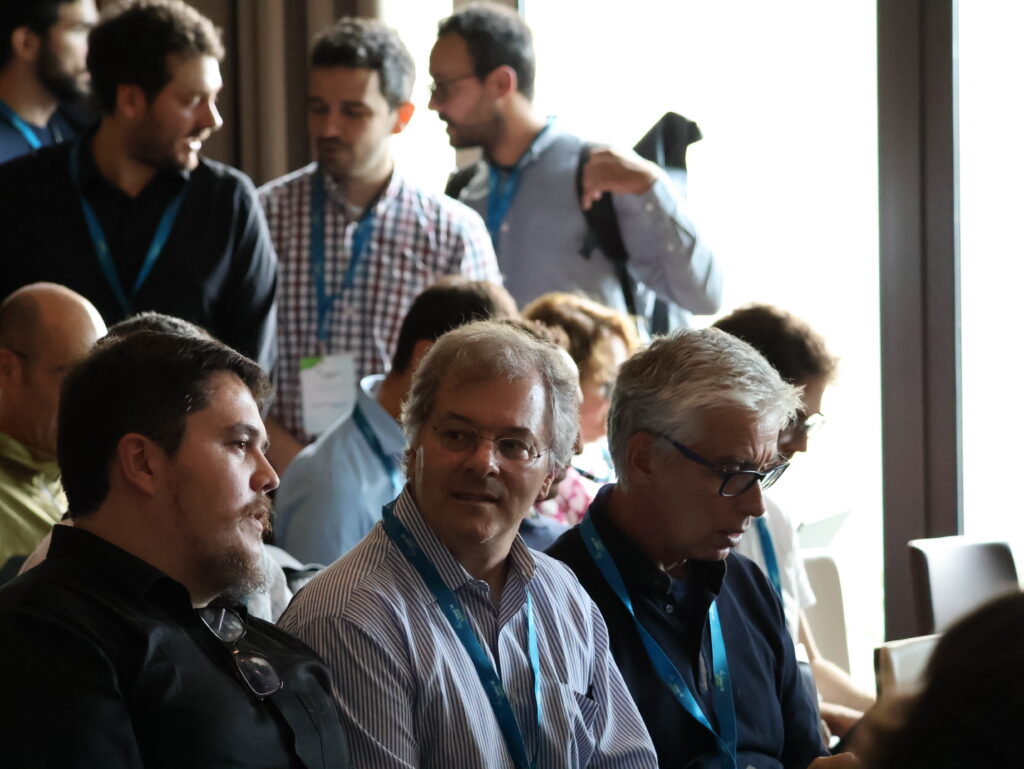
This year’s venue was Vila Galé Sintra, on an autumn day shrouded in the region’s characteristic fog, which gradually revealed Palácio da Pena atop the hill and the historical town of Sintra below. With a record participation of nearly 200 members, the meeting took place on October 23 in this symbolic setting, associated for centuries with moments of retreat and reflection.
“I enjoyed seeing all of INESC-ID at the same venue , which is a rare sight and a first time for me. It gave me a more complete perspective of how many research projects there are.”– PhD student
Institutional overview, support teams in the spotlight, and a thought-provoking talk
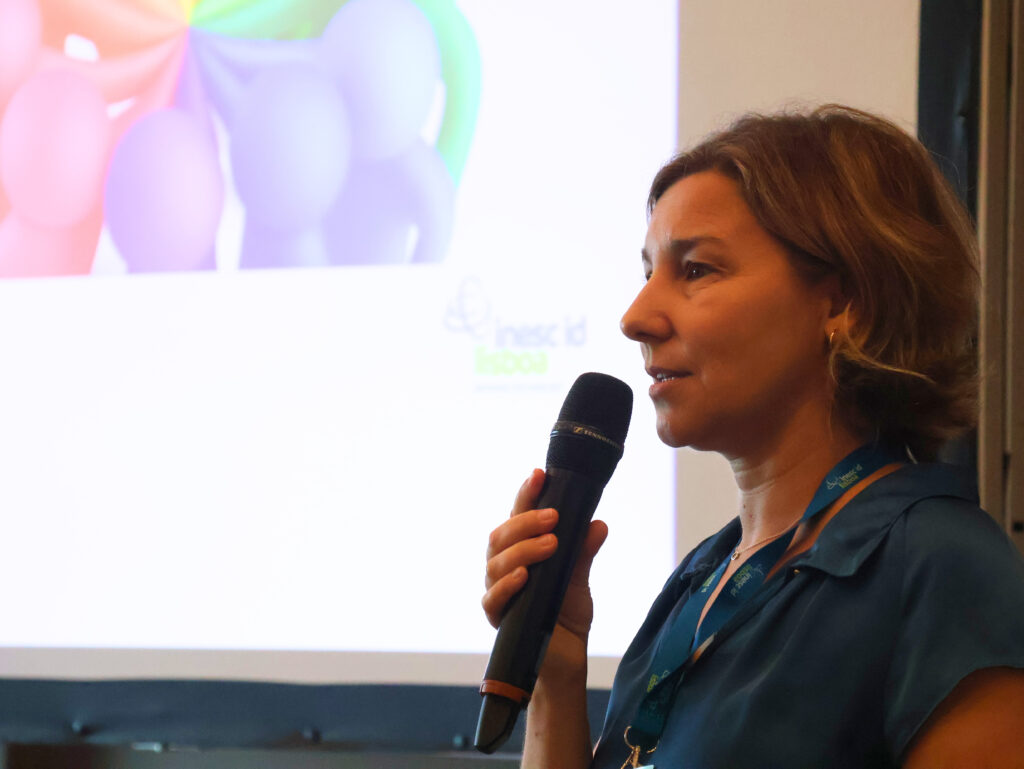
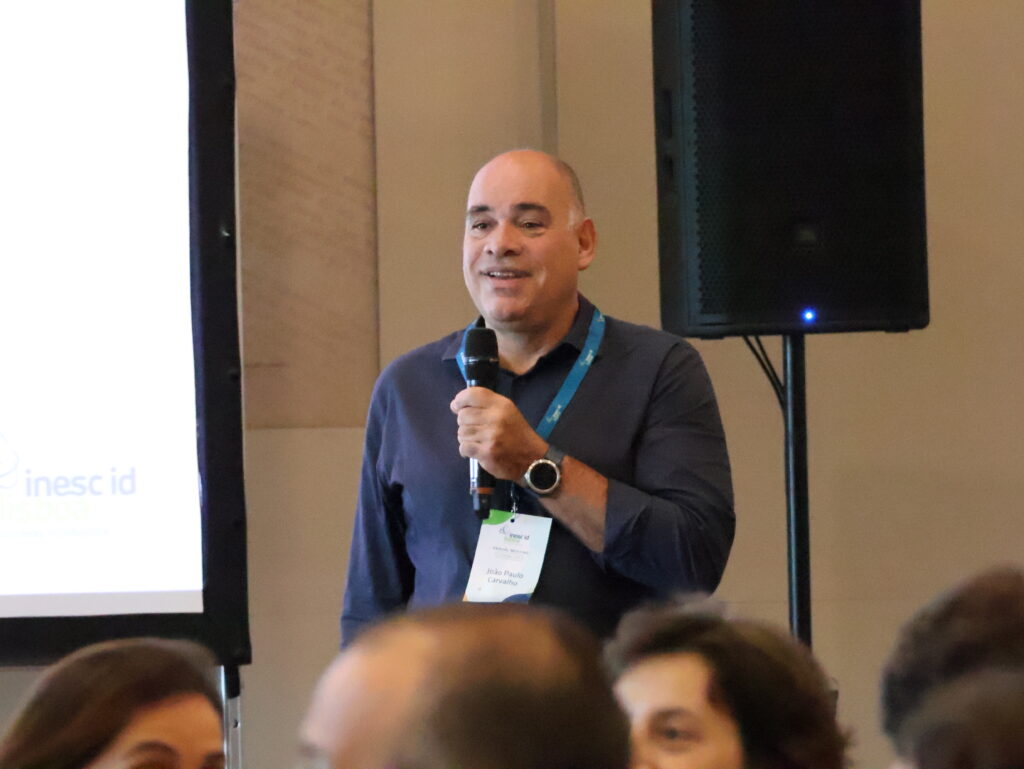
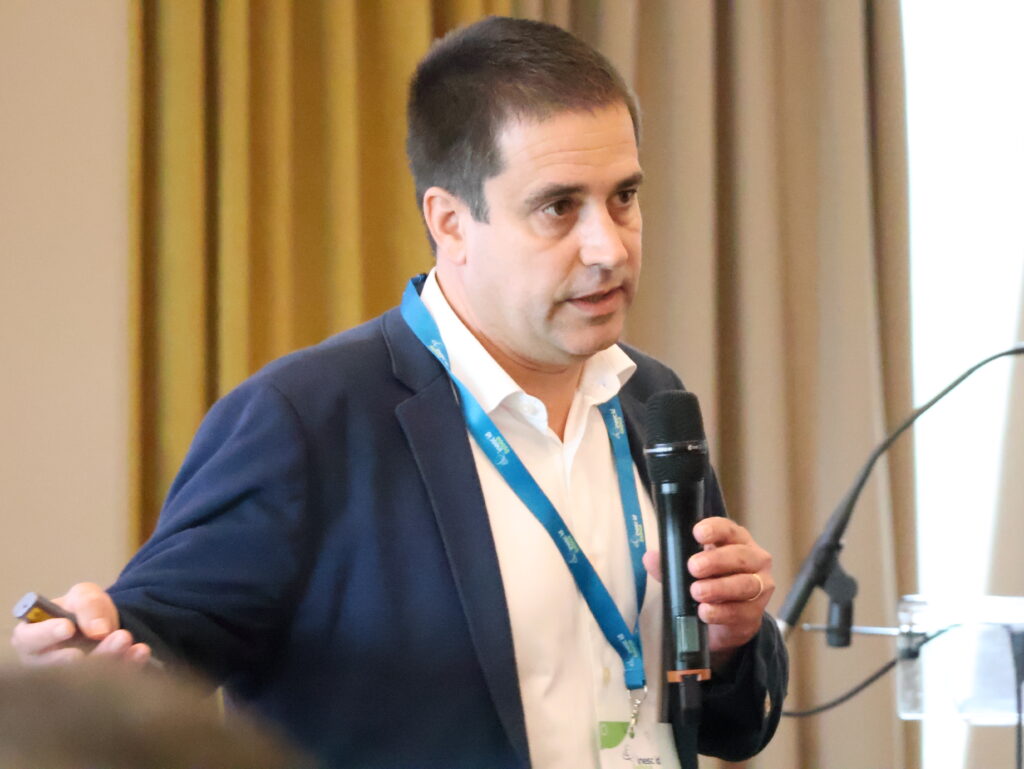
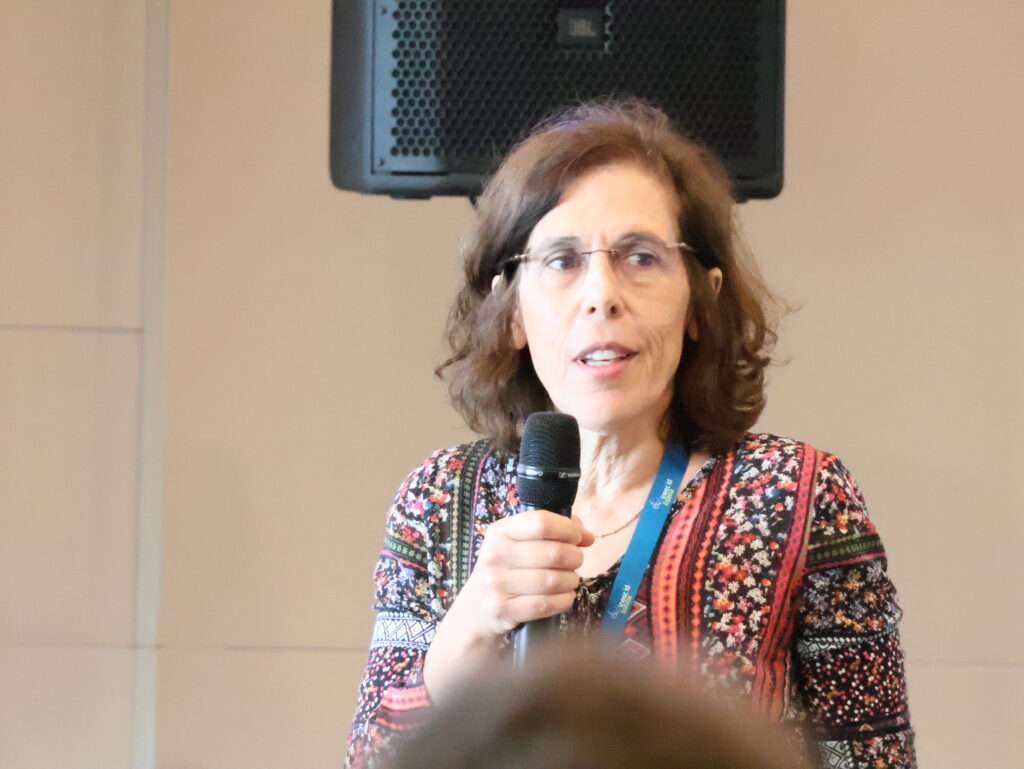
Inês Lynce, President of the Board of Directors, opened the first session of the day, stepping in for Executive Committee Director Miguel Pupo Correia, who was away on professional duties in the U.S. She was joined by Executive Director João Paulo Carvalho, who presented a profile of the INESC-ID community, including upcoming infrastructure plans and challenges. He was followed by fellow Executive Director Nuno Roma, who offered a detailed account of the institute’s current financial situation.
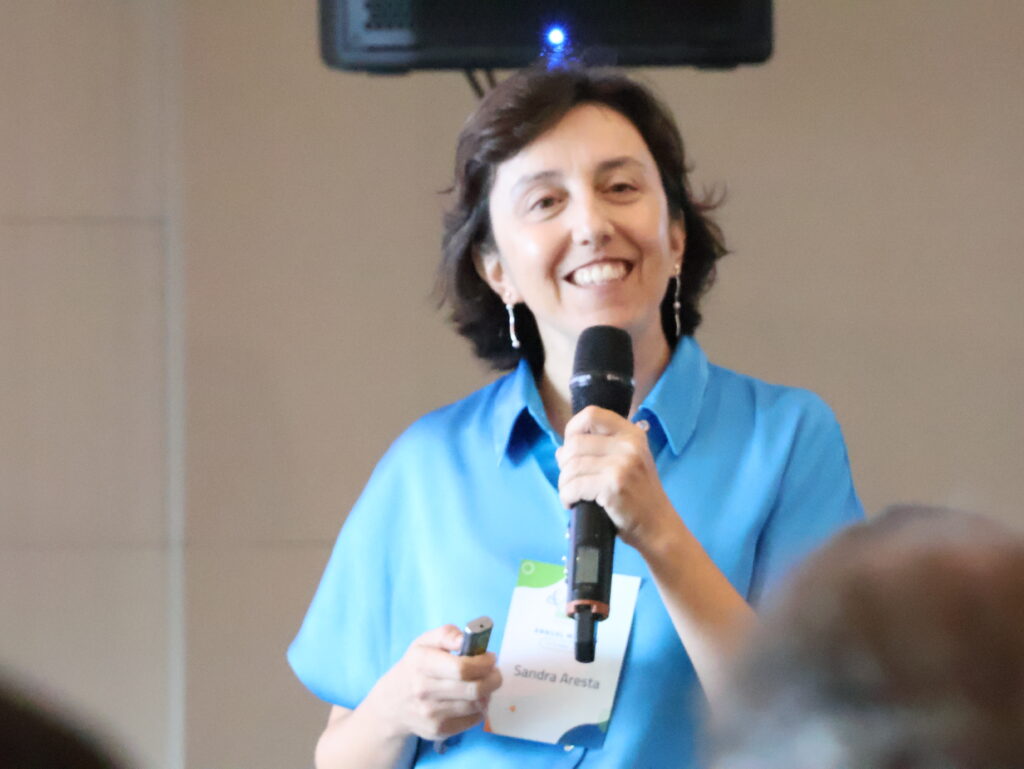
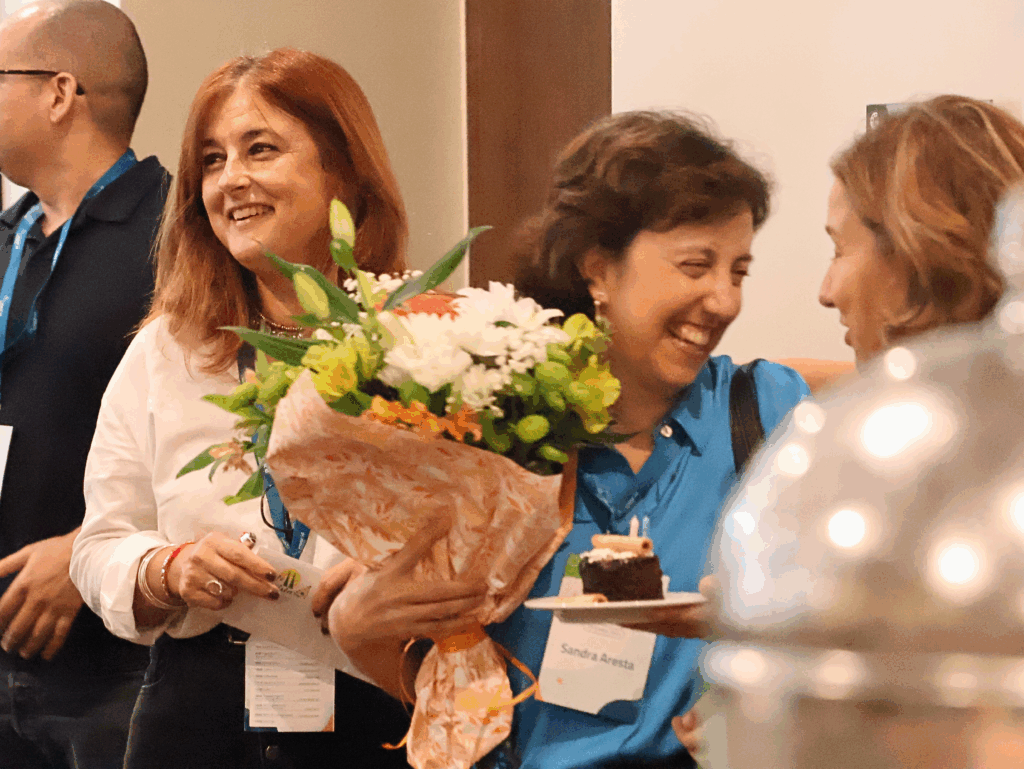
Next came a session dedicated to INESC-ID’s support offices, with brief presentations from the teams who, often behind the scenes, play a vital role in the institute’s daily life. Executive Director Helena Galhardas spoke for Administrative Support and Technological Infrastructures, followed by Elisabete Rodrigues and Sandra Sá (Board Support), Vanda Fidalgo (Human Resources), Sílvia Castro (Innovation Management), Sandra Aresta (Knowledge Transfer), and Rodrigo Abril de Abreu (Communications and Outreach).
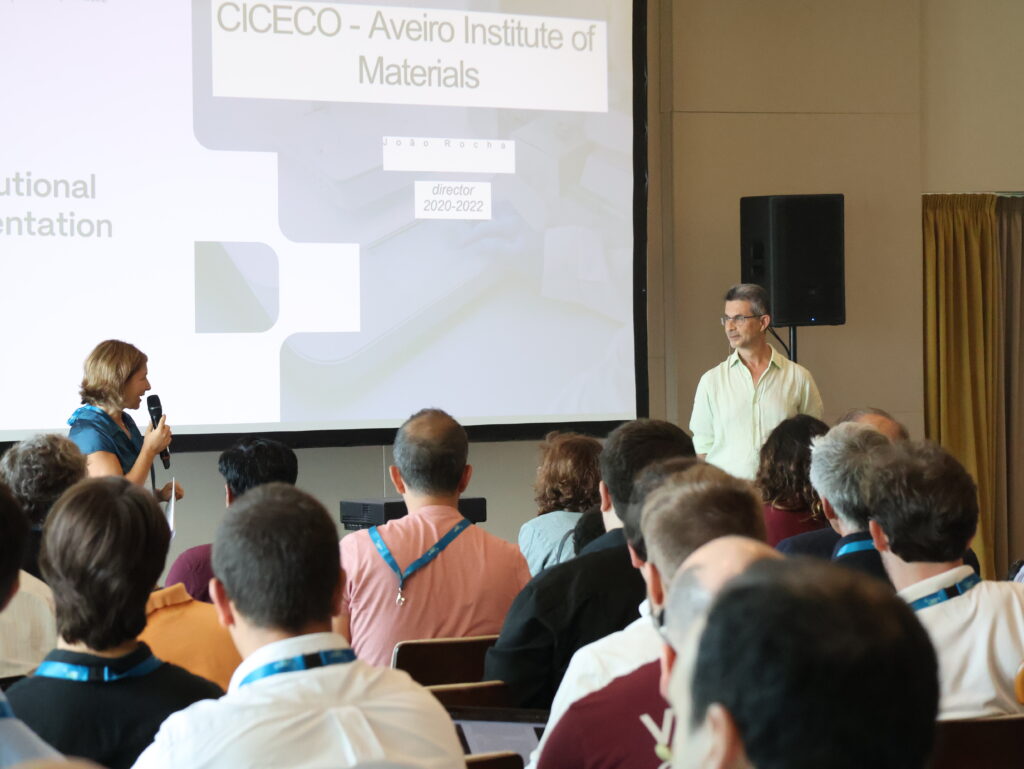
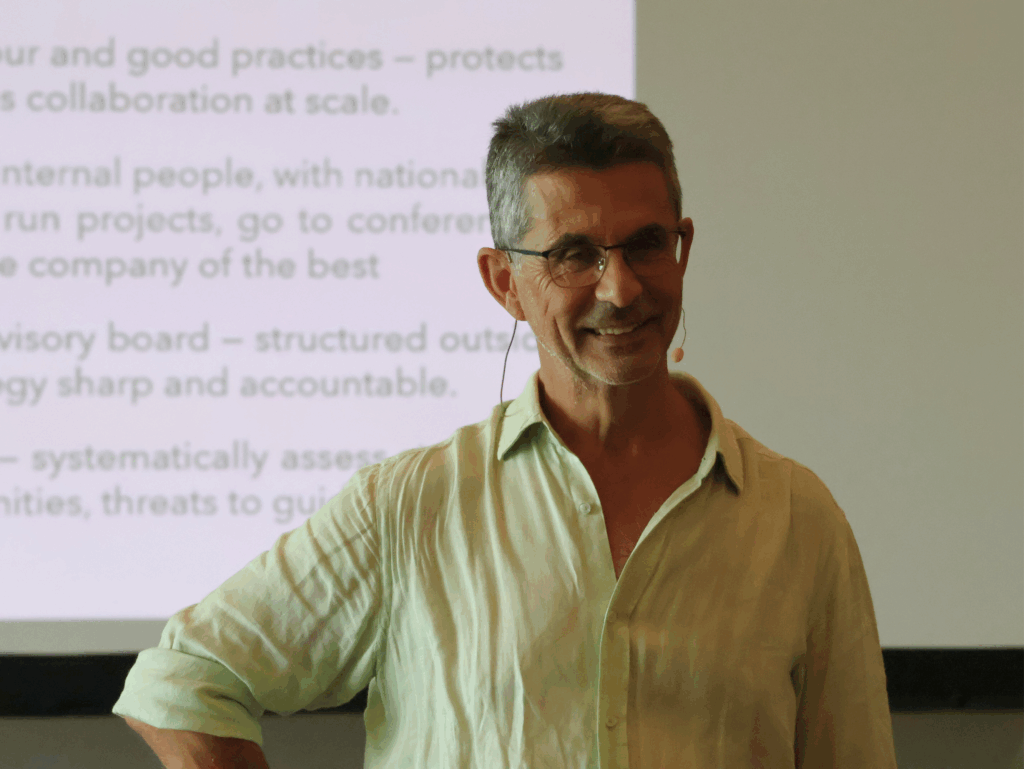
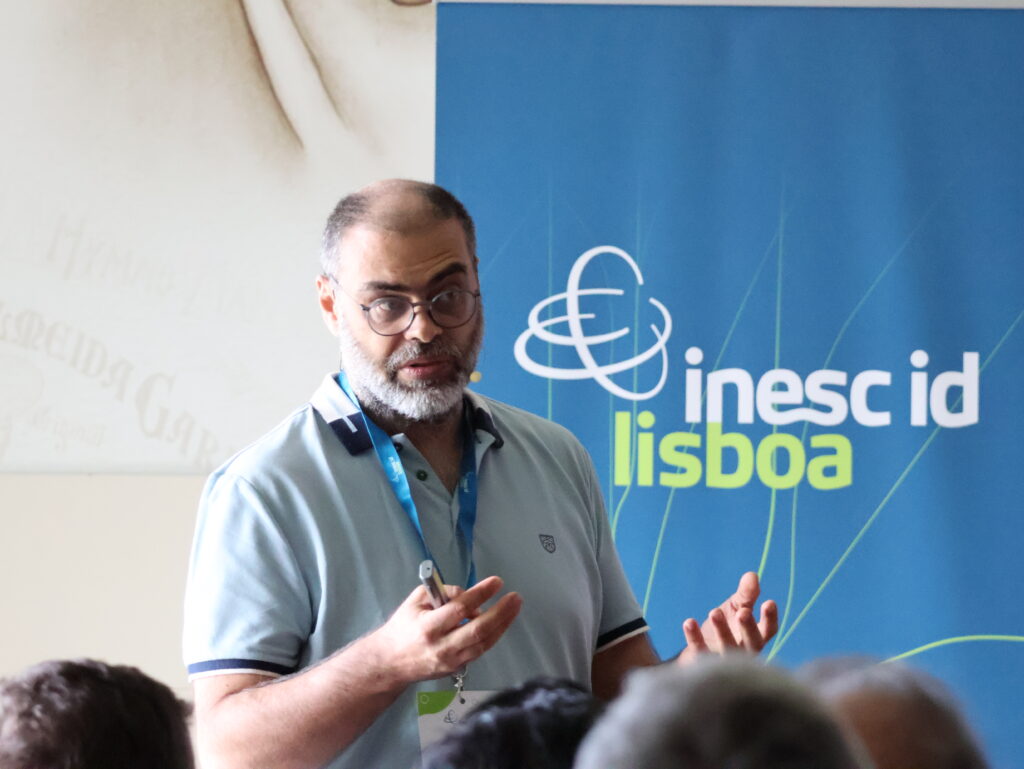
The morning concluded with an inspiring talk by guest speaker João Rocha, Full Professor of Chemistry at the University of Aveiro and current Coordinator of the Council of Associated Laboratories. He reflected on the functional model of CICECO – Aveiro Institute of Materials, which he led from 2002 to 2021, the role of fundamental research in national development, and the challenges of large-scale scientific coordination. The session ended on a lively note with an open exchange of questions from the audience.
European projects, research on the walls, and a new format for dialogue
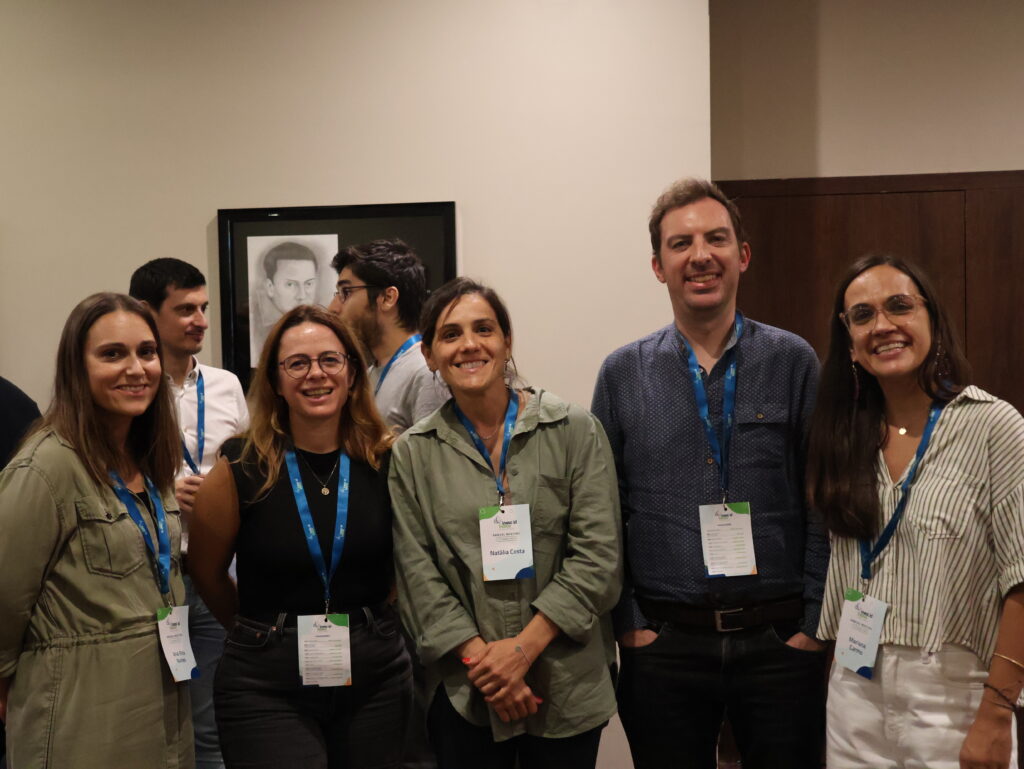
The afternoon began with a presentation by researcher Hugo Morais, from the Sustainable Power Systems scientific area, on his extensive experience with European projects. Together with his team (Rita Nunes, Mariana Carmo, and Cindy Gusman), he shared the structure they have developed over the years, with a strong track record in securing European funding, offering practical advice, strategies, and lessons learned for those looking to follow a similar path. The session aimed to inspire other researchers to join this European research ecosystem.
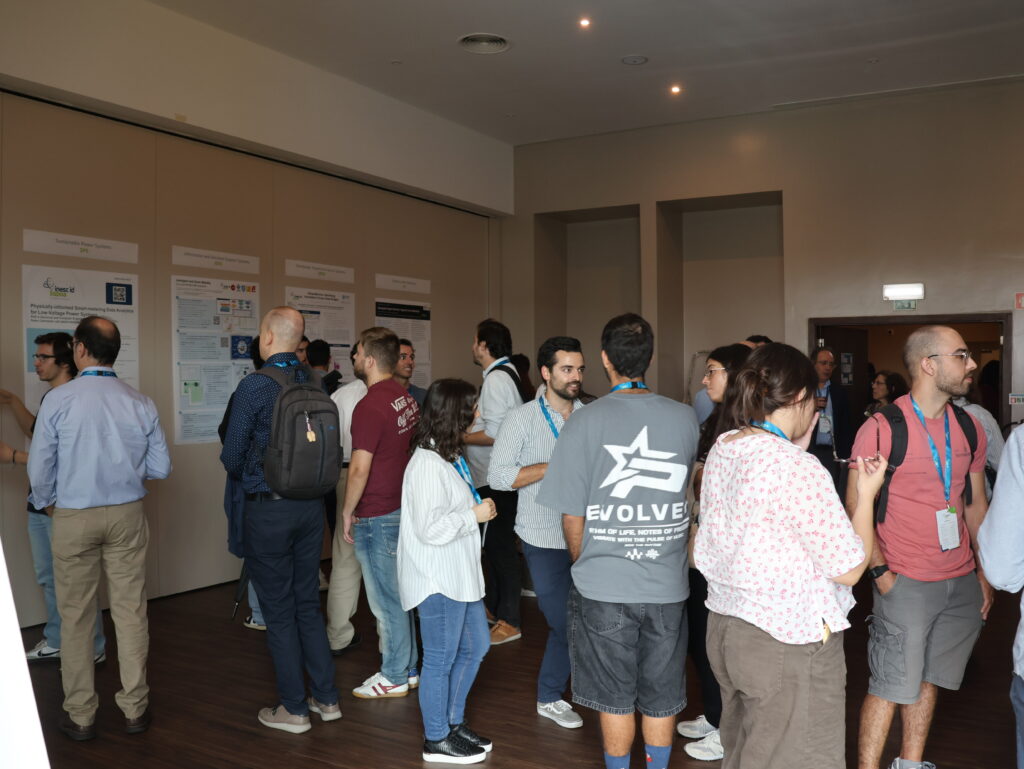
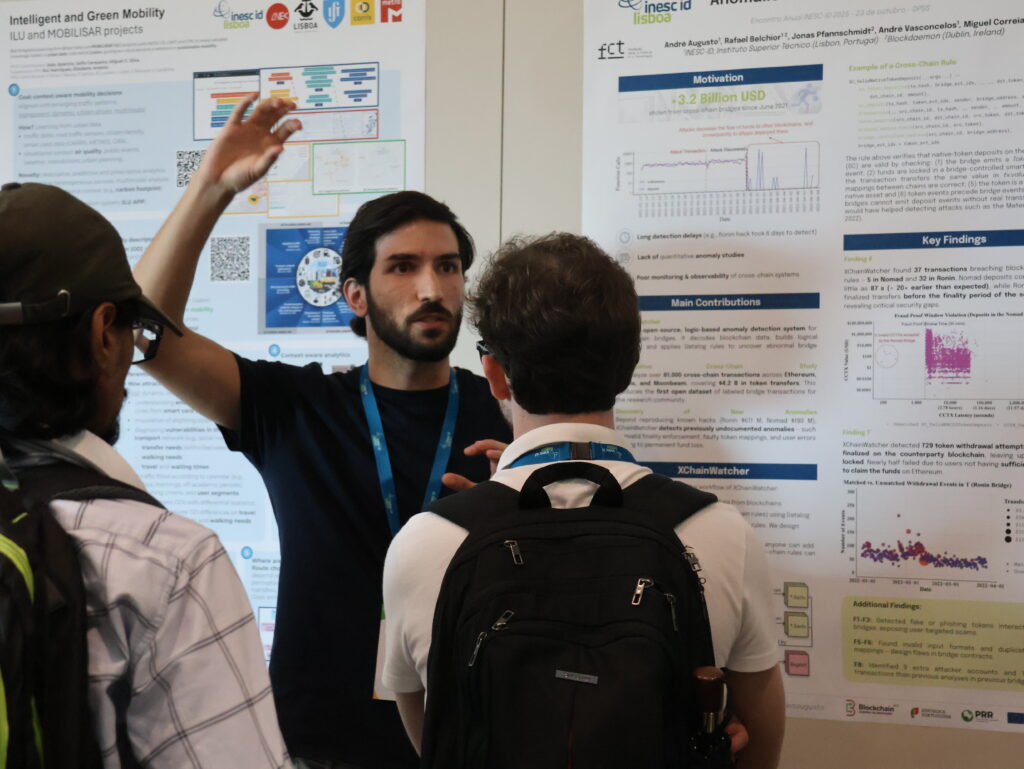
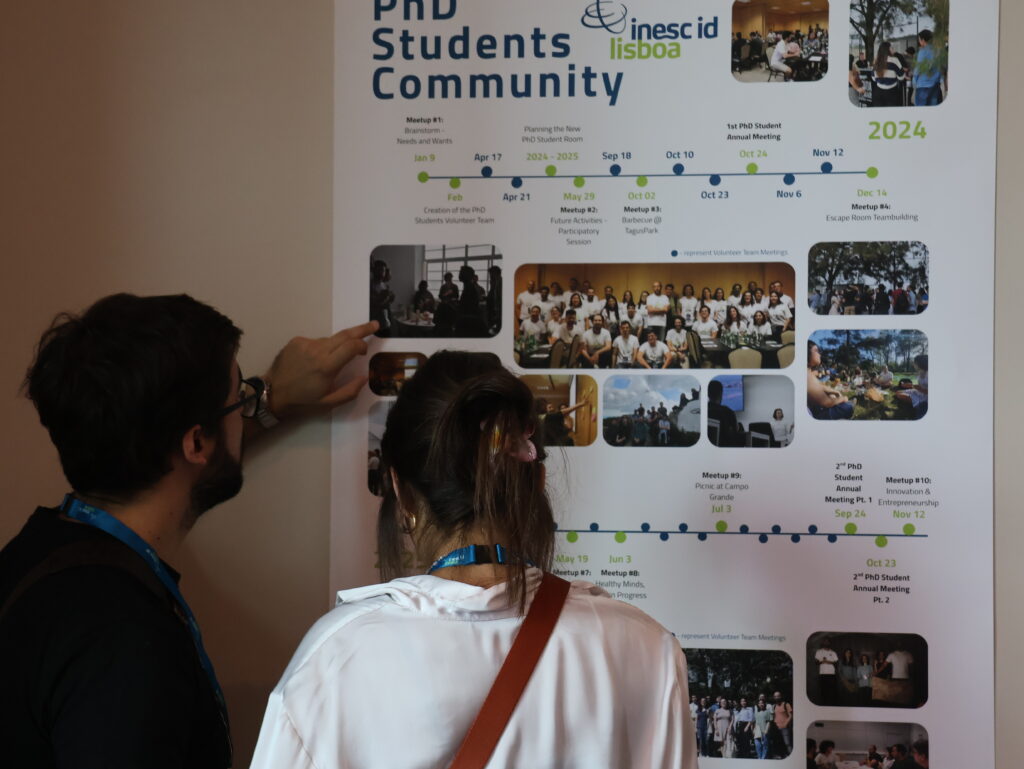
Mid-afternoon, alongside a coffee break dedicated to conversation, reconnection and networking, came the PhD Students’ Poster Session. Transforming the event walls into a showcase, the exhibition featured one poster selected by each Scientific Area coordinator, highlighting the diversity and quality of research underway at INESC-ID. This session also marked the second part of the 2nd Annual Meeting of INESC-ID PhD Students, whose first segment took place in September, and reinforced the active role of students in the institute’s life.
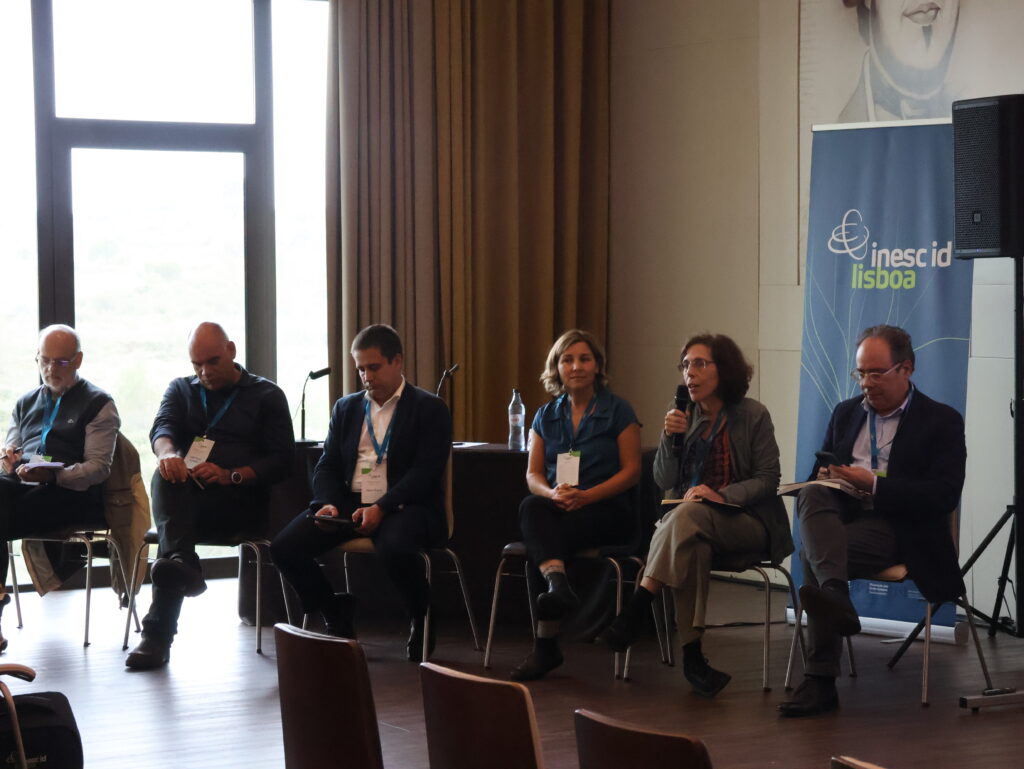
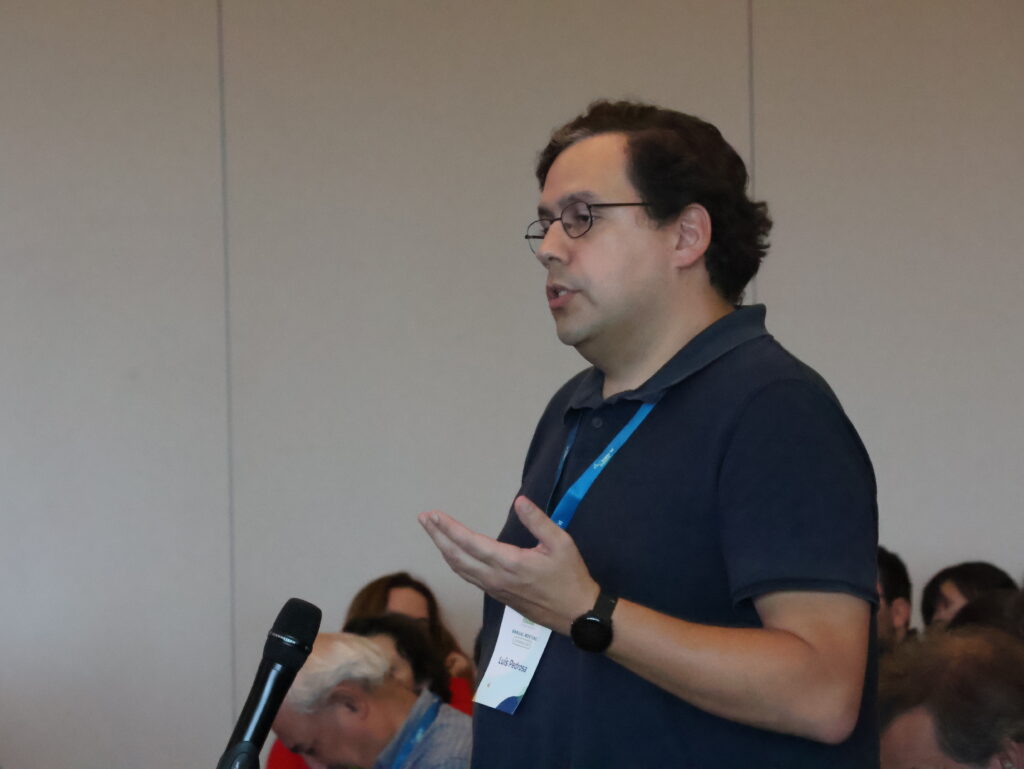
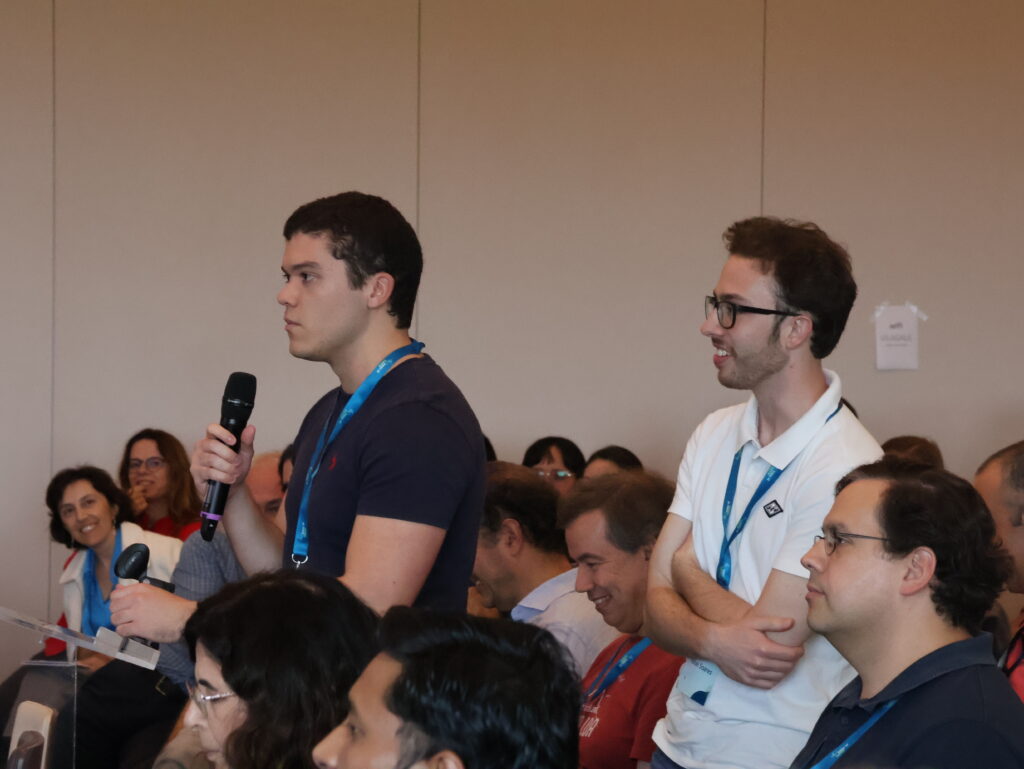
The closing session, led by Luís Oliveira e Silva, introduced a new format: the Town Hall – an open conversation between the Board of Directors and the INESC-ID community, held in a Q&A format. The directors addressed questions posed primarily by PhD students, who represented around one-third of participants this year, on topics ranging from the institute’s visibility and student recruitment strategies, to support during and after the PhD journey. This final moment promoted transparency, feedback, and collective reflection on the future of the institute.
The study gathered articles from the Portuguese blogosphere and analysed them by both humans and automated systems. It aimed to highlight the difficulty of telling conspiracy from opinion pieces and to deepen the understanding of credibility perception. Furthermore, it provides valuable insights for developing tools to distinguish the two categories and critically assess conspiracy theories.
The “Best Portuguese Internet Research” of the Internet Society 2025 Award is an initiative of the Portugal Chapter of the Internet Society (isoc.pt). It aims to promote and reward the best results of research, carried out in Portugal, with relevance and potential future impact on the evolution of the Internet, in line with the goals of the Internet Society.
According to Il Mattino, one of the main Italian newspapers, this year’s European Conference on Artificial Intelligence (ECAI 2025), one of the most prestigious international AI conferences, being held in Bologna from October 25 to 30, has set attendance and submission records.
The article highlights the scientific leadership of Aniello Murano, Professor of Computer Science at the University of Naples, and Inês Lynce, INESC-ID researcher, President of the Board of Directors, and Professor at Instituto Superior Técnico, who together are co-chairing the conference’s Program Committee. Selected through a rigorous international process, their leadership is credited with making this 28th edition the largest in ECAI’s history.
According to the piece, ECAI 2025 has seen a 20% increase in paper submissions (now double the number from 2023), 2500 participants, and over 2500 expert reviewers, nominated under Lynce and Murano’s coordination.
The program is described as a “map of the future of Artificial Intelligence,” featuring over 700 papers, 60 workshops, and 20 tutorials on topics ranging from machine learning and robotics to natural language processing and multi-agent systems.
Read more in Il Mattino’s full article on ECAI 2025 here.
Stanford has released the Stanford/Elsevier Top 2% Scientists List 2025, which feature 20 INESC-ID researchers, among the most cited scientists in the world.
This annual recognition comprises two lists naming top scientists, doctors, engineers, and mathematicians, among 200 thousand people, one referring to the 2024 most influential scientists and the other focusing on a career-long impact. The lists are compiled by Stanford University (USA) and published by Elsevier. Eligible individuals are classified in 22 scientific fields and 174 subfields, based on data from Scopus.
INESC-ID’s most influential scientists in 2024 (12):