-
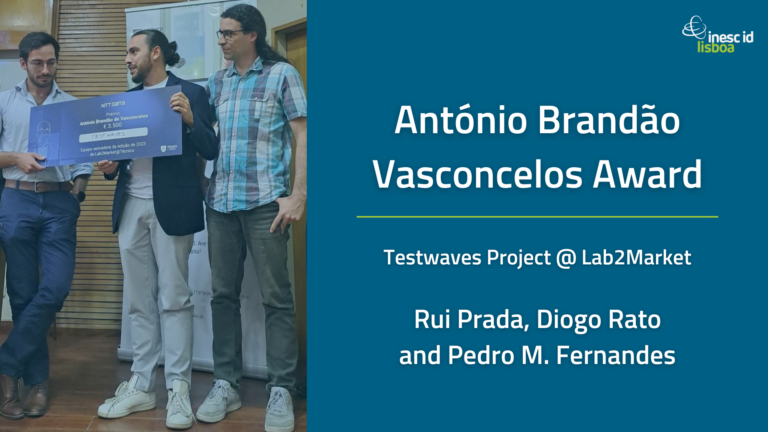
INESC-ID researchers receive António Brandão Vasconcelos Award
INESC-ID researchers Rui Prada, Diogo Rato and Pedro M. Fernandes have received the first ever António Brandão Vasconcelos Award.
read more › -
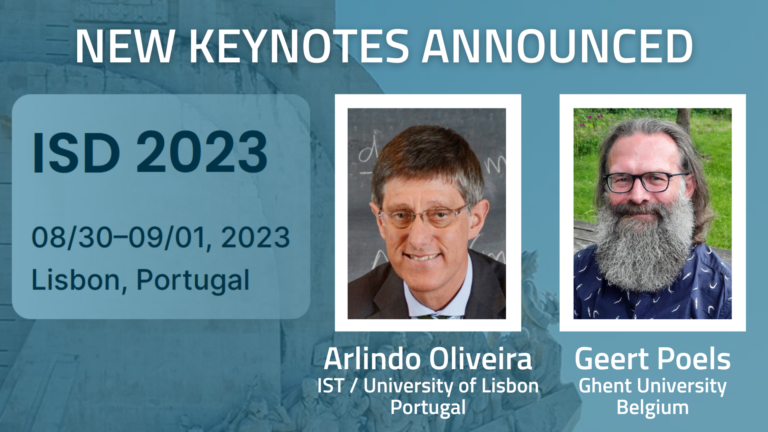
Two new keynotes announced for ISD 2023
Two new keynotes have been announced for ISD 2023: Professor Arlindo Oliveira (IST / University of Lisbon) and Professor Geert Poels (Ghent University).
read more › -
The May 2023 INESC-ID newsletter is out!
The May 2023 issue of NEWS-ID — the INESC-ID Newsletter — is out! You can read it here.
read more › -
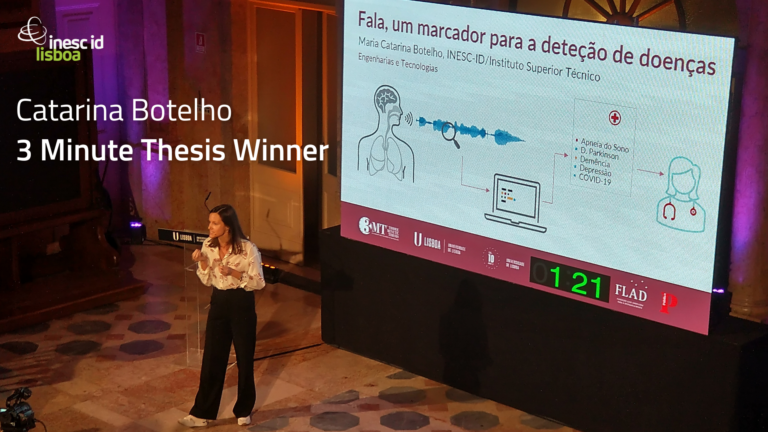
INESC-ID student Catarina Botelho wins “3 Minutos de Tese”
Catarina Botelho has been crowned winner of the first ever edition of 3 Minutos de Tese at the University of Lisbon.
read more › -
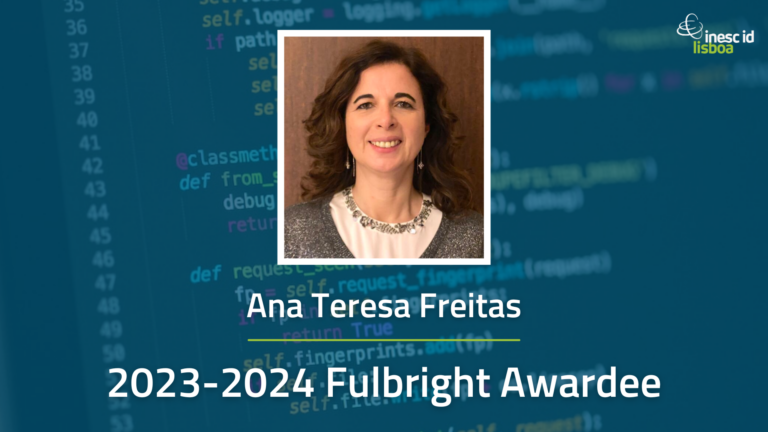
Ana Teresa Freitas receives 2023-2024 Fulbright Portugal Award
Ana Teresa Freitas has been named one of this year's Fulbrighters by the Fulbright Portugal Program.
read more › -
INESC-ID researchers @Gulbenkian: “Inteligência Artificial: Que Humanidade?”
INESC-ID researchers and Instituto Superior Técnico Professors Arlindo Oliveira and Isabel Trancoso will participate in a two-hour conference at the Gulbenkian Foundation on the topic of Artificial Intelligence (AI).
read more › -
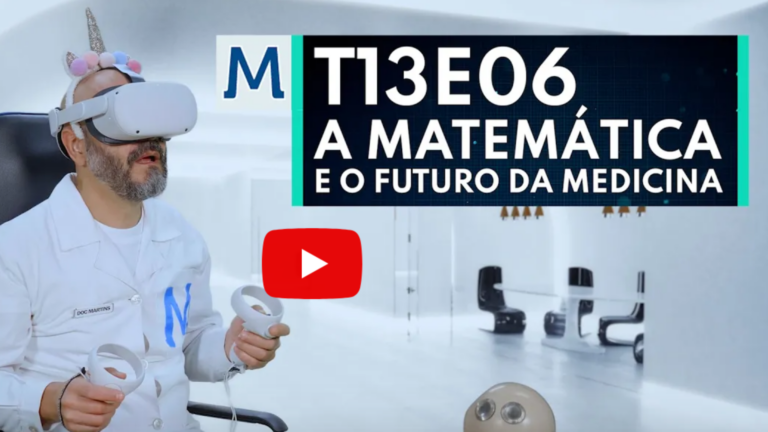
Computational biology and the future of medicine: OLISSIPO collaborates with “Isto é Matemática”
OLISSIPO – Fostering Computational Biology Research and Innovation in Lisbon, an international Horizon 2020-funded project coordinated by INESC-ID, has recently collaborated in the production of the TV program Isto é Matemática ("This is Math").
read more › -
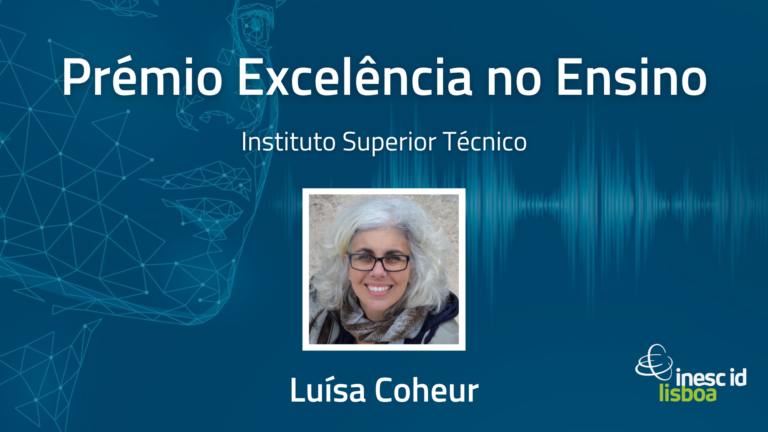
INESC-ID researcher Luísa Coheur recognized with Excellence in Teaching Award
Luísa Coheur has been recognized with an Excellence in Teaching Award by the Pedagogical Council of Instituto Superior Técnico (IST).
read more › -
INESC-ID takes part in new Horizon Europe Project SYCLOPS
Eight leading European organizations join forces to bring together RISC-V and SYCL standards to demonstrate ground-breaking advances in scalability of extreme data analytics via fully-open AI acceleration.
read more ›