-
New INESC-ID projects approved in FCT Call for SR&TD Projects in all Scientific Domains 2023
Recently, seven INESC-ID projects were approved by the Foundation for Science and Technology (FCT) in the Call for SR&TD Projects in all Scientific Domains 2023. The call will support internationally recognised scientific research and technological development (SR&TD) projects, in all scientific domains, aiming to contribute to innovative processes, with market purpose, and increase knowledge creation to respond to business and societal challenges.
read more › -
In the Media: Research with societal impact – INESC-ID featured on CNN Inovação
“If someone had told me, when I started, that this would be the future, I wouldn’t have easily believed it”, reflects Inês Lynce at the opening of this week’s CNN Inovação – a sentiment that captures how far INESC-ID has come.
read more › -
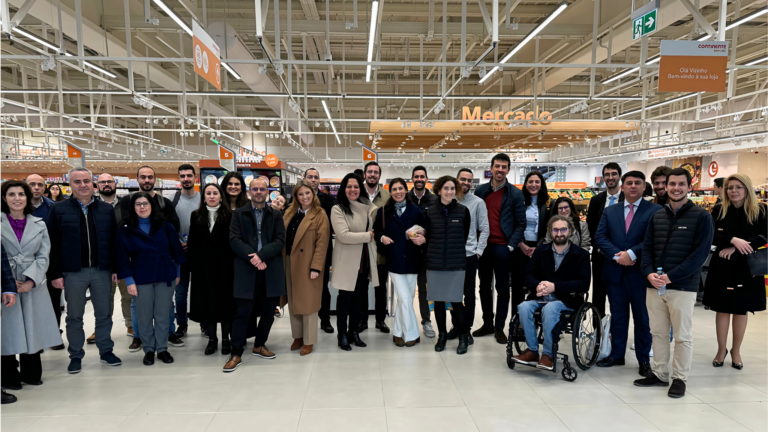
PRR Projects: From shopping to smartness. Project PT Smart Retail redesigned the future of retail
What if buying a snack, grabbing lunch, or doing the weekly groceries didn’t require queues, cashiers, or even a checkout line?
read more › -
POEMS: Portugal having a word in semiconductor innovation
INESC-ID is one of the 16 members of POEMS – the Portuguese Competence Centre in Semiconductors, a national initiative set to position Portugal in the field of microelectronics and semiconductor innovation.
read more › -
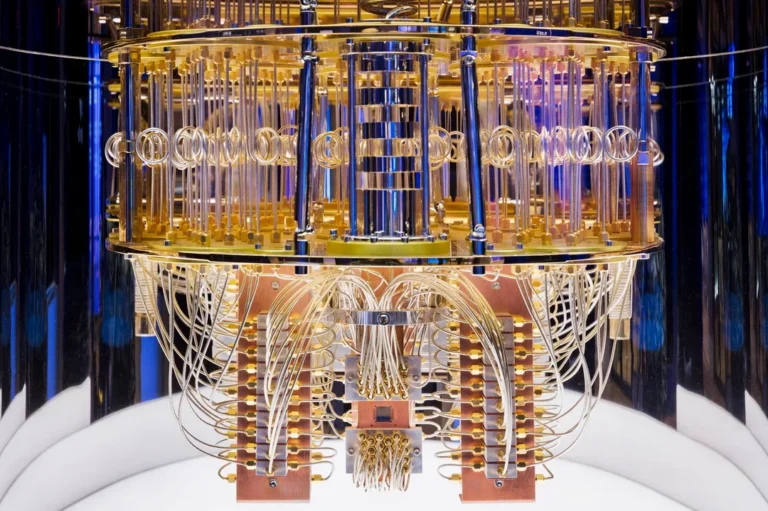
Getting ready for the quantum era. INESC-ID joins European effort to strengthen cybersecurity and quantum resilience
Quantum computing is a serious threat to today’s cryptographic systems. A strong reason for the European Defence Fund (EDF) to invest in the development of quantum-resistant solutions for the defense sector. One of these initiatives is project SEQURED: Strengthening Defense Networks for the Quantum Era, launched May, 1st.
read more › -
Harnessing the power of microbial diversity: MALDIBANK kicks off in Braga
Microbes are essential to life and have an impact on everything, from ecosystem dynamics to human health and industries like agriculture and food safety. Their diversity, however, remains largely underestimated. Considering their implications in sectors like food safety and climate change, it is crucial to accurately identify microorganisms and harness their potential.
read more › -
AMALIA, giving voice to Portuguese identity through Artificial Intelligence
Few expressed pain and longing with the intensity of Amália Rodrigues, the iconic fado singer who became a symbol of Portuguese cultural identity. Her voice, her language, and her emotion are all part of a legacy that continues to shape Portugal’s artistic and emotional landscape. Drawing inspiration from that deep cultural well, AMALIA (Automatic Multimodal Language Assistant with Artificial Intelligence) is the name chosen for the first Portuguese Large Language Model (LLM) designed from scratch to reflect and preserve the richness of the Portuguese language and identity – with INESC-ID playing a crucial role, particularly in the area of speech processing.
read more › -
INESC-ID secures 14 new FCT-Funded Projects to Drive AI, Data Science, and Cybersecurity in Public Administration
After having two exploratory research projects (ERPs) approved in the Call for Exploratory Projects in All Scientific Domains 2023, INESC-ID recently had eight more projects approved by FCT, in the Call for the 2024 program in “Artificial Intelligence, Data Science and Cybersecurity of relevance in Public Administration”.
read more › -
INESC-ID contributes to Europe’s digital autonomy in High-Performance Computing and AI through the DARE Project
INESC-ID is one of 38 partners involved in a major European effort to build a sovereign computing infrastructure through the new project DARE SGA1 – Digital Autonomy with RISC-V in Europe.
read more ›