-
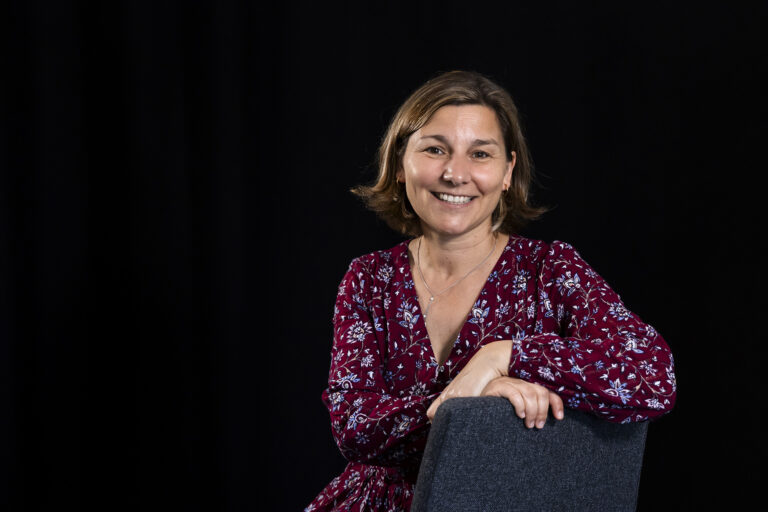
In the Media: Inês Lynce on SAIL, leadership and cooperative science for ECO’s “Retrato”
Running together as a team – this was the idea that framed a recent interview for ECO’s “Retrato” with Inês Lynce, President of the Board of Directors at INESC‑ID, who shared her ambition for a national scientific landscape strengthened by deeper collaboration and collective progress.
read more › -
INESC-ID gets new projects approved in three different FCT calls
INESC‑ID recently saw four of its proposals approved by Fundação para a Ciência e a Tecnologia (FCT), across three competitive calls that reinforce the institute’s role in national and international research initiatives.
read more › -
FLoC 2026: The world’s biggest logic conference just wrapped up in Lisbon
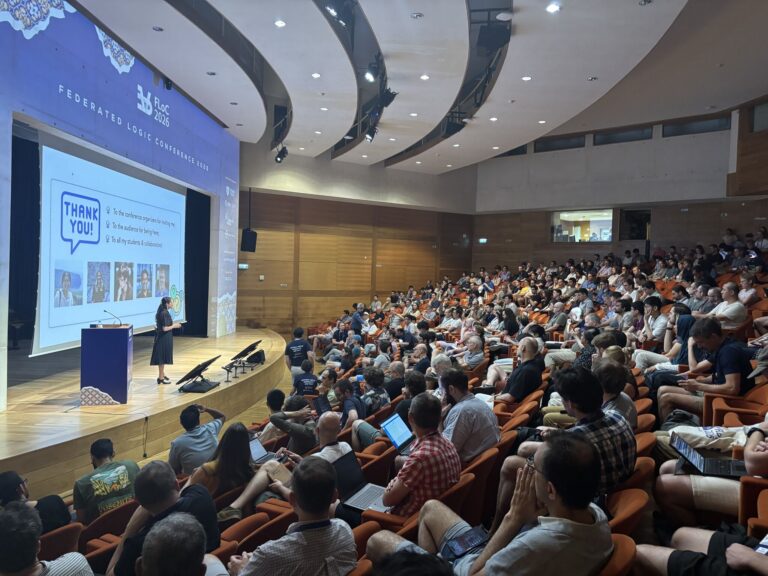
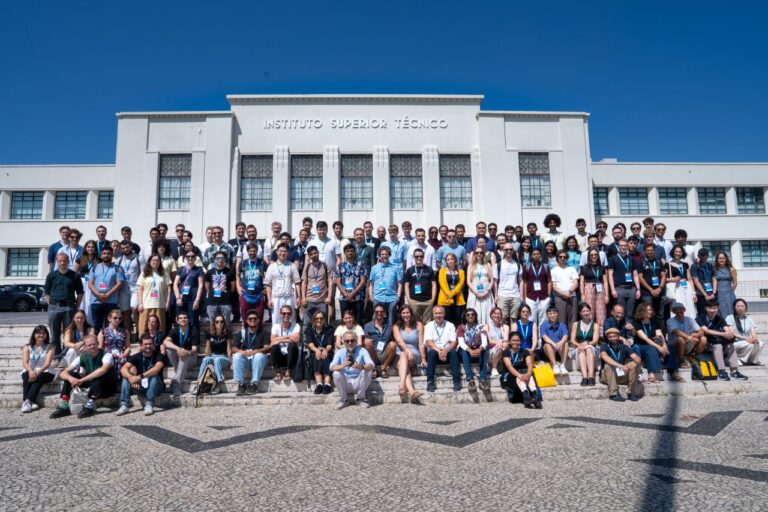
The 2026 edition of the Federated Logic Conference (FLoC) came to a close in Lisbon on 29 July, following two weeks that brought together over 2100 participants from 70 countries across ten conferences, 86 workshops, and two summer schools. Co-organised by Instituto Superior Técnico and INESC-ID, this was the first time FLoC has been held in Portugal, and the ninth edition of the conference since its founding in 1996.
read more › -
INESC-ID Connects Students and Industry at ELLIS Doctoral Symposium 2026
Last week, INESC-ID helped host the ELLIS Doctoral Symposium 2026 (EDS2026), held at Instituto Superior Técnico under the theme Trustworthy AI. The four-day event (27–30 July) was organised by ELLIS Unit Lisbon — a partnership between Instituto Superior Técnico, INESC-ID, the Institute for Systems and Robotics (ISR-Lisboa) and Instituto de Telecomunicações — and brought together more than 100 PhD students, researchers and industry experts from across Europe to explore reliable, safe and adaptable Artificial Intelligence (AI) systems.
read more › -
INESC-ID joins AISHA to help build Europe’s AI Skills Academy
INESC-ID is a partner in AISHA – Artificial Intelligence Skills Hub Academy, a Digital Europe Programme initiative to build a pan-European ecosystem of Generative AI and advanced AI skills.
read more › -
From SAIL to AMALIA: INESC-ID at Encontro Ciência e Inovação 2026
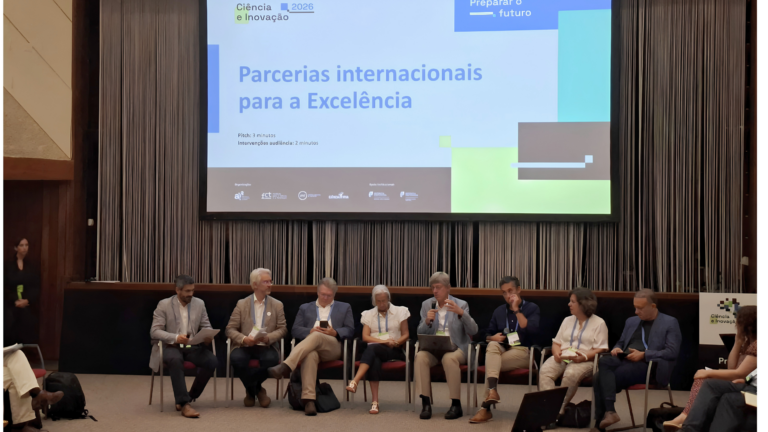
INESC-ID marked a strong presence at Encontro Ciência 2026, the largest annual event dedicated to science and innovation in Portugal, which took place on 15–16 July at the Lisbon Congress Center. The institute contributed to multiple sessions throughout the programme, showcasing its ongoing work across research, innovation, and international partnerships. This edition also marked the first major event featuring the new Portuguese Agency for Research and Innovation (AI²).
read more › -
Ana Paiva elected to Lisbon Academy of Sciences
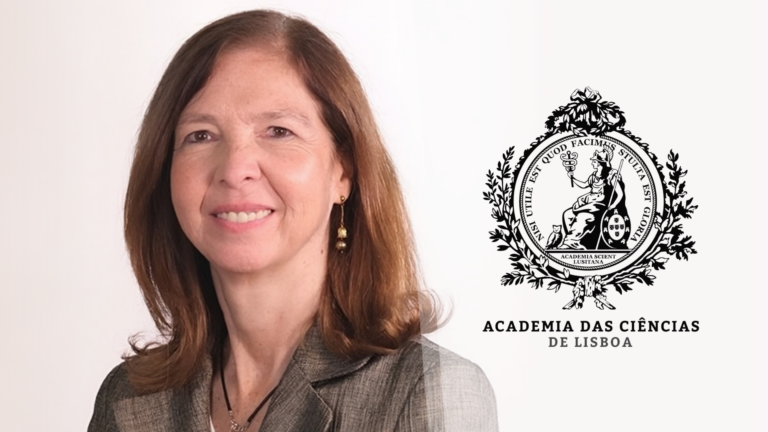
Ana Paiva, senior researcher in Artificial Intelligence for People and Society at INESC-ID and full professor at Instituto Superior Técnico, has been elected a corresponding member of the Lisbon Academy of Sciences, joining the 8th Section – Information Sciences and Technologies. The official swearing-in ceremony was held on 2 July.
read more › -
AMALIA was officially launched and is now ready for open use
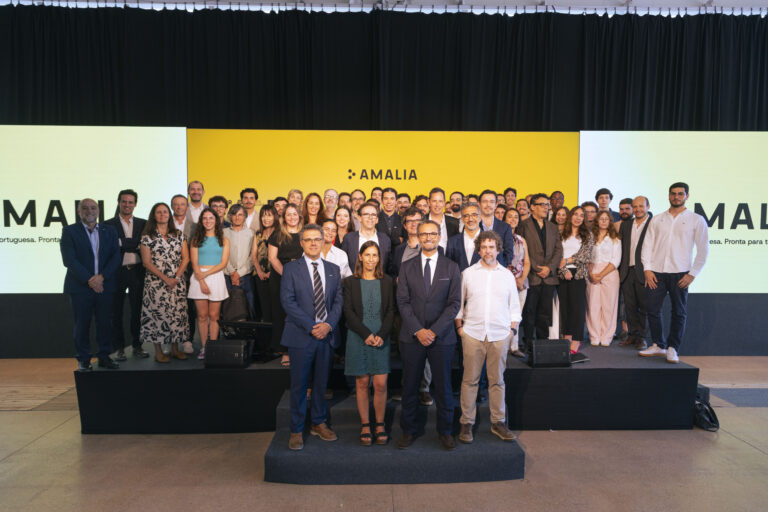
The AMALIA (Automatic Multimodal Language Assistant with Artificial Intelligence) was officially presented on 1 July at Técnico Innovation Center, a ceremony attended by INESC-ID, as part of the research team. The presentation was met with very positive feedback and a clear recognition of the work that was developed to create AMALIA.
read more › -
Making their way across the universe: two space missions to join ISTSat-1
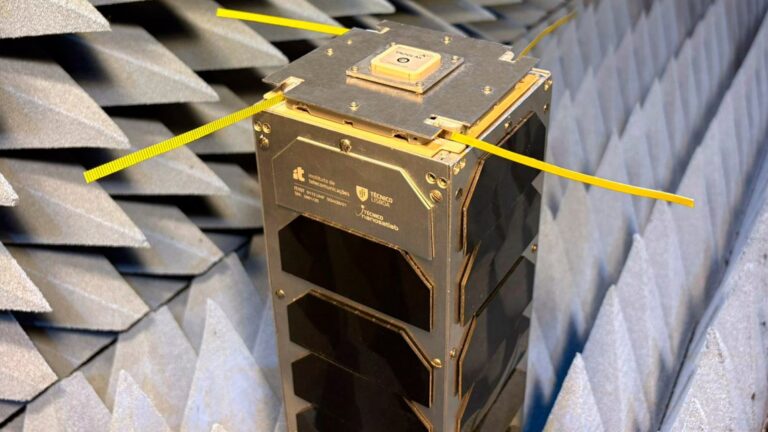
After two years in orbit, the ISTSat-1 remains fully operational and is now expecting company. Two missions are being prepared by IST NanoSatLab, in which INESC-ID participates, and set to join the first Portuguese university nanosatellite, with one of them scheduled to fly as early as this year.
read more ›